
- Current location:Home page >> Chinese medicinal materials
The efficacy and function of silkworm cocoon
2026-09-14 15:57:27
Overview of the efficacy and functions of silkworm cocoons
Silkworm cocoon is a natural fiber structure formed by silkworm silk. It has been widely used in medicine, beauty and textile fields since ancient times.Its core functions includeSkin care and beauty, stop bleeding and reduce inflammation, promote wound healing, the secondary role involvesRegulate blood lipids, antioxidantWait.Sericin and silk fibroin in silkworm cocoons are the main active ingredients, giving it moisturizing, antibacterial and restorative properties.In addition, silkworm cocoon extract is often used in traditional Chinese medicine to treat sores and skin inflammation, and modern research has further verified its application potential in biomedical materials.The following will provide a detailed analysis from the perspectives of beauty, medical treatment and health care.
Applications in the field of beauty: natural skin care products
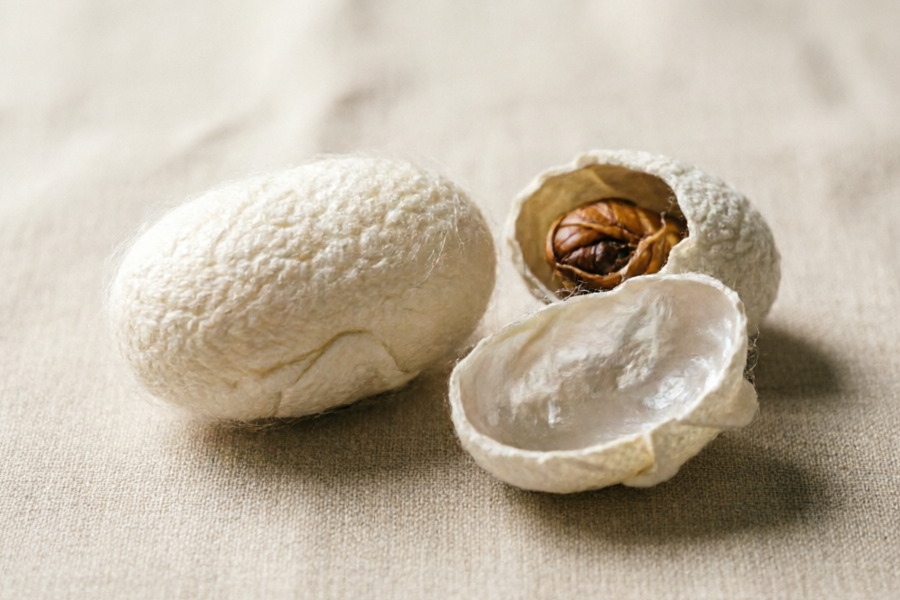
Sericin from silkworm cocoons has excellentMoisturizing and locking waterIt has the ability to form a breathable protective film to reduce moisture loss and is often used in facial masks or essences.Its mild properties are suitable for sensitive skin and it contains18 kinds of amino acidsIt can promote collagen synthesis and delay skin aging.Japanese research shows that silkworm cocoon extract can inhibit tyrosinase activity and help fade spots (see table for data).In addition, "cocoon balls" made from degreasing silkworm cocoons can be used as physical exfoliation tools to safely remove dead skin.
| Efficacy index | Experimental group (including silkworm cocoons) | control group |
|---|---|---|
| Improved moisturizing rate | 32% | 12% |
| Melanin inhibition rate | 27.5% | 8.3% |
Medical value: Promote tissue repair
The fiber structure of silkworm cocoons can be used asNatural wound dressing, its porosity facilitates the absorption of exudate, while its breathability prevents infection.The traditional Chinese medicine classic "Compendium of Materia Medica" records that external use of burnt ash from silkworm cocoons can cure "gold sore bleeding". Modern research has found that silk fibroin can accelerate the migration of epidermal cells and shorten wound healing time by about 20% (quoted from experimental data from the School of Animal Science, Zhejiang University).In addition, extracted from silkworm cocoonsAntimicrobial peptidesIt has an inhibitory effect on common pathogenic bacteria such as Staphylococcus aureus and is suitable for auxiliary treatment of chronic ulcers.
Health care and daily applications
The filtrate after boiling silkworm cocoons is rich inAntioxidants, can be taken orally to regulate blood lipids, and its low molecular weight peptides can reduce vascular lipid deposition.Folks often decoct silkworm cocoons with chrysanthemum and licorice instead of tea to relieve sore throat.In the textile field, clothing made of cocoon protein fiber has moisture-wicking properties and is suitable for patients with eczema.It should be noted that unprocessed silkworm cocoons may retain pupal proteins, and those with allergies should use them with caution.
Summary and scientific outlook
As a multifunctional natural resource, silkworm cocoons have value that runs through both traditional experience and modern technology.In the field of beauty, the "bionic membrane" properties of sericin provide new ideas for the development of skin care products; in medicine, silk scaffold materials have broad prospects in regenerative medicine such as artificial skin and nerve conduits.In the future, optimizing the composition of silk through gene editing technology may further improve its efficacy.When using it, you should consider your own situation and consult a professional physician if necessary.
Quote sources:
1. "Compendium of Materia Medica" by Li Shizhen (Ming Dynasty)
2. Zhejiang University School of Animal Science "Research Report on Biomedical Applications of Silk Protein" 2021
3. "International Journal of Cosmetic Science" December 2020
Relevant knowledge
- 2026-09-30The efficacy and function of Baiziren
- 2026-09-30The efficacy and function of plum slices
- 2026-09-30Efficacy and functions of Kochia bark
- 2026-09-29Efficacy and functions of Baiziren
- 2026-09-29Eclipta Eclipta efficacy and functions
- 2026-09-29Function and role of hippocampus
- 2026-09-29The effects and functions of fragrant fruit
- 2026-09-28Efficacy and functions of Cistanche deserticola
- 2026-09-28White peony effect and function
- 2026-09-28Efficacy and functions of Wu Hua Xue Teng
- 2026-09-28The efficacy and function of Tianqingdibai
- 2026-09-28The efficacy and functions of wild buckwheat root
- 2026-09-28Efficacy and functions of forged amethyst
- 2026-09-27Effects and functions of leaf flowers
- 2026-09-27Efficacy and functions of traditional Chinese medicine Evodia Fructus
- 2026-09-27The efficacy and function of black tiger root
- 2026-09-26The benefits and functions of simmering nutmeg
- 2026-09-26The efficacy and function of dung beetles
Chinese medicinal materials
More-
View
The efficacy and function of Baiziren
Overview of the efficacy and functions of BaizirenBaiziren is the dried and mature seed kernel of Platycladus orientalis, a plant in the Cupressaceae family. Traditional Chinese medicine believes that it is flat in nature and sweet in taste, and can be used to regulate the heart, kidney, and large intestine meridians.Nourish the heart and calm the nerves, moisturize the intestines and relieve constipation, and nourish the liver and kidneysand other effects.Modern research shows that cypress seed
-
View
The efficacy and function of plum slices
Overview of the effects and functions of plum slicesPlum slices, also known as borneol or dipterocarp, is a traditional Chinese medicinal material that has the effects of rejuvenating the mind, clearing away heat and relieving pain, reducing swelling and promoting muscle growth.Its main component is dextroborneol, which is widely used in the fields of medicine, cosmetics and spices.The core functions of plum slices include relieving headaches, anti-inflammatory and sterilizing, promoting wound h
-
View
Efficacy and functions of Kochia bark
Overview of the efficacy and functions of Kochia barkKochia bark, also known as broom seedling, is a commonly used medicinal material in traditional Chinese medicine for clearing away heat and promoting dampness.Diuretic and relieve stranguria, dispel wind and relieve itching, clear away heat and detoxifyand other effects.It mainly acts on urinary system inflammation, skin itching and damp-heat jaundice, and is widely used clinically.Secondary functions include assisting in lowering blood sugar,
-
View
Efficacy and functions of Baiziren
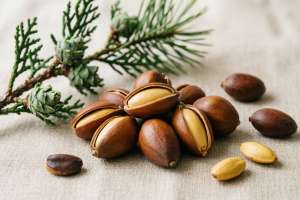
Overview of the efficacy and functions of BaizirenBaiziren is the dried and mature seed kernel of Platycladus orientalis, a plant in the Cupressaceae family. Traditional Chinese medicine believes that it is flat in nature and sweet in taste, and can be used to regulate the heart, kidney, and large intestine meridians.Nourish the heart and calm the nerves, moisturize the intestines and relieve constipation, and nourish the liver and kidneysand other effects.Its main functions include improving sy
-
View
Eclipta Eclipta efficacy and functions
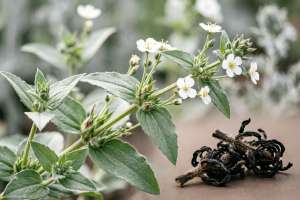
Overview of the efficacy and functions of EcliptaEclipta, also known as Eclipta or Eclipta, is a commonly used medicinal material in traditional Chinese medicine to nourish the liver and kidneys, cool blood and stop bleeding.Its core functions includeNourishes yin and nourishes kidney, blackens beard and hair, stops bleeding and reduces inflammation, the secondary effects involve improving hair loss, relieving gum bleeding and skin eczema.The primary and secondary structure is clear: liver and k
-

View
Function and role of hippocampus
Overview of the functions and functions of the hippocampusSeahorse is a precious marine creature recognized for its many benefits in both traditional medicine and modern research.Its main functions includeReplenishing kidneys and strengthening yang, anti-fatigue, regulating immunity, antioxidantetc., especially the effect of nourishing kidney and replenishing qi is the most prominent.In addition, the hippocampus also plays a certain role in improving blood circulation and relieving neurasthenia.
-
View
The effects and functions of fragrant fruit
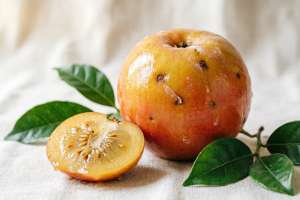
Overview of the effects and functions of fragrant fruitXiangguo, also known as Ligusticum chuanxiong or Shannai, is a plant with both medicinal and edible value, and its rhizomes are often used in traditional Chinese medicine.Its main functions includePromotes blood circulation and removes blood stasis, dispels wind and relieves pain, improves blood circulation, the secondary effects involve relieving headaches, joint pain and women’s menstrual discomfort.The active ingredients of xiangguo, su
-

View
Efficacy and functions of Cistanche deserticola
Overview of the efficacy and functions of Cistanche deserticolaCistanche deserticola, also known as Cistanche deserticola, is a traditional Chinese medicinal material mainly produced in desert areas and is known as "desert ginseng".Its core functions includeReplenishing kidney yang, replenishing essence and blood, moistening intestines and laxative, the secondary effects involve anti-aging, regulating immunity, etc.This article will start from its medicinal value, suitable people, usage methods
-
View
White peony effect and function
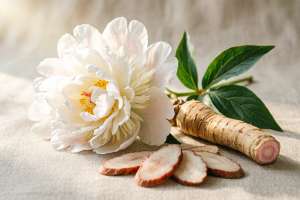
Overview of the efficacy and functions of white peony rootWhite peony root is a commonly used blood-nourishing and menstrual-regulating medicine in traditional Chinese medicine.Nourishes blood and softens liver, relieves pain, astringes yin and stops sweatingIt has core functions such as irregular menstruation, hypochondriac pain, spontaneous sweating and night sweats.Its functions can be divided into two categories: primary and secondary:Main functionsIncluding regulating female endocrine, reli
-
View
Efficacy and functions of Wu Hua Xue Teng
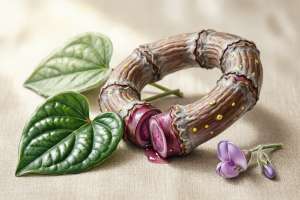
Overview of the efficacy and functions of SpatholobusFive-flowered bloodvine is a traditional Chinese medicinal material, which mainly hasPromotes blood circulation and removes blood stasis, unblocks collaterals to relieve pain, expels wind and removes dampnessIt has other effects and is often used to treat rheumatic arthralgia, bruises and irregular menstruation.Its core function is to promote blood circulation, relieve inflammation and pain, and its secondary functions include assisting in reg
-
View
The efficacy and function of Tianqingdibai
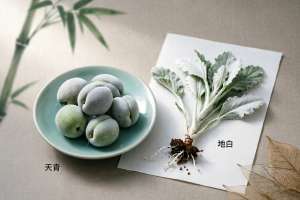
Overview of the efficacy and functions of TianqingdibaiTianqing Dibai is a traditional Chinese medicinal material that has the effects of clearing heat and detoxifying, cooling blood and stopping bleeding, reducing swelling and dissipating stagnation. It is often used to treat sore throat, carbuncle sores, bruises and other diseases.Its main components include flavonoids, organic acids and other active substances. Modern research shows that it has certain anti-inflammatory and antibacterial effe
-

View
The efficacy and functions of wild buckwheat root
Overview of the efficacy and functions of wild buckwheat rootWild buckwheat root, also known as golden buckwheat, is a traditional Chinese medicinal material that has the functions of clearing heat and detoxifying, activating blood circulation and removing blood stasis, strengthening the spleen and digesting food.Modern research shows that it is rich in active ingredients such as flavonoids and phenolic acids, which has a certain auxiliary effect on respiratory infections, inflammation and diges