
- Current location:Home page >> Chinese medicinal materials
The efficacy and function of wolfsbane
2026-03-18 11:23:33
Overview of the efficacy and effects of wolfsbane
Wolfsbane is a traditional Chinese medicinal material that has the effects of killing insects, relieving itching, dispersing knots and reducing swelling. It is mainly used to treat skin diseases such as ringworm, carbuncle and sore. Its core functions includeAnti-inflammatory, antibacterialIt has local anesthesia effect, but it should be noted that it is highly toxic and must be used strictly according to the doctor's instructions. This article will be divided into four parts: efficacy analysis, clinical application, precautions and scientific basis to help readers fully understand the medicinal value and risks of wolfberry.
Analysis of the main functions of wolfsbane
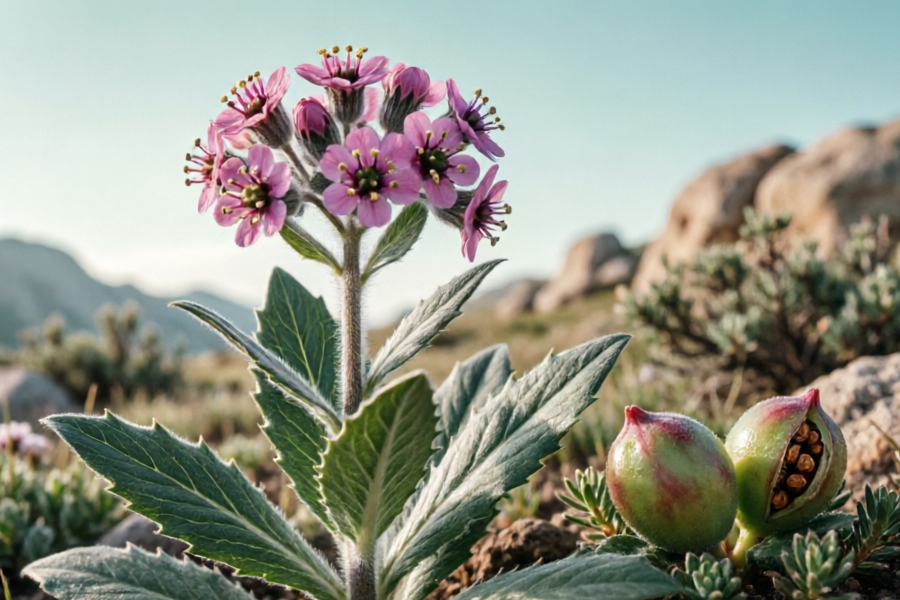
The main active ingredients of wolfsbane are diterpenoids, which give it significantAntibacterial and anti-inflammatoryCharacteristics. Studies have shown that it has an inhibitory effect on common pathogenic bacteria such as Staphylococcus aureus and Candida albicans (see Table 1). In addition, external application of wolfberry extract can relieve itching caused by eczema and psoriasis, and its mechanism is related to inhibiting the release of histamine. It is worth noting that wolfsbane also has a killing effect on scabies mites and other parasites. Folks often use vinegar and juice for external use to treat scabies.
| Pathogen | Inhibition rate (%) | research sources |
|---|---|---|
| Staphylococcus aureus | 78.3 | "Chinese Herbal Medicine" 2020 |
| Candida albicans | 65.7 | "Chinese Journal of Mycology" 2019 |
Clinical applications and incompatibilities
Wolfsbane is often used in clinical TCMExternal treatment of skin diseases, such as combining with Sophora flavescens and Cortex Phellodendron to make an ointment to treat stubborn ringworm. The Ming Dynasty's "Compendium of Materia Medica" records that it is "potent and poisonous. It should be used externally to treat poisons and should be taken internally with caution."现代医学明确提示:孕妇、儿童及肝肾功能不全者禁用,内服需经专业炮制减毒,且不可与甘草同用,以免增强毒性。 Typical usage is to mash the fresh roots for external application, or grind them into powder after drying and mix with oil for rubbing.
Toxicity risks and safe use
The whole plant of wolfberry contains lupus toxin, which may cause vomiting, diarrhea and even shock if ingested. The 2021 Chinese Pharmacopoeia stipulates that its daily external use limit shall not exceed 3 grams. It is recommended to wear gloves when using to avoid direct contact. If skin redness or swelling occurs, use should be stopped immediately. Tibetan folk prescriptions often useBoil milk to reduce poisonHowever, this method has not been clinically verified, and patients should give priority to standardized preparations.
Summary and scientific understanding
Wolfsbane is of great value in the field of dermatology as a medicinal material that "fights poison with poison", but its efficacy and risks must be weighed. Modern research is exploring its anti-cancer potential. For example, the Chinese Academy of Sciences discovered that lupusine A has an inhibitory effect on liver cancer cells ("Anti-Cancer Drug Research" 2022). It is recommended that patients use it under the guidance of a doctor and avoid digging on their own or excessive application to ensure medication safety.
Quote sources:
1. "Chinese Pharmacopoeia" 2021 Edition (National Pharmacopoeia Committee)
2. Li Shizhen's "Compendium of Materia Medica" Ming Dynasty
3. Chinese Academy of Sciences "Anti-Cancer Drug Research" 2022 Issue
Relevant knowledge
- 2026-10-01The efficacy and function of locust bean
- 2026-09-30The efficacy and function of Baiziren
- 2026-09-30The efficacy and function of plum slices
- 2026-09-30Efficacy and functions of Kochia bark
- 2026-09-29Efficacy and functions of Baiziren
- 2026-09-29Eclipta Eclipta efficacy and functions
- 2026-09-29Function and role of hippocampus
- 2026-09-29The effects and functions of fragrant fruit
- 2026-09-28Efficacy and functions of Cistanche deserticola
- 2026-09-28White peony effect and function
- 2026-09-28Efficacy and functions of Wu Hua Xue Teng
- 2026-09-28The efficacy and function of Tianqingdibai
- 2026-09-28The efficacy and functions of wild buckwheat root
- 2026-09-28Efficacy and functions of forged amethyst
- 2026-09-27Effects and functions of leaf flowers
- 2026-09-27Efficacy and functions of traditional Chinese medicine Evodia Fructus
- 2026-09-27The efficacy and function of black tiger root
- 2026-09-26The benefits and functions of simmering nutmeg
Chinese medicinal materials
More-
View
The efficacy and function of locust bean
Overview of the efficacy and functions of locust beanSophora bean, also known as Sophora japonica or Sophora japonica, is the mature fruit of Sophora japonica tree, a leguminous plant, and has various medicinal values in traditional medicine.Its main functions includeClears away heat and cools blood, moisturizes intestines and relieves constipation, lowers blood pressure, and resists oxidationetc., suitable for relieving symptoms such as hemorrhoids, bloody stools, and high blood pressure.Modern
-
View
The efficacy and function of Baiziren
Overview of the efficacy and functions of BaizirenBaiziren is the dried and mature seed kernel of Platycladus orientalis, a plant in the Cupressaceae family. Traditional Chinese medicine believes that it is flat in nature and sweet in taste, and can be used to regulate the heart, kidney, and large intestine meridians.Nourish the heart and calm the nerves, moisturize the intestines and relieve constipation, and nourish the liver and kidneysand other effects.Modern research shows that cypress seed
-
View
The efficacy and function of plum slices
Overview of the effects and functions of plum slicesPlum slices, also known as borneol or dipterocarp, is a traditional Chinese medicinal material that has the effects of rejuvenating the mind, clearing away heat and relieving pain, reducing swelling and promoting muscle growth.Its main component is dextroborneol, which is widely used in the fields of medicine, cosmetics and spices.The core functions of plum slices include relieving headaches, anti-inflammatory and sterilizing, promoting wound h
-
View
Efficacy and functions of Kochia bark
Overview of the efficacy and functions of Kochia barkKochia bark, also known as broom seedling, is a commonly used medicinal material in traditional Chinese medicine for clearing away heat and promoting dampness.Diuretic and relieve stranguria, dispel wind and relieve itching, clear away heat and detoxifyand other effects.It mainly acts on urinary system inflammation, skin itching and damp-heat jaundice, and is widely used clinically.Secondary functions include assisting in lowering blood sugar,
-
View
Efficacy and functions of Baiziren
Overview of the efficacy and functions of BaizirenBaiziren is the dried and mature seed kernel of Platycladus orientalis, a plant in the Cupressaceae family. Traditional Chinese medicine believes that it is flat in nature and sweet in taste, and can be used to regulate the heart, kidney, and large intestine meridians.Nourish the heart and calm the nerves, moisturize the intestines and relieve constipation, and nourish the liver and kidneysand other effects.Its main functions include improving sy
-
View
Eclipta Eclipta efficacy and functions
Overview of the efficacy and functions of EcliptaEclipta, also known as Eclipta or Eclipta, is a commonly used medicinal material in traditional Chinese medicine to nourish the liver and kidneys, cool blood and stop bleeding.Its core functions includeNourishes yin and nourishes kidney, blackens beard and hair, stops bleeding and reduces inflammation, the secondary effects involve improving hair loss, relieving gum bleeding and skin eczema.The primary and secondary structure is clear: liver and k
-

View
Function and role of hippocampus
Overview of the functions and functions of the hippocampusSeahorse is a precious marine creature recognized for its many benefits in both traditional medicine and modern research.Its main functions includeReplenishing kidneys and strengthening yang, anti-fatigue, regulating immunity, antioxidantetc., especially the effect of nourishing kidney and replenishing qi is the most prominent.In addition, the hippocampus also plays a certain role in improving blood circulation and relieving neurasthenia.
-
View
The effects and functions of fragrant fruit
Overview of the effects and functions of fragrant fruitXiangguo, also known as Ligusticum chuanxiong or Shannai, is a plant with both medicinal and edible value, and its rhizomes are often used in traditional Chinese medicine.Its main functions includePromotes blood circulation and removes blood stasis, dispels wind and relieves pain, improves blood circulation, the secondary effects involve relieving headaches, joint pain and women’s menstrual discomfort.The active ingredients of xiangguo, su
-
View
Efficacy and functions of Cistanche deserticola
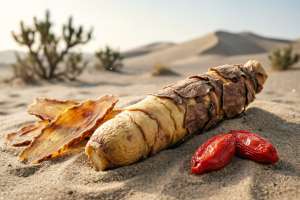
Overview of the efficacy and functions of Cistanche deserticolaCistanche deserticola, also known as Cistanche deserticola, is a traditional Chinese medicinal material mainly produced in desert areas and is known as "desert ginseng".Its core functions includeReplenishing kidney yang, replenishing essence and blood, moistening intestines and laxative, the secondary effects involve anti-aging, regulating immunity, etc.This article will start from its medicinal value, suitable people, usage methods
-
View
White peony effect and function
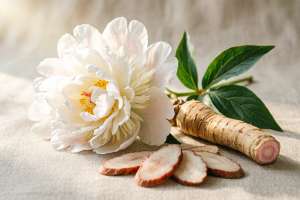
Overview of the efficacy and functions of white peony rootWhite peony root is a commonly used blood-nourishing and menstrual-regulating medicine in traditional Chinese medicine.Nourishes blood and softens liver, relieves pain, astringes yin and stops sweatingIt has core functions such as irregular menstruation, hypochondriac pain, spontaneous sweating and night sweats.Its functions can be divided into two categories: primary and secondary:Main functionsIncluding regulating female endocrine, reli
-
View
Efficacy and functions of Wu Hua Xue Teng
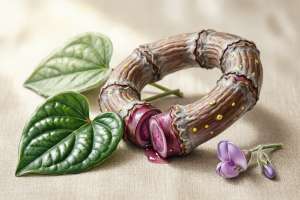
Overview of the efficacy and functions of SpatholobusFive-flowered bloodvine is a traditional Chinese medicinal material, which mainly hasPromotes blood circulation and removes blood stasis, unblocks collaterals to relieve pain, expels wind and removes dampnessIt has other effects and is often used to treat rheumatic arthralgia, bruises and irregular menstruation.Its core function is to promote blood circulation, relieve inflammation and pain, and its secondary functions include assisting in reg
-
View
The efficacy and function of Tianqingdibai
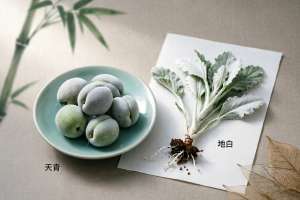
Overview of the efficacy and functions of TianqingdibaiTianqing Dibai is a traditional Chinese medicinal material that has the effects of clearing heat and detoxifying, cooling blood and stopping bleeding, reducing swelling and dissipating stagnation. It is often used to treat sore throat, carbuncle sores, bruises and other diseases.Its main components include flavonoids, organic acids and other active substances. Modern research shows that it has certain anti-inflammatory and antibacterial effe