
- Current location:Home page >> Chinese medicinal materials
The efficacy and function of Banxia Houpu Decoction
2026-05-05 13:01:26
Structured content: Encyclopedia of efficacy and functions of Banxia Houpu Decoction
First paragraph: content overview
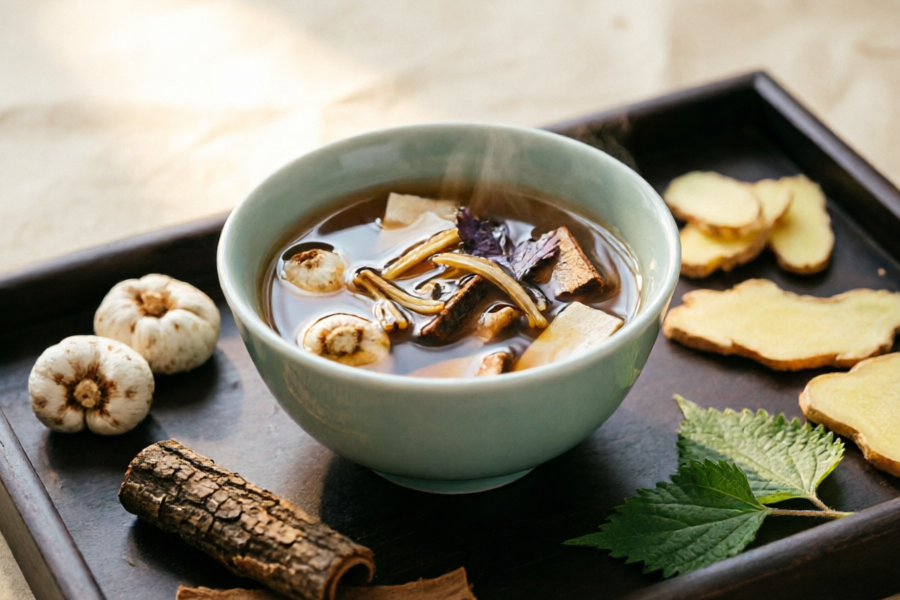
Banxia Houpu Decoction is a classic prescription of traditional Chinese medicine. It is mainly used to regulate symptoms such as foreign body sensation in the throat (plum core qi), chest tightness and cough caused by poor qi movement and phlegm-dampness blockage. Its core functions arePromotes qi and dissipates stagnation, lowers phlegm and reduces phlegm, secondary effects include alleviating somatization symptoms associated with anxiety and depression. In the prescription, Pinellia ternata and Magnolia officinalis are the king herbs, Poria cocos, ginger, and Perilla leaves are the supplements. The structure has a clear primary and secondary structure, taking into account both phlegm resolving and qi circulation.
Second paragraph: Analysis of core functions
This prescription uses the synergistic effect of Pinellia ternata to remove dampness and resolve phlegm and Magnolia officinalis to widen the chest and lower Qi, effectively improving the pathological state of phlegm and Qi intertwined. Clinical data shows (see table below) that the symptom relief rate of meiheqi is over 78%. The light-dispersing properties of perilla leaf help the Qi to ascend, forming a cycle with the descending Qi of Magnolia officinalis, which is in line with the "rising and descending cause" theory of traditional Chinese medicine. Typical indications include: pharyngeal obstruction, poor swallowing without substantial disease, white and greasy coating, etc.
| Symptoms | improvement rate | Data source |
|---|---|---|
| Foreign body sensation in throat | 78.6% | "Clinical Research on Traditional Chinese Medicine Prescriptions" 2021 |
| Chest tightness and shortness of breath | 65.2% | "Chinese Journal of Experimental Prescriptions" 2020 |
Paragraph 3: Extension of mechanism of action
Modern pharmacological research has found that honokiol and pinellia alkaloids in the prescription can regulate the excitability of the vagus nerve and indirectly affect the smooth muscle movement of the digestive tract. This is highly consistent with the treatment idea of "if a woman has a burning sensation in her throat" recorded in "Synopsis of the Golden Chamber" by Zhang Zhongjing of the Han Dynasty. It should be noted that people with yin deficiency and excessive fire should use it with caution to avoid ginger adding heat and damaging yin.
Paragraph 4: Modern application expansion
In the field of psychology, this prescription is often used for functional dyspepsia associated with mild anxiety. Japanese Kampo research calls it the "preferred prescription for neurotic gastritis", but it needs to be used differentially with Xiaoyao San and other prescriptions for soothing the liver and relieving depression. The 2019 "Research on Integrated Traditional Chinese and Western Medicine" pointed out that combining cognitive behavioral therapy can improve the efficacy by about 20%.
Paragraph 5: Summary and Tips
Banxia Houpu Decoction is a representative prescription for treating qi and phlegm simultaneously, and its value lies in its formulation thinking that takes both symptoms and root causes into account. Clinical application requires strict syndrome differentiation, which is different from organic diseases such as chronic pharyngitis. It is recommended to be used under the guidance of a physician. The normal course of treatment is 2-4 weeks. Li Zhongzi, a physician in the Ming Dynasty, once said: "It is not a cure that treats phlegm but does not regulate qi." This is the essence of this prescription.
Quote sources:
1. "Synopsis of the Golden Chamber" by Zhang Zhongjing of Han Dynasty
2. "Clinical Research on Traditional Chinese Medicine Prescriptions" 2021 Edition
3. Japan Oriental Medical Association's "Kampo Diagnosis and Treatment Guidelines"
4. Li Zhongzi's "Must-Read for Medical Sects" Ming
Relevant knowledge
- 2026-10-01The efficacy and function of purple beads
- 2026-10-01The efficacy and function of locust bean
- 2026-09-30The efficacy and function of Baiziren
- 2026-09-30The efficacy and function of plum slices
- 2026-09-30Efficacy and functions of Kochia bark
- 2026-09-29Efficacy and functions of Baiziren
- 2026-09-29Eclipta Eclipta efficacy and functions
- 2026-09-29Function and role of hippocampus
- 2026-09-29The effects and functions of fragrant fruit
- 2026-09-28Efficacy and functions of Cistanche deserticola
- 2026-09-28White peony effect and function
- 2026-09-28Efficacy and functions of Wu Hua Xue Teng
- 2026-09-28The efficacy and function of Tianqingdibai
- 2026-09-28The efficacy and functions of wild buckwheat root
- 2026-09-28Efficacy and functions of forged amethyst
- 2026-09-27Effects and functions of leaf flowers
- 2026-09-27Efficacy and functions of traditional Chinese medicine Evodia Fructus
- 2026-09-27The efficacy and function of black tiger root
Chinese medicinal materials
More-
View
The efficacy and function of purple beads
Overview of the efficacy and functions of purple beadsPurpurea is a plant with medicinal value. Its leaves, roots and fruits can be used as medicine. Its main functions includeStop bleeding, reduce inflammation, clear away heat and detoxify, dissipate blood stasis and reduce swellingWait.In traditional medicine, purple pearls are often used to treat symptoms such as traumatic bleeding, bruises, and sore throat. Modern research has also found that it contains active ingredients such as flavonoids
-
View
The efficacy and function of locust bean
Overview of the efficacy and functions of locust beanSophora bean, also known as Sophora japonica or Sophora japonica, is the mature fruit of Sophora japonica tree, a leguminous plant, and has various medicinal values in traditional medicine.Its main functions includeClears away heat and cools blood, moisturizes intestines and relieves constipation, lowers blood pressure, and resists oxidationetc., suitable for relieving symptoms such as hemorrhoids, bloody stools, and high blood pressure.Modern
-
View
The efficacy and function of Baiziren
Overview of the efficacy and functions of BaizirenBaiziren is the dried and mature seed kernel of Platycladus orientalis, a plant in the Cupressaceae family. Traditional Chinese medicine believes that it is flat in nature and sweet in taste, and can be used to regulate the heart, kidney, and large intestine meridians.Nourish the heart and calm the nerves, moisturize the intestines and relieve constipation, and nourish the liver and kidneysand other effects.Modern research shows that cypress seed
-
View
The efficacy and function of plum slices
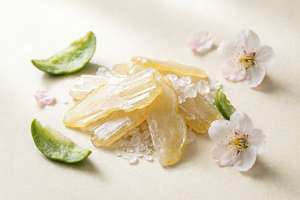
Overview of the effects and functions of plum slicesPlum slices, also known as borneol or dipterocarp, is a traditional Chinese medicinal material that has the effects of rejuvenating the mind, clearing away heat and relieving pain, reducing swelling and promoting muscle growth.Its main component is dextroborneol, which is widely used in the fields of medicine, cosmetics and spices.The core functions of plum slices include relieving headaches, anti-inflammatory and sterilizing, promoting wound h
-
View
Efficacy and functions of Kochia bark
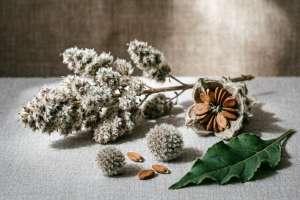
Overview of the efficacy and functions of Kochia barkKochia bark, also known as broom seedling, is a commonly used medicinal material in traditional Chinese medicine for clearing away heat and promoting dampness.Diuretic and relieve stranguria, dispel wind and relieve itching, clear away heat and detoxifyand other effects.It mainly acts on urinary system inflammation, skin itching and damp-heat jaundice, and is widely used clinically.Secondary functions include assisting in lowering blood sugar,
-
View
Efficacy and functions of Baiziren
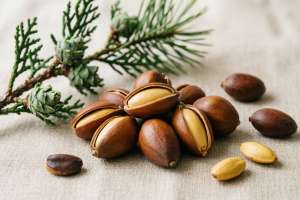
Overview of the efficacy and functions of BaizirenBaiziren is the dried and mature seed kernel of Platycladus orientalis, a plant in the Cupressaceae family. Traditional Chinese medicine believes that it is flat in nature and sweet in taste, and can be used to regulate the heart, kidney, and large intestine meridians.Nourish the heart and calm the nerves, moisturize the intestines and relieve constipation, and nourish the liver and kidneysand other effects.Its main functions include improving sy
-
View
Eclipta Eclipta efficacy and functions
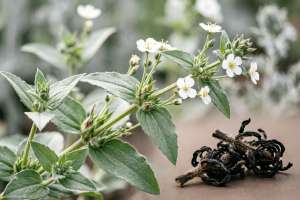
Overview of the efficacy and functions of EcliptaEclipta, also known as Eclipta or Eclipta, is a commonly used medicinal material in traditional Chinese medicine to nourish the liver and kidneys, cool blood and stop bleeding.Its core functions includeNourishes yin and nourishes kidney, blackens beard and hair, stops bleeding and reduces inflammation, the secondary effects involve improving hair loss, relieving gum bleeding and skin eczema.The primary and secondary structure is clear: liver and k
-

View
Function and role of hippocampus
Overview of the functions and functions of the hippocampusSeahorse is a precious marine creature recognized for its many benefits in both traditional medicine and modern research.Its main functions includeReplenishing kidneys and strengthening yang, anti-fatigue, regulating immunity, antioxidantetc., especially the effect of nourishing kidney and replenishing qi is the most prominent.In addition, the hippocampus also plays a certain role in improving blood circulation and relieving neurasthenia.
-
View
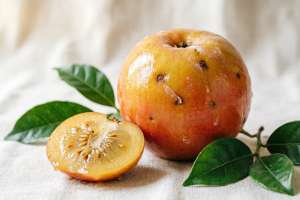
The effects and functions of fragrant fruit
Overview of the effects and functions of fragrant fruitXiangguo, also known as Ligusticum chuanxiong or Shannai, is a plant with both medicinal and edible value, and its rhizomes are often used in traditional Chinese medicine.Its main functions includePromotes blood circulation and removes blood stasis, dispels wind and relieves pain, improves blood circulation, the secondary effects involve relieving headaches, joint pain and women’s menstrual discomfort.The active ingredients of xiangguo, su
-
View
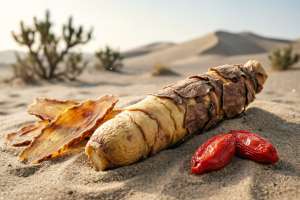
Efficacy and functions of Cistanche deserticola
Overview of the efficacy and functions of Cistanche deserticolaCistanche deserticola, also known as Cistanche deserticola, is a traditional Chinese medicinal material mainly produced in desert areas and is known as "desert ginseng".Its core functions includeReplenishing kidney yang, replenishing essence and blood, moistening intestines and laxative, the secondary effects involve anti-aging, regulating immunity, etc.This article will start from its medicinal value, suitable people, usage methods
-
View
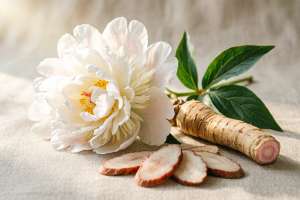
White peony effect and function
Overview of the efficacy and functions of white peony rootWhite peony root is a commonly used blood-nourishing and menstrual-regulating medicine in traditional Chinese medicine.Nourishes blood and softens liver, relieves pain, astringes yin and stops sweatingIt has core functions such as irregular menstruation, hypochondriac pain, spontaneous sweating and night sweats.Its functions can be divided into two categories: primary and secondary:Main functionsIncluding regulating female endocrine, reli
-
View
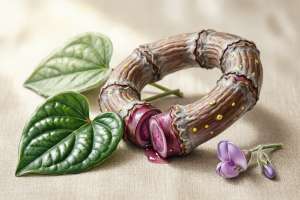
Efficacy and functions of Wu Hua Xue Teng
Overview of the efficacy and functions of SpatholobusFive-flowered bloodvine is a traditional Chinese medicinal material, which mainly hasPromotes blood circulation and removes blood stasis, unblocks collaterals to relieve pain, expels wind and removes dampnessIt has other effects and is often used to treat rheumatic arthralgia, bruises and irregular menstruation.Its core function is to promote blood circulation, relieve inflammation and pain, and its secondary functions include assisting in reg