
- Current location:Home page >> Chinese medicinal materials
The efficacy and function of mandala
2026-06-08 02:32:24
Overview of the efficacy and functions of Datura
Datura is a plant with both medicinal and toxic properties. Its efficacy and role are mainly reflected in analgesia, anesthesia, cough and asthma, etc., but it needs to be used with caution. The main ingredients are hyoscyamine, scopolamine and other alkaloids, which have central nervous system depressant effects and are used in traditional medicine to relieve pain and spasms. However, it is highly toxic and misuse may lead to poisoning or even death. In terms of content structure, this article will give priority to introducing its medicinal value, then emphasize the safety risks, and finally summarize the importance of rational application.
Medicinal value: analgesic and anesthetic effects
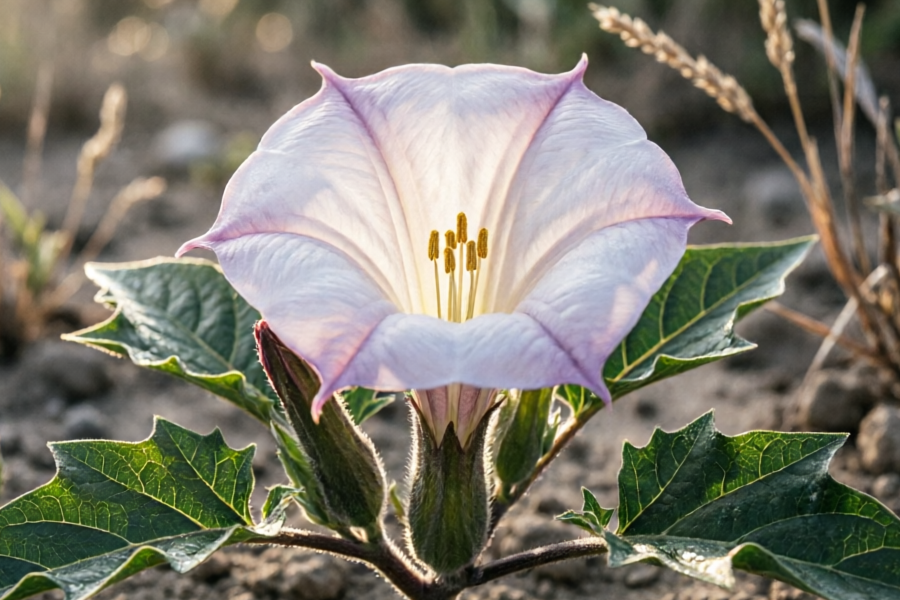
Datura is commonly used in traditional medicineanalgesia and anesthesia. Its alkaloid components can block nerve conduction. In ancient times, Hua Tuo's "Mafei Powder" contained datura extract and was used for anesthesia before surgery. Modern research shows that scopolamine can inhibit cerebral cortex activity and relieve severe pain, but it requires extremely high dosage control. In addition, external application of datura leaves can relieve rheumatic joint pain, but professional guidance is required to avoid excessive skin absorption.
Respiratory and antispasmodic applications
Mandala seeds and flower pairRelieves cough and asthmaIt has a certain effect, especially for asthma caused by bronchospasm. Its ingredients can relax bronchial smooth muscle, similar to the mechanism of action of atropine. In folk remedies, tobacco leaves are occasionally burned and inhaled to relieve wheezing, but this method is extremely risky and can easily lead to poisoning. It should be noted that any oral or inhaled use should be done under the supervision of a doctor to avoid side effects such as mydriasis and arrhythmia due to improper dosage.
Toxicity risks and contraindications for use
The toxicity of datura cannot be ignored;Ingestion of 5-10 seeds can be fatal. Poisoning symptoms include dry mouth, hallucinations, coma, etc., and respiratory failure in severe cases. It is absolutely forbidden for pregnant women, children and patients with heart disease. Even if it is used externally, it needs to be diluted before use. Modern medicine has synthesized safer alternatives, such as atropine injection, reducing the direct use of datura. The public is advised to use it only as a research subject and not for self-medication.
Summary: Reasonable Cognition and Scientific Application
Datura is a typical "double-edged sword" plant, with both its medicinal value and toxicity. Despite its historical contributions to areas such as analgesia and anesthesia, modern medicine prefers to use its purified components or synthetic alternatives. The general public should avoid contact and strictly follow professional guidance when necessary. Research on Datura is still continuing, and its maximum value can only be achieved through scientific use.
Citing sources
1. "Chinese Materia Medica" (compiled by the State Administration of Traditional Chinese Medicine)
2. Records about mandala in Li Shizhen's "Compendium of Materia Medica"
3. Modern pharmacological research data:
| Ingredients | Scopolamine | Hyoscyamine |
| Lethal dose (adult) | 10mg | 100mg |
Relevant knowledge
- 2026-10-01The efficacy and function of purple beads
- 2026-10-01The efficacy and function of locust bean
- 2026-09-30The efficacy and function of Baiziren
- 2026-09-30The efficacy and function of plum slices
- 2026-09-30Efficacy and functions of Kochia bark
- 2026-09-29Efficacy and functions of Baiziren
- 2026-09-29Eclipta Eclipta efficacy and functions
- 2026-09-29Function and role of hippocampus
- 2026-09-29The effects and functions of fragrant fruit
- 2026-09-28Efficacy and functions of Cistanche deserticola
- 2026-09-28White peony effect and function
- 2026-09-28Efficacy and functions of Wu Hua Xue Teng
- 2026-09-28The efficacy and function of Tianqingdibai
- 2026-09-28The efficacy and functions of wild buckwheat root
- 2026-09-28Efficacy and functions of forged amethyst
- 2026-09-27Effects and functions of leaf flowers
- 2026-09-27Efficacy and functions of traditional Chinese medicine Evodia Fructus
- 2026-09-27The efficacy and function of black tiger root
Chinese medicinal materials
More-
View
The efficacy and function of purple beads
Overview of the efficacy and functions of purple beadsPurpurea is a plant with medicinal value. Its leaves, roots and fruits can be used as medicine. Its main functions includeStop bleeding, reduce inflammation, clear away heat and detoxify, dissipate blood stasis and reduce swellingWait.In traditional medicine, purple pearls are often used to treat symptoms such as traumatic bleeding, bruises, and sore throat. Modern research has also found that it contains active ingredients such as flavonoids
-
View
The efficacy and function of locust bean
Overview of the efficacy and functions of locust beanSophora bean, also known as Sophora japonica or Sophora japonica, is the mature fruit of Sophora japonica tree, a leguminous plant, and has various medicinal values in traditional medicine.Its main functions includeClears away heat and cools blood, moisturizes intestines and relieves constipation, lowers blood pressure, and resists oxidationetc., suitable for relieving symptoms such as hemorrhoids, bloody stools, and high blood pressure.Modern
-

View
The efficacy and function of Baiziren
Overview of the efficacy and functions of BaizirenBaiziren is the dried and mature seed kernel of Platycladus orientalis, a plant in the Cupressaceae family. Traditional Chinese medicine believes that it is flat in nature and sweet in taste, and can be used to regulate the heart, kidney, and large intestine meridians.Nourish the heart and calm the nerves, moisturize the intestines and relieve constipation, and nourish the liver and kidneysand other effects.Modern research shows that cypress seed
-

View
The efficacy and function of plum slices
Overview of the effects and functions of plum slicesPlum slices, also known as borneol or dipterocarp, is a traditional Chinese medicinal material that has the effects of rejuvenating the mind, clearing away heat and relieving pain, reducing swelling and promoting muscle growth.Its main component is dextroborneol, which is widely used in the fields of medicine, cosmetics and spices.The core functions of plum slices include relieving headaches, anti-inflammatory and sterilizing, promoting wound h
-

View
Efficacy and functions of Kochia bark
Overview of the efficacy and functions of Kochia barkKochia bark, also known as broom seedling, is a commonly used medicinal material in traditional Chinese medicine for clearing away heat and promoting dampness.Diuretic and relieve stranguria, dispel wind and relieve itching, clear away heat and detoxifyand other effects.It mainly acts on urinary system inflammation, skin itching and damp-heat jaundice, and is widely used clinically.Secondary functions include assisting in lowering blood sugar,
-

View
Efficacy and functions of Baiziren
Overview of the efficacy and functions of BaizirenBaiziren is the dried and mature seed kernel of Platycladus orientalis, a plant in the Cupressaceae family. Traditional Chinese medicine believes that it is flat in nature and sweet in taste, and can be used to regulate the heart, kidney, and large intestine meridians.Nourish the heart and calm the nerves, moisturize the intestines and relieve constipation, and nourish the liver and kidneysand other effects.Its main functions include improving sy
-

View
Eclipta Eclipta efficacy and functions
Overview of the efficacy and functions of EcliptaEclipta, also known as Eclipta or Eclipta, is a commonly used medicinal material in traditional Chinese medicine to nourish the liver and kidneys, cool blood and stop bleeding.Its core functions includeNourishes yin and nourishes kidney, blackens beard and hair, stops bleeding and reduces inflammation, the secondary effects involve improving hair loss, relieving gum bleeding and skin eczema.The primary and secondary structure is clear: liver and k
-

View
Function and role of hippocampus
Overview of the functions and functions of the hippocampusSeahorse is a precious marine creature recognized for its many benefits in both traditional medicine and modern research.Its main functions includeReplenishing kidneys and strengthening yang, anti-fatigue, regulating immunity, antioxidantetc., especially the effect of nourishing kidney and replenishing qi is the most prominent.In addition, the hippocampus also plays a certain role in improving blood circulation and relieving neurasthenia.
-

View
The effects and functions of fragrant fruit
Overview of the effects and functions of fragrant fruitXiangguo, also known as Ligusticum chuanxiong or Shannai, is a plant with both medicinal and edible value, and its rhizomes are often used in traditional Chinese medicine.Its main functions includePromotes blood circulation and removes blood stasis, dispels wind and relieves pain, improves blood circulation, the secondary effects involve relieving headaches, joint pain and women’s menstrual discomfort.The active ingredients of xiangguo, su
-

View
Efficacy and functions of Cistanche deserticola
Overview of the efficacy and functions of Cistanche deserticolaCistanche deserticola, also known as Cistanche deserticola, is a traditional Chinese medicinal material mainly produced in desert areas and is known as "desert ginseng".Its core functions includeReplenishing kidney yang, replenishing essence and blood, moistening intestines and laxative, the secondary effects involve anti-aging, regulating immunity, etc.This article will start from its medicinal value, suitable people, usage methods
-

View
White peony effect and function
Overview of the efficacy and functions of white peony rootWhite peony root is a commonly used blood-nourishing and menstrual-regulating medicine in traditional Chinese medicine.Nourishes blood and softens liver, relieves pain, astringes yin and stops sweatingIt has core functions such as irregular menstruation, hypochondriac pain, spontaneous sweating and night sweats.Its functions can be divided into two categories: primary and secondary:Main functionsIncluding regulating female endocrine, reli
-

View
Efficacy and functions of Wu Hua Xue Teng
Overview of the efficacy and functions of SpatholobusFive-flowered bloodvine is a traditional Chinese medicinal material, which mainly hasPromotes blood circulation and removes blood stasis, unblocks collaterals to relieve pain, expels wind and removes dampnessIt has other effects and is often used to treat rheumatic arthralgia, bruises and irregular menstruation.Its core function is to promote blood circulation, relieve inflammation and pain, and its secondary functions include assisting in reg