
- Current location:Home page >> Chinese medicinal materials
The efficacy and function of cinnamon
2026-03-12 14:43:27
The efficacy and role of cinnamon: the health value of traditional spices
As a common spice and Chinese medicinal material, cinnamon has both flavoring and medicinal value. Its main functions includeWarm the body, dispel cold, promote digestion, regulate blood sugar, the secondary effects involve antioxidant, antibacterial, etc. This article will analyze its core role in layers from the perspective of traditional application and modern research, and supplement it with scientific data to help readers fully understand the practical value of this ancient ingredient.
Warming the middle and dispersing cold: a classic application from the perspective of traditional Chinese medicine
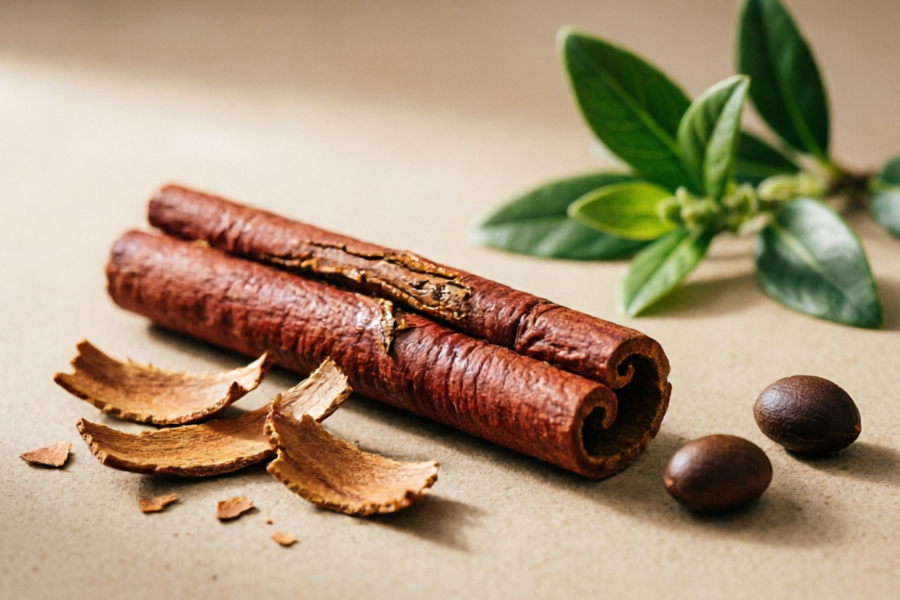
In the theory of traditional Chinese medicine, cinnamon bark is pungent and warm in nature, returns to the kidney, spleen, and heart meridians, and is often used to relieve pain.Stomach cold, abdominal pain, cold limbsand other symptoms. Its volatile oil components (such as cinnamaldehyde) can dilate blood vessels and improve blood circulation, which is especially suitable for people with weak constitution. Folks often use cinnamon to make tea or put it into soup to help treat the symptoms of chills in the early stages of colds and colds. It should be noted that people with yin deficiency and excessive fire should use it with caution to avoid aggravating internal heat.
Improves Digestion and Metabolism: Supported by Modern Research
Modern nutrition has found that cinnamon canStimulate gastric juice secretion, enhance lipolytic enzyme activity and help relieve bloating. A 2013 study in the "Journal of Nutrition" showed that cinnamon extract can reduce the rate of rise in blood sugar after a meal by about 30% (see table below). In addition, its fiber content helps intestinal peristalsis, but excess may cause mucosal irritation. It is recommended that the daily dosage does not exceed 2-4 grams.
| research indicators | Data results | sample size |
|---|---|---|
| Postprandial blood sugar drop | about 30% | 60 volunteers |
| Increased gastric emptying speed | 15-20% | animal experiments |
Antioxidants and antimicrobials: laboratory evidence
Cinnamon's polyphenols (such as proanthocyanidins) have significant antioxidant capacity, with an ORAC value (antioxidant index) as high as 267,536, which is 20 times that of blueberries. In vitro experiments also showed that cinnamaldehyde hasStaphylococcus aureus, Escherichia coliIt has an inhibitory effect on common pathogenic bacteria, which explains the scientific reason why cinnamon is used to marinate meat in traditional cooking. However, the concentration in daily diet is low and cannot replace drug treatment.
Appropriate Use: Balancing Benefits and Contraindications
Taken together, cinnamon is a typical representative of the same source of medicine and food, and is suitable as an auxiliary conditioning ingredient. Please note when using:Pregnant women and patients with bleeding disordersLarge amounts of cinnamon should be avoided; high-quality cinnamon is preferably gray-brown on the outside, red-brown on the inside, and rich in aroma. It is recommended to mix it with ginger, red dates, etc. to enhance the warming effect, or grind it into powder and add it to oatmeal to balance health and flavor.
Quote sources:
1. "Chinese Materia Medica" Volume 3, China Traditional Chinese Medicine Press
2. Paper published in the American Journal of Nutrition in 2013 (Author: Dr. Richard Anderson)
3. 2017 Research Report on Antibacterial Ingredients by the Department of Food and Nutrition, Seoul National University, South Korea
Relevant knowledge
- 2026-09-30The efficacy and function of Baiziren
- 2026-09-30The efficacy and function of plum slices
- 2026-09-30Efficacy and functions of Kochia bark
- 2026-09-29Efficacy and functions of Baiziren
- 2026-09-29Eclipta Eclipta efficacy and functions
- 2026-09-29Function and role of hippocampus
- 2026-09-29The effects and functions of fragrant fruit
- 2026-09-28Efficacy and functions of Cistanche deserticola
- 2026-09-28White peony effect and function
- 2026-09-28Efficacy and functions of Wu Hua Xue Teng
- 2026-09-28The efficacy and function of Tianqingdibai
- 2026-09-28The efficacy and functions of wild buckwheat root
- 2026-09-28Efficacy and functions of forged amethyst
- 2026-09-27Effects and functions of leaf flowers
- 2026-09-27Efficacy and functions of traditional Chinese medicine Evodia Fructus
- 2026-09-27The efficacy and function of black tiger root
- 2026-09-26The benefits and functions of simmering nutmeg
- 2026-09-26The efficacy and function of dung beetles
Chinese medicinal materials
More-
View
The efficacy and function of Baiziren
Overview of the efficacy and functions of BaizirenBaiziren is the dried and mature seed kernel of Platycladus orientalis, a plant in the Cupressaceae family. Traditional Chinese medicine believes that it is flat in nature and sweet in taste, and can be used to regulate the heart, kidney, and large intestine meridians.Nourish the heart and calm the nerves, moisturize the intestines and relieve constipation, and nourish the liver and kidneysand other effects.Modern research shows that cypress seed
-
View
The efficacy and function of plum slices
Overview of the effects and functions of plum slicesPlum slices, also known as borneol or dipterocarp, is a traditional Chinese medicinal material that has the effects of rejuvenating the mind, clearing away heat and relieving pain, reducing swelling and promoting muscle growth.Its main component is dextroborneol, which is widely used in the fields of medicine, cosmetics and spices.The core functions of plum slices include relieving headaches, anti-inflammatory and sterilizing, promoting wound h
-
View
Efficacy and functions of Kochia bark
Overview of the efficacy and functions of Kochia barkKochia bark, also known as broom seedling, is a commonly used medicinal material in traditional Chinese medicine for clearing away heat and promoting dampness.Diuretic and relieve stranguria, dispel wind and relieve itching, clear away heat and detoxifyand other effects.It mainly acts on urinary system inflammation, skin itching and damp-heat jaundice, and is widely used clinically.Secondary functions include assisting in lowering blood sugar,
-
View
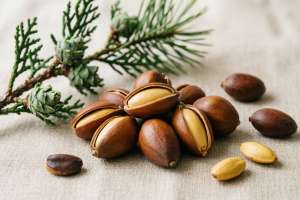
Efficacy and functions of Baiziren
Overview of the efficacy and functions of BaizirenBaiziren is the dried and mature seed kernel of Platycladus orientalis, a plant in the Cupressaceae family. Traditional Chinese medicine believes that it is flat in nature and sweet in taste, and can be used to regulate the heart, kidney, and large intestine meridians.Nourish the heart and calm the nerves, moisturize the intestines and relieve constipation, and nourish the liver and kidneysand other effects.Its main functions include improving sy
-
View
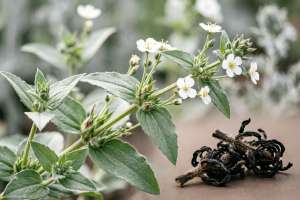
Eclipta Eclipta efficacy and functions
Overview of the efficacy and functions of EcliptaEclipta, also known as Eclipta or Eclipta, is a commonly used medicinal material in traditional Chinese medicine to nourish the liver and kidneys, cool blood and stop bleeding.Its core functions includeNourishes yin and nourishes kidney, blackens beard and hair, stops bleeding and reduces inflammation, the secondary effects involve improving hair loss, relieving gum bleeding and skin eczema.The primary and secondary structure is clear: liver and k
-

View
Function and role of hippocampus
Overview of the functions and functions of the hippocampusSeahorse is a precious marine creature recognized for its many benefits in both traditional medicine and modern research.Its main functions includeReplenishing kidneys and strengthening yang, anti-fatigue, regulating immunity, antioxidantetc., especially the effect of nourishing kidney and replenishing qi is the most prominent.In addition, the hippocampus also plays a certain role in improving blood circulation and relieving neurasthenia.
-
View
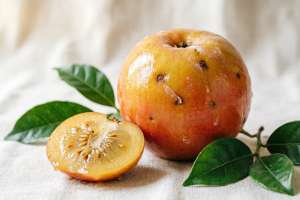
The effects and functions of fragrant fruit
Overview of the effects and functions of fragrant fruitXiangguo, also known as Ligusticum chuanxiong or Shannai, is a plant with both medicinal and edible value, and its rhizomes are often used in traditional Chinese medicine.Its main functions includePromotes blood circulation and removes blood stasis, dispels wind and relieves pain, improves blood circulation, the secondary effects involve relieving headaches, joint pain and women’s menstrual discomfort.The active ingredients of xiangguo, su
-
View
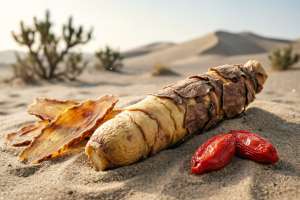
Efficacy and functions of Cistanche deserticola
Overview of the efficacy and functions of Cistanche deserticolaCistanche deserticola, also known as Cistanche deserticola, is a traditional Chinese medicinal material mainly produced in desert areas and is known as "desert ginseng".Its core functions includeReplenishing kidney yang, replenishing essence and blood, moistening intestines and laxative, the secondary effects involve anti-aging, regulating immunity, etc.This article will start from its medicinal value, suitable people, usage methods
-
View
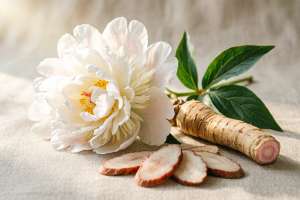
White peony effect and function
Overview of the efficacy and functions of white peony rootWhite peony root is a commonly used blood-nourishing and menstrual-regulating medicine in traditional Chinese medicine.Nourishes blood and softens liver, relieves pain, astringes yin and stops sweatingIt has core functions such as irregular menstruation, hypochondriac pain, spontaneous sweating and night sweats.Its functions can be divided into two categories: primary and secondary:Main functionsIncluding regulating female endocrine, reli
-
View
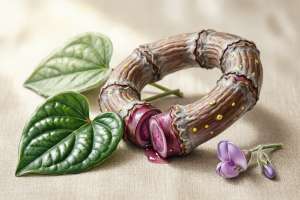
Efficacy and functions of Wu Hua Xue Teng
Overview of the efficacy and functions of SpatholobusFive-flowered bloodvine is a traditional Chinese medicinal material, which mainly hasPromotes blood circulation and removes blood stasis, unblocks collaterals to relieve pain, expels wind and removes dampnessIt has other effects and is often used to treat rheumatic arthralgia, bruises and irregular menstruation.Its core function is to promote blood circulation, relieve inflammation and pain, and its secondary functions include assisting in reg
-
View
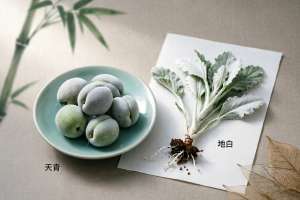
The efficacy and function of Tianqingdibai
Overview of the efficacy and functions of TianqingdibaiTianqing Dibai is a traditional Chinese medicinal material that has the effects of clearing heat and detoxifying, cooling blood and stopping bleeding, reducing swelling and dissipating stagnation. It is often used to treat sore throat, carbuncle sores, bruises and other diseases.Its main components include flavonoids, organic acids and other active substances. Modern research shows that it has certain anti-inflammatory and antibacterial effe
-
View
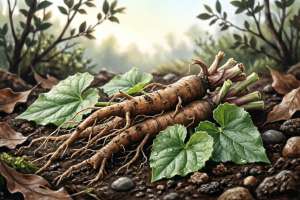
The efficacy and functions of wild buckwheat root
Overview of the efficacy and functions of wild buckwheat rootWild buckwheat root, also known as golden buckwheat, is a traditional Chinese medicinal material that has the functions of clearing heat and detoxifying, activating blood circulation and removing blood stasis, strengthening the spleen and digesting food.Modern research shows that it is rich in active ingredients such as flavonoids and phenolic acids, which has a certain auxiliary effect on respiratory infections, inflammation and diges