
- Current location:Home page >> health information
What should we pay attention to during physical examination for the elderly?
2026-05-18 16:45:37
Precautions for physical examination of the elderly: primary and secondary content structure
Physical examinations for the elderly need to focus onChronic disease screening, organ function assessment and early cancer detection, while adjusting items based on individual medical history. The main contents include:Blood pressure, blood sugar, and blood lipid testing(Basic project),Cardiovascular and cerebrovascular examination(such as electrocardiogram, carotid artery ultrasound),Bone density measurement(prevention of osteoporosis) andTumor marker screening(Such as gastroenteroscopy, PSA testing). Secondary programs cover vision, hearing, oral examinations and mental health assessments. You need to fast for 8 hours before the physical examination, avoid strenuous exercise, and bring past medical records for the doctor's reference.
1. Basic projects and chronic disease management
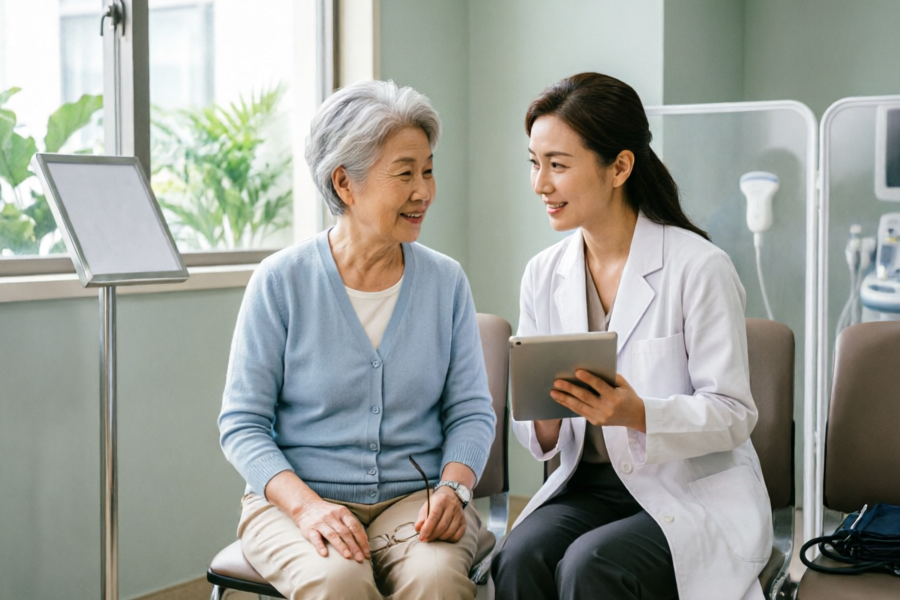
Older adults should be tested annuallyblood pressure, blood sugar, blood lipids, patients with hypertension need to increase dynamic blood pressure monitoring. Diabetes screening recommendations includeGlycated hemoglobin (HbA1c), more accurately reflects long-term glycemic control. Blood lipid examination requires attentionLow density lipoprotein (LDL)Levels exceeding 3.4mmol/L require intervention. Patients with chronic diseases should communicate with their doctors before physical examination to avoid discontinuation of medication that may affect the results. For example, antihypertensive medications usually need to be taken as normal, but antihyperglycemic medications may need to be adjusted temporarily.
2. Cardiovascular and bone health specialties
Cardiovascular and cerebrovascular examination recommendationsElectrocardiogram (resting + dynamic)andcarotid artery ultrasound, screening for atrial fibrillation, arteriosclerosis and other risks. People over 65 years old should increaseBone density testing (DXA method), if the T value is ≤-2.5, anti-osteoporosis treatment is required. Liu Xiaohong, director of the Department of Geriatric Medicine at Peking Union Medical College Hospital, suggested: "Calcium supplementation for the elderly needs to be combined with vitamin D3, and the daily dose is recommended to be 600-800IU." At the same time, those with joint pain should take moreKnee X-ray or MRI.
3. Tumor screening and personalized projects
Cancer screening needs to be tailored to gender and family history: men should be tested regularly after age 50Prostate-specific antigen (PSA), women needMammography+ultrasoundJoint inspection. Gastrointestinal endoscopy is recommended every 3-5 years, and polyps should be removed promptly if found. Those with a history of smoking need to addLow-dose lung CT. Research from Shanghai Ruijin Hospital shows that early gastric cancer screening can reduce mortality by 40%. If the physical examination report is abnormal, further examination is required under the guidance of a specialist.
Summary and implementation recommendations
Physical examination for the elderly should follow"Basic + Specialized + Personalized"In principle, priority is given to covering the three high diseases, heart and brain, bone and tumor projects. Careful selection of physical examination institutions is requiredNational Health Commission certificationPublic hospitals or professional physical examination centers (such as Meinian Health, Aikang Guobin). The Chinese Geriatrics Society recommends: "Old people over 70 years old should have physical examinations twice a year, focusing on fall risk and cognitive function." After the physical examination, establish a health file, dynamically track changes in indicators, and adjust treatment plans in a timely manner.
| Project | Recommended frequency | Critical value reference |
|---|---|---|
| blood pressure measurement | 1 time per month | ≥140/90mmHg requires medical attention |
| fasting blood glucose | 1 time per year | ≥6.1mmol/L requires review |
| Bone density testing | Once every 2 years | T-score ≤-2.5 diagnoses osteoporosis |
| gastrointestinal endoscopy | Once every 3-5 years | Polyps are found and need to be removed |
Quote sources:
1. "Healthy Physical Examination Guidelines for the Elderly in China" (Geriatric Medicine Branch of the Chinese Medical Association, 2022 Edition)
2. Interview with Liu Xiaohong, Director of the Geriatric Medicine Department of Peking Union Medical College Hospital ("Health News" 2023.6)
3. Shanghai Ruijin Hospital "Multi-center Study on Early Screening for Gastric Cancer" (2021 data)
4. Certified physical examination institutions: Meinian Health (listed company, stock code 002044), Aikang Guobin (NASDAQ: KANG)
Relevant knowledge
- 2026-10-01How do women take care of their skin scientifically?
- 2026-10-01What is female beauty?
- 2026-09-30How can women supplement calcium scientifically?
- 2026-09-30What is calcium supplementation?
- 2026-09-30How often should bone density checks be done?
- 2026-09-29How to prevent osteoporosis?
- 2026-09-29Why are women prone to osteoporosis?
- 2026-09-29What is osteoporosis?
- 2026-09-28Is hormone replacement therapy safe?
- 2026-09-28What is hormone replacement therapy?
- 2026-09-28How to manage menopause?
- 2026-09-28What are the symptoms of menopause?
- 2026-09-28What is menopause?
- 2026-09-28What does a postpartum review include?
- 2026-09-27What is a postpartum review?
- 2026-09-27Is pelvic floor muscle repair necessary?
- 2026-09-27What is postpartum pelvic floor muscle repair?
- 2026-09-27How to lose weight scientifically after giving birth?
Chinese medicinal materials
More-
View
The efficacy and function of purple beads
Overview of the efficacy and functions of purple beadsPurpurea is a plant with medicinal value. Its leaves, roots and fruits can be used as medicine. Its main functions includeStop bleeding, reduce inflammation, clear away heat and detoxify, dissipate blood stasis and reduce swellingWait.In traditional medicine, purple pearls are often used to treat symptoms such as traumatic bleeding, bruises, and sore throat. Modern research has also found that it contains active ingredients such as flavonoids
-
View
The efficacy and function of locust bean
Overview of the efficacy and functions of locust beanSophora bean, also known as Sophora japonica or Sophora japonica, is the mature fruit of Sophora japonica tree, a leguminous plant, and has various medicinal values in traditional medicine.Its main functions includeClears away heat and cools blood, moisturizes intestines and relieves constipation, lowers blood pressure, and resists oxidationetc., suitable for relieving symptoms such as hemorrhoids, bloody stools, and high blood pressure.Modern
-
View
The efficacy and function of Baiziren
Overview of the efficacy and functions of BaizirenBaiziren is the dried and mature seed kernel of Platycladus orientalis, a plant in the Cupressaceae family. Traditional Chinese medicine believes that it is flat in nature and sweet in taste, and can be used to regulate the heart, kidney, and large intestine meridians.Nourish the heart and calm the nerves, moisturize the intestines and relieve constipation, and nourish the liver and kidneysand other effects.Modern research shows that cypress seed
-
View
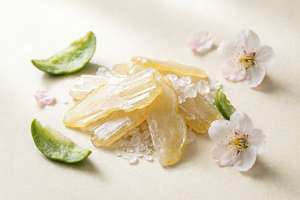
The efficacy and function of plum slices
Overview of the effects and functions of plum slicesPlum slices, also known as borneol or dipterocarp, is a traditional Chinese medicinal material that has the effects of rejuvenating the mind, clearing away heat and relieving pain, reducing swelling and promoting muscle growth.Its main component is dextroborneol, which is widely used in the fields of medicine, cosmetics and spices.The core functions of plum slices include relieving headaches, anti-inflammatory and sterilizing, promoting wound h
-
View
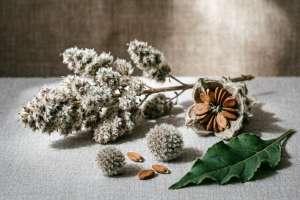
Efficacy and functions of Kochia bark
Overview of the efficacy and functions of Kochia barkKochia bark, also known as broom seedling, is a commonly used medicinal material in traditional Chinese medicine for clearing away heat and promoting dampness.Diuretic and relieve stranguria, dispel wind and relieve itching, clear away heat and detoxifyand other effects.It mainly acts on urinary system inflammation, skin itching and damp-heat jaundice, and is widely used clinically.Secondary functions include assisting in lowering blood sugar,
-
View
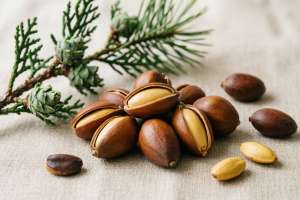
Efficacy and functions of Baiziren
Overview of the efficacy and functions of BaizirenBaiziren is the dried and mature seed kernel of Platycladus orientalis, a plant in the Cupressaceae family. Traditional Chinese medicine believes that it is flat in nature and sweet in taste, and can be used to regulate the heart, kidney, and large intestine meridians.Nourish the heart and calm the nerves, moisturize the intestines and relieve constipation, and nourish the liver and kidneysand other effects.Its main functions include improving sy
-
View
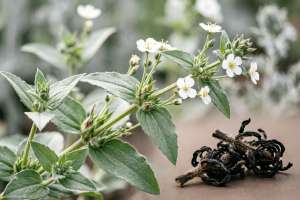
Eclipta Eclipta efficacy and functions
Overview of the efficacy and functions of EcliptaEclipta, also known as Eclipta or Eclipta, is a commonly used medicinal material in traditional Chinese medicine to nourish the liver and kidneys, cool blood and stop bleeding.Its core functions includeNourishes yin and nourishes kidney, blackens beard and hair, stops bleeding and reduces inflammation, the secondary effects involve improving hair loss, relieving gum bleeding and skin eczema.The primary and secondary structure is clear: liver and k
-

View
Function and role of hippocampus
Overview of the functions and functions of the hippocampusSeahorse is a precious marine creature recognized for its many benefits in both traditional medicine and modern research.Its main functions includeReplenishing kidneys and strengthening yang, anti-fatigue, regulating immunity, antioxidantetc., especially the effect of nourishing kidney and replenishing qi is the most prominent.In addition, the hippocampus also plays a certain role in improving blood circulation and relieving neurasthenia.
-
View
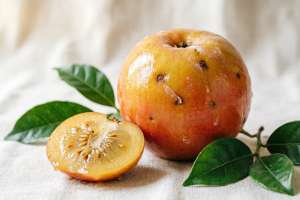
The effects and functions of fragrant fruit
Overview of the effects and functions of fragrant fruitXiangguo, also known as Ligusticum chuanxiong or Shannai, is a plant with both medicinal and edible value, and its rhizomes are often used in traditional Chinese medicine.Its main functions includePromotes blood circulation and removes blood stasis, dispels wind and relieves pain, improves blood circulation, the secondary effects involve relieving headaches, joint pain and women’s menstrual discomfort.The active ingredients of xiangguo, su
-
View
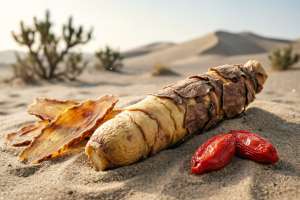
Efficacy and functions of Cistanche deserticola
Overview of the efficacy and functions of Cistanche deserticolaCistanche deserticola, also known as Cistanche deserticola, is a traditional Chinese medicinal material mainly produced in desert areas and is known as "desert ginseng".Its core functions includeReplenishing kidney yang, replenishing essence and blood, moistening intestines and laxative, the secondary effects involve anti-aging, regulating immunity, etc.This article will start from its medicinal value, suitable people, usage methods
-
View
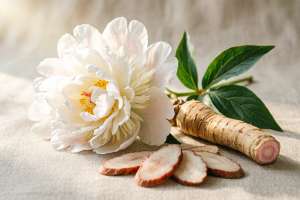
White peony effect and function
Overview of the efficacy and functions of white peony rootWhite peony root is a commonly used blood-nourishing and menstrual-regulating medicine in traditional Chinese medicine.Nourishes blood and softens liver, relieves pain, astringes yin and stops sweatingIt has core functions such as irregular menstruation, hypochondriac pain, spontaneous sweating and night sweats.Its functions can be divided into two categories: primary and secondary:Main functionsIncluding regulating female endocrine, reli
-
View
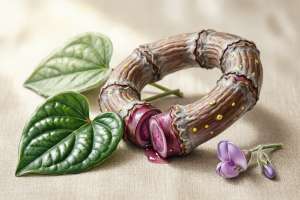
Efficacy and functions of Wu Hua Xue Teng
Overview of the efficacy and functions of SpatholobusFive-flowered bloodvine is a traditional Chinese medicinal material, which mainly hasPromotes blood circulation and removes blood stasis, unblocks collaterals to relieve pain, expels wind and removes dampnessIt has other effects and is often used to treat rheumatic arthralgia, bruises and irregular menstruation.Its core function is to promote blood circulation, relieve inflammation and pain, and its secondary functions include assisting in reg