
- Current location:Home page >> health information
What are the symptoms of menopause?
2026-09-28 09:29:28
Overview of menopausal symptoms: primary and secondary structure and manifestations
Menopause is a physiological transition period for women, which mainly causes a series of symptoms due to decline in ovarian function and changes in hormone levels.The core performance isHot flashes, night sweats, mood swings, menstrual disorders, secondary symptoms include insomnia, joint pain, vaginal dryness, etc.Symptom severity varies from person to person, and some women may be at increased cardiovascular or osteoporosis risk.Understanding the correlation between these symptoms can help provide targeted treatment and improve quality of life.
Hot Flashes and Menstrual Disorders: An Analysis of Typical Symptoms

Hot flashes are the most prominent symptom of menopause. About 75% of women will experience sudden fever, flushing and sweating, which lasts from seconds to minutes and is likely to worsen at night.Menstrual irregularities are another sign, with the cycle shortening or lengthening, the amount of menstruation decreasing until menopause.These changes are directly related to the decline in estrogen and may last for 1-3 years.It is recommended to record the frequency of symptoms and, if necessary, consult a doctor to evaluate the suitability of hormone replacement therapy (HRT).
Mood and sleep problems: dual psychological and physiological effects
Fluctuations in estrogen can easily cause emotional instability, such as anxiety, irritability, or depression, and some women may experience increased psychological burden due to changes in social roles.At the same time, reduced melatonin secretion leads to insomnia or light sleep, forming a vicious cycle of "hot flashes-insomnia-fatigue".Stress can be relieved through regular exercise and meditation. In severe cases, psychological intervention or short-term drug assistance is required.
Long-term health risks and coping strategies
Estrogen deficiency after menopause may accelerate bone loss and increase the risk of fractures; the weakened cardiovascular protective effect may also increase the probability of hypertension and arteriosclerosis.It is recommended to increase calcium intake (such as milk, soy products), moderate weight-bearing exercise, and regularly test bone density and blood lipids.Urogenital problems such as vaginal dryness can be improved with topical estrogen ointments or lubricants.
Comprehensive management and scientific cognition
Menopausal symptoms require multi-dimensional management: dietary supplementation with vitamin D and Omega-3 to avoid alcohol and caffeine-induced hot flashes; maintaining social and interest activities in lifestyle to reduce loneliness; medical intervention requires individualized evaluation.By facing this natural stage and combining modern medicine with traditional conditioning, most women can make a smooth transition.
| Symptoms | incidence | high incidence stage |
|---|---|---|
| Hot flashes and night sweats | 70%-80% | 1 year before menopause to 2 years after menopause |
| mood swings | 50%-60% | 3 years before and after menopause |
| insomnia | 40%-50% | 1-5 years after menopause |
| joint pain | 30%-40% | More than 5 years after menopause |
Quote sources:
1. "Chinese Menopause Management Guidelines (2021 Edition)" by the Obstetrics and Gynecology Branch of the Chinese Medical Association
2. Menopausal health recommendations from the American College of Obstetricians and Gynecologists (ACOG)
3. Clinical research on hormone therapy by Professor JoAnn Manson of Harvard Medical School
4. Related products:
- Hormone replacement drugs: manufactured by BayerClint(Climen)
- Non-hormonal conditioning: manufactured by PfizerLivmin(Remifemin)
Relevant knowledge
- 2026-10-01What is female beauty?
- 2026-09-30How can women supplement calcium scientifically?
- 2026-09-30What is calcium supplementation?
- 2026-09-30How often should bone density checks be done?
- 2026-09-29How to prevent osteoporosis?
- 2026-09-29Why are women prone to osteoporosis?
- 2026-09-29What is osteoporosis?
- 2026-09-28Is hormone replacement therapy safe?
- 2026-09-28What is hormone replacement therapy?
- 2026-09-28How to manage menopause?
- 2026-09-28What are the symptoms of menopause?
- 2026-09-28What is menopause?
- 2026-09-28What does a postpartum review include?
- 2026-09-27What is a postpartum review?
- 2026-09-27Is pelvic floor muscle repair necessary?
- 2026-09-27What is postpartum pelvic floor muscle repair?
- 2026-09-27How to lose weight scientifically after giving birth?
- 2026-09-26What is postpartum weight loss?
Chinese medicinal materials
More-

View
The efficacy and function of Baiziren
Overview of the efficacy and functions of BaizirenBaiziren is the dried and mature seed kernel of Platycladus orientalis, a plant in the Cupressaceae family. Traditional Chinese medicine believes that it is flat in nature and sweet in taste, and can be used to regulate the heart, kidney, and large intestine meridians.Nourish the heart and calm the nerves, moisturize the intestines and relieve constipation, and nourish the liver and kidneysand other effects.Modern research shows that cypress seed
-

View
The efficacy and function of plum slices
Overview of the effects and functions of plum slicesPlum slices, also known as borneol or dipterocarp, is a traditional Chinese medicinal material that has the effects of rejuvenating the mind, clearing away heat and relieving pain, reducing swelling and promoting muscle growth.Its main component is dextroborneol, which is widely used in the fields of medicine, cosmetics and spices.The core functions of plum slices include relieving headaches, anti-inflammatory and sterilizing, promoting wound h
-

View
Efficacy and functions of Kochia bark
Overview of the efficacy and functions of Kochia barkKochia bark, also known as broom seedling, is a commonly used medicinal material in traditional Chinese medicine for clearing away heat and promoting dampness.Diuretic and relieve stranguria, dispel wind and relieve itching, clear away heat and detoxifyand other effects.It mainly acts on urinary system inflammation, skin itching and damp-heat jaundice, and is widely used clinically.Secondary functions include assisting in lowering blood sugar,
-

View
Efficacy and functions of Baiziren
Overview of the efficacy and functions of BaizirenBaiziren is the dried and mature seed kernel of Platycladus orientalis, a plant in the Cupressaceae family. Traditional Chinese medicine believes that it is flat in nature and sweet in taste, and can be used to regulate the heart, kidney, and large intestine meridians.Nourish the heart and calm the nerves, moisturize the intestines and relieve constipation, and nourish the liver and kidneysand other effects.Its main functions include improving sy
-

View
Eclipta Eclipta efficacy and functions
Overview of the efficacy and functions of EcliptaEclipta, also known as Eclipta or Eclipta, is a commonly used medicinal material in traditional Chinese medicine to nourish the liver and kidneys, cool blood and stop bleeding.Its core functions includeNourishes yin and nourishes kidney, blackens beard and hair, stops bleeding and reduces inflammation, the secondary effects involve improving hair loss, relieving gum bleeding and skin eczema.The primary and secondary structure is clear: liver and k
-

View
Function and role of hippocampus
Overview of the functions and functions of the hippocampusSeahorse is a precious marine creature recognized for its many benefits in both traditional medicine and modern research.Its main functions includeReplenishing kidneys and strengthening yang, anti-fatigue, regulating immunity, antioxidantetc., especially the effect of nourishing kidney and replenishing qi is the most prominent.In addition, the hippocampus also plays a certain role in improving blood circulation and relieving neurasthenia.
-

View
The effects and functions of fragrant fruit
Overview of the effects and functions of fragrant fruitXiangguo, also known as Ligusticum chuanxiong or Shannai, is a plant with both medicinal and edible value, and its rhizomes are often used in traditional Chinese medicine.Its main functions includePromotes blood circulation and removes blood stasis, dispels wind and relieves pain, improves blood circulation, the secondary effects involve relieving headaches, joint pain and women’s menstrual discomfort.The active ingredients of xiangguo, su
-

View
Efficacy and functions of Cistanche deserticola
Overview of the efficacy and functions of Cistanche deserticolaCistanche deserticola, also known as Cistanche deserticola, is a traditional Chinese medicinal material mainly produced in desert areas and is known as "desert ginseng".Its core functions includeReplenishing kidney yang, replenishing essence and blood, moistening intestines and laxative, the secondary effects involve anti-aging, regulating immunity, etc.This article will start from its medicinal value, suitable people, usage methods
-

View
White peony effect and function
Overview of the efficacy and functions of white peony rootWhite peony root is a commonly used blood-nourishing and menstrual-regulating medicine in traditional Chinese medicine.Nourishes blood and softens liver, relieves pain, astringes yin and stops sweatingIt has core functions such as irregular menstruation, hypochondriac pain, spontaneous sweating and night sweats.Its functions can be divided into two categories: primary and secondary:Main functionsIncluding regulating female endocrine, reli
-

View
Efficacy and functions of Wu Hua Xue Teng
Overview of the efficacy and functions of SpatholobusFive-flowered bloodvine is a traditional Chinese medicinal material, which mainly hasPromotes blood circulation and removes blood stasis, unblocks collaterals to relieve pain, expels wind and removes dampnessIt has other effects and is often used to treat rheumatic arthralgia, bruises and irregular menstruation.Its core function is to promote blood circulation, relieve inflammation and pain, and its secondary functions include assisting in reg
-
View
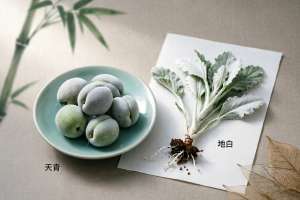
The efficacy and function of Tianqingdibai
Overview of the efficacy and functions of TianqingdibaiTianqing Dibai is a traditional Chinese medicinal material that has the effects of clearing heat and detoxifying, cooling blood and stopping bleeding, reducing swelling and dissipating stagnation. It is often used to treat sore throat, carbuncle sores, bruises and other diseases.Its main components include flavonoids, organic acids and other active substances. Modern research shows that it has certain anti-inflammatory and antibacterial effe
-

View
The efficacy and functions of wild buckwheat root
Overview of the efficacy and functions of wild buckwheat rootWild buckwheat root, also known as golden buckwheat, is a traditional Chinese medicinal material that has the functions of clearing heat and detoxifying, activating blood circulation and removing blood stasis, strengthening the spleen and digesting food.Modern research shows that it is rich in active ingredients such as flavonoids and phenolic acids, which has a certain auxiliary effect on respiratory infections, inflammation and diges