
- Current location:Home page >> health information
What is carotid artery ultrasound?
2026-05-29 23:48:37
Carotid artery color ultrasound: the “see-through eye” for non-invasive vascular examination
Carotid artery color ultrasound is an imaging examination that uses ultrasound technology to evaluate the structure and blood flow of the carotid arteries. It is mainly used to screen for vascular diseases such as atherosclerosis, plaque formation, and stenosis. Its core value lies inNon-invasive, safe, real-time imaging, is an important means of early prevention of cardiovascular and cerebrovascular diseases. The primary and secondary content structure is as follows:Definition and Principle(Basic) →Inspection Purpose and Applicable Population(Core) →Operation procedures and precautions(Practical) →Clinical significance and limitations(extension).
Paragraph 2: Definition and Principle—Vascular “Map” under Ultrasound
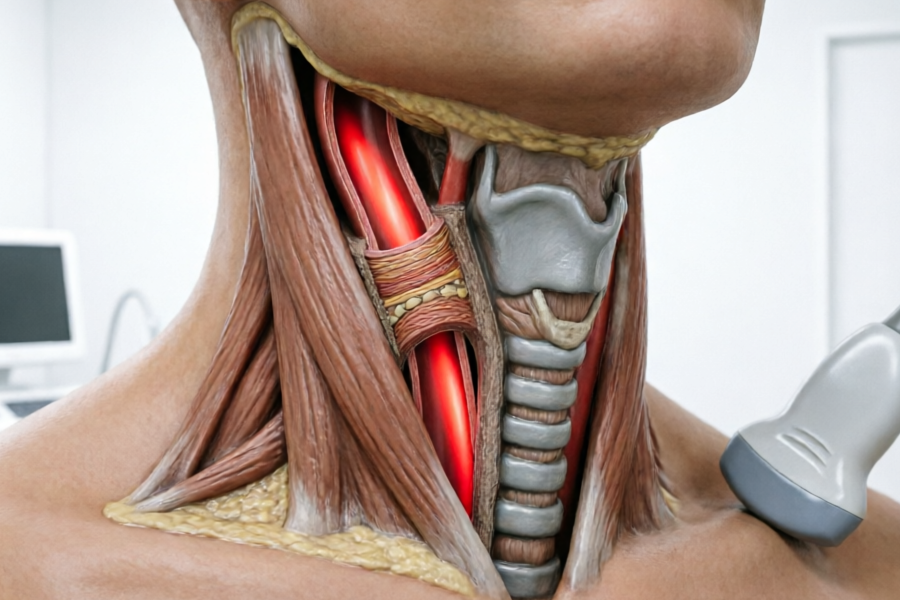
The full name of carotid artery color ultrasound"Carotid artery color Doppler ultrasound", which combines B-ultrasound imaging and Doppler blood flow detection technology. The probe emits high-frequency sound waves and generates cross-sectional images of blood vessels (B-ultrasound) through reflected signals. At the same time, the Doppler effect can capture the speed and direction of blood flow (color ultrasound), and finally forms"Structure + blood flow" dual-dimensional report. For example, red represents blood flow toward the probe, blue represents the opposite, and plaques will appear as abnormal echogenic masses on the vessel wall. The technology is recommended by the American College of Cardiology and equipment manufacturers such asGE Healthcare (LOGIQ series), Philips (EPIQ series)etc. are all produced.
Paragraph 3: Purpose of examination and suitable population – who needs this examination?
Carotid artery color ultrasound mainly serves three groups of people:①Those with high risk factors such as high blood pressure and diabetes;②Those who have symptoms of dizziness or transient cerebral ischemia;③Postoperative follow-up of patients. Its core goal is to discoveratherosclerotic plaque(especially vulnerable plaques), assess the degree of stenosis (if >50% requires intervention). According to the "China Stroke Prevention and Treatment Guidelines", people over 40 years old with two risk factors should be screened regularly. There is no radiation during the examination, but those with open wounds or severe calcification in the neck may affect the accuracy of the results.
Paragraph 4: Operational procedures and precautions - an easy 10-minute inspection
The examination process only takes 10-15 minutes: the patient lies on his back, the neck is exposed, and the doctor applies coupling agent and then slides the probe. Need to pay attentionAvoid wearing high-necked clothing on the day of inspection, andNo need to fast before the test. Interpretation of results requires a combination of multiple parameters, such asIntima-media thickness (IMT)(Normal <1.0mm),Peak flow velocity (PSV)(Normal <125cm/s) etc. Some primary hospitals may use domestic equipment such asMindray (DC-80), but the diagnostic standards are consistent with those of tertiary hospitals.
Paragraph 5: Clinical significance and limitations—not a “master key”
Carotid artery color ultrasound can prevent stroke"The first line of defense", but its limitations are:①Unable to evaluate intracranial blood vessels(Need to cooperate with TCD);②Significantly affected by operator experience. Professor at Beijing Anzhen HospitalZhou YujieZeng pointed out: "After the plaque is discovered by color ultrasound, the nature should be further clarified through CTA or DSA." Currently, this technology has been included in physical examination packages in many places, with a single cost of about 200-400 yuan, and is usually reimbursed by medical insurance.
Quote sources:
1. "Guidelines for the Prevention and Treatment of Stroke in China (2021 Edition)" - National Health Commission
2. American Heart Association (AHA) "Applicable Standards for Cardiovascular Imaging Examinations"
3. Zhou Yujie, "Clinical Diagnosis and Treatment of Carotid Atherosclerosis", People's Medical Publishing House
4. Equipment manufacturers: GE Healthcare (product: LOGIQ E10), Philips (EPIQ 7), Mindray (DC-80)
| Key parameters | normal value range |
|---|---|
| IMT (intima-media thickness) | <1.0mm |
| PSV (Peak Systolic Velocity) | <125cm/s |
| Plaque size (high risk threshold) | >4mm or stenosis >50% |
Relevant knowledge
- 2026-10-01How do women take care of their skin scientifically?
- 2026-10-01What is female beauty?
- 2026-09-30How can women supplement calcium scientifically?
- 2026-09-30What is calcium supplementation?
- 2026-09-30How often should bone density checks be done?
- 2026-09-29How to prevent osteoporosis?
- 2026-09-29Why are women prone to osteoporosis?
- 2026-09-29What is osteoporosis?
- 2026-09-28Is hormone replacement therapy safe?
- 2026-09-28What is hormone replacement therapy?
- 2026-09-28How to manage menopause?
- 2026-09-28What are the symptoms of menopause?
- 2026-09-28What is menopause?
- 2026-09-28What does a postpartum review include?
- 2026-09-27What is a postpartum review?
- 2026-09-27Is pelvic floor muscle repair necessary?
- 2026-09-27What is postpartum pelvic floor muscle repair?
- 2026-09-27How to lose weight scientifically after giving birth?
Chinese medicinal materials
More-

View
The efficacy and function of purple beads
Overview of the efficacy and functions of purple beadsPurpurea is a plant with medicinal value. Its leaves, roots and fruits can be used as medicine. Its main functions includeStop bleeding, reduce inflammation, clear away heat and detoxify, dissipate blood stasis and reduce swellingWait.In traditional medicine, purple pearls are often used to treat symptoms such as traumatic bleeding, bruises, and sore throat. Modern research has also found that it contains active ingredients such as flavonoids
-
View
The efficacy and function of locust bean
Overview of the efficacy and functions of locust beanSophora bean, also known as Sophora japonica or Sophora japonica, is the mature fruit of Sophora japonica tree, a leguminous plant, and has various medicinal values in traditional medicine.Its main functions includeClears away heat and cools blood, moisturizes intestines and relieves constipation, lowers blood pressure, and resists oxidationetc., suitable for relieving symptoms such as hemorrhoids, bloody stools, and high blood pressure.Modern
-
View
The efficacy and function of Baiziren
Overview of the efficacy and functions of BaizirenBaiziren is the dried and mature seed kernel of Platycladus orientalis, a plant in the Cupressaceae family. Traditional Chinese medicine believes that it is flat in nature and sweet in taste, and can be used to regulate the heart, kidney, and large intestine meridians.Nourish the heart and calm the nerves, moisturize the intestines and relieve constipation, and nourish the liver and kidneysand other effects.Modern research shows that cypress seed
-
View
The efficacy and function of plum slices
Overview of the effects and functions of plum slicesPlum slices, also known as borneol or dipterocarp, is a traditional Chinese medicinal material that has the effects of rejuvenating the mind, clearing away heat and relieving pain, reducing swelling and promoting muscle growth.Its main component is dextroborneol, which is widely used in the fields of medicine, cosmetics and spices.The core functions of plum slices include relieving headaches, anti-inflammatory and sterilizing, promoting wound h
-
View
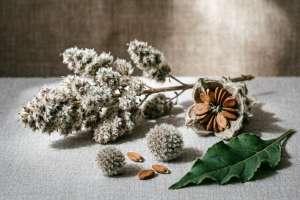
Efficacy and functions of Kochia bark
Overview of the efficacy and functions of Kochia barkKochia bark, also known as broom seedling, is a commonly used medicinal material in traditional Chinese medicine for clearing away heat and promoting dampness.Diuretic and relieve stranguria, dispel wind and relieve itching, clear away heat and detoxifyand other effects.It mainly acts on urinary system inflammation, skin itching and damp-heat jaundice, and is widely used clinically.Secondary functions include assisting in lowering blood sugar,
-
View
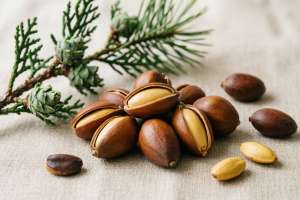
Efficacy and functions of Baiziren
Overview of the efficacy and functions of BaizirenBaiziren is the dried and mature seed kernel of Platycladus orientalis, a plant in the Cupressaceae family. Traditional Chinese medicine believes that it is flat in nature and sweet in taste, and can be used to regulate the heart, kidney, and large intestine meridians.Nourish the heart and calm the nerves, moisturize the intestines and relieve constipation, and nourish the liver and kidneysand other effects.Its main functions include improving sy
-

View
Eclipta Eclipta efficacy and functions
Overview of the efficacy and functions of EcliptaEclipta, also known as Eclipta or Eclipta, is a commonly used medicinal material in traditional Chinese medicine to nourish the liver and kidneys, cool blood and stop bleeding.Its core functions includeNourishes yin and nourishes kidney, blackens beard and hair, stops bleeding and reduces inflammation, the secondary effects involve improving hair loss, relieving gum bleeding and skin eczema.The primary and secondary structure is clear: liver and k
-

View
Function and role of hippocampus
Overview of the functions and functions of the hippocampusSeahorse is a precious marine creature recognized for its many benefits in both traditional medicine and modern research.Its main functions includeReplenishing kidneys and strengthening yang, anti-fatigue, regulating immunity, antioxidantetc., especially the effect of nourishing kidney and replenishing qi is the most prominent.In addition, the hippocampus also plays a certain role in improving blood circulation and relieving neurasthenia.
-
View
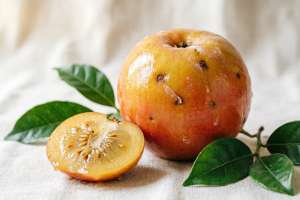
The effects and functions of fragrant fruit
Overview of the effects and functions of fragrant fruitXiangguo, also known as Ligusticum chuanxiong or Shannai, is a plant with both medicinal and edible value, and its rhizomes are often used in traditional Chinese medicine.Its main functions includePromotes blood circulation and removes blood stasis, dispels wind and relieves pain, improves blood circulation, the secondary effects involve relieving headaches, joint pain and women’s menstrual discomfort.The active ingredients of xiangguo, su
-
View
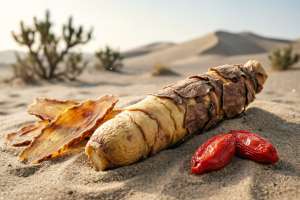
Efficacy and functions of Cistanche deserticola
Overview of the efficacy and functions of Cistanche deserticolaCistanche deserticola, also known as Cistanche deserticola, is a traditional Chinese medicinal material mainly produced in desert areas and is known as "desert ginseng".Its core functions includeReplenishing kidney yang, replenishing essence and blood, moistening intestines and laxative, the secondary effects involve anti-aging, regulating immunity, etc.This article will start from its medicinal value, suitable people, usage methods
-

View
White peony effect and function
Overview of the efficacy and functions of white peony rootWhite peony root is a commonly used blood-nourishing and menstrual-regulating medicine in traditional Chinese medicine.Nourishes blood and softens liver, relieves pain, astringes yin and stops sweatingIt has core functions such as irregular menstruation, hypochondriac pain, spontaneous sweating and night sweats.Its functions can be divided into two categories: primary and secondary:Main functionsIncluding regulating female endocrine, reli
-
View
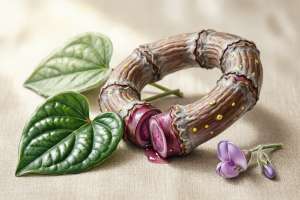
Efficacy and functions of Wu Hua Xue Teng
Overview of the efficacy and functions of SpatholobusFive-flowered bloodvine is a traditional Chinese medicinal material, which mainly hasPromotes blood circulation and removes blood stasis, unblocks collaterals to relieve pain, expels wind and removes dampnessIt has other effects and is often used to treat rheumatic arthralgia, bruises and irregular menstruation.Its core function is to promote blood circulation, relieve inflammation and pain, and its secondary functions include assisting in reg