
- Current location:Home page >> health information
What can NMR detect?
2026-06-04 07:50:40
What can MRI detect?
Magnetic resonance imaging (MRI) is a medical examination technology that uses magnetic fields and radio waves to produce detailed images of the inside of the human body. It is widely used for disease diagnosis and health assessment. It can clearly display soft tissue, nervous system, joints, internal organs and other structures, and has a high detection rate for tumors, inflammation, vascular lesions, neurological diseases, etc. The main inspection scope includes:Brain diseases (such as stroke, brain tumors), spinal lesions (such as herniated discs), joint injuries (such as torn ligaments), abdominal organ abnormalities (such as liver cysts), cardiovascular diseases (such as myocardial infarction)Wait. Compared with CT and X-ray, MRI has no radiation and has higher resolution of soft tissue, but the examination time is longer and the cost is higher.
Paragraph 2: Nervous system and brain examination
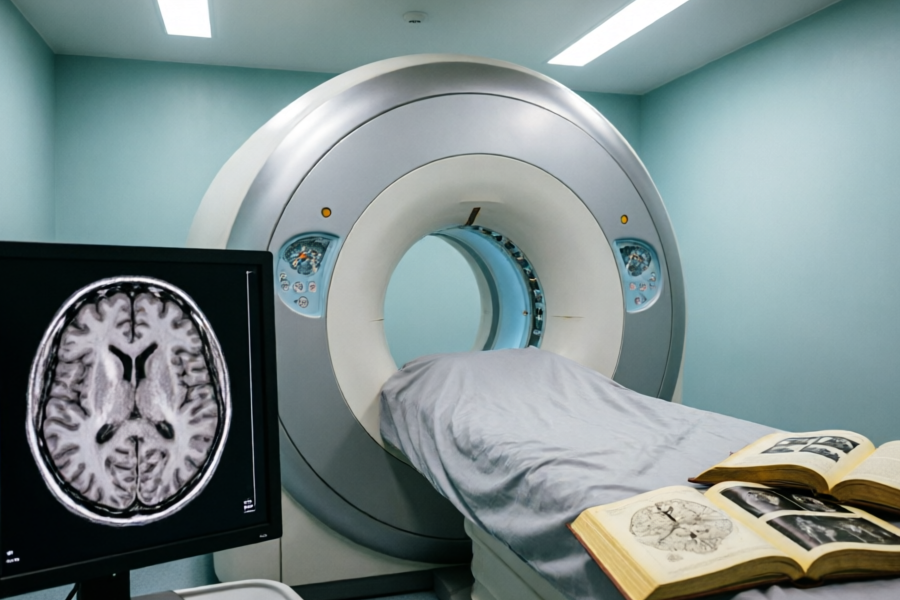
MRI has irreplaceable advantages in the diagnosis of neurological diseases. it can be presented clearlyBrain tissue, spinal cord and peripheral nervesmicrostructure to help discoverBrain tumors (such as glioma), multiple sclerosis, cerebral infarction, cerebral hemorrhageand other diseases. For example, areas of brain ischemia can be detected within minutes after a stroke occurs with diffusion-weighted imaging (DWI). In addition, functional MRI (fMRI) can also observe brain area activity and be used for epilepsy localization or preoperative planning. For spinal disorders, MRI accurately identifiesIntervertebral disc herniation, spinal cord compressionand other issues to provide a basis for surgical planning.
Section 3: Joint and Movement System Examination
In the field of sports medicine, MRI is used to evaluateInjuries to articular cartilage, ligaments, and tendons's gold standard. It can find things that X-rays cannot showMeniscus tear, rotator cuff injury, ankle ligament ruptureand other lesions, especially suitable for athletes’ injury judgment. For example, knee MRI can reconstruct the shape of the meniscus in three dimensions and accurately grade the degree of tear. For the skeletal system, MRI can also detect earlyBone tumors, osteomyelitisor stress fractures, and can even differentiate between benign and malignant tumors (such as osteosarcoma and bone cysts).
Section 4: Abdominal and cardiovascular examination
Abdominal MRI shows clearly without contrast agentLiver, pancreas, kidneyWait for organs, yesLiver cancer, hepatic hemangioma, pancreatic cancerThe differential diagnosis value is significant. Special techniques such as MRCP (magnetic resonance cholangiopancreatography) can detect bile duct stones or strictures non-invasively. Cardiac MRI enables dynamic assessmentMyocardial vitality, cardiac chamber function, accurately calculate the range of myocardial infarction. Vascular MRI (MRA) can reconstruct three-dimensionalAneurysms, vascular malformations, an alternative to partial invasive angiography. Gynecology field, MRIUterine fibroids, endometrial cancerThe staging diagnosis is better than ultrasound.
Summary and Notes
As a multidisciplinary imaging technology, MRI has the characteristics of no radiation and high soft tissue contrast, which makes it play a core role in tumor screening, neuroscience, sports medicine and other fields. However, it should be noted that there areMetal implants (such as pacemakers), claustrophobiaPatients may have limitations and strict screening for contraindications is required before examination. Current mainstream MRI equipment manufacturers includeSiemens (Magnetom series), GE Healthcare (Signa series), Philips (Ingenia series), the field strength ranges from 1.5T to 7T, which can be selected according to clinical needs.
| Common types of MRI exams | Main applications | Typical detected diseases |
|---|---|---|
| Brain MRI | nervous system | Brain tumors, stroke, multiple sclerosis |
| Spine MRI | Orthopedics/Neurosurgery | Intervertebral disc herniation, spinal cord tumors |
| Joint MRI | sports medicine | Meniscus injury, ligament tear |
Quote sources:
1. "Medical Imaging" (People's Medical Publishing House, 8th Edition)
2. American College of Radiology (ACR) MRI clinical application guidelines
3. Magnetom series technical white paper on Siemens Healthcare official website
4. "Basic Operating Specifications for Magnetic Resonance Imaging" by the Radiology Branch of the Chinese Medical Association
Relevant knowledge
- 2026-10-01How do women take care of their skin scientifically?
- 2026-10-01What is female beauty?
- 2026-09-30How can women supplement calcium scientifically?
- 2026-09-30What is calcium supplementation?
- 2026-09-30How often should bone density checks be done?
- 2026-09-29How to prevent osteoporosis?
- 2026-09-29Why are women prone to osteoporosis?
- 2026-09-29What is osteoporosis?
- 2026-09-28Is hormone replacement therapy safe?
- 2026-09-28What is hormone replacement therapy?
- 2026-09-28How to manage menopause?
- 2026-09-28What are the symptoms of menopause?
- 2026-09-28What is menopause?
- 2026-09-28What does a postpartum review include?
- 2026-09-27What is a postpartum review?
- 2026-09-27Is pelvic floor muscle repair necessary?
- 2026-09-27What is postpartum pelvic floor muscle repair?
- 2026-09-27How to lose weight scientifically after giving birth?
Chinese medicinal materials
More-

View
The efficacy and function of purple beads
Overview of the efficacy and functions of purple beadsPurpurea is a plant with medicinal value. Its leaves, roots and fruits can be used as medicine. Its main functions includeStop bleeding, reduce inflammation, clear away heat and detoxify, dissipate blood stasis and reduce swellingWait.In traditional medicine, purple pearls are often used to treat symptoms such as traumatic bleeding, bruises, and sore throat. Modern research has also found that it contains active ingredients such as flavonoids
-
View
The efficacy and function of locust bean
Overview of the efficacy and functions of locust beanSophora bean, also known as Sophora japonica or Sophora japonica, is the mature fruit of Sophora japonica tree, a leguminous plant, and has various medicinal values in traditional medicine.Its main functions includeClears away heat and cools blood, moisturizes intestines and relieves constipation, lowers blood pressure, and resists oxidationetc., suitable for relieving symptoms such as hemorrhoids, bloody stools, and high blood pressure.Modern
-
View
The efficacy and function of Baiziren
Overview of the efficacy and functions of BaizirenBaiziren is the dried and mature seed kernel of Platycladus orientalis, a plant in the Cupressaceae family. Traditional Chinese medicine believes that it is flat in nature and sweet in taste, and can be used to regulate the heart, kidney, and large intestine meridians.Nourish the heart and calm the nerves, moisturize the intestines and relieve constipation, and nourish the liver and kidneysand other effects.Modern research shows that cypress seed
-
View
The efficacy and function of plum slices
Overview of the effects and functions of plum slicesPlum slices, also known as borneol or dipterocarp, is a traditional Chinese medicinal material that has the effects of rejuvenating the mind, clearing away heat and relieving pain, reducing swelling and promoting muscle growth.Its main component is dextroborneol, which is widely used in the fields of medicine, cosmetics and spices.The core functions of plum slices include relieving headaches, anti-inflammatory and sterilizing, promoting wound h
-
View
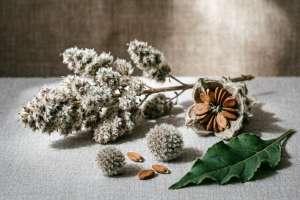
Efficacy and functions of Kochia bark
Overview of the efficacy and functions of Kochia barkKochia bark, also known as broom seedling, is a commonly used medicinal material in traditional Chinese medicine for clearing away heat and promoting dampness.Diuretic and relieve stranguria, dispel wind and relieve itching, clear away heat and detoxifyand other effects.It mainly acts on urinary system inflammation, skin itching and damp-heat jaundice, and is widely used clinically.Secondary functions include assisting in lowering blood sugar,
-
View
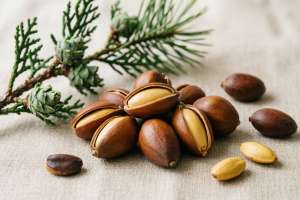
Efficacy and functions of Baiziren
Overview of the efficacy and functions of BaizirenBaiziren is the dried and mature seed kernel of Platycladus orientalis, a plant in the Cupressaceae family. Traditional Chinese medicine believes that it is flat in nature and sweet in taste, and can be used to regulate the heart, kidney, and large intestine meridians.Nourish the heart and calm the nerves, moisturize the intestines and relieve constipation, and nourish the liver and kidneysand other effects.Its main functions include improving sy
-

View
Eclipta Eclipta efficacy and functions
Overview of the efficacy and functions of EcliptaEclipta, also known as Eclipta or Eclipta, is a commonly used medicinal material in traditional Chinese medicine to nourish the liver and kidneys, cool blood and stop bleeding.Its core functions includeNourishes yin and nourishes kidney, blackens beard and hair, stops bleeding and reduces inflammation, the secondary effects involve improving hair loss, relieving gum bleeding and skin eczema.The primary and secondary structure is clear: liver and k
-

View
Function and role of hippocampus
Overview of the functions and functions of the hippocampusSeahorse is a precious marine creature recognized for its many benefits in both traditional medicine and modern research.Its main functions includeReplenishing kidneys and strengthening yang, anti-fatigue, regulating immunity, antioxidantetc., especially the effect of nourishing kidney and replenishing qi is the most prominent.In addition, the hippocampus also plays a certain role in improving blood circulation and relieving neurasthenia.
-
View
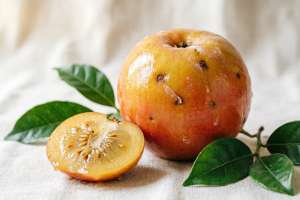
The effects and functions of fragrant fruit
Overview of the effects and functions of fragrant fruitXiangguo, also known as Ligusticum chuanxiong or Shannai, is a plant with both medicinal and edible value, and its rhizomes are often used in traditional Chinese medicine.Its main functions includePromotes blood circulation and removes blood stasis, dispels wind and relieves pain, improves blood circulation, the secondary effects involve relieving headaches, joint pain and women’s menstrual discomfort.The active ingredients of xiangguo, su
-

View
Efficacy and functions of Cistanche deserticola
Overview of the efficacy and functions of Cistanche deserticolaCistanche deserticola, also known as Cistanche deserticola, is a traditional Chinese medicinal material mainly produced in desert areas and is known as "desert ginseng".Its core functions includeReplenishing kidney yang, replenishing essence and blood, moistening intestines and laxative, the secondary effects involve anti-aging, regulating immunity, etc.This article will start from its medicinal value, suitable people, usage methods
-

View
White peony effect and function
Overview of the efficacy and functions of white peony rootWhite peony root is a commonly used blood-nourishing and menstrual-regulating medicine in traditional Chinese medicine.Nourishes blood and softens liver, relieves pain, astringes yin and stops sweatingIt has core functions such as irregular menstruation, hypochondriac pain, spontaneous sweating and night sweats.Its functions can be divided into two categories: primary and secondary:Main functionsIncluding regulating female endocrine, reli
-

View
Efficacy and functions of Wu Hua Xue Teng
Overview of the efficacy and functions of SpatholobusFive-flowered bloodvine is a traditional Chinese medicinal material, which mainly hasPromotes blood circulation and removes blood stasis, unblocks collaterals to relieve pain, expels wind and removes dampnessIt has other effects and is often used to treat rheumatic arthralgia, bruises and irregular menstruation.Its core function is to promote blood circulation, relieve inflammation and pain, and its secondary functions include assisting in reg