
- Current location:Home page >> health information
What does an oral examination include?
2026-06-08 01:16:30
Overview of oral examination contents
Oral examination is an important means to evaluate oral health status, mainly includingTeeth, gums, tongue, mucosa and maxillofacial regioncomprehensive inspection. Its core content can be divided into three categories:Basic examination (such as dental caries, periodontal disease), functional assessment (occlusion, joints) and auxiliary examination (X-ray, oral cancer screening). Among them, periodontal examination and dental caries screening are the focus, while oral mucosal lesions and jaw development problems need to be further diagnosed with imaging. Examination tools include probes, mouth mirrors, periodontal probes, etc., supplemented by digital imaging technology when necessary.
Detailed process of oral examination
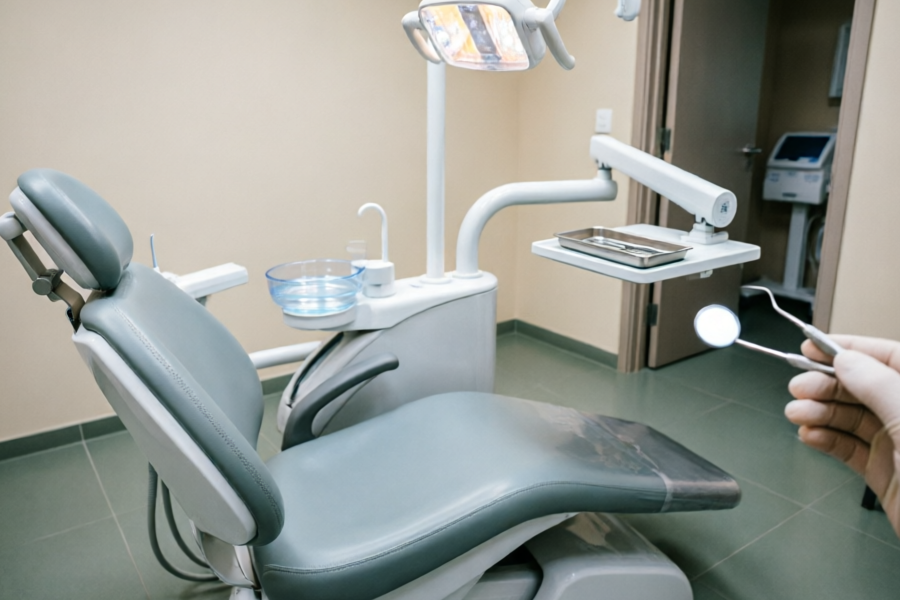
The first step isInspection and palpation, the doctor observes the tooth arrangement, color and gum condition through the mouth mirror, and palpates to determine whether there is any swelling or tenderness. For example, bleeding gums may indicate periodontitis, tooth discoloration or cavities that require further treatment. The second step isperiodontal probing, use a probe to measure the gum pocket depth (normal value is 1-3mm), if it exceeds 4mm, it may be periodontal disease. At the same time, the degree of tooth looseness is checked and abnormalities are recorded. At this stage, a preliminary judgment can be made as to whether teeth scaling or subgingival scaling is needed.
Functional and special inspections
After the basic inspection, it will be evaluatedOcclusion(such as floor covering, jaw opening) and temporomandibular joint function (mouth opening, snapping). For children, it is also necessary to check the replacement of deciduous teeth and the eruption of permanent teeth. Special inspections includeOral cancer screening(observe white spots, red spots) and saliva secretion test. People at higher risk (such as smokers) may need fluorescent testing or biopsy. In addition, digital oral scans or panoramic X-rays can assist in the diagnosis of cracked teeth, impacted teeth and other problems.
Assistive technology and follow-up
Modern dental examinations are often combined withimaging technology, such as periapical radiograph (single tooth), panoramic radiograph (entire teeth) or CBCT (three-dimensional imaging). Data show that about 30% of proximal caries need to be discovered by X-ray. After the examination, the doctor will issue a report and develop a treatment plan, such as fillings, root canal treatment, or orthodontics. Some institutions use AI to assist in image analysis, but final confirmation by a doctor is required. Regular checkups (every 6-12 months) can prevent serious lesions.
Summary and suggestions
Oral examination is a key link in the prevention and treatment of oral diseases and needs to be coveredStructure, function and potential pathologies. Daily brushing and flossing should be carried out with Pasteurized teeth, and high-sugar diet should be reduced. For dental consumables, well-known brands such as 3M (resin materials) and Dentsply Sirona (dental equipment) provide reliable products. It is recommended to choose a regular medical institution to ensure the professionalism of the examination.
| Common oral examination items | Tools/Techniques | major manufacturers |
|---|---|---|
| Caries screening | Probe, DIAGNOdent laser detection | KaVo (Germany) |
| periodontal examination | Periodontal probe, PerioWise test strips | Hu-Friedy (USA) |
| Imaging examination | Panoramic X-ray machine, CBCT | Planmeca (Finland) |
Quote sources:
1. "Clinical Practice Guidelines for Stomatology" (Chinese Stomatological Association, 2022)
2. American Dental Association (ADA) standard procedures for oral examinations
3. Documentation on dental materials from the official website of 3M Company
Relevant knowledge
- 2026-10-01How do women take care of their skin scientifically?
- 2026-10-01What is female beauty?
- 2026-09-30How can women supplement calcium scientifically?
- 2026-09-30What is calcium supplementation?
- 2026-09-30How often should bone density checks be done?
- 2026-09-29How to prevent osteoporosis?
- 2026-09-29Why are women prone to osteoporosis?
- 2026-09-29What is osteoporosis?
- 2026-09-28Is hormone replacement therapy safe?
- 2026-09-28What is hormone replacement therapy?
- 2026-09-28How to manage menopause?
- 2026-09-28What are the symptoms of menopause?
- 2026-09-28What is menopause?
- 2026-09-28What does a postpartum review include?
- 2026-09-27What is a postpartum review?
- 2026-09-27Is pelvic floor muscle repair necessary?
- 2026-09-27What is postpartum pelvic floor muscle repair?
- 2026-09-27How to lose weight scientifically after giving birth?
Chinese medicinal materials
More-

View
The efficacy and function of purple beads
Overview of the efficacy and functions of purple beadsPurpurea is a plant with medicinal value. Its leaves, roots and fruits can be used as medicine. Its main functions includeStop bleeding, reduce inflammation, clear away heat and detoxify, dissipate blood stasis and reduce swellingWait.In traditional medicine, purple pearls are often used to treat symptoms such as traumatic bleeding, bruises, and sore throat. Modern research has also found that it contains active ingredients such as flavonoids
-

View
The efficacy and function of locust bean
Overview of the efficacy and functions of locust beanSophora bean, also known as Sophora japonica or Sophora japonica, is the mature fruit of Sophora japonica tree, a leguminous plant, and has various medicinal values in traditional medicine.Its main functions includeClears away heat and cools blood, moisturizes intestines and relieves constipation, lowers blood pressure, and resists oxidationetc., suitable for relieving symptoms such as hemorrhoids, bloody stools, and high blood pressure.Modern
-
View
The efficacy and function of Baiziren
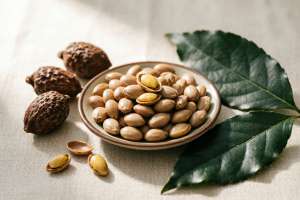
Overview of the efficacy and functions of BaizirenBaiziren is the dried and mature seed kernel of Platycladus orientalis, a plant in the Cupressaceae family. Traditional Chinese medicine believes that it is flat in nature and sweet in taste, and can be used to regulate the heart, kidney, and large intestine meridians.Nourish the heart and calm the nerves, moisturize the intestines and relieve constipation, and nourish the liver and kidneysand other effects.Modern research shows that cypress seed
-
View
The efficacy and function of plum slices
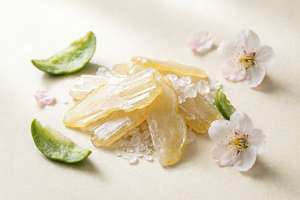
Overview of the effects and functions of plum slicesPlum slices, also known as borneol or dipterocarp, is a traditional Chinese medicinal material that has the effects of rejuvenating the mind, clearing away heat and relieving pain, reducing swelling and promoting muscle growth.Its main component is dextroborneol, which is widely used in the fields of medicine, cosmetics and spices.The core functions of plum slices include relieving headaches, anti-inflammatory and sterilizing, promoting wound h
-
View
Efficacy and functions of Kochia bark
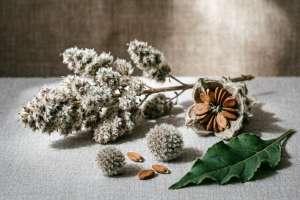
Overview of the efficacy and functions of Kochia barkKochia bark, also known as broom seedling, is a commonly used medicinal material in traditional Chinese medicine for clearing away heat and promoting dampness.Diuretic and relieve stranguria, dispel wind and relieve itching, clear away heat and detoxifyand other effects.It mainly acts on urinary system inflammation, skin itching and damp-heat jaundice, and is widely used clinically.Secondary functions include assisting in lowering blood sugar,
-
View
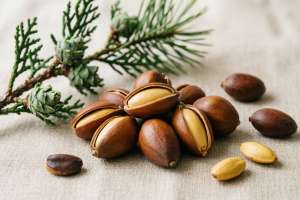
Efficacy and functions of Baiziren
Overview of the efficacy and functions of BaizirenBaiziren is the dried and mature seed kernel of Platycladus orientalis, a plant in the Cupressaceae family. Traditional Chinese medicine believes that it is flat in nature and sweet in taste, and can be used to regulate the heart, kidney, and large intestine meridians.Nourish the heart and calm the nerves, moisturize the intestines and relieve constipation, and nourish the liver and kidneysand other effects.Its main functions include improving sy
-

View
Eclipta Eclipta efficacy and functions
Overview of the efficacy and functions of EcliptaEclipta, also known as Eclipta or Eclipta, is a commonly used medicinal material in traditional Chinese medicine to nourish the liver and kidneys, cool blood and stop bleeding.Its core functions includeNourishes yin and nourishes kidney, blackens beard and hair, stops bleeding and reduces inflammation, the secondary effects involve improving hair loss, relieving gum bleeding and skin eczema.The primary and secondary structure is clear: liver and k
-

View
Function and role of hippocampus
Overview of the functions and functions of the hippocampusSeahorse is a precious marine creature recognized for its many benefits in both traditional medicine and modern research.Its main functions includeReplenishing kidneys and strengthening yang, anti-fatigue, regulating immunity, antioxidantetc., especially the effect of nourishing kidney and replenishing qi is the most prominent.In addition, the hippocampus also plays a certain role in improving blood circulation and relieving neurasthenia.
-
View
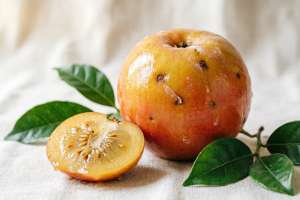
The effects and functions of fragrant fruit
Overview of the effects and functions of fragrant fruitXiangguo, also known as Ligusticum chuanxiong or Shannai, is a plant with both medicinal and edible value, and its rhizomes are often used in traditional Chinese medicine.Its main functions includePromotes blood circulation and removes blood stasis, dispels wind and relieves pain, improves blood circulation, the secondary effects involve relieving headaches, joint pain and women’s menstrual discomfort.The active ingredients of xiangguo, su
-

View
Efficacy and functions of Cistanche deserticola
Overview of the efficacy and functions of Cistanche deserticolaCistanche deserticola, also known as Cistanche deserticola, is a traditional Chinese medicinal material mainly produced in desert areas and is known as "desert ginseng".Its core functions includeReplenishing kidney yang, replenishing essence and blood, moistening intestines and laxative, the secondary effects involve anti-aging, regulating immunity, etc.This article will start from its medicinal value, suitable people, usage methods
-
View
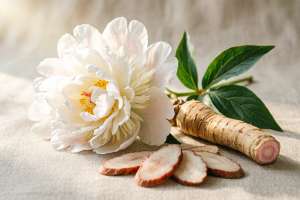
White peony effect and function
Overview of the efficacy and functions of white peony rootWhite peony root is a commonly used blood-nourishing and menstrual-regulating medicine in traditional Chinese medicine.Nourishes blood and softens liver, relieves pain, astringes yin and stops sweatingIt has core functions such as irregular menstruation, hypochondriac pain, spontaneous sweating and night sweats.Its functions can be divided into two categories: primary and secondary:Main functionsIncluding regulating female endocrine, reli
-
View
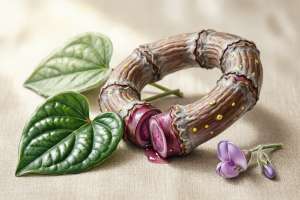
Efficacy and functions of Wu Hua Xue Teng
Overview of the efficacy and functions of SpatholobusFive-flowered bloodvine is a traditional Chinese medicinal material, which mainly hasPromotes blood circulation and removes blood stasis, unblocks collaterals to relieve pain, expels wind and removes dampnessIt has other effects and is often used to treat rheumatic arthralgia, bruises and irregular menstruation.Its core function is to promote blood circulation, relieve inflammation and pain, and its secondary functions include assisting in reg