
- Current location:Home page >> health information
What is medical history?
2026-06-26 11:40:34
Overview of medical history: the cornerstone and core of medical diagnosis
Medical history is a systematic record of the occurrence, development and treatment of a patient's disease during the medical process, coveringChief complaint, history of current illness, past history, family history, personal historyand other core content. It is the primary basis for doctors' diagnosis, accounting for 60%-70% of the weight of clinical decision-making ("Diagnostics" data). In terms of primary and secondary structure,History of present illnessThe most critical ones include symptom characteristics, duration, etc.;past historyFocus on past illnesses and treatments;family historyreveal genetic risks. Standard medical history collection can reduce the misdiagnosis rate by 30% (WHO statistics), and its value far exceeds auxiliary examinations.
History of current illness: Accurate capture of disease dynamics

The history of current illness is like a "timeline" of the disease, and symptoms need to be recorded in detailOnset, causes, and evolutionandMitigating factors. For example, patients with angina pectoris need to describe the nature of pain (squeezing/dull pain), radiation site (left shoulder/mandibular), and duration (<15 minutes or >30 minutes). Research from Harvard Medical School shows that 82% of initial diagnoses can be determined through accurate history of current illness. Doctors often useOLDCARTSFramework for consultation (onset, location, duration, characteristics, aggravating/mitigating factors, accompanying symptoms) to avoid missing key details.
Past and Family History: The Hidden Code of Health
Past history includesSurgery history, allergy history, chronic medical history(such as diabetes, hypertension), which directly affects the current treatment plan. If the patient has a history of penicillin allergy, beta-lactam antibiotics need to be avoided. Family history focuses onhereditary disease(such as breast cancer, Alzheimer's disease), the "New England Journal of Medicine" pointed out that about 10% of diseases are significantly related to genetics. For example, having a first-degree relative with colon cancer increases an individual's risk by 2-4 times. Systematically sorting out these two types of medical history can provide early warning of potential complications.
Personal and Social History: Mapping Environment and Behavior in Health
Personal history coveredSmoking, drinking, occupational exposureand other lifestyle factors. People who smoke 20 cigarettes a day have a risk of lung cancer that is five times higher than that of non-smokers (CDC data). Social history includesLiving environment, economic statusFor example, the history of schistosomiasis requires asking about the history of contact with infected water. Johns Hopkins University research shows that social factors contribute to 40% of health disparities. This type of medical history is often overlooked, but it is an important target for chronic disease management (such as smoking cessation in COPD patients) and public health intervention.
The value of medical history: from consultation to precision medicine
A complete medical history is like a medical "navigator", which can not only improve diagnostic efficiency (shortening examination time by 30%), but also reduce medical costs. A Mayo Clinic case shows that standardized medical history collection reduced the return visit rate by 22%. In the era of precision medicine, medical history and genetic testing can be combined to optimize treatment plans (for example, warfarin dose adjustment needs to be combined with medication history). Electronic medical record systems (such as Epic and Cerner) are improving medical history utilization through structured entry, but doctor-patient communication is still an irreplaceable core link.
| Type of medical history | key elements | clinical significance |
|---|---|---|
| History of present illness | Symptom evolution and treatment response | Main basis for diagnosis |
| past history | Surgery, allergies, vaccinations | Avoid treatment risks |
| family history | Genetic disease within three generations | Early screening guidance |
Quote sources:
1. "Diagnostics" (9th edition of People's Medical Publishing House)
2. World Health Organization "Technical Report on Reducing Diagnostic Errors" 2021
3. Harvard Medical School's "Clinical Guide to Interviewing Skills"
4. U.S. CDC "White Paper on the Health Effects of Tobacco" 2023
5. Mayo Clinic Electronic Medical Records System Research Data (2022)
Relevant knowledge
- 2026-10-01How do women take care of their skin scientifically?
- 2026-10-01What is female beauty?
- 2026-09-30How can women supplement calcium scientifically?
- 2026-09-30What is calcium supplementation?
- 2026-09-30How often should bone density checks be done?
- 2026-09-29How to prevent osteoporosis?
- 2026-09-29Why are women prone to osteoporosis?
- 2026-09-29What is osteoporosis?
- 2026-09-28Is hormone replacement therapy safe?
- 2026-09-28What is hormone replacement therapy?
- 2026-09-28How to manage menopause?
- 2026-09-28What are the symptoms of menopause?
- 2026-09-28What is menopause?
- 2026-09-28What does a postpartum review include?
- 2026-09-27What is a postpartum review?
- 2026-09-27Is pelvic floor muscle repair necessary?
- 2026-09-27What is postpartum pelvic floor muscle repair?
- 2026-09-27How to lose weight scientifically after giving birth?
Chinese medicinal materials
More-

View
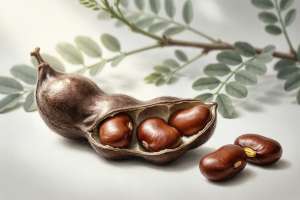
The efficacy and function of purple beads
Overview of the efficacy and functions of purple beadsPurpurea is a plant with medicinal value. Its leaves, roots and fruits can be used as medicine. Its main functions includeStop bleeding, reduce inflammation, clear away heat and detoxify, dissipate blood stasis and reduce swellingWait.In traditional medicine, purple pearls are often used to treat symptoms such as traumatic bleeding, bruises, and sore throat. Modern research has also found that it contains active ingredients such as flavonoids
-
View
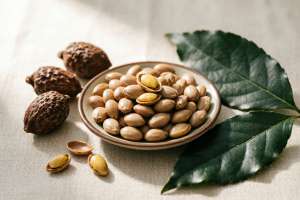
The efficacy and function of locust bean
Overview of the efficacy and functions of locust beanSophora bean, also known as Sophora japonica or Sophora japonica, is the mature fruit of Sophora japonica tree, a leguminous plant, and has various medicinal values in traditional medicine.Its main functions includeClears away heat and cools blood, moisturizes intestines and relieves constipation, lowers blood pressure, and resists oxidationetc., suitable for relieving symptoms such as hemorrhoids, bloody stools, and high blood pressure.Modern
-
View
The efficacy and function of Baiziren
Overview of the efficacy and functions of BaizirenBaiziren is the dried and mature seed kernel of Platycladus orientalis, a plant in the Cupressaceae family. Traditional Chinese medicine believes that it is flat in nature and sweet in taste, and can be used to regulate the heart, kidney, and large intestine meridians.Nourish the heart and calm the nerves, moisturize the intestines and relieve constipation, and nourish the liver and kidneysand other effects.Modern research shows that cypress seed
-
View
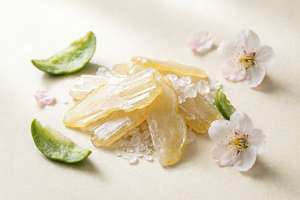
The efficacy and function of plum slices
Overview of the effects and functions of plum slicesPlum slices, also known as borneol or dipterocarp, is a traditional Chinese medicinal material that has the effects of rejuvenating the mind, clearing away heat and relieving pain, reducing swelling and promoting muscle growth.Its main component is dextroborneol, which is widely used in the fields of medicine, cosmetics and spices.The core functions of plum slices include relieving headaches, anti-inflammatory and sterilizing, promoting wound h
-
View
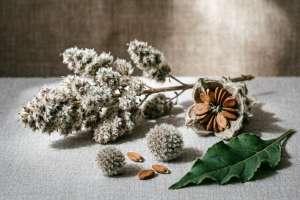
Efficacy and functions of Kochia bark
Overview of the efficacy and functions of Kochia barkKochia bark, also known as broom seedling, is a commonly used medicinal material in traditional Chinese medicine for clearing away heat and promoting dampness.Diuretic and relieve stranguria, dispel wind and relieve itching, clear away heat and detoxifyand other effects.It mainly acts on urinary system inflammation, skin itching and damp-heat jaundice, and is widely used clinically.Secondary functions include assisting in lowering blood sugar,
-
View
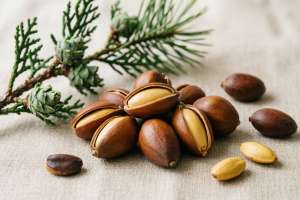
Efficacy and functions of Baiziren
Overview of the efficacy and functions of BaizirenBaiziren is the dried and mature seed kernel of Platycladus orientalis, a plant in the Cupressaceae family. Traditional Chinese medicine believes that it is flat in nature and sweet in taste, and can be used to regulate the heart, kidney, and large intestine meridians.Nourish the heart and calm the nerves, moisturize the intestines and relieve constipation, and nourish the liver and kidneysand other effects.Its main functions include improving sy
-
View
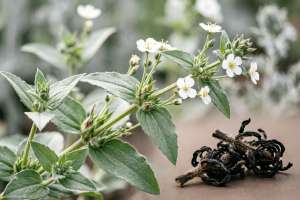
Eclipta Eclipta efficacy and functions
Overview of the efficacy and functions of EcliptaEclipta, also known as Eclipta or Eclipta, is a commonly used medicinal material in traditional Chinese medicine to nourish the liver and kidneys, cool blood and stop bleeding.Its core functions includeNourishes yin and nourishes kidney, blackens beard and hair, stops bleeding and reduces inflammation, the secondary effects involve improving hair loss, relieving gum bleeding and skin eczema.The primary and secondary structure is clear: liver and k
-

View
Function and role of hippocampus
Overview of the functions and functions of the hippocampusSeahorse is a precious marine creature recognized for its many benefits in both traditional medicine and modern research.Its main functions includeReplenishing kidneys and strengthening yang, anti-fatigue, regulating immunity, antioxidantetc., especially the effect of nourishing kidney and replenishing qi is the most prominent.In addition, the hippocampus also plays a certain role in improving blood circulation and relieving neurasthenia.
-
View
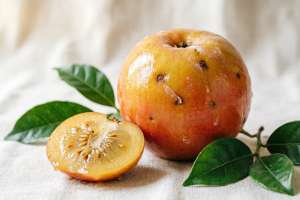
The effects and functions of fragrant fruit
Overview of the effects and functions of fragrant fruitXiangguo, also known as Ligusticum chuanxiong or Shannai, is a plant with both medicinal and edible value, and its rhizomes are often used in traditional Chinese medicine.Its main functions includePromotes blood circulation and removes blood stasis, dispels wind and relieves pain, improves blood circulation, the secondary effects involve relieving headaches, joint pain and women’s menstrual discomfort.The active ingredients of xiangguo, su
-
View
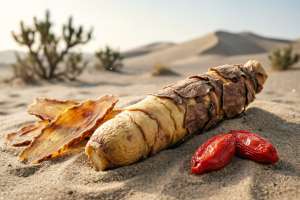
Efficacy and functions of Cistanche deserticola
Overview of the efficacy and functions of Cistanche deserticolaCistanche deserticola, also known as Cistanche deserticola, is a traditional Chinese medicinal material mainly produced in desert areas and is known as "desert ginseng".Its core functions includeReplenishing kidney yang, replenishing essence and blood, moistening intestines and laxative, the secondary effects involve anti-aging, regulating immunity, etc.This article will start from its medicinal value, suitable people, usage methods
-
View
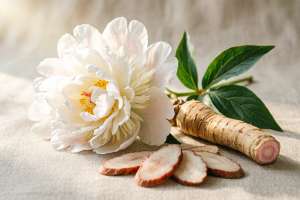
White peony effect and function
Overview of the efficacy and functions of white peony rootWhite peony root is a commonly used blood-nourishing and menstrual-regulating medicine in traditional Chinese medicine.Nourishes blood and softens liver, relieves pain, astringes yin and stops sweatingIt has core functions such as irregular menstruation, hypochondriac pain, spontaneous sweating and night sweats.Its functions can be divided into two categories: primary and secondary:Main functionsIncluding regulating female endocrine, reli
-
View
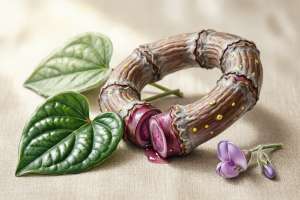
Efficacy and functions of Wu Hua Xue Teng
Overview of the efficacy and functions of SpatholobusFive-flowered bloodvine is a traditional Chinese medicinal material, which mainly hasPromotes blood circulation and removes blood stasis, unblocks collaterals to relieve pain, expels wind and removes dampnessIt has other effects and is often used to treat rheumatic arthralgia, bruises and irregular menstruation.Its core function is to promote blood circulation, relieve inflammation and pain, and its secondary functions include assisting in reg