
- Current location:Home page >> health information
What is chemotherapy?
2026-07-04 18:52:30
Chemotherapy Overview
Chemotherapy (chemotherapy for short) is a treatment method that uses chemical drugs to kill or inhibit the growth of cancer cells. It is one of the core methods of cancer treatment. The main contents include:Chemotherapy principles(drugs interfere with cancer cell division),Indications(Solid tumors, blood tumors, etc.),Treatment(intravenous injection, oral administration, etc.) andside effect management(such as nausea, hair loss). Secondary content coveredcombination therapy(in conjunction with radiotherapy and immunotherapy) andNew drug research and development. The following will be divided into four parts to analyze step by step from basic concepts to practical applications.
Principles and drug classification of chemotherapy
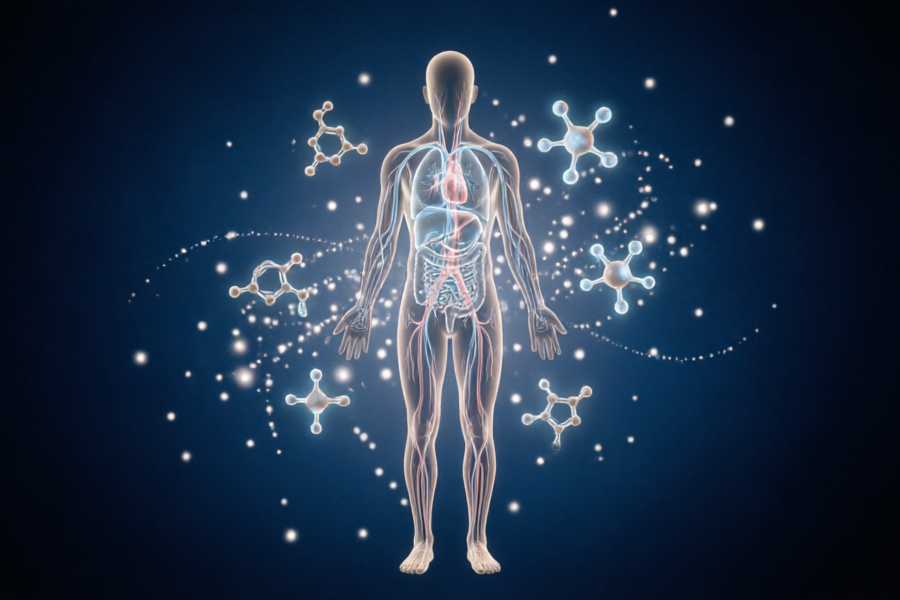
Chemotherapy drugs work by damaging the DNA of cancer cells or blocking their division cycle. They are mainly divided intoalkylating agent(such as cyclophosphamide),antimetabolites(such as 5-fluorouracil),Plant alkaloids(such as paclitaxel) andantibiotics(such as doxorubicin). These drugs may accidentally damage normal cells and cause side effects. For example,CisplatinCan cause nephrotoxicity and requires hydration treatment. In recent years,targeted chemotherapy drugs(such as trastuzumab) reducing side effects by accurately identifying cancer cells has become a research hotspot.
Clinical application and protocol design of chemotherapy
Chemotherapy regimen should be based oncancer type,installmentand patient constitution customization. For example, the "DA regimen" (daunorubicin + cytarabine) is commonly used for leukemia, while the "TAC regimen" (docetaxel + doxorubicin + cyclophosphamide) is used for breast cancer. The treatment cycle is usually 2-4 weeks, divided intoinduction period(High-intensity tumor shrinkage),Consolidation period(relapse prevention) andmaintenance period(Long term control). The doctor will passDosage adjustmentandauxiliary medication(such as antiemetics) balance efficacy with safety.
Side Effect Management and Patient Support
Common side effects include bone marrow suppression (requiring white blood injection), gastrointestinal reactions (can be alleviated by ondansetron) and neurotoxicity (such as numbness of hands and feet caused by oxaliplatin). patients neednutritional support(high protein diet),psychological counselingandMonitor blood routine regularly. Provided by some hospitalsfreezing capReduce hair loss. In recent years,Sustained release dosage form(such as liposomal doxorubicin) andGenetic testing guides medication(such as UGT1A1 detection of irinotecan dosage) further optimizes the treatment experience.
Summary and future prospects
Chemotherapy, as the cornerstone of cancer treatment, has moved from traditional cytotoxic drugs toPrecisionwithindividualization. future,nanocarrier drugs(such as Abraxane) andimmunochemotherapy combination(PD-1 inhibitor + chemotherapy) may become a breakthrough direction. Patients need to fully communicate with their doctors, scientifically deal with side effects, and pay attention toclinical trialopportunity. Although chemotherapy is challenging, continued progress brings hope to more patients.
| Examples of common chemotherapy drugs | Manufacturer | Indications |
|---|---|---|
| Taxol | Bristol-Myers Squibb | Breast cancer, ovarian cancer |
| Eloxatin | Sanofi | colorectal cancer |
| Gemcitabine (Gemzar) | Eli Lilly | Pancreatic cancer, lung cancer |
Quote sources:1. American Cancer Society (ACS) "Cancer Chemotherapy Guidelines" 2. National Comprehensive Cancer Network (NCCN) Clinical Practice Guidelines 3. Public instructions from pharmaceutical companies (such as Sanofi, Bristol-Myers Squibb) 4. Journal of Clinical Oncology (JCO) research on targeted chemotherapy
Relevant knowledge
- 2026-10-01How do women take care of their skin scientifically?
- 2026-10-01What is female beauty?
- 2026-09-30How can women supplement calcium scientifically?
- 2026-09-30What is calcium supplementation?
- 2026-09-30How often should bone density checks be done?
- 2026-09-29How to prevent osteoporosis?
- 2026-09-29Why are women prone to osteoporosis?
- 2026-09-29What is osteoporosis?
- 2026-09-28Is hormone replacement therapy safe?
- 2026-09-28What is hormone replacement therapy?
- 2026-09-28How to manage menopause?
- 2026-09-28What are the symptoms of menopause?
- 2026-09-28What is menopause?
- 2026-09-28What does a postpartum review include?
- 2026-09-27What is a postpartum review?
- 2026-09-27Is pelvic floor muscle repair necessary?
- 2026-09-27What is postpartum pelvic floor muscle repair?
- 2026-09-27How to lose weight scientifically after giving birth?
Chinese medicinal materials
More-
View
The efficacy and function of purple beads
Overview of the efficacy and functions of purple beadsPurpurea is a plant with medicinal value. Its leaves, roots and fruits can be used as medicine. Its main functions includeStop bleeding, reduce inflammation, clear away heat and detoxify, dissipate blood stasis and reduce swellingWait.In traditional medicine, purple pearls are often used to treat symptoms such as traumatic bleeding, bruises, and sore throat. Modern research has also found that it contains active ingredients such as flavonoids
-

View
The efficacy and function of locust bean
Overview of the efficacy and functions of locust beanSophora bean, also known as Sophora japonica or Sophora japonica, is the mature fruit of Sophora japonica tree, a leguminous plant, and has various medicinal values in traditional medicine.Its main functions includeClears away heat and cools blood, moisturizes intestines and relieves constipation, lowers blood pressure, and resists oxidationetc., suitable for relieving symptoms such as hemorrhoids, bloody stools, and high blood pressure.Modern
-

View
The efficacy and function of Baiziren
Overview of the efficacy and functions of BaizirenBaiziren is the dried and mature seed kernel of Platycladus orientalis, a plant in the Cupressaceae family. Traditional Chinese medicine believes that it is flat in nature and sweet in taste, and can be used to regulate the heart, kidney, and large intestine meridians.Nourish the heart and calm the nerves, moisturize the intestines and relieve constipation, and nourish the liver and kidneysand other effects.Modern research shows that cypress seed
-

View
The efficacy and function of plum slices
Overview of the effects and functions of plum slicesPlum slices, also known as borneol or dipterocarp, is a traditional Chinese medicinal material that has the effects of rejuvenating the mind, clearing away heat and relieving pain, reducing swelling and promoting muscle growth.Its main component is dextroborneol, which is widely used in the fields of medicine, cosmetics and spices.The core functions of plum slices include relieving headaches, anti-inflammatory and sterilizing, promoting wound h
-

View
Efficacy and functions of Kochia bark
Overview of the efficacy and functions of Kochia barkKochia bark, also known as broom seedling, is a commonly used medicinal material in traditional Chinese medicine for clearing away heat and promoting dampness.Diuretic and relieve stranguria, dispel wind and relieve itching, clear away heat and detoxifyand other effects.It mainly acts on urinary system inflammation, skin itching and damp-heat jaundice, and is widely used clinically.Secondary functions include assisting in lowering blood sugar,
-

View
Efficacy and functions of Baiziren
Overview of the efficacy and functions of BaizirenBaiziren is the dried and mature seed kernel of Platycladus orientalis, a plant in the Cupressaceae family. Traditional Chinese medicine believes that it is flat in nature and sweet in taste, and can be used to regulate the heart, kidney, and large intestine meridians.Nourish the heart and calm the nerves, moisturize the intestines and relieve constipation, and nourish the liver and kidneysand other effects.Its main functions include improving sy
-

View
Eclipta Eclipta efficacy and functions
Overview of the efficacy and functions of EcliptaEclipta, also known as Eclipta or Eclipta, is a commonly used medicinal material in traditional Chinese medicine to nourish the liver and kidneys, cool blood and stop bleeding.Its core functions includeNourishes yin and nourishes kidney, blackens beard and hair, stops bleeding and reduces inflammation, the secondary effects involve improving hair loss, relieving gum bleeding and skin eczema.The primary and secondary structure is clear: liver and k
-

View
Function and role of hippocampus
Overview of the functions and functions of the hippocampusSeahorse is a precious marine creature recognized for its many benefits in both traditional medicine and modern research.Its main functions includeReplenishing kidneys and strengthening yang, anti-fatigue, regulating immunity, antioxidantetc., especially the effect of nourishing kidney and replenishing qi is the most prominent.In addition, the hippocampus also plays a certain role in improving blood circulation and relieving neurasthenia.
-

View
The effects and functions of fragrant fruit
Overview of the effects and functions of fragrant fruitXiangguo, also known as Ligusticum chuanxiong or Shannai, is a plant with both medicinal and edible value, and its rhizomes are often used in traditional Chinese medicine.Its main functions includePromotes blood circulation and removes blood stasis, dispels wind and relieves pain, improves blood circulation, the secondary effects involve relieving headaches, joint pain and women’s menstrual discomfort.The active ingredients of xiangguo, su
-

View
Efficacy and functions of Cistanche deserticola
Overview of the efficacy and functions of Cistanche deserticolaCistanche deserticola, also known as Cistanche deserticola, is a traditional Chinese medicinal material mainly produced in desert areas and is known as "desert ginseng".Its core functions includeReplenishing kidney yang, replenishing essence and blood, moistening intestines and laxative, the secondary effects involve anti-aging, regulating immunity, etc.This article will start from its medicinal value, suitable people, usage methods
-

View
White peony effect and function
Overview of the efficacy and functions of white peony rootWhite peony root is a commonly used blood-nourishing and menstrual-regulating medicine in traditional Chinese medicine.Nourishes blood and softens liver, relieves pain, astringes yin and stops sweatingIt has core functions such as irregular menstruation, hypochondriac pain, spontaneous sweating and night sweats.Its functions can be divided into two categories: primary and secondary:Main functionsIncluding regulating female endocrine, reli
-

View
Efficacy and functions of Wu Hua Xue Teng
Overview of the efficacy and functions of SpatholobusFive-flowered bloodvine is a traditional Chinese medicinal material, which mainly hasPromotes blood circulation and removes blood stasis, unblocks collaterals to relieve pain, expels wind and removes dampnessIt has other effects and is often used to treat rheumatic arthralgia, bruises and irregular menstruation.Its core function is to promote blood circulation, relieve inflammation and pain, and its secondary functions include assisting in reg