
- Current location:Home page >> health information
How to identify over-the-counter medications?
2026-07-07 17:28:30
How to identify over-the-counter medications?
Over-the-counter (OTC) drugs are medicines that can be purchased without a doctor's prescription, but it is important to correctly identify their safety, scope of use, and precautions. This article will start fromPackaging label, drug classification, applicable symptomsandPurchase channelsFour dimensions are deployed to help consumers quickly identify compliant OTC drugs and avoid misuse or confusion. Key contents include: the "OTC" mark approved by the State Food and Drug Administration, key information on drug instructions, common OTC drug classifications and typical product examples.
1. Identify OTC drugs through packaging markings
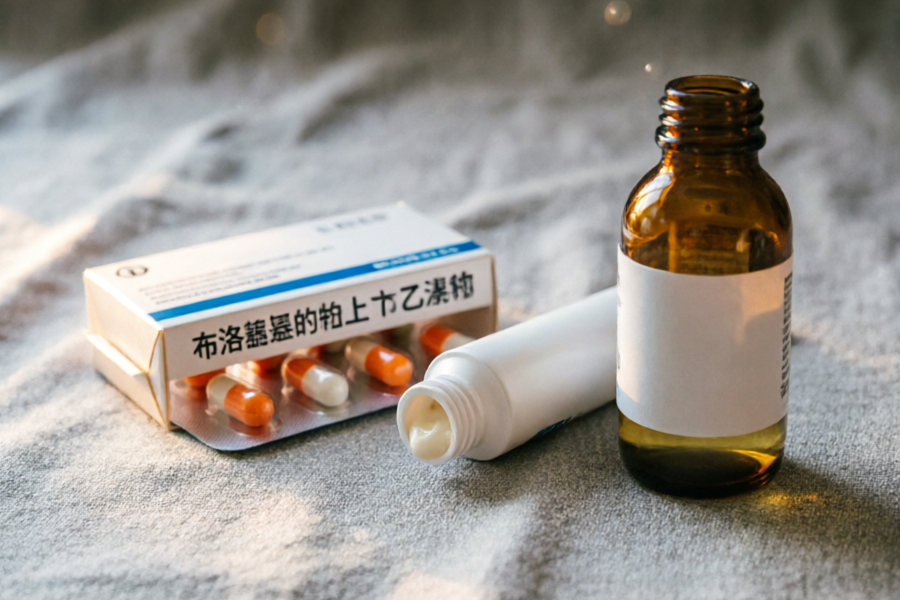
The most obvious sign of over-the-counter medicines is the words printed on the packagingThe word "OTC"andOval special logo(Red is Class A OTC, green is Class B OTC). In addition, the drug instructions will clearly indicate "this product is an OTC drug" and list the indications, usage, dosage and contraindications in detail. For example,999 Ganmaoling Granules(Produced by China Resources Sanjiu) The packaging box is marked with a red OTC logo in a prominent position, and the instructions indicate "for relieving cold symptoms." Consumers need to check this information when purchasing and avoid purchasing products without labels or with unclear labels.
2. Classification and application scope of OTC drugs
OTC drugs are divided intoCategory A(Pharmacist guidance required) andCategory B(It is safer and can be purchased in supermarkets). Common Class A OTCs include antipyretics and analgesics (such as ibuprofen tablets) and anti-allergic drugs (such as loratadine tablets); Class B OTCs are mostly topical drugs (such as Fengyoujing) or nutritional supplements (such as vitamin C tablets). Consumers should choose the corresponding category based on symptoms. For example, if you have a mild cold, you can choose Category B OTC. If you have a persistent fever, it is recommended to consult a pharmacist and choose Category A drugs.
3. Purchase channels and risk prevention
Regular OTC drugs should be inPharmacies, hospital pharmaciesorE-commerce platform (requires drug business qualification)Purchase. Avoid using unqualified channels such as WeChat merchants and purchasing agents to prevent the purchase of counterfeit products. Taking e-commerce platforms as an example, JD Pharmacy and Alibaba Health sellIsatis granules (produced in Baiyunshan)All are marked with the OTC logo and provide electronic instructions. When purchasing, you also need to check the production batch number, validity period and company name (such as "Harbin Pharmaceutical Group", "Yunnan Baiyao" and other well-known manufacturers).
Summary and Notes
Identifying over-the-counter drugs requires comprehensive observationPackaging identification, classification attributes, applicable symptomsandPurchase channels. Consumers should develop the habit of reading instructions and avoid excessive dosage or long-term use. If symptoms are not relieved or adverse reactions occur, seek medical attention promptly. The following table lists some common OTC drugs for reference:
| Drug name | Manufacturer | OTC category | Indications |
|---|---|---|---|
| 999 Ganmaoling Granules | China Resources Sanjiu | Category A | cold symptom relief |
| Isatis granules | Baiyun Mountain | Category B | Clear away heat and detoxify |
| Ibuprofen extended release capsules | SmithKline | Category A | relieve pain and reduce fever |
Quote sources:
1. National Medical Products Administration’s “Regulations on the Labeling of Over-the-Counter Drugs”
2. "China Over-the-Counter Drug Association OTC Drug Guide"
3. Official websites of production companies: China Resources Sanjiu (www.999.com.cn), Baiyunshan (www.gzbys.com)
Relevant knowledge
- 2026-10-01How do women take care of their skin scientifically?
- 2026-10-01What is female beauty?
- 2026-09-30How can women supplement calcium scientifically?
- 2026-09-30What is calcium supplementation?
- 2026-09-30How often should bone density checks be done?
- 2026-09-29How to prevent osteoporosis?
- 2026-09-29Why are women prone to osteoporosis?
- 2026-09-29What is osteoporosis?
- 2026-09-28Is hormone replacement therapy safe?
- 2026-09-28What is hormone replacement therapy?
- 2026-09-28How to manage menopause?
- 2026-09-28What are the symptoms of menopause?
- 2026-09-28What is menopause?
- 2026-09-28What does a postpartum review include?
- 2026-09-27What is a postpartum review?
- 2026-09-27Is pelvic floor muscle repair necessary?
- 2026-09-27What is postpartum pelvic floor muscle repair?
- 2026-09-27How to lose weight scientifically after giving birth?
Chinese medicinal materials
More-
View
The efficacy and function of purple beads
Overview of the efficacy and functions of purple beadsPurpurea is a plant with medicinal value. Its leaves, roots and fruits can be used as medicine. Its main functions includeStop bleeding, reduce inflammation, clear away heat and detoxify, dissipate blood stasis and reduce swellingWait.In traditional medicine, purple pearls are often used to treat symptoms such as traumatic bleeding, bruises, and sore throat. Modern research has also found that it contains active ingredients such as flavonoids
-
View
The efficacy and function of locust bean
Overview of the efficacy and functions of locust beanSophora bean, also known as Sophora japonica or Sophora japonica, is the mature fruit of Sophora japonica tree, a leguminous plant, and has various medicinal values in traditional medicine.Its main functions includeClears away heat and cools blood, moisturizes intestines and relieves constipation, lowers blood pressure, and resists oxidationetc., suitable for relieving symptoms such as hemorrhoids, bloody stools, and high blood pressure.Modern
-
View
The efficacy and function of Baiziren
Overview of the efficacy and functions of BaizirenBaiziren is the dried and mature seed kernel of Platycladus orientalis, a plant in the Cupressaceae family. Traditional Chinese medicine believes that it is flat in nature and sweet in taste, and can be used to regulate the heart, kidney, and large intestine meridians.Nourish the heart and calm the nerves, moisturize the intestines and relieve constipation, and nourish the liver and kidneysand other effects.Modern research shows that cypress seed
-
View
The efficacy and function of plum slices
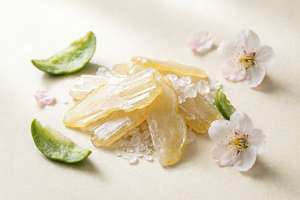
Overview of the effects and functions of plum slicesPlum slices, also known as borneol or dipterocarp, is a traditional Chinese medicinal material that has the effects of rejuvenating the mind, clearing away heat and relieving pain, reducing swelling and promoting muscle growth.Its main component is dextroborneol, which is widely used in the fields of medicine, cosmetics and spices.The core functions of plum slices include relieving headaches, anti-inflammatory and sterilizing, promoting wound h
-
View
Efficacy and functions of Kochia bark
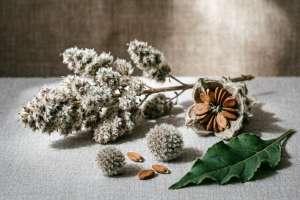
Overview of the efficacy and functions of Kochia barkKochia bark, also known as broom seedling, is a commonly used medicinal material in traditional Chinese medicine for clearing away heat and promoting dampness.Diuretic and relieve stranguria, dispel wind and relieve itching, clear away heat and detoxifyand other effects.It mainly acts on urinary system inflammation, skin itching and damp-heat jaundice, and is widely used clinically.Secondary functions include assisting in lowering blood sugar,
-
View
Efficacy and functions of Baiziren
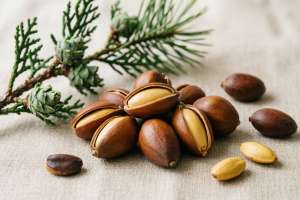
Overview of the efficacy and functions of BaizirenBaiziren is the dried and mature seed kernel of Platycladus orientalis, a plant in the Cupressaceae family. Traditional Chinese medicine believes that it is flat in nature and sweet in taste, and can be used to regulate the heart, kidney, and large intestine meridians.Nourish the heart and calm the nerves, moisturize the intestines and relieve constipation, and nourish the liver and kidneysand other effects.Its main functions include improving sy
-
View
Eclipta Eclipta efficacy and functions
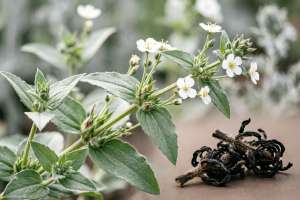
Overview of the efficacy and functions of EcliptaEclipta, also known as Eclipta or Eclipta, is a commonly used medicinal material in traditional Chinese medicine to nourish the liver and kidneys, cool blood and stop bleeding.Its core functions includeNourishes yin and nourishes kidney, blackens beard and hair, stops bleeding and reduces inflammation, the secondary effects involve improving hair loss, relieving gum bleeding and skin eczema.The primary and secondary structure is clear: liver and k
-

View
Function and role of hippocampus
Overview of the functions and functions of the hippocampusSeahorse is a precious marine creature recognized for its many benefits in both traditional medicine and modern research.Its main functions includeReplenishing kidneys and strengthening yang, anti-fatigue, regulating immunity, antioxidantetc., especially the effect of nourishing kidney and replenishing qi is the most prominent.In addition, the hippocampus also plays a certain role in improving blood circulation and relieving neurasthenia.
-
View
The effects and functions of fragrant fruit
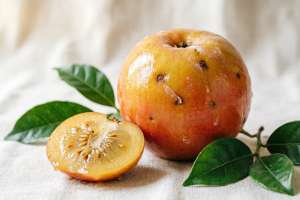
Overview of the effects and functions of fragrant fruitXiangguo, also known as Ligusticum chuanxiong or Shannai, is a plant with both medicinal and edible value, and its rhizomes are often used in traditional Chinese medicine.Its main functions includePromotes blood circulation and removes blood stasis, dispels wind and relieves pain, improves blood circulation, the secondary effects involve relieving headaches, joint pain and women’s menstrual discomfort.The active ingredients of xiangguo, su
-
View
Efficacy and functions of Cistanche deserticola
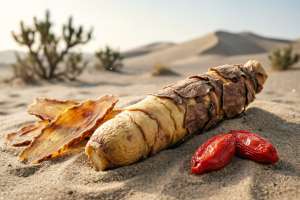
Overview of the efficacy and functions of Cistanche deserticolaCistanche deserticola, also known as Cistanche deserticola, is a traditional Chinese medicinal material mainly produced in desert areas and is known as "desert ginseng".Its core functions includeReplenishing kidney yang, replenishing essence and blood, moistening intestines and laxative, the secondary effects involve anti-aging, regulating immunity, etc.This article will start from its medicinal value, suitable people, usage methods
-
View
White peony effect and function
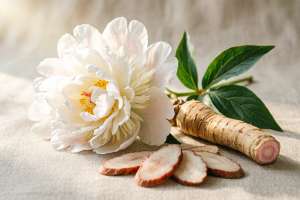
Overview of the efficacy and functions of white peony rootWhite peony root is a commonly used blood-nourishing and menstrual-regulating medicine in traditional Chinese medicine.Nourishes blood and softens liver, relieves pain, astringes yin and stops sweatingIt has core functions such as irregular menstruation, hypochondriac pain, spontaneous sweating and night sweats.Its functions can be divided into two categories: primary and secondary:Main functionsIncluding regulating female endocrine, reli
-
View
Efficacy and functions of Wu Hua Xue Teng
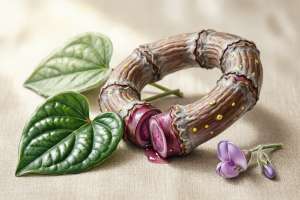
Overview of the efficacy and functions of SpatholobusFive-flowered bloodvine is a traditional Chinese medicinal material, which mainly hasPromotes blood circulation and removes blood stasis, unblocks collaterals to relieve pain, expels wind and removes dampnessIt has other effects and is often used to treat rheumatic arthralgia, bruises and irregular menstruation.Its core function is to promote blood circulation, relieve inflammation and pain, and its secondary functions include assisting in reg