
- Current location:Home page >> health information
What is drug excretion?
2026-07-12 07:01:27
Overview of drug excretion
Drug excretion is the process in which drugs or their metabolites are excreted from the body through urine, bile, sweat, etc., and is an important part of drug metabolism. The main contents include excretion pathways (mainly renal excretion), influencing factors (such as renal function, drug properties) and clinical significance (adjustment of medication regimen). Renal excretion involves glomerular filtration, tubular secretion, and reabsorption; other pathways such as bile excretion may trigger enterohepatic circulation. Understanding the excretion mechanism can help optimize dosing regimens and avoid drug accumulation and toxicity.
Main routes of drug excretion
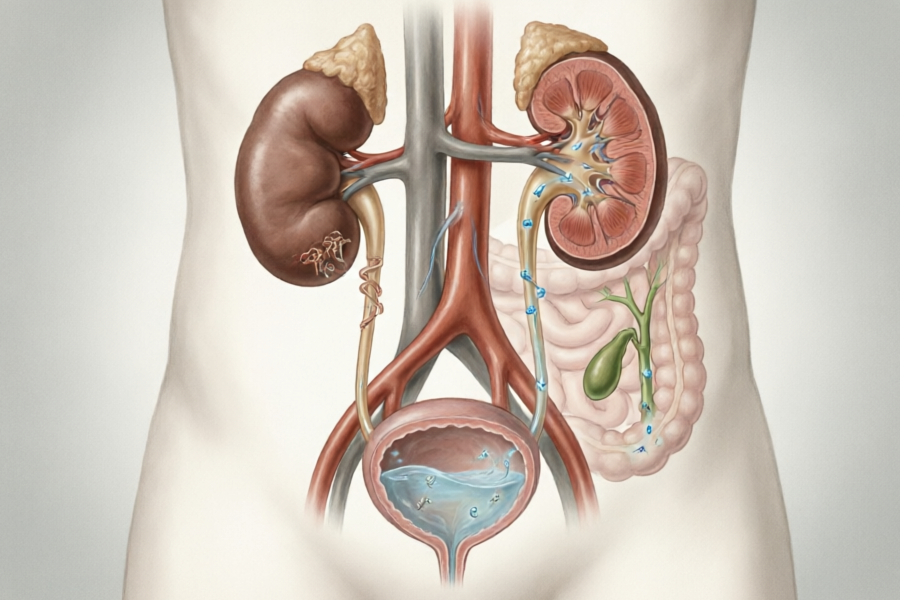
Drugs are excreted mainly throughkidneyCompleted, accounting for about 80% of the total excretion. The kidneys remove drugs through glomerular filtration (free drugs) and active tubular secretion (such as penicillin). Some drugs can be reabsorbed by the renal tubules (such as fat-soluble drugs). followed bybile excretion, the drug is metabolized by the liver and enters the intestine with bile, and part of it may be reabsorbed (enterohepatic circulation). In addition, small amounts of drugs passSweat, breast milk or breathExcretion, such as ethanol through exhalation, lactation drugs are excreted in breast milk, so special attention should be paid.
Key factors affecting drug excretion
Drug excretion efficiency is affected by multiple factors:kidney functionIt is the core. In cases of renal insufficiency, the dosage of drugs excreted by the kidneys (such as digoxin) needs to be adjusted;Drug physical and chemical propertiesFor example, lipid solubility (affecting reabsorption) and molecular weight (affecting filtration) also play an important role. In addition,urine pHCan change the degree of drug dissociation (such as alkalizing urine to accelerate salicylic acid excretion),Concomitant medicationMay compete for excretion pathways (e.g. probenecid delays penicillin excretion). Age (excretion slows in old age) and disease status (eg, cirrhosis affecting bile excretion) also need to be considered.
Clinical significance of drug excretion
Master the rules of excretionpersonalized medicineCrucial. For example, patients with renal insufficiency need to reduce the dose of antibiotics (such as vancomycin) that are mainly excreted by the kidneys; the use of enterohepatic circulation can prolong the action time of drugs (such as digoxigenin). Monitoring excretion rate can also assessdrug interactions(eg diuretics alter lithium excretion) andToxicity risk(eg methotrexate accumulation). Special groups such as pregnant women (placental transfer of drugs) and lactating women (lactation secretion of drugs) need to adjust the plan accordingly.
Summary and Outlook
Drug excretion is the final step in pharmacokinetics and is directly related to dosing frequency and safety. Future research will pay more attention toIndividual differences in excretion(e.g. genetic polymorphisms affecting transport proteins) andDevelopment of new excretion pathways(such as nanocarrier targeted excretion). Clinically, treatment plans should be dynamically optimized based on the patient's physiological state and drug characteristics to ensure a balance between efficacy and safety.
| Representative drug excretion pathways | Excretion proportion | Clinical considerations |
|---|---|---|
| Penicillin (kidney) | More than 90% | Reduce dosage in case of renal insufficiency |
| digoxin (kidney) | 60-80% | Monitor blood drug concentration to prevent poisoning |
| Erythromycin (bile) | about 50% | Prolongation of enterohepatic circulation |
Citing sources
1. "Pharmacology" (8th edition), People's Medical Publishing House, Editor-in-Chief: Yang Baofeng
2. Goodman & Gilman "Pharmacological Basis of Therapeutics", McGraw-Hill Publishing
3. Drug production information:
- Penicillin (North China Pharmaceutical, CSPC Pharmaceutical Group)
- Digoxin (Shanghai Xinyi Pharmaceutical Factory)
Relevant knowledge
- 2026-10-01How do women take care of their skin scientifically?
- 2026-10-01What is female beauty?
- 2026-09-30How can women supplement calcium scientifically?
- 2026-09-30What is calcium supplementation?
- 2026-09-30How often should bone density checks be done?
- 2026-09-29How to prevent osteoporosis?
- 2026-09-29Why are women prone to osteoporosis?
- 2026-09-29What is osteoporosis?
- 2026-09-28Is hormone replacement therapy safe?
- 2026-09-28What is hormone replacement therapy?
- 2026-09-28How to manage menopause?
- 2026-09-28What are the symptoms of menopause?
- 2026-09-28What is menopause?
- 2026-09-28What does a postpartum review include?
- 2026-09-27What is a postpartum review?
- 2026-09-27Is pelvic floor muscle repair necessary?
- 2026-09-27What is postpartum pelvic floor muscle repair?
- 2026-09-27How to lose weight scientifically after giving birth?
Chinese medicinal materials
More-
View
The efficacy and function of purple beads
Overview of the efficacy and functions of purple beadsPurpurea is a plant with medicinal value. Its leaves, roots and fruits can be used as medicine. Its main functions includeStop bleeding, reduce inflammation, clear away heat and detoxify, dissipate blood stasis and reduce swellingWait.In traditional medicine, purple pearls are often used to treat symptoms such as traumatic bleeding, bruises, and sore throat. Modern research has also found that it contains active ingredients such as flavonoids
-
View
The efficacy and function of locust bean
Overview of the efficacy and functions of locust beanSophora bean, also known as Sophora japonica or Sophora japonica, is the mature fruit of Sophora japonica tree, a leguminous plant, and has various medicinal values in traditional medicine.Its main functions includeClears away heat and cools blood, moisturizes intestines and relieves constipation, lowers blood pressure, and resists oxidationetc., suitable for relieving symptoms such as hemorrhoids, bloody stools, and high blood pressure.Modern
-
View
The efficacy and function of Baiziren
Overview of the efficacy and functions of BaizirenBaiziren is the dried and mature seed kernel of Platycladus orientalis, a plant in the Cupressaceae family. Traditional Chinese medicine believes that it is flat in nature and sweet in taste, and can be used to regulate the heart, kidney, and large intestine meridians.Nourish the heart and calm the nerves, moisturize the intestines and relieve constipation, and nourish the liver and kidneysand other effects.Modern research shows that cypress seed
-
View
The efficacy and function of plum slices
Overview of the effects and functions of plum slicesPlum slices, also known as borneol or dipterocarp, is a traditional Chinese medicinal material that has the effects of rejuvenating the mind, clearing away heat and relieving pain, reducing swelling and promoting muscle growth.Its main component is dextroborneol, which is widely used in the fields of medicine, cosmetics and spices.The core functions of plum slices include relieving headaches, anti-inflammatory and sterilizing, promoting wound h
-
View
Efficacy and functions of Kochia bark
Overview of the efficacy and functions of Kochia barkKochia bark, also known as broom seedling, is a commonly used medicinal material in traditional Chinese medicine for clearing away heat and promoting dampness.Diuretic and relieve stranguria, dispel wind and relieve itching, clear away heat and detoxifyand other effects.It mainly acts on urinary system inflammation, skin itching and damp-heat jaundice, and is widely used clinically.Secondary functions include assisting in lowering blood sugar,
-
View
Efficacy and functions of Baiziren
Overview of the efficacy and functions of BaizirenBaiziren is the dried and mature seed kernel of Platycladus orientalis, a plant in the Cupressaceae family. Traditional Chinese medicine believes that it is flat in nature and sweet in taste, and can be used to regulate the heart, kidney, and large intestine meridians.Nourish the heart and calm the nerves, moisturize the intestines and relieve constipation, and nourish the liver and kidneysand other effects.Its main functions include improving sy
-
View
Eclipta Eclipta efficacy and functions
Overview of the efficacy and functions of EcliptaEclipta, also known as Eclipta or Eclipta, is a commonly used medicinal material in traditional Chinese medicine to nourish the liver and kidneys, cool blood and stop bleeding.Its core functions includeNourishes yin and nourishes kidney, blackens beard and hair, stops bleeding and reduces inflammation, the secondary effects involve improving hair loss, relieving gum bleeding and skin eczema.The primary and secondary structure is clear: liver and k
-

View
Function and role of hippocampus
Overview of the functions and functions of the hippocampusSeahorse is a precious marine creature recognized for its many benefits in both traditional medicine and modern research.Its main functions includeReplenishing kidneys and strengthening yang, anti-fatigue, regulating immunity, antioxidantetc., especially the effect of nourishing kidney and replenishing qi is the most prominent.In addition, the hippocampus also plays a certain role in improving blood circulation and relieving neurasthenia.
-
View
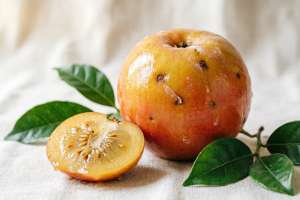
The effects and functions of fragrant fruit
Overview of the effects and functions of fragrant fruitXiangguo, also known as Ligusticum chuanxiong or Shannai, is a plant with both medicinal and edible value, and its rhizomes are often used in traditional Chinese medicine.Its main functions includePromotes blood circulation and removes blood stasis, dispels wind and relieves pain, improves blood circulation, the secondary effects involve relieving headaches, joint pain and women’s menstrual discomfort.The active ingredients of xiangguo, su
-

View
Efficacy and functions of Cistanche deserticola
Overview of the efficacy and functions of Cistanche deserticolaCistanche deserticola, also known as Cistanche deserticola, is a traditional Chinese medicinal material mainly produced in desert areas and is known as "desert ginseng".Its core functions includeReplenishing kidney yang, replenishing essence and blood, moistening intestines and laxative, the secondary effects involve anti-aging, regulating immunity, etc.This article will start from its medicinal value, suitable people, usage methods
-
View
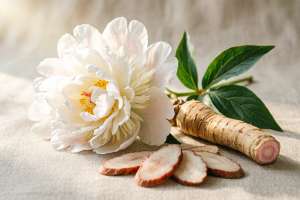
White peony effect and function
Overview of the efficacy and functions of white peony rootWhite peony root is a commonly used blood-nourishing and menstrual-regulating medicine in traditional Chinese medicine.Nourishes blood and softens liver, relieves pain, astringes yin and stops sweatingIt has core functions such as irregular menstruation, hypochondriac pain, spontaneous sweating and night sweats.Its functions can be divided into two categories: primary and secondary:Main functionsIncluding regulating female endocrine, reli
-
View
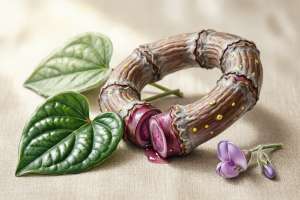
Efficacy and functions of Wu Hua Xue Teng
Overview of the efficacy and functions of SpatholobusFive-flowered bloodvine is a traditional Chinese medicinal material, which mainly hasPromotes blood circulation and removes blood stasis, unblocks collaterals to relieve pain, expels wind and removes dampnessIt has other effects and is often used to treat rheumatic arthralgia, bruises and irregular menstruation.Its core function is to promote blood circulation, relieve inflammation and pain, and its secondary functions include assisting in reg