
- Current location:Home page >> health information
What is medical malpractice?
2026-07-18 02:53:30
An overview of the definition and core content of medical malpractice
Medical accidents refer to accidents in which medical institutions and their medical staff violate medical and health management laws, administrative regulations, departmental rules or diagnosis and treatment nursing standards during diagnosis and treatment activities, causing personal injury to patients. Its core elements includeSubject (medical personnel or medical institutions), illegality of behavior, subjective negligence, damage consequences and causal relationship. According to the "Medical Accident Handling Regulations", medical accidents are divided into four levels, ranging from minor functional impairment to patient death. This article will start from five aspects: definition, classification, responsibility determination, preventive measures and legal treatment to help readers fully understand the definition and response of medical accidents.
Classification and typical manifestations of medical accidents

Medical malpractice is divided into four levels according to the degree of damage:Level 1 is when the patient dies or is severely disabled, the second level is moderate disability or organ damage, the third level is mild disability or general functional impairment, and the fourth level is other obvious personal damage. For example, accidental cutting of healthy organs during surgery and irreversible damage caused by overdose are all typical medical accidents. Classification not only affects the determination of liability, but also affects the standard of compensation. It should be noted that medical accidents (such as unforeseen allergic reactions) or the deterioration of the patient's own condition do not fall within the scope of medical malpractice.
Responsibility identification and causal relationship analysis
Determination of medical malpractice needs to be clearDirect connection between negligent behavior and damage results. Usually, the medical association organizes expert appraisal to analyze whether the diagnosis and treatment process meets the standards. For example, failure to perform informed consent, missed diagnosis, and delayed treatment may be considered negligence. However, if the damage is caused by multiple factors (such as the patient concealing medical history), liability may be partially exempted. In practice, medical institutions need to provide complete medical records as evidence, and patients need to prove the causal relationship between the damage and the medical behavior.
Preventive Measures and Risk Management
Reducing medical errors requires a multi-pronged approach:Strengthen training for medical staff, strictly implement the verification system; improve the electronic medical record system to avoid operational errors; establish a patient safety reporting mechanism to encourage reporting of adverse events. For example, some hospitals have introduced AI-assisted diagnosis systems to reduce misdiagnosis rates, but the technology is only used as an auxiliary tool. In addition, transparent communication between doctors and patients (such as detailed disclosure of risks) can also significantly reduce disputes.
Legal processing and patient rights protection channels
After a medical accident occurs, patients canNegotiation, administrative mediation or litigationRights protection. The scope of compensation includes medical expenses, lost wages, disability living allowance, etc. If negotiation fails, you can apply to the health administrative department for mediation or direct prosecution. It is worth noting that the statute of limitations is one year (from the time of knowledge of the damage). Medical institutions can share risks through medical liability insurance, but intentional or grossly negligent acts are not covered. Ultimately, legal and compliant diagnosis and treatment practices are fundamental to avoiding accidents.
| Medical accident classification | Damage standard | Reference basis for compensation |
|---|---|---|
| First class | Patient died | Article 1218 of the Civil Code |
| Second Class B | moderately disabled | "Medical Accident Grading Standards" |
Quote sources:
1. "Regulations on Handling Medical Accidents" of the State Council (2002)
2. "Civil Code of the People's Republic of China" of the Standing Committee of the National People's Congress
3. Chinese Hospital Association’s “Patient Safety Goals” (2023 Edition)
4. Typical case reference: Supreme People’s Court Gazette Case (2018) Minshen Zi No. 1234
Relevant knowledge
- 2026-10-01How do women take care of their skin scientifically?
- 2026-10-01What is female beauty?
- 2026-09-30How can women supplement calcium scientifically?
- 2026-09-30What is calcium supplementation?
- 2026-09-30How often should bone density checks be done?
- 2026-09-29How to prevent osteoporosis?
- 2026-09-29Why are women prone to osteoporosis?
- 2026-09-29What is osteoporosis?
- 2026-09-28Is hormone replacement therapy safe?
- 2026-09-28What is hormone replacement therapy?
- 2026-09-28How to manage menopause?
- 2026-09-28What are the symptoms of menopause?
- 2026-09-28What is menopause?
- 2026-09-28What does a postpartum review include?
- 2026-09-27What is a postpartum review?
- 2026-09-27Is pelvic floor muscle repair necessary?
- 2026-09-27What is postpartum pelvic floor muscle repair?
- 2026-09-27How to lose weight scientifically after giving birth?
Chinese medicinal materials
More-

View
The efficacy and function of purple beads
Overview of the efficacy and functions of purple beadsPurpurea is a plant with medicinal value. Its leaves, roots and fruits can be used as medicine. Its main functions includeStop bleeding, reduce inflammation, clear away heat and detoxify, dissipate blood stasis and reduce swellingWait.In traditional medicine, purple pearls are often used to treat symptoms such as traumatic bleeding, bruises, and sore throat. Modern research has also found that it contains active ingredients such as flavonoids
-

View
The efficacy and function of locust bean
Overview of the efficacy and functions of locust beanSophora bean, also known as Sophora japonica or Sophora japonica, is the mature fruit of Sophora japonica tree, a leguminous plant, and has various medicinal values in traditional medicine.Its main functions includeClears away heat and cools blood, moisturizes intestines and relieves constipation, lowers blood pressure, and resists oxidationetc., suitable for relieving symptoms such as hemorrhoids, bloody stools, and high blood pressure.Modern
-
View
The efficacy and function of Baiziren
Overview of the efficacy and functions of BaizirenBaiziren is the dried and mature seed kernel of Platycladus orientalis, a plant in the Cupressaceae family. Traditional Chinese medicine believes that it is flat in nature and sweet in taste, and can be used to regulate the heart, kidney, and large intestine meridians.Nourish the heart and calm the nerves, moisturize the intestines and relieve constipation, and nourish the liver and kidneysand other effects.Modern research shows that cypress seed
-
View
The efficacy and function of plum slices
Overview of the effects and functions of plum slicesPlum slices, also known as borneol or dipterocarp, is a traditional Chinese medicinal material that has the effects of rejuvenating the mind, clearing away heat and relieving pain, reducing swelling and promoting muscle growth.Its main component is dextroborneol, which is widely used in the fields of medicine, cosmetics and spices.The core functions of plum slices include relieving headaches, anti-inflammatory and sterilizing, promoting wound h
-
View
Efficacy and functions of Kochia bark
Overview of the efficacy and functions of Kochia barkKochia bark, also known as broom seedling, is a commonly used medicinal material in traditional Chinese medicine for clearing away heat and promoting dampness.Diuretic and relieve stranguria, dispel wind and relieve itching, clear away heat and detoxifyand other effects.It mainly acts on urinary system inflammation, skin itching and damp-heat jaundice, and is widely used clinically.Secondary functions include assisting in lowering blood sugar,
-
View
Efficacy and functions of Baiziren
Overview of the efficacy and functions of BaizirenBaiziren is the dried and mature seed kernel of Platycladus orientalis, a plant in the Cupressaceae family. Traditional Chinese medicine believes that it is flat in nature and sweet in taste, and can be used to regulate the heart, kidney, and large intestine meridians.Nourish the heart and calm the nerves, moisturize the intestines and relieve constipation, and nourish the liver and kidneysand other effects.Its main functions include improving sy
-
View
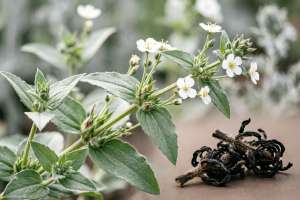
Eclipta Eclipta efficacy and functions
Overview of the efficacy and functions of EcliptaEclipta, also known as Eclipta or Eclipta, is a commonly used medicinal material in traditional Chinese medicine to nourish the liver and kidneys, cool blood and stop bleeding.Its core functions includeNourishes yin and nourishes kidney, blackens beard and hair, stops bleeding and reduces inflammation, the secondary effects involve improving hair loss, relieving gum bleeding and skin eczema.The primary and secondary structure is clear: liver and k
-

View
Function and role of hippocampus
Overview of the functions and functions of the hippocampusSeahorse is a precious marine creature recognized for its many benefits in both traditional medicine and modern research.Its main functions includeReplenishing kidneys and strengthening yang, anti-fatigue, regulating immunity, antioxidantetc., especially the effect of nourishing kidney and replenishing qi is the most prominent.In addition, the hippocampus also plays a certain role in improving blood circulation and relieving neurasthenia.
-
View
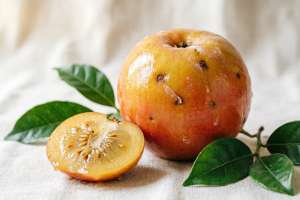
The effects and functions of fragrant fruit
Overview of the effects and functions of fragrant fruitXiangguo, also known as Ligusticum chuanxiong or Shannai, is a plant with both medicinal and edible value, and its rhizomes are often used in traditional Chinese medicine.Its main functions includePromotes blood circulation and removes blood stasis, dispels wind and relieves pain, improves blood circulation, the secondary effects involve relieving headaches, joint pain and women’s menstrual discomfort.The active ingredients of xiangguo, su
-
View
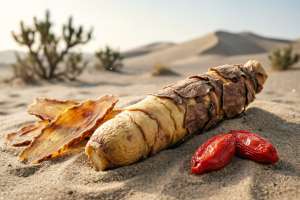
Efficacy and functions of Cistanche deserticola
Overview of the efficacy and functions of Cistanche deserticolaCistanche deserticola, also known as Cistanche deserticola, is a traditional Chinese medicinal material mainly produced in desert areas and is known as "desert ginseng".Its core functions includeReplenishing kidney yang, replenishing essence and blood, moistening intestines and laxative, the secondary effects involve anti-aging, regulating immunity, etc.This article will start from its medicinal value, suitable people, usage methods
-
View
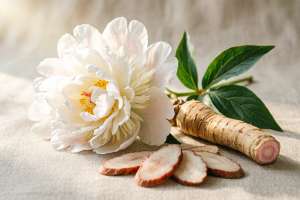
White peony effect and function
Overview of the efficacy and functions of white peony rootWhite peony root is a commonly used blood-nourishing and menstrual-regulating medicine in traditional Chinese medicine.Nourishes blood and softens liver, relieves pain, astringes yin and stops sweatingIt has core functions such as irregular menstruation, hypochondriac pain, spontaneous sweating and night sweats.Its functions can be divided into two categories: primary and secondary:Main functionsIncluding regulating female endocrine, reli
-
View
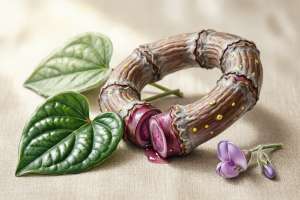
Efficacy and functions of Wu Hua Xue Teng
Overview of the efficacy and functions of SpatholobusFive-flowered bloodvine is a traditional Chinese medicinal material, which mainly hasPromotes blood circulation and removes blood stasis, unblocks collaterals to relieve pain, expels wind and removes dampnessIt has other effects and is often used to treat rheumatic arthralgia, bruises and irregular menstruation.Its core function is to promote blood circulation, relieve inflammation and pain, and its secondary functions include assisting in reg