
- Current location:Home page >> health information
What is the role of the medical alliance?
2026-07-22 22:44:29
The role and core value of the medical alliance
Medical consortium (medical consortium) is an important model that integrates medical resources at different levels to realize the sinking of high-quality medical resources, improve grassroots service capabilities, and optimize the patient medical process. Its core functions include:Promote hierarchical diagnosis and treatment(Relieving pressure on large hospitals),Resource sharing(equipment, technology and talent exchange),Improve the level of primary care(through training and assistance) andReduce medical costs(Reduce duplication of checks). In terms of primary and secondary structure, resource coordination and patient benefit are the primary goals, followed by management efficiency improvement and regional health data integration.
Promote hierarchical diagnosis and treatment and optimize the medical structure

By clarifying the functions of medical institutions at all levels, the medical consortium guides patients with common and chronic diseases to be diverted to the grassroots level. For example, tertiary hospitals are responsible for difficult and severe diseases, and community hospitals are responsible for rehabilitation and health management, forming a closed loop of "minor illnesses are in the community, serious illnesses are transferred to the hospital, and rehabilitation is returned to the community". According to statistics, the proportion of primary outpatient clinics in some pilot areas has increased by 20%-30% (data source:National Health Commission's "Evaluation Report on the Pilot of Medical Alliance Construction"). This model not only relieves congestion in large hospitals, but also reduces the financial burden on patients.
The implementation of resource sharing and technical assistance
Within the medical consortium, resources are efficiently allocated through remote consultation, expert dispatch, and equipment sharing. For example, Beijing Chaoyang Medical Alliance uses the imaging center to uniformly interpret CT reports from primary hospitals, with an accuracy rate of over 95% (data source:"Chinese Hospital Management" Journal). At the same time, top tertiary hospitals regularly train grassroots medical staff. For example, the Zhejiang Provincial People's Hospital Medical Consortium trains more than 500 people per year on average, significantly improving grassroots diagnosis and treatment capabilities.
Effectiveness of management collaboration and cost control
The unified electronic medical record system, drug procurement platform and performance management mechanism reduce administrative redundancy. For example, Shenzhen Luohu Medical Alliance reduced drug costs by 15% through integrated procurement channels (data source:Shenzhen Municipal Health Commission public data). In addition, data interconnection avoids repeated examinations, and patients save an average of about 200 yuan/time (
| Project | Save money |
| Imaging examination | 150-300 yuan |
| Laboratory items | 80-200 yuan |
Summary: The social value and future prospects of the medical alliance
The medical consortium gradually realizes the equity and accessibility goals in the "Healthy China" strategy through resource integration and collaboration mechanisms. In the future, policy support (such as medical insurance payment reform) and technological empowerment (5G telemedicine) need to be further strengthened. Currently,WeDoctor, Ping An Good DoctorOther companies have participated in the informatization construction of medical consortiums in many places, and products such as "cloud clinics" have helped upgrade grassroots services (source:"Health News" report in 2023). This model will continue to promote the transformation of the medical system from "treatment-centered" to "health-centered".
Relevant knowledge
- 2026-10-01How do women take care of their skin scientifically?
- 2026-10-01What is female beauty?
- 2026-09-30How can women supplement calcium scientifically?
- 2026-09-30What is calcium supplementation?
- 2026-09-30How often should bone density checks be done?
- 2026-09-29How to prevent osteoporosis?
- 2026-09-29Why are women prone to osteoporosis?
- 2026-09-29What is osteoporosis?
- 2026-09-28Is hormone replacement therapy safe?
- 2026-09-28What is hormone replacement therapy?
- 2026-09-28How to manage menopause?
- 2026-09-28What are the symptoms of menopause?
- 2026-09-28What is menopause?
- 2026-09-28What does a postpartum review include?
- 2026-09-27What is a postpartum review?
- 2026-09-27Is pelvic floor muscle repair necessary?
- 2026-09-27What is postpartum pelvic floor muscle repair?
- 2026-09-27How to lose weight scientifically after giving birth?
Chinese medicinal materials
More-

View
The efficacy and function of purple beads
Overview of the efficacy and functions of purple beadsPurpurea is a plant with medicinal value. Its leaves, roots and fruits can be used as medicine. Its main functions includeStop bleeding, reduce inflammation, clear away heat and detoxify, dissipate blood stasis and reduce swellingWait.In traditional medicine, purple pearls are often used to treat symptoms such as traumatic bleeding, bruises, and sore throat. Modern research has also found that it contains active ingredients such as flavonoids
-

View
The efficacy and function of locust bean
Overview of the efficacy and functions of locust beanSophora bean, also known as Sophora japonica or Sophora japonica, is the mature fruit of Sophora japonica tree, a leguminous plant, and has various medicinal values in traditional medicine.Its main functions includeClears away heat and cools blood, moisturizes intestines and relieves constipation, lowers blood pressure, and resists oxidationetc., suitable for relieving symptoms such as hemorrhoids, bloody stools, and high blood pressure.Modern
-
View
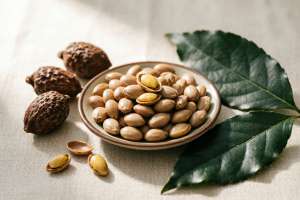
The efficacy and function of Baiziren
Overview of the efficacy and functions of BaizirenBaiziren is the dried and mature seed kernel of Platycladus orientalis, a plant in the Cupressaceae family. Traditional Chinese medicine believes that it is flat in nature and sweet in taste, and can be used to regulate the heart, kidney, and large intestine meridians.Nourish the heart and calm the nerves, moisturize the intestines and relieve constipation, and nourish the liver and kidneysand other effects.Modern research shows that cypress seed
-
View
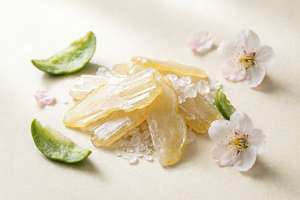
The efficacy and function of plum slices
Overview of the effects and functions of plum slicesPlum slices, also known as borneol or dipterocarp, is a traditional Chinese medicinal material that has the effects of rejuvenating the mind, clearing away heat and relieving pain, reducing swelling and promoting muscle growth.Its main component is dextroborneol, which is widely used in the fields of medicine, cosmetics and spices.The core functions of plum slices include relieving headaches, anti-inflammatory and sterilizing, promoting wound h
-

View
Efficacy and functions of Kochia bark
Overview of the efficacy and functions of Kochia barkKochia bark, also known as broom seedling, is a commonly used medicinal material in traditional Chinese medicine for clearing away heat and promoting dampness.Diuretic and relieve stranguria, dispel wind and relieve itching, clear away heat and detoxifyand other effects.It mainly acts on urinary system inflammation, skin itching and damp-heat jaundice, and is widely used clinically.Secondary functions include assisting in lowering blood sugar,
-
View
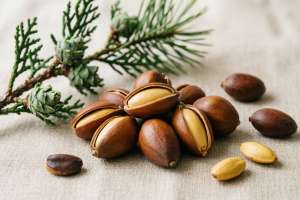
Efficacy and functions of Baiziren
Overview of the efficacy and functions of BaizirenBaiziren is the dried and mature seed kernel of Platycladus orientalis, a plant in the Cupressaceae family. Traditional Chinese medicine believes that it is flat in nature and sweet in taste, and can be used to regulate the heart, kidney, and large intestine meridians.Nourish the heart and calm the nerves, moisturize the intestines and relieve constipation, and nourish the liver and kidneysand other effects.Its main functions include improving sy
-
View
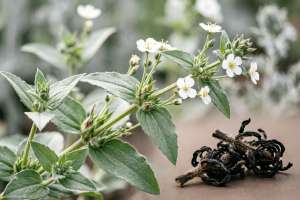
Eclipta Eclipta efficacy and functions
Overview of the efficacy and functions of EcliptaEclipta, also known as Eclipta or Eclipta, is a commonly used medicinal material in traditional Chinese medicine to nourish the liver and kidneys, cool blood and stop bleeding.Its core functions includeNourishes yin and nourishes kidney, blackens beard and hair, stops bleeding and reduces inflammation, the secondary effects involve improving hair loss, relieving gum bleeding and skin eczema.The primary and secondary structure is clear: liver and k
-

View
Function and role of hippocampus
Overview of the functions and functions of the hippocampusSeahorse is a precious marine creature recognized for its many benefits in both traditional medicine and modern research.Its main functions includeReplenishing kidneys and strengthening yang, anti-fatigue, regulating immunity, antioxidantetc., especially the effect of nourishing kidney and replenishing qi is the most prominent.In addition, the hippocampus also plays a certain role in improving blood circulation and relieving neurasthenia.
-
View
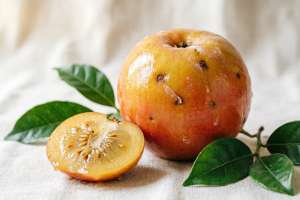
The effects and functions of fragrant fruit
Overview of the effects and functions of fragrant fruitXiangguo, also known as Ligusticum chuanxiong or Shannai, is a plant with both medicinal and edible value, and its rhizomes are often used in traditional Chinese medicine.Its main functions includePromotes blood circulation and removes blood stasis, dispels wind and relieves pain, improves blood circulation, the secondary effects involve relieving headaches, joint pain and women’s menstrual discomfort.The active ingredients of xiangguo, su
-

View
Efficacy and functions of Cistanche deserticola
Overview of the efficacy and functions of Cistanche deserticolaCistanche deserticola, also known as Cistanche deserticola, is a traditional Chinese medicinal material mainly produced in desert areas and is known as "desert ginseng".Its core functions includeReplenishing kidney yang, replenishing essence and blood, moistening intestines and laxative, the secondary effects involve anti-aging, regulating immunity, etc.This article will start from its medicinal value, suitable people, usage methods
-
View
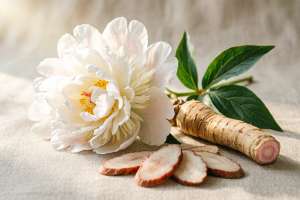
White peony effect and function
Overview of the efficacy and functions of white peony rootWhite peony root is a commonly used blood-nourishing and menstrual-regulating medicine in traditional Chinese medicine.Nourishes blood and softens liver, relieves pain, astringes yin and stops sweatingIt has core functions such as irregular menstruation, hypochondriac pain, spontaneous sweating and night sweats.Its functions can be divided into two categories: primary and secondary:Main functionsIncluding regulating female endocrine, reli
-
View
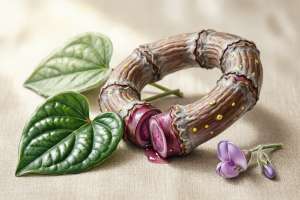
Efficacy and functions of Wu Hua Xue Teng
Overview of the efficacy and functions of SpatholobusFive-flowered bloodvine is a traditional Chinese medicinal material, which mainly hasPromotes blood circulation and removes blood stasis, unblocks collaterals to relieve pain, expels wind and removes dampnessIt has other effects and is often used to treat rheumatic arthralgia, bruises and irregular menstruation.Its core function is to promote blood circulation, relieve inflammation and pain, and its secondary functions include assisting in reg