
- Current location:Home page >> health information
How to conduct health notification correctly?
2026-07-30 02:56:30
How to conduct health notification correctly?
Health notification is an important step when purchasing insurance, which directly affects the smoothness of subsequent claims settlement. This article will start fromInforming principles, common misunderstandings, and operating techniquesThree aspects are developed to help you fully understand how to complete health notifications in a standardized and truthful manner. First of all, it is necessary to clarify "Tell the truth ≠ tell everything”, the point is to followlimited notification principle, that is, only answer specific questions raised by the insurance company to avoid excessive disclosure; secondly, you need to be wary of misunderstandings such as "concealing medical history" or "self-diagnosis"; and finally, analyze practical methods through cases.
1. Core principles of health notification: limited notification

According to Article 16 of the Insurance Law, policyholders are required toContents of the written inquiryAnswer truthfully, but do not volunteer any medical history that was not mentioned. For example, a critical illness insurance questionnaire asks "whether you have thyroid nodules." If you have not been diagnosed and only the physical examination report shows "abnormality", there is no need to inform you. However, if the diagnosis is clear and the conditions of the questionnaire are met, disclosure must be made. The key points are:Use medical records as the basis to avoid subjective guessing. Some products will indicate a time range (such as "hospitalization history within the past 2 years"), and medical history beyond the time limit may not be disclosed.
2. Common misunderstandings and risk avoidance
Common misunderstandings in health notifications include:Confusing "symptoms" with "disease"(such as occasional headache ≠ migraine),Missing abnormal items in physical examination(Some companies will obtain physical examination reports),Ignore the retrospective period. For example, Ms. Wang did not disclose her breast hyperplasia 5 years ago when she applied for insurance, but because this medical history was directly related to the claim for late-stage breast cancer, the claim was refused. It is recommended to sort out before purchasing insuranceOutpatient/hospitalization records, physical examination reports, medical insurance card usage records, check each item against the questionnaire, and consult a professional consultant if necessary.
3. Practical skills: coping strategies for ambiguous problems
For general questions such as "Are there any other diseases not mentioned?", you can use"Concrete" response: If hypertension is not listed in the questionnaire and you have no relevant diagnosis and treatment records, there is no need to supplement it. For uncertain health status (such as ungraded pulmonary nodules), the nature of the disease can be clarified through a physical examination before taking out insurance. If there is already a non-standard body situation, you can chooseProducts with loose underwriting(For example, some cancer insurance plans are open to people with high blood pressure and high blood pressure), or try "Pre-underwriting"Lock in your underwriting results in advance.
Summary: “Three Do’s and Three Don’ts” of health information
wantBased on written questionnaire, wantProvide complete medical records, wantMake good use of underwriting channels;Don'tSubjective assumptions about health status, don’tMissing key time points, don’tNeglect of supplementary notification obligations. Correct notification is not only the protection of one's own rights and interests, but also the embodiment of the spirit of the insurance contract. If you encounter complex situations, you can refer to the judicial interpretation of the Insurance Law or consult the certification agency of the China Banking and Insurance Regulatory Commission.
| Citing sources | Related content |
|---|---|
| Article 16 of the Insurance Law of the People's Republic of China | The legal basis for the obligation to truthfully inform |
| China Banking and Insurance Regulatory Commission's "Personal Insurance Insurance Tips" | Health notification practices |
| Ping An Life "Underwriting Practice Manual" | Underwriting standards for common diseases |
(Note: The cases in this article are simplified explanations, and the specific underwriting results are subject to the actual evaluation of the insurance company.)
Relevant knowledge
- 2026-10-01How do women take care of their skin scientifically?
- 2026-10-01What is female beauty?
- 2026-09-30How can women supplement calcium scientifically?
- 2026-09-30What is calcium supplementation?
- 2026-09-30How often should bone density checks be done?
- 2026-09-29How to prevent osteoporosis?
- 2026-09-29Why are women prone to osteoporosis?
- 2026-09-29What is osteoporosis?
- 2026-09-28Is hormone replacement therapy safe?
- 2026-09-28What is hormone replacement therapy?
- 2026-09-28How to manage menopause?
- 2026-09-28What are the symptoms of menopause?
- 2026-09-28What is menopause?
- 2026-09-28What does a postpartum review include?
- 2026-09-27What is a postpartum review?
- 2026-09-27Is pelvic floor muscle repair necessary?
- 2026-09-27What is postpartum pelvic floor muscle repair?
- 2026-09-27How to lose weight scientifically after giving birth?
Chinese medicinal materials
More-

View
The efficacy and function of purple beads
Overview of the efficacy and functions of purple beadsPurpurea is a plant with medicinal value. Its leaves, roots and fruits can be used as medicine. Its main functions includeStop bleeding, reduce inflammation, clear away heat and detoxify, dissipate blood stasis and reduce swellingWait.In traditional medicine, purple pearls are often used to treat symptoms such as traumatic bleeding, bruises, and sore throat. Modern research has also found that it contains active ingredients such as flavonoids
-

View
The efficacy and function of locust bean
Overview of the efficacy and functions of locust beanSophora bean, also known as Sophora japonica or Sophora japonica, is the mature fruit of Sophora japonica tree, a leguminous plant, and has various medicinal values in traditional medicine.Its main functions includeClears away heat and cools blood, moisturizes intestines and relieves constipation, lowers blood pressure, and resists oxidationetc., suitable for relieving symptoms such as hemorrhoids, bloody stools, and high blood pressure.Modern
-
View
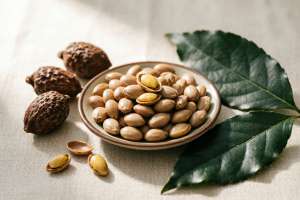
The efficacy and function of Baiziren
Overview of the efficacy and functions of BaizirenBaiziren is the dried and mature seed kernel of Platycladus orientalis, a plant in the Cupressaceae family. Traditional Chinese medicine believes that it is flat in nature and sweet in taste, and can be used to regulate the heart, kidney, and large intestine meridians.Nourish the heart and calm the nerves, moisturize the intestines and relieve constipation, and nourish the liver and kidneysand other effects.Modern research shows that cypress seed
-
View
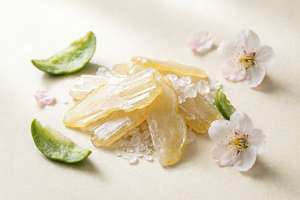
The efficacy and function of plum slices
Overview of the effects and functions of plum slicesPlum slices, also known as borneol or dipterocarp, is a traditional Chinese medicinal material that has the effects of rejuvenating the mind, clearing away heat and relieving pain, reducing swelling and promoting muscle growth.Its main component is dextroborneol, which is widely used in the fields of medicine, cosmetics and spices.The core functions of plum slices include relieving headaches, anti-inflammatory and sterilizing, promoting wound h
-
View
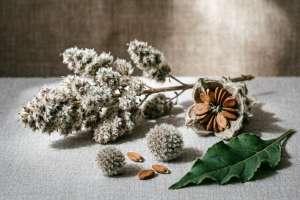
Efficacy and functions of Kochia bark
Overview of the efficacy and functions of Kochia barkKochia bark, also known as broom seedling, is a commonly used medicinal material in traditional Chinese medicine for clearing away heat and promoting dampness.Diuretic and relieve stranguria, dispel wind and relieve itching, clear away heat and detoxifyand other effects.It mainly acts on urinary system inflammation, skin itching and damp-heat jaundice, and is widely used clinically.Secondary functions include assisting in lowering blood sugar,
-
View
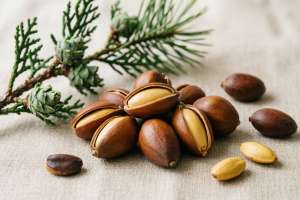
Efficacy and functions of Baiziren
Overview of the efficacy and functions of BaizirenBaiziren is the dried and mature seed kernel of Platycladus orientalis, a plant in the Cupressaceae family. Traditional Chinese medicine believes that it is flat in nature and sweet in taste, and can be used to regulate the heart, kidney, and large intestine meridians.Nourish the heart and calm the nerves, moisturize the intestines and relieve constipation, and nourish the liver and kidneysand other effects.Its main functions include improving sy
-

View
Eclipta Eclipta efficacy and functions
Overview of the efficacy and functions of EcliptaEclipta, also known as Eclipta or Eclipta, is a commonly used medicinal material in traditional Chinese medicine to nourish the liver and kidneys, cool blood and stop bleeding.Its core functions includeNourishes yin and nourishes kidney, blackens beard and hair, stops bleeding and reduces inflammation, the secondary effects involve improving hair loss, relieving gum bleeding and skin eczema.The primary and secondary structure is clear: liver and k
-

View
Function and role of hippocampus
Overview of the functions and functions of the hippocampusSeahorse is a precious marine creature recognized for its many benefits in both traditional medicine and modern research.Its main functions includeReplenishing kidneys and strengthening yang, anti-fatigue, regulating immunity, antioxidantetc., especially the effect of nourishing kidney and replenishing qi is the most prominent.In addition, the hippocampus also plays a certain role in improving blood circulation and relieving neurasthenia.
-
View
The effects and functions of fragrant fruit
Overview of the effects and functions of fragrant fruitXiangguo, also known as Ligusticum chuanxiong or Shannai, is a plant with both medicinal and edible value, and its rhizomes are often used in traditional Chinese medicine.Its main functions includePromotes blood circulation and removes blood stasis, dispels wind and relieves pain, improves blood circulation, the secondary effects involve relieving headaches, joint pain and women’s menstrual discomfort.The active ingredients of xiangguo, su
-

View
Efficacy and functions of Cistanche deserticola
Overview of the efficacy and functions of Cistanche deserticolaCistanche deserticola, also known as Cistanche deserticola, is a traditional Chinese medicinal material mainly produced in desert areas and is known as "desert ginseng".Its core functions includeReplenishing kidney yang, replenishing essence and blood, moistening intestines and laxative, the secondary effects involve anti-aging, regulating immunity, etc.This article will start from its medicinal value, suitable people, usage methods
-
View
White peony effect and function
Overview of the efficacy and functions of white peony rootWhite peony root is a commonly used blood-nourishing and menstrual-regulating medicine in traditional Chinese medicine.Nourishes blood and softens liver, relieves pain, astringes yin and stops sweatingIt has core functions such as irregular menstruation, hypochondriac pain, spontaneous sweating and night sweats.Its functions can be divided into two categories: primary and secondary:Main functionsIncluding regulating female endocrine, reli
-

View
Efficacy and functions of Wu Hua Xue Teng
Overview of the efficacy and functions of SpatholobusFive-flowered bloodvine is a traditional Chinese medicinal material, which mainly hasPromotes blood circulation and removes blood stasis, unblocks collaterals to relieve pain, expels wind and removes dampnessIt has other effects and is often used to treat rheumatic arthralgia, bruises and irregular menstruation.Its core function is to promote blood circulation, relieve inflammation and pain, and its secondary functions include assisting in reg