
- Current location:Home page >> health information
What are common health myths?
2026-08-07 19:32:24
Analysis of common health misunderstandings: scientific understanding and truth
Health misunderstandings widely exist in daily life, often misleading the public due to traditional concepts or one-sided information. This article will focus onDiet, exercise, sleep, health productsThe four core misunderstandings unfold and reveal the truth clearly. Firstly, we analyze the blind idea that "eating more supplements will make you healthier", secondly correct the misconception that "the more exercise, the better", then explore the unscientific statement that "staying up late can be compensated by catching up on sleep", and finally clarify the risks of supplements instead of drugs. Help readers establish a correct view of health through scientific basis and authoritative data.
Myth 1: The more supplements you take, the healthier you will be
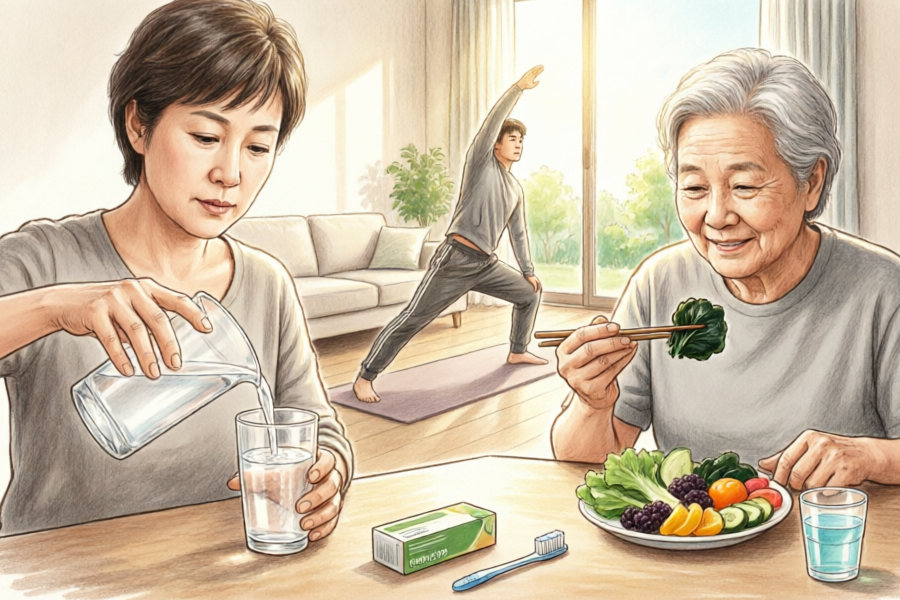
Many people think that expensive supplements such as bird's nest and ginseng are "universal nutrients", but in fact, excessive intake may cause side effects. For example, ginseng contains saponins, and excessive consumption can cause blood pressure fluctuations (citation source: "Chinese Pharmacopoeia"). The U.S. FDA has warned that some supplements have unproven efficacy. For example, collagen oral solution can only be broken down into amino acids and cannot directly replenish the skin (manufacturers: Swisse, Fancl; product name: collagen powder). A balanced diet is the key. The protein absorption rate of eggs and beans is as high as 90%, which is much higher than most supplements.
Myth 2: Vigorous exercise equals efficient fat burning
Blind pursuit of high-intensity exercise may damage joints or cause myocardial overuse. The World Health Organization recommends that adults achieve the target by doing 150 minutes of moderate-intensity exercise (such as brisk walking and swimming) per week. Research from Harvard Medical School shows that the incidence of arthritis in people who exercise excessively is 27% higher than in those who exercise moderately (data shown in the table below). Exercise should be gradual and combine aerobic and strength training, such as yoga combined with jogging.
| exercise type | Risk of joint damage | Suitable crowd |
|---|---|---|
| Marathon | high | professional athlete |
| Go quickly | low | Middle-aged and elderly people |
Myth 3: Catching up on sleep after staying up late will help your body recover
Lack of sleep will accumulate "sleep debt", and short-term supplementary sleep cannot make up for the damage to the biological clock caused by staying up late for a long time. Nobel Prize winner in physiology Michael Rosbash pointed out that circadian rhythm disorders may increase the risk of diabetes by 20%. It is recommended to set a fixed bedtime and avoid using electronic devices before going to bed. If you need to stay up late, you can take a nap for 20 minutes, but it should not exceed 1 hour to avoid entering a deep sleep cycle.
Myth 4: Health products can replace drug treatment
Some merchants advocate that "health products can cure all diseases", but the State Administration for Market Regulation clearly requires that health products must not be labeled with therapeutic functions (for example, Xiuji Pharmaceutical's "Spirulina Tablets" were punished for false advertising). Vitamin C tablets (manufacturers: Yangshengtang, Sencun) only assist in immune regulation and cannot replace antibiotics. Patients with chronic diseases need to follow the doctor's advice and should not stop taking medicine without authorization.
Summary: Scientific knowledge is the cornerstone of health
Health needs to be based onmoderation, balance, regularityOn three major principles. Supplements are not as good as natural diet, exercise must be done according to one's ability, sleep cannot be "paid back in installments", and health products are not medicines. Citing the guidelines of the Chinese Nutrition Society, it is recommended to consume more than 12 kinds of food every day, exercise 3-5 times a week, and ensure 7 hours of sleep. Only by getting rid of misunderstandings can we truly protect our health.
Quote sources:1. "Chinese Pharmacopoeia" 2020 edition 2. World Health Organization "Global Campaign Guidelines" 3. Harvard Medical School Research Report (2018) 4. State Administration for Market Regulation "Guidelines for Labeling and Warnings on Health Foods"
Relevant knowledge
- 2026-10-01How do women take care of their skin scientifically?
- 2026-10-01What is female beauty?
- 2026-09-30How can women supplement calcium scientifically?
- 2026-09-30What is calcium supplementation?
- 2026-09-30How often should bone density checks be done?
- 2026-09-29How to prevent osteoporosis?
- 2026-09-29Why are women prone to osteoporosis?
- 2026-09-29What is osteoporosis?
- 2026-09-28Is hormone replacement therapy safe?
- 2026-09-28What is hormone replacement therapy?
- 2026-09-28How to manage menopause?
- 2026-09-28What are the symptoms of menopause?
- 2026-09-28What is menopause?
- 2026-09-28What does a postpartum review include?
- 2026-09-27What is a postpartum review?
- 2026-09-27Is pelvic floor muscle repair necessary?
- 2026-09-27What is postpartum pelvic floor muscle repair?
- 2026-09-27How to lose weight scientifically after giving birth?
Chinese medicinal materials
More-

View
The efficacy and function of purple beads
Overview of the efficacy and functions of purple beadsPurpurea is a plant with medicinal value. Its leaves, roots and fruits can be used as medicine. Its main functions includeStop bleeding, reduce inflammation, clear away heat and detoxify, dissipate blood stasis and reduce swellingWait.In traditional medicine, purple pearls are often used to treat symptoms such as traumatic bleeding, bruises, and sore throat. Modern research has also found that it contains active ingredients such as flavonoids
-
View
The efficacy and function of locust bean
Overview of the efficacy and functions of locust beanSophora bean, also known as Sophora japonica or Sophora japonica, is the mature fruit of Sophora japonica tree, a leguminous plant, and has various medicinal values in traditional medicine.Its main functions includeClears away heat and cools blood, moisturizes intestines and relieves constipation, lowers blood pressure, and resists oxidationetc., suitable for relieving symptoms such as hemorrhoids, bloody stools, and high blood pressure.Modern
-
View
The efficacy and function of Baiziren
Overview of the efficacy and functions of BaizirenBaiziren is the dried and mature seed kernel of Platycladus orientalis, a plant in the Cupressaceae family. Traditional Chinese medicine believes that it is flat in nature and sweet in taste, and can be used to regulate the heart, kidney, and large intestine meridians.Nourish the heart and calm the nerves, moisturize the intestines and relieve constipation, and nourish the liver and kidneysand other effects.Modern research shows that cypress seed
-
View
The efficacy and function of plum slices
Overview of the effects and functions of plum slicesPlum slices, also known as borneol or dipterocarp, is a traditional Chinese medicinal material that has the effects of rejuvenating the mind, clearing away heat and relieving pain, reducing swelling and promoting muscle growth.Its main component is dextroborneol, which is widely used in the fields of medicine, cosmetics and spices.The core functions of plum slices include relieving headaches, anti-inflammatory and sterilizing, promoting wound h
-
View
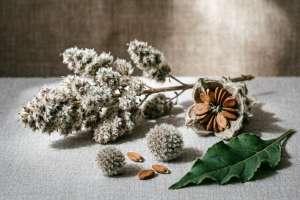
Efficacy and functions of Kochia bark
Overview of the efficacy and functions of Kochia barkKochia bark, also known as broom seedling, is a commonly used medicinal material in traditional Chinese medicine for clearing away heat and promoting dampness.Diuretic and relieve stranguria, dispel wind and relieve itching, clear away heat and detoxifyand other effects.It mainly acts on urinary system inflammation, skin itching and damp-heat jaundice, and is widely used clinically.Secondary functions include assisting in lowering blood sugar,
-
View
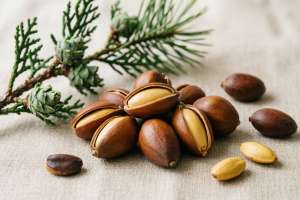
Efficacy and functions of Baiziren
Overview of the efficacy and functions of BaizirenBaiziren is the dried and mature seed kernel of Platycladus orientalis, a plant in the Cupressaceae family. Traditional Chinese medicine believes that it is flat in nature and sweet in taste, and can be used to regulate the heart, kidney, and large intestine meridians.Nourish the heart and calm the nerves, moisturize the intestines and relieve constipation, and nourish the liver and kidneysand other effects.Its main functions include improving sy
-
View
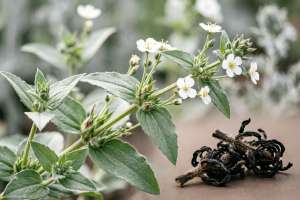
Eclipta Eclipta efficacy and functions
Overview of the efficacy and functions of EcliptaEclipta, also known as Eclipta or Eclipta, is a commonly used medicinal material in traditional Chinese medicine to nourish the liver and kidneys, cool blood and stop bleeding.Its core functions includeNourishes yin and nourishes kidney, blackens beard and hair, stops bleeding and reduces inflammation, the secondary effects involve improving hair loss, relieving gum bleeding and skin eczema.The primary and secondary structure is clear: liver and k
-

View
Function and role of hippocampus
Overview of the functions and functions of the hippocampusSeahorse is a precious marine creature recognized for its many benefits in both traditional medicine and modern research.Its main functions includeReplenishing kidneys and strengthening yang, anti-fatigue, regulating immunity, antioxidantetc., especially the effect of nourishing kidney and replenishing qi is the most prominent.In addition, the hippocampus also plays a certain role in improving blood circulation and relieving neurasthenia.
-
View
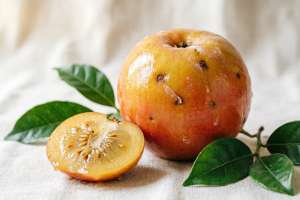
The effects and functions of fragrant fruit
Overview of the effects and functions of fragrant fruitXiangguo, also known as Ligusticum chuanxiong or Shannai, is a plant with both medicinal and edible value, and its rhizomes are often used in traditional Chinese medicine.Its main functions includePromotes blood circulation and removes blood stasis, dispels wind and relieves pain, improves blood circulation, the secondary effects involve relieving headaches, joint pain and women’s menstrual discomfort.The active ingredients of xiangguo, su
-
View
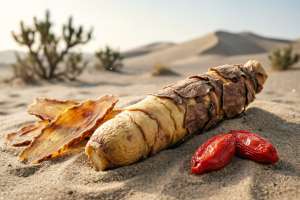
Efficacy and functions of Cistanche deserticola
Overview of the efficacy and functions of Cistanche deserticolaCistanche deserticola, also known as Cistanche deserticola, is a traditional Chinese medicinal material mainly produced in desert areas and is known as "desert ginseng".Its core functions includeReplenishing kidney yang, replenishing essence and blood, moistening intestines and laxative, the secondary effects involve anti-aging, regulating immunity, etc.This article will start from its medicinal value, suitable people, usage methods
-
View
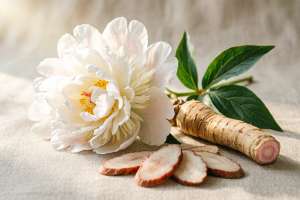
White peony effect and function
Overview of the efficacy and functions of white peony rootWhite peony root is a commonly used blood-nourishing and menstrual-regulating medicine in traditional Chinese medicine.Nourishes blood and softens liver, relieves pain, astringes yin and stops sweatingIt has core functions such as irregular menstruation, hypochondriac pain, spontaneous sweating and night sweats.Its functions can be divided into two categories: primary and secondary:Main functionsIncluding regulating female endocrine, reli
-
View
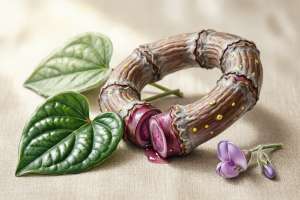
Efficacy and functions of Wu Hua Xue Teng
Overview of the efficacy and functions of SpatholobusFive-flowered bloodvine is a traditional Chinese medicinal material, which mainly hasPromotes blood circulation and removes blood stasis, unblocks collaterals to relieve pain, expels wind and removes dampnessIt has other effects and is often used to treat rheumatic arthralgia, bruises and irregular menstruation.Its core function is to promote blood circulation, relieve inflammation and pain, and its secondary functions include assisting in reg