
- Current location:Home page >> health information
How to quit smoking?
2026-08-09 15:26:26
How to quit smoking? Scientific Methods and Practical Advice
Quitting smoking is a process that requires determination, approach and support. This article will start from four aspects: psychological preparation, alternative therapy, behavioral adjustment, and health management, and provide specific and feasible suggestions. The main contents include: 1) Clarifying motivations and goal setting for quitting smoking; 2) Selection and use of nicotine replacement therapies (such as chewing gum, patches); 3) Changing daily habits to deal with the onset of cravings; 4) Exercise and diet assistance programs. Among them, the combination of behavioral intervention and medication assistance has been proven to be the most effective strategy.
1. Psychological construction: find the deep motivation to quit smoking

People who have a 70% success rate in quitting smoking generally complete psychological preparation before taking action. It is recommended to record daily smoking scenes (such as getting up, after meals) and analyze trigger points; and also list the benefits of quitting smoking (such as saving an average of 5,000 yuan per year and reducing the risk of lung cancer). Research from the American Cancer Society shows that visualizing the reasons for quitting smoking (such as setting a mobile phone wallpaper reminder) can increase the persistence rate by 40%. The key is to accept that withdrawal symptoms (eg, irritability, insomnia) are temporary and usually subside in 2-4 weeks.
2. Scientific substitution: gradually reduce nicotine dependence
The World Health Organization recommends a step-by-step replacement therapy: use 4 mg nicotine gum (no more than 15 pieces per day) for the first 2 weeks, then reduce to 2 mg for the next 4 weeks. Clinical data shows that the success rate can be doubled when combined with a smoking cessation patch (such as 21mg/24 hours). Common products include:
| brand | Type | active ingredients |
|---|---|---|
| Nicorette | chewing gum | Nicotine polyacrylate |
| Nicoderm | transdermal patch | Nicotine |
3. Behavior Reshaping: Breaking the Smoking Conditioned Reflex
Changing lifestyle habits that are strongly associated with smoking is crucial. For example, use mints instead of after-dinner cigarettes, and swap lighters for grippers. Research shows that brushing your teeth immediately after getting up in the morning can reduce the desire to smoke by 48%. When cravings occur, implement the "5-minute delay strategy" - drink water or take a deep breath first. Cravings will usually subside within 3-5 minutes. Joining a smoking cessation community (such as the SmokeFree application community) can gain a group supervision effect.
4. Health synergy: Accelerate body recovery
During the period of quitting smoking, 30 minutes of aerobic exercise (such as brisk walking) every day can promote the secretion of endorphins and relieve withdrawal anxiety. Consuming more kiwi and oranges, which are rich in vitamin C, can help repair blood vessels damaged by nicotine. A follow-up survey by the Harvard School of Public Health found that quitters who cooperated with exercise reduced their relapse rate by 62% one year later. Regular lung function testing (such as FEV1 index) can visually see the improvement and enhance confidence.
Comprehensive strategy and long-term maintenance
A combination of the above methods works best: use a patch in the morning to maintain basal nicotine levels, carry gum with you to deal with sudden cravings, and use exercise in the evening to relieve stress. The first 3 months are the most critical. It is recommended to reward yourself with the cigarette money you save every month. Data shows that one year after successfully quitting smoking, the risk of cardiovascular disease can be reduced by 50%. Remember relapse ≠ failure, 80% of successful people try an average of 3 times. Continue to consult your doctor or call a quit hotline (such as 12320) for personalized guidance.
Quote sources:
1. World Health Organization "Global Tobacco Epidemic Report 2021"
2. American Cancer Society (ACS) Smoking Cessation Guidelines (2022 Edition)
3. Harvard School of Public Health "White Paper on Treatment of Nicotine Dependence"
4. Clinical data of National Health Commission 12320 smoking cessation service
Relevant knowledge
- 2026-10-01How do women take care of their skin scientifically?
- 2026-10-01What is female beauty?
- 2026-09-30How can women supplement calcium scientifically?
- 2026-09-30What is calcium supplementation?
- 2026-09-30How often should bone density checks be done?
- 2026-09-29How to prevent osteoporosis?
- 2026-09-29Why are women prone to osteoporosis?
- 2026-09-29What is osteoporosis?
- 2026-09-28Is hormone replacement therapy safe?
- 2026-09-28What is hormone replacement therapy?
- 2026-09-28How to manage menopause?
- 2026-09-28What are the symptoms of menopause?
- 2026-09-28What is menopause?
- 2026-09-28What does a postpartum review include?
- 2026-09-27What is a postpartum review?
- 2026-09-27Is pelvic floor muscle repair necessary?
- 2026-09-27What is postpartum pelvic floor muscle repair?
- 2026-09-27How to lose weight scientifically after giving birth?
Chinese medicinal materials
More-
View
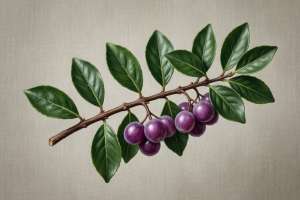
The efficacy and function of purple beads
Overview of the efficacy and functions of purple beadsPurpurea is a plant with medicinal value. Its leaves, roots and fruits can be used as medicine. Its main functions includeStop bleeding, reduce inflammation, clear away heat and detoxify, dissipate blood stasis and reduce swellingWait.In traditional medicine, purple pearls are often used to treat symptoms such as traumatic bleeding, bruises, and sore throat. Modern research has also found that it contains active ingredients such as flavonoids
-
View
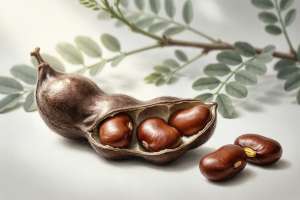
The efficacy and function of locust bean
Overview of the efficacy and functions of locust beanSophora bean, also known as Sophora japonica or Sophora japonica, is the mature fruit of Sophora japonica tree, a leguminous plant, and has various medicinal values in traditional medicine.Its main functions includeClears away heat and cools blood, moisturizes intestines and relieves constipation, lowers blood pressure, and resists oxidationetc., suitable for relieving symptoms such as hemorrhoids, bloody stools, and high blood pressure.Modern
-
View
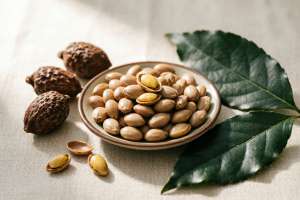
The efficacy and function of Baiziren
Overview of the efficacy and functions of BaizirenBaiziren is the dried and mature seed kernel of Platycladus orientalis, a plant in the Cupressaceae family. Traditional Chinese medicine believes that it is flat in nature and sweet in taste, and can be used to regulate the heart, kidney, and large intestine meridians.Nourish the heart and calm the nerves, moisturize the intestines and relieve constipation, and nourish the liver and kidneysand other effects.Modern research shows that cypress seed
-
View
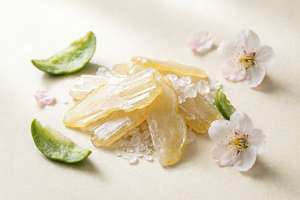
The efficacy and function of plum slices
Overview of the effects and functions of plum slicesPlum slices, also known as borneol or dipterocarp, is a traditional Chinese medicinal material that has the effects of rejuvenating the mind, clearing away heat and relieving pain, reducing swelling and promoting muscle growth.Its main component is dextroborneol, which is widely used in the fields of medicine, cosmetics and spices.The core functions of plum slices include relieving headaches, anti-inflammatory and sterilizing, promoting wound h
-
View
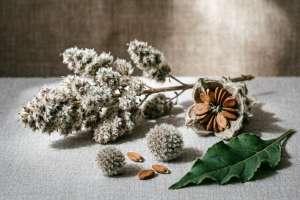
Efficacy and functions of Kochia bark
Overview of the efficacy and functions of Kochia barkKochia bark, also known as broom seedling, is a commonly used medicinal material in traditional Chinese medicine for clearing away heat and promoting dampness.Diuretic and relieve stranguria, dispel wind and relieve itching, clear away heat and detoxifyand other effects.It mainly acts on urinary system inflammation, skin itching and damp-heat jaundice, and is widely used clinically.Secondary functions include assisting in lowering blood sugar,
-
View
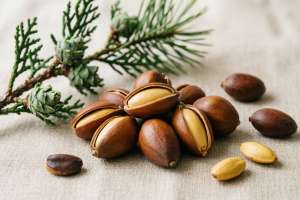
Efficacy and functions of Baiziren
Overview of the efficacy and functions of BaizirenBaiziren is the dried and mature seed kernel of Platycladus orientalis, a plant in the Cupressaceae family. Traditional Chinese medicine believes that it is flat in nature and sweet in taste, and can be used to regulate the heart, kidney, and large intestine meridians.Nourish the heart and calm the nerves, moisturize the intestines and relieve constipation, and nourish the liver and kidneysand other effects.Its main functions include improving sy
-
View
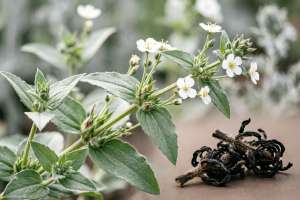
Eclipta Eclipta efficacy and functions
Overview of the efficacy and functions of EcliptaEclipta, also known as Eclipta or Eclipta, is a commonly used medicinal material in traditional Chinese medicine to nourish the liver and kidneys, cool blood and stop bleeding.Its core functions includeNourishes yin and nourishes kidney, blackens beard and hair, stops bleeding and reduces inflammation, the secondary effects involve improving hair loss, relieving gum bleeding and skin eczema.The primary and secondary structure is clear: liver and k
-

View
Function and role of hippocampus
Overview of the functions and functions of the hippocampusSeahorse is a precious marine creature recognized for its many benefits in both traditional medicine and modern research.Its main functions includeReplenishing kidneys and strengthening yang, anti-fatigue, regulating immunity, antioxidantetc., especially the effect of nourishing kidney and replenishing qi is the most prominent.In addition, the hippocampus also plays a certain role in improving blood circulation and relieving neurasthenia.
-
View
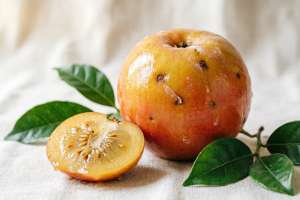
The effects and functions of fragrant fruit
Overview of the effects and functions of fragrant fruitXiangguo, also known as Ligusticum chuanxiong or Shannai, is a plant with both medicinal and edible value, and its rhizomes are often used in traditional Chinese medicine.Its main functions includePromotes blood circulation and removes blood stasis, dispels wind and relieves pain, improves blood circulation, the secondary effects involve relieving headaches, joint pain and women’s menstrual discomfort.The active ingredients of xiangguo, su
-
View
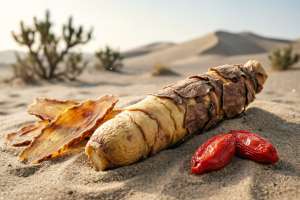
Efficacy and functions of Cistanche deserticola
Overview of the efficacy and functions of Cistanche deserticolaCistanche deserticola, also known as Cistanche deserticola, is a traditional Chinese medicinal material mainly produced in desert areas and is known as "desert ginseng".Its core functions includeReplenishing kidney yang, replenishing essence and blood, moistening intestines and laxative, the secondary effects involve anti-aging, regulating immunity, etc.This article will start from its medicinal value, suitable people, usage methods
-
View
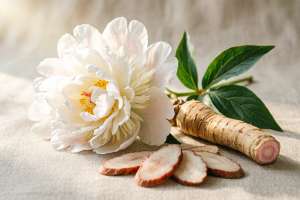
White peony effect and function
Overview of the efficacy and functions of white peony rootWhite peony root is a commonly used blood-nourishing and menstrual-regulating medicine in traditional Chinese medicine.Nourishes blood and softens liver, relieves pain, astringes yin and stops sweatingIt has core functions such as irregular menstruation, hypochondriac pain, spontaneous sweating and night sweats.Its functions can be divided into two categories: primary and secondary:Main functionsIncluding regulating female endocrine, reli
-
View
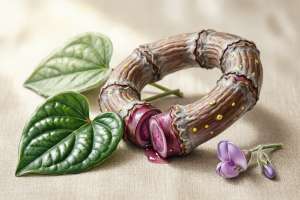
Efficacy and functions of Wu Hua Xue Teng
Overview of the efficacy and functions of SpatholobusFive-flowered bloodvine is a traditional Chinese medicinal material, which mainly hasPromotes blood circulation and removes blood stasis, unblocks collaterals to relieve pain, expels wind and removes dampnessIt has other effects and is often used to treat rheumatic arthralgia, bruises and irregular menstruation.Its core function is to promote blood circulation, relieve inflammation and pain, and its secondary functions include assisting in reg