
- Current location:Home page >> health information
Are e-cigarettes harmful?
2026-08-10 07:29:23
Are e-cigarettes harmful? Comprehensive analysis of its health risks and controversies
As an alternative to traditional cigarettes, e-cigarettes have rapidly gained popularity in recent years, but their health effects have always been controversial. This article will start fromIngredient analysis, health risks, regulatory status and research dataStart a discussion and help readers objectively understand the potential harm of e-cigarettes. The main contents include: the impact of harmful substances in e-cigarette smoke (such as nicotine, formaldehyde, etc.) on the respiratory system and cardiovascular system; the relative risks compared with traditional cigarettes; the addiction problem of adolescents using e-cigarettes; and the differences in regulatory policies in major countries around the world.
E-cigarette ingredients and health risks
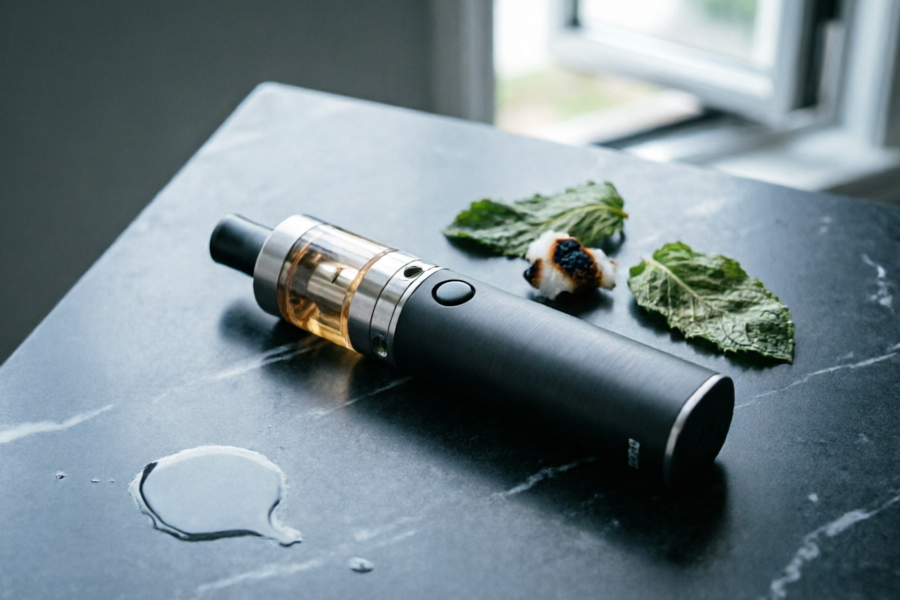
E-cigarettes generate aerosols by heating e-liquid, which usually contains nicotine, propylene glycol, glycerin and flavorings. Although it does not contain tar, some studies have found that its aerosols may containFormaldehyde, acetaldehydeand other carcinogens (U.S. CDC, 2021). Nicotine causes addiction and affects adolescent brain development (World Health Organization report). In addition, flavorings such as menthol and fruity flavors may mask the harm and increase the use rate among teenagers. For example, US FDA data shows that in 2023, approximately14% high school studentsWith e-cigarettes, flavor appeal is a key factor.
Comparing traditional cigarettes: relative risks and controversies
Some studies believe that e-cigarettes are less harmful than traditional cigarettes (Public Health England, 2015) because they reduce tar exposure. But"Harm reduction" ≠ "harmless", more evidence of long-term effects is still needed. For example, a 2022 study by Johns Hopkins University found that inflammatory markers in the lungs of e-cigarette users were similar to those of traditional smokers. The controversial point is that e-cigarettes may become a transitional tool for quitting smoking, but they may also become a nicotine introduction product for non-smokers, especially teenagers.
Regulatory policies and industry status quo
There are significant differences in attitudes towards e-cigarettes across countries:ChinaA complete ban on the sale of flavored e-cigarettes in 2022;USAIt needs to be approved by PMTA (for example, some Juul products are banned);European UnionLimit nicotine content (≤20mg per milliliter). Mainstream manufacturers include RELX (China), Juul (USA), Vuse (British American Tobacco), with products such asRELX Phantom,Juul2Wait. The following table compares the nicotine content of some brands:
| brand | Products | Nicotine concentration (mg/ml) |
|---|---|---|
| RELX | Phantom series | 3-5 |
| Juul | Juul2 | 18 |
| Vuse | Epod 2 | 20 |
Summary and suggestions
The health risks of e-cigarettes cannot be ignored, especially for teenagers and long-term users. Although it may be less harmful than traditional cigarettes,Non-smokers should avoid use, smokers need to choose under the guidance of a doctor. The public needs to be wary of marketing rhetoric and pay attention to the latest research from authoritative organizations such as WHO and FDA. In the future, stricter supervision and transparent ingredient labeling will be industry trends.
Quote sources:
1. U.S. CDC (2021) "E-cigarette Health Impact Report"
2. World Health Organization (WHO) "E-cigarettes and Adolescent Health"
3. Public Health England (2015) "E-cigarette Harm Reduction Assessment"
4. Johns Hopkins University (2022) "Study on E-cigarette Pulmonary Inflammation"
5. Brand data comes from public information on the official websites of RELX, Juul and Vuse.
Relevant knowledge
- 2026-10-01How do women take care of their skin scientifically?
- 2026-10-01What is female beauty?
- 2026-09-30How can women supplement calcium scientifically?
- 2026-09-30What is calcium supplementation?
- 2026-09-30How often should bone density checks be done?
- 2026-09-29How to prevent osteoporosis?
- 2026-09-29Why are women prone to osteoporosis?
- 2026-09-29What is osteoporosis?
- 2026-09-28Is hormone replacement therapy safe?
- 2026-09-28What is hormone replacement therapy?
- 2026-09-28How to manage menopause?
- 2026-09-28What are the symptoms of menopause?
- 2026-09-28What is menopause?
- 2026-09-28What does a postpartum review include?
- 2026-09-27What is a postpartum review?
- 2026-09-27Is pelvic floor muscle repair necessary?
- 2026-09-27What is postpartum pelvic floor muscle repair?
- 2026-09-27How to lose weight scientifically after giving birth?
Chinese medicinal materials
More-

View
The efficacy and function of purple beads
Overview of the efficacy and functions of purple beadsPurpurea is a plant with medicinal value. Its leaves, roots and fruits can be used as medicine. Its main functions includeStop bleeding, reduce inflammation, clear away heat and detoxify, dissipate blood stasis and reduce swellingWait.In traditional medicine, purple pearls are often used to treat symptoms such as traumatic bleeding, bruises, and sore throat. Modern research has also found that it contains active ingredients such as flavonoids
-

View
The efficacy and function of locust bean
Overview of the efficacy and functions of locust beanSophora bean, also known as Sophora japonica or Sophora japonica, is the mature fruit of Sophora japonica tree, a leguminous plant, and has various medicinal values in traditional medicine.Its main functions includeClears away heat and cools blood, moisturizes intestines and relieves constipation, lowers blood pressure, and resists oxidationetc., suitable for relieving symptoms such as hemorrhoids, bloody stools, and high blood pressure.Modern
-

View
The efficacy and function of Baiziren
Overview of the efficacy and functions of BaizirenBaiziren is the dried and mature seed kernel of Platycladus orientalis, a plant in the Cupressaceae family. Traditional Chinese medicine believes that it is flat in nature and sweet in taste, and can be used to regulate the heart, kidney, and large intestine meridians.Nourish the heart and calm the nerves, moisturize the intestines and relieve constipation, and nourish the liver and kidneysand other effects.Modern research shows that cypress seed
-

View
The efficacy and function of plum slices
Overview of the effects and functions of plum slicesPlum slices, also known as borneol or dipterocarp, is a traditional Chinese medicinal material that has the effects of rejuvenating the mind, clearing away heat and relieving pain, reducing swelling and promoting muscle growth.Its main component is dextroborneol, which is widely used in the fields of medicine, cosmetics and spices.The core functions of plum slices include relieving headaches, anti-inflammatory and sterilizing, promoting wound h
-

View
Efficacy and functions of Kochia bark
Overview of the efficacy and functions of Kochia barkKochia bark, also known as broom seedling, is a commonly used medicinal material in traditional Chinese medicine for clearing away heat and promoting dampness.Diuretic and relieve stranguria, dispel wind and relieve itching, clear away heat and detoxifyand other effects.It mainly acts on urinary system inflammation, skin itching and damp-heat jaundice, and is widely used clinically.Secondary functions include assisting in lowering blood sugar,
-

View
Efficacy and functions of Baiziren
Overview of the efficacy and functions of BaizirenBaiziren is the dried and mature seed kernel of Platycladus orientalis, a plant in the Cupressaceae family. Traditional Chinese medicine believes that it is flat in nature and sweet in taste, and can be used to regulate the heart, kidney, and large intestine meridians.Nourish the heart and calm the nerves, moisturize the intestines and relieve constipation, and nourish the liver and kidneysand other effects.Its main functions include improving sy
-

View
Eclipta Eclipta efficacy and functions
Overview of the efficacy and functions of EcliptaEclipta, also known as Eclipta or Eclipta, is a commonly used medicinal material in traditional Chinese medicine to nourish the liver and kidneys, cool blood and stop bleeding.Its core functions includeNourishes yin and nourishes kidney, blackens beard and hair, stops bleeding and reduces inflammation, the secondary effects involve improving hair loss, relieving gum bleeding and skin eczema.The primary and secondary structure is clear: liver and k
-

View
Function and role of hippocampus
Overview of the functions and functions of the hippocampusSeahorse is a precious marine creature recognized for its many benefits in both traditional medicine and modern research.Its main functions includeReplenishing kidneys and strengthening yang, anti-fatigue, regulating immunity, antioxidantetc., especially the effect of nourishing kidney and replenishing qi is the most prominent.In addition, the hippocampus also plays a certain role in improving blood circulation and relieving neurasthenia.
-

View
The effects and functions of fragrant fruit
Overview of the effects and functions of fragrant fruitXiangguo, also known as Ligusticum chuanxiong or Shannai, is a plant with both medicinal and edible value, and its rhizomes are often used in traditional Chinese medicine.Its main functions includePromotes blood circulation and removes blood stasis, dispels wind and relieves pain, improves blood circulation, the secondary effects involve relieving headaches, joint pain and women’s menstrual discomfort.The active ingredients of xiangguo, su
-

View
Efficacy and functions of Cistanche deserticola
Overview of the efficacy and functions of Cistanche deserticolaCistanche deserticola, also known as Cistanche deserticola, is a traditional Chinese medicinal material mainly produced in desert areas and is known as "desert ginseng".Its core functions includeReplenishing kidney yang, replenishing essence and blood, moistening intestines and laxative, the secondary effects involve anti-aging, regulating immunity, etc.This article will start from its medicinal value, suitable people, usage methods
-

View
White peony effect and function
Overview of the efficacy and functions of white peony rootWhite peony root is a commonly used blood-nourishing and menstrual-regulating medicine in traditional Chinese medicine.Nourishes blood and softens liver, relieves pain, astringes yin and stops sweatingIt has core functions such as irregular menstruation, hypochondriac pain, spontaneous sweating and night sweats.Its functions can be divided into two categories: primary and secondary:Main functionsIncluding regulating female endocrine, reli
-

View
Efficacy and functions of Wu Hua Xue Teng
Overview of the efficacy and functions of SpatholobusFive-flowered bloodvine is a traditional Chinese medicinal material, which mainly hasPromotes blood circulation and removes blood stasis, unblocks collaterals to relieve pain, expels wind and removes dampnessIt has other effects and is often used to treat rheumatic arthralgia, bruises and irregular menstruation.Its core function is to promote blood circulation, relieve inflammation and pain, and its secondary functions include assisting in reg