
- Current location:Home page >> health information
What are the health effects of drinking alcohol?
2026-08-11 01:14:33
Health Effects of Drinking Alcohol: Pros and Cons Analysis and Scientific Advice
Drinking alcohol has a dual impact on health. Moderate drinking may bring certain benefits, but excessive or long-term drinking can cause significant harm. This article will analyze the five dimensions of cardiovascular impact, liver burden, cancer risk, mental health and social behavior, and give scientific suggestions. The main content is structured as follows: firstly, it discusses the potential benefits of light drinking, secondly, it focuses on analyzing the health risks of excessive drinking, and finally, it provides practical guidance on responsible drinking.
1. Potential benefits and controversies of moderate drinking
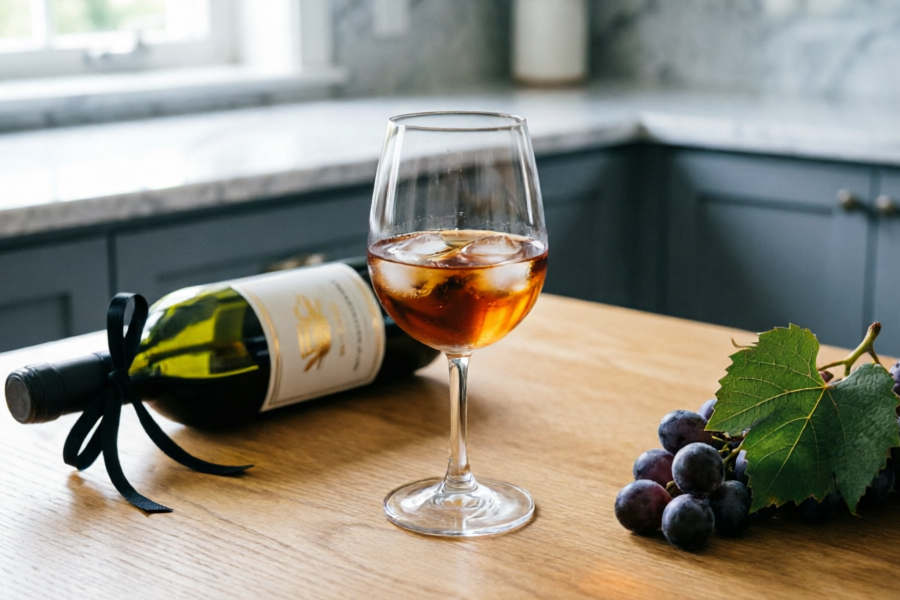
Drinking a small amount of alcohol (such as no more than 150ml of red wine per day) may increase high-density lipoprotein cholesterol. The American Heart Association points out that this effect may reduce the risk of coronary heart disease by 15-20%, but emphasizes that "it is not recommended to start drinking to prevent heart disease." A study by the Harvard School of Public Health found that a small amount of red wine served with meals in the Mediterranean diet may bring antioxidants (such as resveratrol), but also emphasized that "these ingredients can be obtained through non-alcoholic methods such as grape juice." It should be noted that most of these studies are observational data. The latest review in the British Medical Journal points out that the so-called conclusion that "moderate drinking is good for health" may confuse the data of patients with the original disease in people who have quit drinking.
2. Multi-system health hazards of excessive drinking
The World Health Organization lists alcohol as a Category 1 carcinogen, and about 3 million deaths worldwide every year are related to alcohol. The liver bears the brunt. Daily intake of 80g of alcohol (about 4 taels of liquor) for 5 years can induce fatty liver and then develop into cirrhosis. Data from the Liver Disease Center of Peking Union Medical College Hospital shows that the incidence of alcoholic liver disease in my country has tripled in 10 years. At the same time, alcohol can damage the gastric mucosal barrier and increase the risk of gastrointestinal bleeding; damage pancreatic cells and lead to diabetes; and increase the risk of breast cancer by 50% by increasing estrogen levels (data from the International Agency for Research on Cancer). In terms of the nervous system, long-term alcoholism can lead to vitamin B1 deficiency and cause Wernicke's encephalopathy, which manifests as memory loss and ataxia.
3. Absolute taboos and alternatives for special groups of people
Drinking by pregnant women may lead to fetal alcohol spectrum disorder (FASD), which is characterized by growth retardation and intellectual disability. The US CDC recommends that alcohol should be completely banned during pregnancy. Teen drinking can damage the development of the prefrontal cortex and increase the risk of addiction. People taking medication should pay special attention. The combination of alcohol and cephalosporin antibiotics may cause a disulfiram-like reaction, and taking it with antipyretic and analgesics can aggravate liver damage. The Dietary Guidelines for Chinese Residents recommend that adult men should consume no more than 25g of alcohol per day (approximately 750ml of beer), and women should limit their intake to half that amount, and refrain from drinking alcohol for at least 2 days a week. For social scenes, you can choose alternatives such as non-alcoholic beer (such as Qingdao 0.0) and fermented tea drinks.
Scientific cognition and rational choice
The impact of drinking on health follows a typical J-shaped curve - the difference in mortality between people who completely abstain from alcohol and those who drink moderately is limited, while the risk increases sharply for heavy drinkers. Johns Hopkins University Public Health recommends that those who already have a drinking habit can try to reduce their intake, and non-drinkers do not need to start drinking for "health". It is worth noting that there are a variety of "low-alcohol healthy wines" on the market, such as the 39-degree low-alcohol liquor launched by Moutai, or Changyu Cabernet alcohol-free wine. However, these products still contain trace amounts of alcohol and should not be consumed in excess. The core of a healthy lifestyle is still a balanced diet and regular exercise. If you choose to drink alcohol, be sure to control the frequency and dosage, and avoid drinking on an empty stomach.
| Increased risk of alcohol-related diseases | daily intake threshold | Data source |
|---|---|---|
| Risk of cirrhosis increased by 5 times | Men>40g/day | WHO Global Alcohol Report 2021 |
| Breast cancer risk increased by 30% | Women>20g/day | Journal of Cancer International (JNCI) 2018 |
| Increased incidence of hypertension | Continuously >50g/day | Guidelines for the Prevention and Treatment of Hypertension in China 2023 |
References:
1. World Health Organization "Global Report on Alcohol and Health" 2021 Edition
2. Chinese Nutrition Society's "Dietary Guidelines for Chinese Residents" 2022 Edition
3. American Heart Association (AHA) Position Statement on Alcohol and Cardiovascular Disease (2019)
4. Moutai Group official website product data (2023)
5. Changyu Wine Company Alcohol-free Wine Technology White Paper (2022)
Relevant knowledge
- 2026-10-01How do women take care of their skin scientifically?
- 2026-10-01What is female beauty?
- 2026-09-30How can women supplement calcium scientifically?
- 2026-09-30What is calcium supplementation?
- 2026-09-30How often should bone density checks be done?
- 2026-09-29How to prevent osteoporosis?
- 2026-09-29Why are women prone to osteoporosis?
- 2026-09-29What is osteoporosis?
- 2026-09-28Is hormone replacement therapy safe?
- 2026-09-28What is hormone replacement therapy?
- 2026-09-28How to manage menopause?
- 2026-09-28What are the symptoms of menopause?
- 2026-09-28What is menopause?
- 2026-09-28What does a postpartum review include?
- 2026-09-27What is a postpartum review?
- 2026-09-27Is pelvic floor muscle repair necessary?
- 2026-09-27What is postpartum pelvic floor muscle repair?
- 2026-09-27How to lose weight scientifically after giving birth?
Chinese medicinal materials
More-

View
The efficacy and function of purple beads
Overview of the efficacy and functions of purple beadsPurpurea is a plant with medicinal value. Its leaves, roots and fruits can be used as medicine. Its main functions includeStop bleeding, reduce inflammation, clear away heat and detoxify, dissipate blood stasis and reduce swellingWait.In traditional medicine, purple pearls are often used to treat symptoms such as traumatic bleeding, bruises, and sore throat. Modern research has also found that it contains active ingredients such as flavonoids
-
View
The efficacy and function of locust bean
Overview of the efficacy and functions of locust beanSophora bean, also known as Sophora japonica or Sophora japonica, is the mature fruit of Sophora japonica tree, a leguminous plant, and has various medicinal values in traditional medicine.Its main functions includeClears away heat and cools blood, moisturizes intestines and relieves constipation, lowers blood pressure, and resists oxidationetc., suitable for relieving symptoms such as hemorrhoids, bloody stools, and high blood pressure.Modern
-
View
The efficacy and function of Baiziren
Overview of the efficacy and functions of BaizirenBaiziren is the dried and mature seed kernel of Platycladus orientalis, a plant in the Cupressaceae family. Traditional Chinese medicine believes that it is flat in nature and sweet in taste, and can be used to regulate the heart, kidney, and large intestine meridians.Nourish the heart and calm the nerves, moisturize the intestines and relieve constipation, and nourish the liver and kidneysand other effects.Modern research shows that cypress seed
-
View
The efficacy and function of plum slices
Overview of the effects and functions of plum slicesPlum slices, also known as borneol or dipterocarp, is a traditional Chinese medicinal material that has the effects of rejuvenating the mind, clearing away heat and relieving pain, reducing swelling and promoting muscle growth.Its main component is dextroborneol, which is widely used in the fields of medicine, cosmetics and spices.The core functions of plum slices include relieving headaches, anti-inflammatory and sterilizing, promoting wound h
-
View
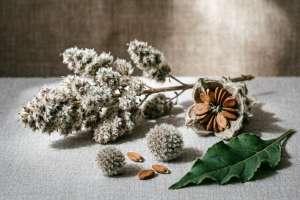
Efficacy and functions of Kochia bark
Overview of the efficacy and functions of Kochia barkKochia bark, also known as broom seedling, is a commonly used medicinal material in traditional Chinese medicine for clearing away heat and promoting dampness.Diuretic and relieve stranguria, dispel wind and relieve itching, clear away heat and detoxifyand other effects.It mainly acts on urinary system inflammation, skin itching and damp-heat jaundice, and is widely used clinically.Secondary functions include assisting in lowering blood sugar,
-
View
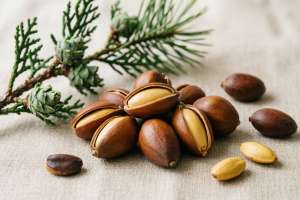
Efficacy and functions of Baiziren
Overview of the efficacy and functions of BaizirenBaiziren is the dried and mature seed kernel of Platycladus orientalis, a plant in the Cupressaceae family. Traditional Chinese medicine believes that it is flat in nature and sweet in taste, and can be used to regulate the heart, kidney, and large intestine meridians.Nourish the heart and calm the nerves, moisturize the intestines and relieve constipation, and nourish the liver and kidneysand other effects.Its main functions include improving sy
-
View
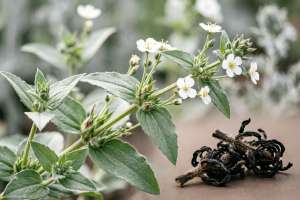
Eclipta Eclipta efficacy and functions
Overview of the efficacy and functions of EcliptaEclipta, also known as Eclipta or Eclipta, is a commonly used medicinal material in traditional Chinese medicine to nourish the liver and kidneys, cool blood and stop bleeding.Its core functions includeNourishes yin and nourishes kidney, blackens beard and hair, stops bleeding and reduces inflammation, the secondary effects involve improving hair loss, relieving gum bleeding and skin eczema.The primary and secondary structure is clear: liver and k
-

View
Function and role of hippocampus
Overview of the functions and functions of the hippocampusSeahorse is a precious marine creature recognized for its many benefits in both traditional medicine and modern research.Its main functions includeReplenishing kidneys and strengthening yang, anti-fatigue, regulating immunity, antioxidantetc., especially the effect of nourishing kidney and replenishing qi is the most prominent.In addition, the hippocampus also plays a certain role in improving blood circulation and relieving neurasthenia.
-
View
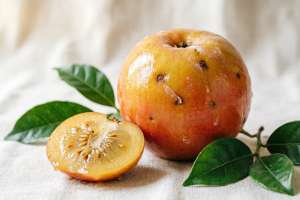
The effects and functions of fragrant fruit
Overview of the effects and functions of fragrant fruitXiangguo, also known as Ligusticum chuanxiong or Shannai, is a plant with both medicinal and edible value, and its rhizomes are often used in traditional Chinese medicine.Its main functions includePromotes blood circulation and removes blood stasis, dispels wind and relieves pain, improves blood circulation, the secondary effects involve relieving headaches, joint pain and women’s menstrual discomfort.The active ingredients of xiangguo, su
-

View
Efficacy and functions of Cistanche deserticola
Overview of the efficacy and functions of Cistanche deserticolaCistanche deserticola, also known as Cistanche deserticola, is a traditional Chinese medicinal material mainly produced in desert areas and is known as "desert ginseng".Its core functions includeReplenishing kidney yang, replenishing essence and blood, moistening intestines and laxative, the secondary effects involve anti-aging, regulating immunity, etc.This article will start from its medicinal value, suitable people, usage methods
-
View
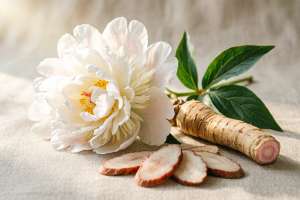
White peony effect and function
Overview of the efficacy and functions of white peony rootWhite peony root is a commonly used blood-nourishing and menstrual-regulating medicine in traditional Chinese medicine.Nourishes blood and softens liver, relieves pain, astringes yin and stops sweatingIt has core functions such as irregular menstruation, hypochondriac pain, spontaneous sweating and night sweats.Its functions can be divided into two categories: primary and secondary:Main functionsIncluding regulating female endocrine, reli
-
View
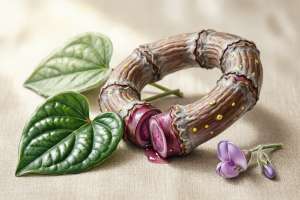
Efficacy and functions of Wu Hua Xue Teng
Overview of the efficacy and functions of SpatholobusFive-flowered bloodvine is a traditional Chinese medicinal material, which mainly hasPromotes blood circulation and removes blood stasis, unblocks collaterals to relieve pain, expels wind and removes dampnessIt has other effects and is often used to treat rheumatic arthralgia, bruises and irregular menstruation.Its core function is to promote blood circulation, relieve inflammation and pain, and its secondary functions include assisting in reg