
- Current location:Home page >> health information
How to stay healthy while working shifts?
2026-08-18 16:52:32
How to stay healthy while working shifts?
The impact of shift work on health cannot be ignored, especially problems such as sleep disorders, irregular eating patterns and reduced immunity. To stay healthy, you need toRegular work and rest, scientific diet, psychological adjustment and moderate exerciseStart from four aspects. Among them, ensuring sleep quality is the key, followed by reasonable arrangement of eating time and avoiding high-sugar and high-fat foods. Psychologically, you need to learn to reduce stress, and exercise can enhance your physical fitness. This article will expand on these methods in detail to help shift workers balance work and health.
Paragraph 1: Core strategies for sleep management

Shift workers are most susceptible to sleep deprivation. It is recommended toFixed time periodSupplement sleep internally, and try to maintain 6-8 hours of sleep every day even if day or night shifts alternate. Use blackout curtains, earplugs, or a white noise machine to create a dark, quiet environment. Avoid caffeine and electronic devices before bed, and try soft music or meditation to help you fall asleep. If you have long-term insomnia, you can consult your doctor whether you need to take melatonin short-term (doctor's advice is required). For example, the American Sleep Foundation recommends that shift workers adopt the "segmented sleep method," which involves splitting sleep into two periods to fit in with work hours.
Paragraph 2: Diet adjustment and nutritional supplements
Irregular meal times can easily lead to gastric or metabolic problems. Recommended to bringHigh protein, low GI foods(such as nuts, whole wheat bread) as a snack and avoid fried foods. When working the night shift, you can eat light meals (such as yogurt, bananas) at 3-4 a.m. to avoid fasting or overfullness. Supplement vitamin D and B complex in appropriate amounts, as lack of sunlight may lead to deficiency. For example,Nestlé Health ScienceThe launched "Boost high protein drink" can be used as a nutritional meal replacement, but it needs to be combined with a normal diet.
Paragraph 3: Psychological and Social Balance
Working shifts can lead to social isolation and emotional stress. PassableCommunicate regularly with family members, join daytime interest groups to relieve loneliness. Take short breaks while working to take deep breaths or stretch to reduce stress. Companies can also provide psychological counseling services. For example, American psychologist Dr. Matthew Walker emphasized in "Why We Sleep" that shift workers should actively seek social support to reduce the risk of depression.
Paragraph 4: Exercise and health monitoring
Aim for at least 150 minutes of moderate to low-intensity exercise (such as brisk walking, yoga) every week, and avoid strenuous exercise immediately after get off work. Use smart bracelets to monitor heart rate and sleep quality, such asHuawei Watch GT seriesorFitbit Charge 6. Regular physical examinations require attention to blood sugar, cholesterol and other indicators. People who work shifts have a 23% higher risk of cardiovascular disease than ordinary people (data source:Journal of Occupational Health, 2021).
Summary: Systematic Health Management
Shift health needsMulti-dimensional collaboration: Prioritize sleep, optimize diet structure, actively adjust mental state, and insist on exercise monitoring. Companies can support employees by providing health training and flexible scheduling. Individuals can use technology products (such as melatonin supplements, health monitoring devices) to assist in regulation, but they need to avoid relying on drugs. Health is a long-term investment, and shift workers need scientific planning.
| product type | Recommended brands | Efficacy |
|---|---|---|
| Melatonin | Natrol (USA), Swisse (Australia) | Regulate sleep cycle |
| protein drink | Boost (Nestle), Ensure (Abbott) | Supplement nutritional gaps |
| health bracelet | Huawei, Fitbit | Monitor sleep and heart rate |
Quote sources:
1. Recommendations for shift sleep from the National Sleep Foundation
2. Shift health research in Dr. Matthew Walker’s “Why We Sleep”
3. "Journal of Occupational Health, 2021" Shift and cardiovascular risk data
4. For product information, please refer to the brand’s official website (Natrol/Swisse/Nestle/Abbott/Huawei/Fitbit)
Relevant knowledge
- 2026-10-01How do women take care of their skin scientifically?
- 2026-10-01What is female beauty?
- 2026-09-30How can women supplement calcium scientifically?
- 2026-09-30What is calcium supplementation?
- 2026-09-30How often should bone density checks be done?
- 2026-09-29How to prevent osteoporosis?
- 2026-09-29Why are women prone to osteoporosis?
- 2026-09-29What is osteoporosis?
- 2026-09-28Is hormone replacement therapy safe?
- 2026-09-28What is hormone replacement therapy?
- 2026-09-28How to manage menopause?
- 2026-09-28What are the symptoms of menopause?
- 2026-09-28What is menopause?
- 2026-09-28What does a postpartum review include?
- 2026-09-27What is a postpartum review?
- 2026-09-27Is pelvic floor muscle repair necessary?
- 2026-09-27What is postpartum pelvic floor muscle repair?
- 2026-09-27How to lose weight scientifically after giving birth?
Chinese medicinal materials
More-

View
The efficacy and function of purple beads
Overview of the efficacy and functions of purple beadsPurpurea is a plant with medicinal value. Its leaves, roots and fruits can be used as medicine. Its main functions includeStop bleeding, reduce inflammation, clear away heat and detoxify, dissipate blood stasis and reduce swellingWait.In traditional medicine, purple pearls are often used to treat symptoms such as traumatic bleeding, bruises, and sore throat. Modern research has also found that it contains active ingredients such as flavonoids
-

View
The efficacy and function of locust bean
Overview of the efficacy and functions of locust beanSophora bean, also known as Sophora japonica or Sophora japonica, is the mature fruit of Sophora japonica tree, a leguminous plant, and has various medicinal values in traditional medicine.Its main functions includeClears away heat and cools blood, moisturizes intestines and relieves constipation, lowers blood pressure, and resists oxidationetc., suitable for relieving symptoms such as hemorrhoids, bloody stools, and high blood pressure.Modern
-
View
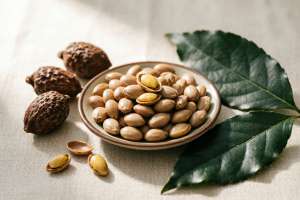
The efficacy and function of Baiziren
Overview of the efficacy and functions of BaizirenBaiziren is the dried and mature seed kernel of Platycladus orientalis, a plant in the Cupressaceae family. Traditional Chinese medicine believes that it is flat in nature and sweet in taste, and can be used to regulate the heart, kidney, and large intestine meridians.Nourish the heart and calm the nerves, moisturize the intestines and relieve constipation, and nourish the liver and kidneysand other effects.Modern research shows that cypress seed
-
View
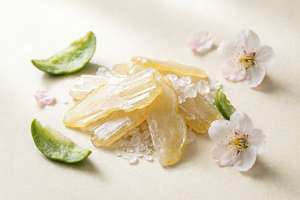
The efficacy and function of plum slices
Overview of the effects and functions of plum slicesPlum slices, also known as borneol or dipterocarp, is a traditional Chinese medicinal material that has the effects of rejuvenating the mind, clearing away heat and relieving pain, reducing swelling and promoting muscle growth.Its main component is dextroborneol, which is widely used in the fields of medicine, cosmetics and spices.The core functions of plum slices include relieving headaches, anti-inflammatory and sterilizing, promoting wound h
-

View
Efficacy and functions of Kochia bark
Overview of the efficacy and functions of Kochia barkKochia bark, also known as broom seedling, is a commonly used medicinal material in traditional Chinese medicine for clearing away heat and promoting dampness.Diuretic and relieve stranguria, dispel wind and relieve itching, clear away heat and detoxifyand other effects.It mainly acts on urinary system inflammation, skin itching and damp-heat jaundice, and is widely used clinically.Secondary functions include assisting in lowering blood sugar,
-
View
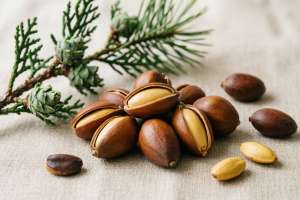
Efficacy and functions of Baiziren
Overview of the efficacy and functions of BaizirenBaiziren is the dried and mature seed kernel of Platycladus orientalis, a plant in the Cupressaceae family. Traditional Chinese medicine believes that it is flat in nature and sweet in taste, and can be used to regulate the heart, kidney, and large intestine meridians.Nourish the heart and calm the nerves, moisturize the intestines and relieve constipation, and nourish the liver and kidneysand other effects.Its main functions include improving sy
-
View
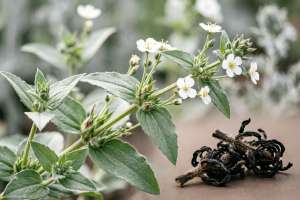
Eclipta Eclipta efficacy and functions
Overview of the efficacy and functions of EcliptaEclipta, also known as Eclipta or Eclipta, is a commonly used medicinal material in traditional Chinese medicine to nourish the liver and kidneys, cool blood and stop bleeding.Its core functions includeNourishes yin and nourishes kidney, blackens beard and hair, stops bleeding and reduces inflammation, the secondary effects involve improving hair loss, relieving gum bleeding and skin eczema.The primary and secondary structure is clear: liver and k
-

View
Function and role of hippocampus
Overview of the functions and functions of the hippocampusSeahorse is a precious marine creature recognized for its many benefits in both traditional medicine and modern research.Its main functions includeReplenishing kidneys and strengthening yang, anti-fatigue, regulating immunity, antioxidantetc., especially the effect of nourishing kidney and replenishing qi is the most prominent.In addition, the hippocampus also plays a certain role in improving blood circulation and relieving neurasthenia.
-
View
The effects and functions of fragrant fruit
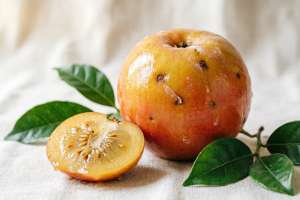
Overview of the effects and functions of fragrant fruitXiangguo, also known as Ligusticum chuanxiong or Shannai, is a plant with both medicinal and edible value, and its rhizomes are often used in traditional Chinese medicine.Its main functions includePromotes blood circulation and removes blood stasis, dispels wind and relieves pain, improves blood circulation, the secondary effects involve relieving headaches, joint pain and women’s menstrual discomfort.The active ingredients of xiangguo, su
-

View
Efficacy and functions of Cistanche deserticola
Overview of the efficacy and functions of Cistanche deserticolaCistanche deserticola, also known as Cistanche deserticola, is a traditional Chinese medicinal material mainly produced in desert areas and is known as "desert ginseng".Its core functions includeReplenishing kidney yang, replenishing essence and blood, moistening intestines and laxative, the secondary effects involve anti-aging, regulating immunity, etc.This article will start from its medicinal value, suitable people, usage methods
-

View
White peony effect and function
Overview of the efficacy and functions of white peony rootWhite peony root is a commonly used blood-nourishing and menstrual-regulating medicine in traditional Chinese medicine.Nourishes blood and softens liver, relieves pain, astringes yin and stops sweatingIt has core functions such as irregular menstruation, hypochondriac pain, spontaneous sweating and night sweats.Its functions can be divided into two categories: primary and secondary:Main functionsIncluding regulating female endocrine, reli
-

View
Efficacy and functions of Wu Hua Xue Teng
Overview of the efficacy and functions of SpatholobusFive-flowered bloodvine is a traditional Chinese medicinal material, which mainly hasPromotes blood circulation and removes blood stasis, unblocks collaterals to relieve pain, expels wind and removes dampnessIt has other effects and is often used to treat rheumatic arthralgia, bruises and irregular menstruation.Its core function is to promote blood circulation, relieve inflammation and pain, and its secondary functions include assisting in reg