
- Current location:Home page >> health information
What are the dangers of UV rays?
2026-08-25 11:17:30
UV Hazard Encyclopedia: From Skin Damage to Protection Strategies
First paragraph: content overview
Ultraviolet rays (UV) are invisible high-energy rays in sunlight. Long-term or excessive exposure can cause multiple harms to human health.The main hazards includeSkin damage (sunburn, photoaging, skin cancer),Eye diseases (cataracts, pterygium)andimmune system suppression.Secondary impacts involve fading clothing, aging materials, etc.Protective measures such as sunscreen, sun-protective clothing and avoiding midday sun exposure are key.The hazard mechanism and scientific protection methods will be analyzed layer by layer below.
Paragraph 2: In-depth analysis of skin damage
Ultraviolet rays are divided into UVA, UVB and UVC according to wavelength. Among them, UVA (long wave) has strong penetrating power, causing the collagen deep in the skin to break, causingPhotoaging such as wrinkles and sagging; UVB (medium wave) directly damages epidermal cells, causingSunburn, redness and swelling, and increase the risk of melanoma.According to the World Health Organization, approximately 2 million people worldwide develop non-melanoma skin cancer every year due to UV exposure.Children and outdoor workers are high-risk groups and require priority protection.

Paragraph 3: Hidden threats to the eyes and immune system
The cumulative damage of ultraviolet rays to the eyes cannot be ignored.The American Academy of Ophthalmology states,10% of cataract casesCorneal burns (snow blindness) related to long-term UV exposure are common emergencies at high altitudes.In addition, UV rays suppress the immune function of Langerhans cells and reduce the skin's defense against pathogens.Research shows that continued exposure to the sun may reduce vaccine effectiveness by 20% (data from the Journal of Photochemistry and Photobiology).
Paragraph 4: Scientific protection and product selection
Effective protection requires a combination of physical protection (such as wide-brimmed hats, UV400 sunglasses) and chemical sun protection.Sunscreen should be chosenBroad spectrum type (SPF30+/PA+++ or above), and reapply every 2 hours.Well-known brands such as Shiseido (Anaisan) and L'Oréal (Little Gold Tube) achieve full-band protection by adding zinc oxide, titanium dioxide and other ingredients.The U.S. FDA recommends avoiding products containing oxybenzone to avoid irritating coral reef ecology.
Paragraph 5: Summary and Action Suggestions
UV hazards are cumulative and irreversible, but risks can be significantly reduced through scientific understanding and active protection.Should be followed in daily life"ABC Principle": Avoid (avoiding strong light periods), Block (physical blockage), Cream (correct use of sunscreen).Regular skin examinations and choosing compliant sunscreen products (such as Neutrogena, Avène) are long-term health investments.Remember, protection is not only a beauty need, but a health necessity as well.
| UV type | Hazard manifestation | Protection focus |
|---|---|---|
| UVA | Photoaging, skin cancer | PA+++ sunscreen |
| UVB | sunburn, pigmentation | SPF30+ sunscreen |
| UVC | absorbed by the ozone layer | No additional protection required |
Quote sources:
1. World Health Organization (WHO) "Global UV Health Risk Report"
2. American Academy of Dermatology (AAD) Sun Protection Guidelines (2022)
3. Product data: Shiseido UV Defender (SPF50+/PA++++), L’Oreal UV Defender (SPF50+)
4. Research literature: "Journal of Investigative Dermatology" on the correlation between ultraviolet rays and immunosuppression (2019)
Relevant knowledge
- 2026-10-01What is female beauty?
- 2026-09-30How can women supplement calcium scientifically?
- 2026-09-30What is calcium supplementation?
- 2026-09-30How often should bone density checks be done?
- 2026-09-29How to prevent osteoporosis?
- 2026-09-29Why are women prone to osteoporosis?
- 2026-09-29What is osteoporosis?
- 2026-09-28Is hormone replacement therapy safe?
- 2026-09-28What is hormone replacement therapy?
- 2026-09-28How to manage menopause?
- 2026-09-28What are the symptoms of menopause?
- 2026-09-28What is menopause?
- 2026-09-28What does a postpartum review include?
- 2026-09-27What is a postpartum review?
- 2026-09-27Is pelvic floor muscle repair necessary?
- 2026-09-27What is postpartum pelvic floor muscle repair?
- 2026-09-27How to lose weight scientifically after giving birth?
- 2026-09-26What is postpartum weight loss?
Chinese medicinal materials
More-
View
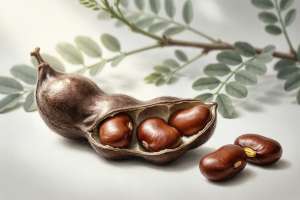
The efficacy and function of locust bean
Overview of the efficacy and functions of locust beanSophora bean, also known as Sophora japonica or Sophora japonica, is the mature fruit of Sophora japonica tree, a leguminous plant, and has various medicinal values in traditional medicine.Its main functions includeClears away heat and cools blood, moisturizes intestines and relieves constipation, lowers blood pressure, and resists oxidationetc., suitable for relieving symptoms such as hemorrhoids, bloody stools, and high blood pressure.Modern
-
View
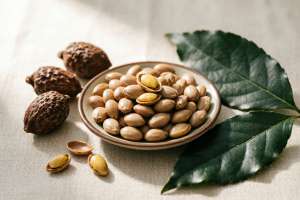
The efficacy and function of Baiziren
Overview of the efficacy and functions of BaizirenBaiziren is the dried and mature seed kernel of Platycladus orientalis, a plant in the Cupressaceae family. Traditional Chinese medicine believes that it is flat in nature and sweet in taste, and can be used to regulate the heart, kidney, and large intestine meridians.Nourish the heart and calm the nerves, moisturize the intestines and relieve constipation, and nourish the liver and kidneysand other effects.Modern research shows that cypress seed
-
View
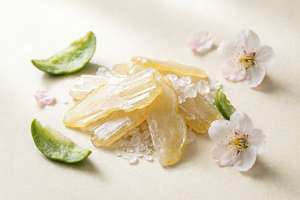
The efficacy and function of plum slices
Overview of the effects and functions of plum slicesPlum slices, also known as borneol or dipterocarp, is a traditional Chinese medicinal material that has the effects of rejuvenating the mind, clearing away heat and relieving pain, reducing swelling and promoting muscle growth.Its main component is dextroborneol, which is widely used in the fields of medicine, cosmetics and spices.The core functions of plum slices include relieving headaches, anti-inflammatory and sterilizing, promoting wound h
-
View
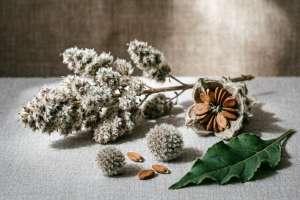
Efficacy and functions of Kochia bark
Overview of the efficacy and functions of Kochia barkKochia bark, also known as broom seedling, is a commonly used medicinal material in traditional Chinese medicine for clearing away heat and promoting dampness.Diuretic and relieve stranguria, dispel wind and relieve itching, clear away heat and detoxifyand other effects.It mainly acts on urinary system inflammation, skin itching and damp-heat jaundice, and is widely used clinically.Secondary functions include assisting in lowering blood sugar,
-
View
Efficacy and functions of Baiziren
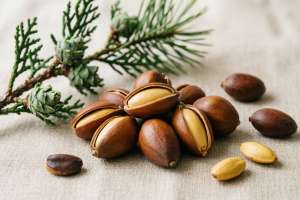
Overview of the efficacy and functions of BaizirenBaiziren is the dried and mature seed kernel of Platycladus orientalis, a plant in the Cupressaceae family. Traditional Chinese medicine believes that it is flat in nature and sweet in taste, and can be used to regulate the heart, kidney, and large intestine meridians.Nourish the heart and calm the nerves, moisturize the intestines and relieve constipation, and nourish the liver and kidneysand other effects.Its main functions include improving sy
-
View
Eclipta Eclipta efficacy and functions
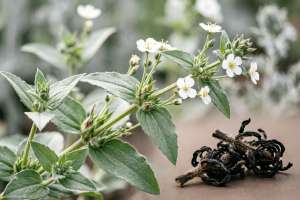
Overview of the efficacy and functions of EcliptaEclipta, also known as Eclipta or Eclipta, is a commonly used medicinal material in traditional Chinese medicine to nourish the liver and kidneys, cool blood and stop bleeding.Its core functions includeNourishes yin and nourishes kidney, blackens beard and hair, stops bleeding and reduces inflammation, the secondary effects involve improving hair loss, relieving gum bleeding and skin eczema.The primary and secondary structure is clear: liver and k
-

View
Function and role of hippocampus
Overview of the functions and functions of the hippocampusSeahorse is a precious marine creature recognized for its many benefits in both traditional medicine and modern research.Its main functions includeReplenishing kidneys and strengthening yang, anti-fatigue, regulating immunity, antioxidantetc., especially the effect of nourishing kidney and replenishing qi is the most prominent.In addition, the hippocampus also plays a certain role in improving blood circulation and relieving neurasthenia.
-
View
The effects and functions of fragrant fruit
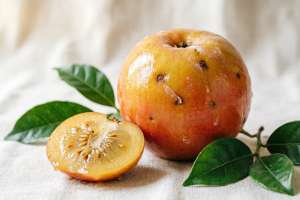
Overview of the effects and functions of fragrant fruitXiangguo, also known as Ligusticum chuanxiong or Shannai, is a plant with both medicinal and edible value, and its rhizomes are often used in traditional Chinese medicine.Its main functions includePromotes blood circulation and removes blood stasis, dispels wind and relieves pain, improves blood circulation, the secondary effects involve relieving headaches, joint pain and women’s menstrual discomfort.The active ingredients of xiangguo, su
-

View
Efficacy and functions of Cistanche deserticola
Overview of the efficacy and functions of Cistanche deserticolaCistanche deserticola, also known as Cistanche deserticola, is a traditional Chinese medicinal material mainly produced in desert areas and is known as "desert ginseng".Its core functions includeReplenishing kidney yang, replenishing essence and blood, moistening intestines and laxative, the secondary effects involve anti-aging, regulating immunity, etc.This article will start from its medicinal value, suitable people, usage methods
-
View
White peony effect and function
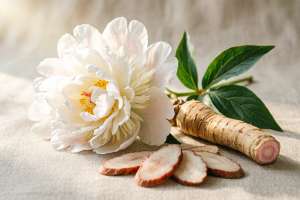
Overview of the efficacy and functions of white peony rootWhite peony root is a commonly used blood-nourishing and menstrual-regulating medicine in traditional Chinese medicine.Nourishes blood and softens liver, relieves pain, astringes yin and stops sweatingIt has core functions such as irregular menstruation, hypochondriac pain, spontaneous sweating and night sweats.Its functions can be divided into two categories: primary and secondary:Main functionsIncluding regulating female endocrine, reli
-
View
Efficacy and functions of Wu Hua Xue Teng
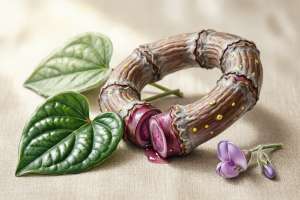
Overview of the efficacy and functions of SpatholobusFive-flowered bloodvine is a traditional Chinese medicinal material, which mainly hasPromotes blood circulation and removes blood stasis, unblocks collaterals to relieve pain, expels wind and removes dampnessIt has other effects and is often used to treat rheumatic arthralgia, bruises and irregular menstruation.Its core function is to promote blood circulation, relieve inflammation and pain, and its secondary functions include assisting in reg
-
View
The efficacy and function of Tianqingdibai
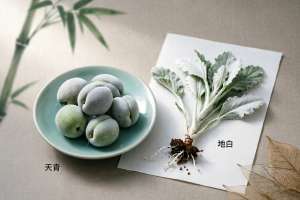
Overview of the efficacy and functions of TianqingdibaiTianqing Dibai is a traditional Chinese medicinal material that has the effects of clearing heat and detoxifying, cooling blood and stopping bleeding, reducing swelling and dissipating stagnation. It is often used to treat sore throat, carbuncle sores, bruises and other diseases.Its main components include flavonoids, organic acids and other active substances. Modern research shows that it has certain anti-inflammatory and antibacterial effe