
- Current location:Home page >> health information
What is UVA?
2026-08-25 16:44:34
UVA Overview: A Comprehensive Analysis of Ultraviolet A
UVA (Ultraviolet A) is the part with the longest wavelength (315-400 nanometers) and the strongest penetrating power in the ultraviolet spectrum, accounting for about 95% of the ultraviolet rays that reach the surface.This article will start from five dimensions: definition, characteristics, daily effects (such as skin aging, photosensitivity reactions), protective measures (sunscreen, physical shielding) and product selection, focusing on analyzing its potential harm to health and scientific protection methods.Data show that long-term unprotected UVA exposure can cause skin DNA damage, and the correct use of broad-spectrum sunscreen products can effectively reduce the risk.
Characteristics and natural sources of UVA

UVA is called "long-wave black spot effect ultraviolet light". Its penetrating power can reach directly to the dermis, and its intensity is not affected by seasons, weather or glass obstruction.Studies have found that UVA radiation can reach 70% of the daily peak at noon, and clouds can only weaken 20%-40% of its intensity.Unlike UVB, UVA can induce the generation of free radicals and accelerate collagen degradation through oxidative stress, which is the main cause of skin sagging and wrinkles.The Skin Cancer Foundation of America states that approximately 90% of visible signs of skin aging result from chronic cumulative exposure to UVA.
The health effects of UVA
UVA destroys the skin's supporting structure by activating matrix metalloproteinases (MMPs) while inhibiting type I collagen synthesis.Clinical data shows that 2 hours of daily UVA exposure for 4 weeks can reduce skin elasticity by 18%.What is more noteworthy is that UVA can enhance the phototoxic reaction of certain drugs (such as tetracyclines).Experiments at Harvard Medical School confirmed that under mixed exposure to UVA+UVB, the incidence of skin cancer in mice was three times higher than that in the pure UVB exposure group, indicating that UVA is synergistically carcinogenic.
Protection strategies and product selection
Effective protection requires a combination of chemically absorbing (such as avobenzone) and physically reflective (zinc oxide) components.The EU recommends that the UVA protection value (PPD) of sunscreen products should be at least 1/3 of the UVB protection value (SPF).Among mainstream products, La Roche-Posay Big Brother sunscreen (PPD46) and Shiseido Blue Fatty (PPD42) have both passed ISO 24443 standard certification.It is worth noting that the UPF value of ordinary clothing is only 15-50, while professional sun protection clothing can reach UPF100+ through dense weaving. For example, the UV100 brand has been measured to block 99% of UVA.
Comprehensive suggestions for scientific protection
Combined with the "ABC" principles of the World Health Organization (Avoid, Block, Cream protection), it is recommended to reduce outdoor activities from 10 am to 4 pm and use wide-brimmed hats + UV400 sunglasses.When choosing sunscreen products, you need to pay attention to the "broad spectrum" logo and high protection levels such as PA++++/PPD16+.Dermatologists recommend reapplying sunscreen every 2 hours, with a single dose of 2mg/cm² (about the size of a 1 yuan coin).Remember: UVA protection is a lifelong issue, and its cumulative effects begin in childhood.
| Comparison of representative UVA protection products | |||
|---|---|---|---|
| Product name | Manufacturing company | core ingredients | PPD value |
| La Roche-Posay Extra Care Clear Sunscreen Lotion | L'Oreal Group | Wheat Color Filter XL + Avobenzone | 46 |
| Anresha Gold Bottle Sunscreen | Shiseido | Zinc oxide+DHHB | 42 |
| Ultrasun facial anti-aging sunscreen | Ultrasun AG | Titanium dioxide+Tinosorb M | 38 |
Content citation source:
1. Skin Cancer Foundation of America "White Paper on Ultraviolet Light and Skin" (2022)
2. World Health Organization "Global UV Index Guidelines" (WHO/SDE/OEH/02.2)
3. Research data from Dr. David Fisher’s team at Harvard Medical School’s Dermatological Biology Laboratory
4. European Commission Report on the Safety of Cosmetic Ingredients (SCCS/1580/16)
5. "Expert Consensus on Sun Protection" (2020 Edition) by the Dermatology Branch of the Chinese Medical Doctor Association
Relevant knowledge
- 2026-10-01What is female beauty?
- 2026-09-30How can women supplement calcium scientifically?
- 2026-09-30What is calcium supplementation?
- 2026-09-30How often should bone density checks be done?
- 2026-09-29How to prevent osteoporosis?
- 2026-09-29Why are women prone to osteoporosis?
- 2026-09-29What is osteoporosis?
- 2026-09-28Is hormone replacement therapy safe?
- 2026-09-28What is hormone replacement therapy?
- 2026-09-28How to manage menopause?
- 2026-09-28What are the symptoms of menopause?
- 2026-09-28What is menopause?
- 2026-09-28What does a postpartum review include?
- 2026-09-27What is a postpartum review?
- 2026-09-27Is pelvic floor muscle repair necessary?
- 2026-09-27What is postpartum pelvic floor muscle repair?
- 2026-09-27How to lose weight scientifically after giving birth?
- 2026-09-26What is postpartum weight loss?
Chinese medicinal materials
More-
View
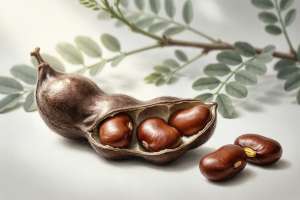
The efficacy and function of locust bean
Overview of the efficacy and functions of locust beanSophora bean, also known as Sophora japonica or Sophora japonica, is the mature fruit of Sophora japonica tree, a leguminous plant, and has various medicinal values in traditional medicine.Its main functions includeClears away heat and cools blood, moisturizes intestines and relieves constipation, lowers blood pressure, and resists oxidationetc., suitable for relieving symptoms such as hemorrhoids, bloody stools, and high blood pressure.Modern
-

View
The efficacy and function of Baiziren
Overview of the efficacy and functions of BaizirenBaiziren is the dried and mature seed kernel of Platycladus orientalis, a plant in the Cupressaceae family. Traditional Chinese medicine believes that it is flat in nature and sweet in taste, and can be used to regulate the heart, kidney, and large intestine meridians.Nourish the heart and calm the nerves, moisturize the intestines and relieve constipation, and nourish the liver and kidneysand other effects.Modern research shows that cypress seed
-

View
The efficacy and function of plum slices
Overview of the effects and functions of plum slicesPlum slices, also known as borneol or dipterocarp, is a traditional Chinese medicinal material that has the effects of rejuvenating the mind, clearing away heat and relieving pain, reducing swelling and promoting muscle growth.Its main component is dextroborneol, which is widely used in the fields of medicine, cosmetics and spices.The core functions of plum slices include relieving headaches, anti-inflammatory and sterilizing, promoting wound h
-

View
Efficacy and functions of Kochia bark
Overview of the efficacy and functions of Kochia barkKochia bark, also known as broom seedling, is a commonly used medicinal material in traditional Chinese medicine for clearing away heat and promoting dampness.Diuretic and relieve stranguria, dispel wind and relieve itching, clear away heat and detoxifyand other effects.It mainly acts on urinary system inflammation, skin itching and damp-heat jaundice, and is widely used clinically.Secondary functions include assisting in lowering blood sugar,
-

View
Efficacy and functions of Baiziren
Overview of the efficacy and functions of BaizirenBaiziren is the dried and mature seed kernel of Platycladus orientalis, a plant in the Cupressaceae family. Traditional Chinese medicine believes that it is flat in nature and sweet in taste, and can be used to regulate the heart, kidney, and large intestine meridians.Nourish the heart and calm the nerves, moisturize the intestines and relieve constipation, and nourish the liver and kidneysand other effects.Its main functions include improving sy
-

View
Eclipta Eclipta efficacy and functions
Overview of the efficacy and functions of EcliptaEclipta, also known as Eclipta or Eclipta, is a commonly used medicinal material in traditional Chinese medicine to nourish the liver and kidneys, cool blood and stop bleeding.Its core functions includeNourishes yin and nourishes kidney, blackens beard and hair, stops bleeding and reduces inflammation, the secondary effects involve improving hair loss, relieving gum bleeding and skin eczema.The primary and secondary structure is clear: liver and k
-

View
Function and role of hippocampus
Overview of the functions and functions of the hippocampusSeahorse is a precious marine creature recognized for its many benefits in both traditional medicine and modern research.Its main functions includeReplenishing kidneys and strengthening yang, anti-fatigue, regulating immunity, antioxidantetc., especially the effect of nourishing kidney and replenishing qi is the most prominent.In addition, the hippocampus also plays a certain role in improving blood circulation and relieving neurasthenia.
-

View
The effects and functions of fragrant fruit
Overview of the effects and functions of fragrant fruitXiangguo, also known as Ligusticum chuanxiong or Shannai, is a plant with both medicinal and edible value, and its rhizomes are often used in traditional Chinese medicine.Its main functions includePromotes blood circulation and removes blood stasis, dispels wind and relieves pain, improves blood circulation, the secondary effects involve relieving headaches, joint pain and women’s menstrual discomfort.The active ingredients of xiangguo, su
-

View
Efficacy and functions of Cistanche deserticola
Overview of the efficacy and functions of Cistanche deserticolaCistanche deserticola, also known as Cistanche deserticola, is a traditional Chinese medicinal material mainly produced in desert areas and is known as "desert ginseng".Its core functions includeReplenishing kidney yang, replenishing essence and blood, moistening intestines and laxative, the secondary effects involve anti-aging, regulating immunity, etc.This article will start from its medicinal value, suitable people, usage methods
-

View
White peony effect and function
Overview of the efficacy and functions of white peony rootWhite peony root is a commonly used blood-nourishing and menstrual-regulating medicine in traditional Chinese medicine.Nourishes blood and softens liver, relieves pain, astringes yin and stops sweatingIt has core functions such as irregular menstruation, hypochondriac pain, spontaneous sweating and night sweats.Its functions can be divided into two categories: primary and secondary:Main functionsIncluding regulating female endocrine, reli
-

View
Efficacy and functions of Wu Hua Xue Teng
Overview of the efficacy and functions of SpatholobusFive-flowered bloodvine is a traditional Chinese medicinal material, which mainly hasPromotes blood circulation and removes blood stasis, unblocks collaterals to relieve pain, expels wind and removes dampnessIt has other effects and is often used to treat rheumatic arthralgia, bruises and irregular menstruation.Its core function is to promote blood circulation, relieve inflammation and pain, and its secondary functions include assisting in reg
-
View
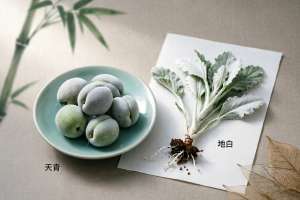
The efficacy and function of Tianqingdibai
Overview of the efficacy and functions of TianqingdibaiTianqing Dibai is a traditional Chinese medicinal material that has the effects of clearing heat and detoxifying, cooling blood and stopping bleeding, reducing swelling and dissipating stagnation. It is often used to treat sore throat, carbuncle sores, bruises and other diseases.Its main components include flavonoids, organic acids and other active substances. Modern research shows that it has certain anti-inflammatory and antibacterial effe