
- Current location:Home page >> health information
What are the sources of indoor pollution?
2026-08-26 03:16:28
Overview of Indoor Pollution Sources
There are various sources of indoor pollution, mainly divided intoChemical pollution, biological pollution, physical pollution and radioactive pollutionFour categories.Chemical pollution includes harmful gases released by decoration materials such as formaldehyde and benzene; biological pollution covers microorganisms such as mold and dust mites; physical pollution mainly refers to PM2.5, odors, etc.; radioactive pollution comes from radon gas in natural stones.Among them,Formaldehyde released from decoration materials and furnitureIt is the most harmful pollution source and attracts the most attention, followed by mold growing in humid environments and PM2.5 accumulation caused by insufficient ventilation.Proper ventilation, choosing environmentally friendly materials and regular cleaning are keys to reducing pollution.
Chemical pollution: an invisible threat to decoration and furniture
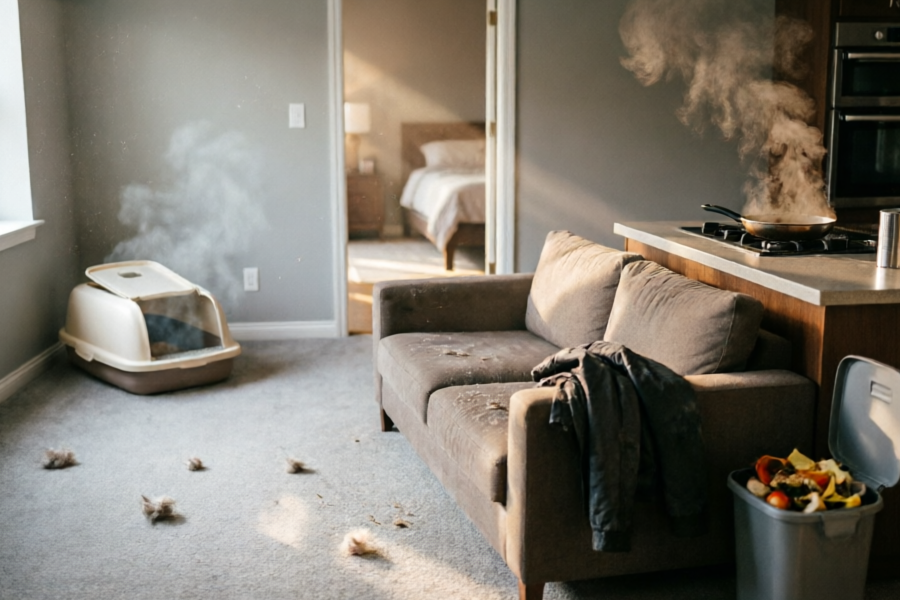
Decoration materials such as artificial boards, paints, adhesives, etc. will continue to releaseFormaldehyde, benzene, TVOC (total volatile organic compounds), especially the highest concentration within 3-6 months after the decoration of a new house.For example, low-quality laminate flooring may contain more than 10 times the legal limit of formaldehyde.Flame retardants and leather treatment agents used in upholstered materials in furniture may also release harmful substances.According to data from the China Indoor Environment Monitoring Center,68% of renovated homes have excessive formaldehyde problems.Choosing E0-grade environmentally friendly boards, water-based paint and opening windows for ventilation are effective countermeasures.
| pollutants | primary source | Hazard |
|---|---|---|
| Formaldehyde | Board, glue, wallpaper | Carcinogenic, teratogenic |
| Benzene series | Paints and coatings | Damage to the hematopoietic system |
| Ammonia | concrete antifreeze | Irritation to respiratory tract |
Biological contamination: the hidden dangers of moisture and insufficient cleaning
Moist environment is easy to breedMold, dust mites, bacteria, especially bathroom, kitchen and air conditioning filters are the hardest hit areas.Mold spores can trigger asthma and allergies, and dust mite excrement is the main cause of allergic rhinitis in children.U.S. EPA research shows that50% of homes have mold contamination.Regularly cleaning bedding, using a dehumidifier, and replacing air conditioning filters can significantly reduce the risk.Some air purifiers (such as the IQAir HealthPro series) can effectively filter microorganisms.
Physical and Radioactive Contamination: Details That Are Easily Overlooked
Cooking fumes, second-hand smoke, etc.PM2.5The concentration in a confined space can reach 10 times that of outdoors.Natural marble and granite may be releasedRadon gas(Level 1 carcinogen), especially in basements.The China Institute of Radiation Protection pointed out that,Radon gas contributes 10% to lung cancer risk.Using range hoods, banning smoking, and detecting radioactivity of stone materials are necessary means.Some building materials brands (such as Dongpeng Ceramics) have launched low-radioactive products.
Comprehensive management and long-term protection
To deal with indoor pollutionCombination of “prevention + treatment”: Before decoration, choose environmentally friendly materials (such as Shengxiang Flooring F4 star standard), perform regular testing after moving in (Japanese Riken formaldehyde detector is recommended), and match the fresh air system (such as Yuanda SG500) and green plants (Monstera, Pothos).Tsinghua University Building Environment Testing Center emphasizes that,Continuous ventilation is more effective than short-term purification.Consumers should be wary of exaggerated propaganda such as "zero formaldehyde" and refer to the national standard GB/T 18883-2022 for scientific management.
Citing sources
1. China Indoor Environment Monitoring Center's "2021 China Indoor Air Pollution White Paper"
2. U.S. Environmental Protection Agency (EPA) "Guidelines for Indoor Mold Prevention and Control"
3. Tsinghua University Building Environment Testing Center "Technical Specifications for Residential Ventilation"
4. Product examples: Shengxiang flooring (F4 star environmental protection standard), Yuanda fresh air system (SG500 model)
Relevant knowledge
- 2026-10-01How do women take care of their skin scientifically?
- 2026-10-01What is female beauty?
- 2026-09-30How can women supplement calcium scientifically?
- 2026-09-30What is calcium supplementation?
- 2026-09-30How often should bone density checks be done?
- 2026-09-29How to prevent osteoporosis?
- 2026-09-29Why are women prone to osteoporosis?
- 2026-09-29What is osteoporosis?
- 2026-09-28Is hormone replacement therapy safe?
- 2026-09-28What is hormone replacement therapy?
- 2026-09-28How to manage menopause?
- 2026-09-28What are the symptoms of menopause?
- 2026-09-28What is menopause?
- 2026-09-28What does a postpartum review include?
- 2026-09-27What is a postpartum review?
- 2026-09-27Is pelvic floor muscle repair necessary?
- 2026-09-27What is postpartum pelvic floor muscle repair?
- 2026-09-27How to lose weight scientifically after giving birth?
Chinese medicinal materials
More-
View
The efficacy and function of locust bean
Overview of the efficacy and functions of locust beanSophora bean, also known as Sophora japonica or Sophora japonica, is the mature fruit of Sophora japonica tree, a leguminous plant, and has various medicinal values in traditional medicine.Its main functions includeClears away heat and cools blood, moisturizes intestines and relieves constipation, lowers blood pressure, and resists oxidationetc., suitable for relieving symptoms such as hemorrhoids, bloody stools, and high blood pressure.Modern
-
View
The efficacy and function of Baiziren
Overview of the efficacy and functions of BaizirenBaiziren is the dried and mature seed kernel of Platycladus orientalis, a plant in the Cupressaceae family. Traditional Chinese medicine believes that it is flat in nature and sweet in taste, and can be used to regulate the heart, kidney, and large intestine meridians.Nourish the heart and calm the nerves, moisturize the intestines and relieve constipation, and nourish the liver and kidneysand other effects.Modern research shows that cypress seed
-
View
The efficacy and function of plum slices
Overview of the effects and functions of plum slicesPlum slices, also known as borneol or dipterocarp, is a traditional Chinese medicinal material that has the effects of rejuvenating the mind, clearing away heat and relieving pain, reducing swelling and promoting muscle growth.Its main component is dextroborneol, which is widely used in the fields of medicine, cosmetics and spices.The core functions of plum slices include relieving headaches, anti-inflammatory and sterilizing, promoting wound h
-
View
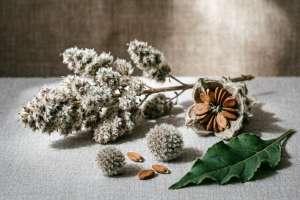
Efficacy and functions of Kochia bark
Overview of the efficacy and functions of Kochia barkKochia bark, also known as broom seedling, is a commonly used medicinal material in traditional Chinese medicine for clearing away heat and promoting dampness.Diuretic and relieve stranguria, dispel wind and relieve itching, clear away heat and detoxifyand other effects.It mainly acts on urinary system inflammation, skin itching and damp-heat jaundice, and is widely used clinically.Secondary functions include assisting in lowering blood sugar,
-
View
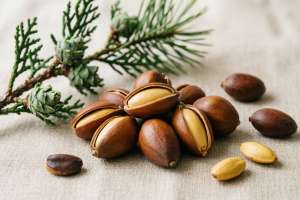
Efficacy and functions of Baiziren
Overview of the efficacy and functions of BaizirenBaiziren is the dried and mature seed kernel of Platycladus orientalis, a plant in the Cupressaceae family. Traditional Chinese medicine believes that it is flat in nature and sweet in taste, and can be used to regulate the heart, kidney, and large intestine meridians.Nourish the heart and calm the nerves, moisturize the intestines and relieve constipation, and nourish the liver and kidneysand other effects.Its main functions include improving sy
-
View
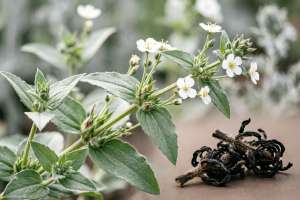
Eclipta Eclipta efficacy and functions
Overview of the efficacy and functions of EcliptaEclipta, also known as Eclipta or Eclipta, is a commonly used medicinal material in traditional Chinese medicine to nourish the liver and kidneys, cool blood and stop bleeding.Its core functions includeNourishes yin and nourishes kidney, blackens beard and hair, stops bleeding and reduces inflammation, the secondary effects involve improving hair loss, relieving gum bleeding and skin eczema.The primary and secondary structure is clear: liver and k
-

View
Function and role of hippocampus
Overview of the functions and functions of the hippocampusSeahorse is a precious marine creature recognized for its many benefits in both traditional medicine and modern research.Its main functions includeReplenishing kidneys and strengthening yang, anti-fatigue, regulating immunity, antioxidantetc., especially the effect of nourishing kidney and replenishing qi is the most prominent.In addition, the hippocampus also plays a certain role in improving blood circulation and relieving neurasthenia.
-
View
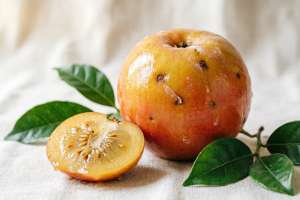
The effects and functions of fragrant fruit
Overview of the effects and functions of fragrant fruitXiangguo, also known as Ligusticum chuanxiong or Shannai, is a plant with both medicinal and edible value, and its rhizomes are often used in traditional Chinese medicine.Its main functions includePromotes blood circulation and removes blood stasis, dispels wind and relieves pain, improves blood circulation, the secondary effects involve relieving headaches, joint pain and women’s menstrual discomfort.The active ingredients of xiangguo, su
-
View
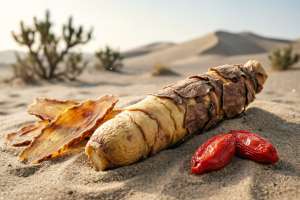
Efficacy and functions of Cistanche deserticola
Overview of the efficacy and functions of Cistanche deserticolaCistanche deserticola, also known as Cistanche deserticola, is a traditional Chinese medicinal material mainly produced in desert areas and is known as "desert ginseng".Its core functions includeReplenishing kidney yang, replenishing essence and blood, moistening intestines and laxative, the secondary effects involve anti-aging, regulating immunity, etc.This article will start from its medicinal value, suitable people, usage methods
-
View
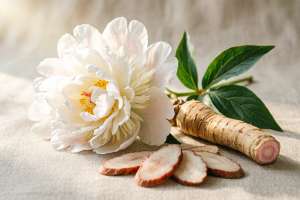
White peony effect and function
Overview of the efficacy and functions of white peony rootWhite peony root is a commonly used blood-nourishing and menstrual-regulating medicine in traditional Chinese medicine.Nourishes blood and softens liver, relieves pain, astringes yin and stops sweatingIt has core functions such as irregular menstruation, hypochondriac pain, spontaneous sweating and night sweats.Its functions can be divided into two categories: primary and secondary:Main functionsIncluding regulating female endocrine, reli
-
View
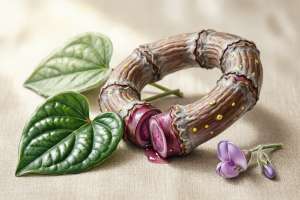
Efficacy and functions of Wu Hua Xue Teng
Overview of the efficacy and functions of SpatholobusFive-flowered bloodvine is a traditional Chinese medicinal material, which mainly hasPromotes blood circulation and removes blood stasis, unblocks collaterals to relieve pain, expels wind and removes dampnessIt has other effects and is often used to treat rheumatic arthralgia, bruises and irregular menstruation.Its core function is to promote blood circulation, relieve inflammation and pain, and its secondary functions include assisting in reg
-
View
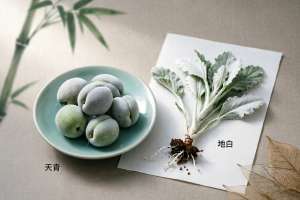
The efficacy and function of Tianqingdibai
Overview of the efficacy and functions of TianqingdibaiTianqing Dibai is a traditional Chinese medicinal material that has the effects of clearing heat and detoxifying, cooling blood and stopping bleeding, reducing swelling and dissipating stagnation. It is often used to treat sore throat, carbuncle sores, bruises and other diseases.Its main components include flavonoids, organic acids and other active substances. Modern research shows that it has certain anti-inflammatory and antibacterial effe