
- Current location:Home page >> health information
What are the dangers of formaldehyde?
2026-08-26 23:10:25
Formaldehyde Hazards and Protection Guide
Formaldehyde is a common indoor pollutant, mainly derived from decoration materials, furniture, textiles, etc. Long-term exposure can cause serious harm to human health.The hazards can be divided into two categories: short-term and long-term: short-term exposure may cause eye irritation, throat discomfort, skin allergies and other symptoms; long-term exposure is related to leukemia, nasopharyngeal cancer and other diseases, and is especially harmful to children, pregnant women and the elderly.This article will start from four aspects: the source of formaldehyde, health effects, detection methods and protective measures to help readers fully understand and effectively deal with formaldehyde pollution.
The main sources and release characteristics of formaldehyde

Formaldehyde is widely present in various types of decoration materials, such as artificial boards (density boards, plywood), paints, wallpaper adhesives, etc. New furniture and car interiors may also continuously release formaldehyde.Its release cycle is as long as 3-15 years, and the concentration will increase significantly especially in high temperature and high humidity environments.Taking a newly renovated house as an example, the first three months are the peak period of formaldehyde release, but even after moving in, low doses of formaldehyde may still exist for a long time.In addition, some low-quality clothing, toys and even food may also contain formaldehyde additives, so be wary of non-decoration sources.
Systemic hazards to health caused by formaldehyde
Short-term exposure to formaldehyde (0.1-0.5 mg/m³) can directly irritate the respiratory tract and mucous membranes, causing symptoms such as coughing and tearing; concentrations exceeding 1 mg/m³ may cause pneumonia or pulmonary edema.The World Health Organization's International Agency for Research on Cancer (IARC) has classified formaldehyde as a Class 1 carcinogen. Long-term exposure may damage the hematopoietic system and increase the risk of leukemia.Children are more susceptible because their immune systems are not fully developed, which may lead to asthma or mental retardation.In the "toxic runway" incident that was exposed in 2016, formaldehyde released from plastic runways on many campuses was the culprit of collective nosebleeds among students.
Scientific testing and effective protective measures
Formaldehyde can be detected using professional institutions (such as CMA certified laboratories) or household detectors, but it should be noted that some low-priced detectors have large data errors.In terms of protection, give priority to E0 or ENF grade environmentally friendly building materials, and maintain ventilation for 3-6 months after decoration. Activated carbon and green plants have limited adsorption effect, so it is recommended to use it with an air purifier (such as IQAir, Blueair and other brands).If the formaldehyde concentration exceeds the standard by more than 0.2mg/m³, professional photocatalyst or sealant treatment should be considered.It is worth noting that popular methods such as "grapefruit peel aldehyde removal" are actually ineffective, but may cover up the odor and delay treatment.
Comprehensive management and long-term health management
Formaldehyde prevention and control needs to start from three stages: source control, mid-term treatment and post-monitoring.When choosing furniture, you can check the test report and give priority to purchasing environmentally friendly products from well-known brands (such as Sophia, Quanyou, etc.); after moving in, it is recommended to recheck the formaldehyde concentration every summer during high temperatures.For existing health symptoms, you should seek medical treatment promptly and investigate environmental factors.Through scientific understanding and systematic protection, formaldehyde risks can be significantly reduced and a healthy home environment can be ensured.
| Formaldehyde concentration (mg/m³) | may be harmful |
|---|---|
| 0.06-0.1 | Sensitive people may experience mild discomfort |
| 0.1-0.5 | Eye and throat irritation, headache |
| >0.5 | Increased risk of pneumonia and cancer |
Quote sources:
1. World Health Organization "Indoor Air Quality Guidelines"
2. Data from the National Indoor Vehicle Environment and Environmental Protection Product Quality Supervision and Inspection Center
3. "Research Report on the Health Impact of Decoration Pollution" by the Institute of Environment, Chinese Center for Disease Control and Prevention
4. Brand case reference: board brand Wanhua Hexiang Board, detector brand Lvchi, etc.
Relevant knowledge
- 2026-10-01How do women take care of their skin scientifically?
- 2026-10-01What is female beauty?
- 2026-09-30How can women supplement calcium scientifically?
- 2026-09-30What is calcium supplementation?
- 2026-09-30How often should bone density checks be done?
- 2026-09-29How to prevent osteoporosis?
- 2026-09-29Why are women prone to osteoporosis?
- 2026-09-29What is osteoporosis?
- 2026-09-28Is hormone replacement therapy safe?
- 2026-09-28What is hormone replacement therapy?
- 2026-09-28How to manage menopause?
- 2026-09-28What are the symptoms of menopause?
- 2026-09-28What is menopause?
- 2026-09-28What does a postpartum review include?
- 2026-09-27What is a postpartum review?
- 2026-09-27Is pelvic floor muscle repair necessary?
- 2026-09-27What is postpartum pelvic floor muscle repair?
- 2026-09-27How to lose weight scientifically after giving birth?
Chinese medicinal materials
More-

View
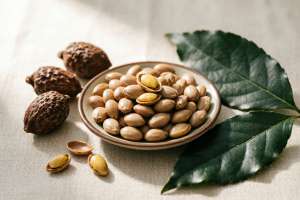
The efficacy and function of locust bean
Overview of the efficacy and functions of locust beanSophora bean, also known as Sophora japonica or Sophora japonica, is the mature fruit of Sophora japonica tree, a leguminous plant, and has various medicinal values in traditional medicine.Its main functions includeClears away heat and cools blood, moisturizes intestines and relieves constipation, lowers blood pressure, and resists oxidationetc., suitable for relieving symptoms such as hemorrhoids, bloody stools, and high blood pressure.Modern
-
View
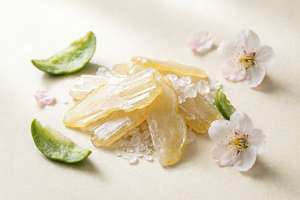
The efficacy and function of Baiziren
Overview of the efficacy and functions of BaizirenBaiziren is the dried and mature seed kernel of Platycladus orientalis, a plant in the Cupressaceae family. Traditional Chinese medicine believes that it is flat in nature and sweet in taste, and can be used to regulate the heart, kidney, and large intestine meridians.Nourish the heart and calm the nerves, moisturize the intestines and relieve constipation, and nourish the liver and kidneysand other effects.Modern research shows that cypress seed
-
View
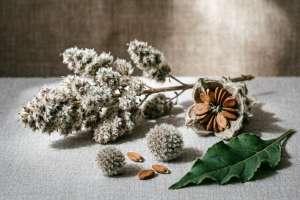
The efficacy and function of plum slices
Overview of the effects and functions of plum slicesPlum slices, also known as borneol or dipterocarp, is a traditional Chinese medicinal material that has the effects of rejuvenating the mind, clearing away heat and relieving pain, reducing swelling and promoting muscle growth.Its main component is dextroborneol, which is widely used in the fields of medicine, cosmetics and spices.The core functions of plum slices include relieving headaches, anti-inflammatory and sterilizing, promoting wound h
-
View
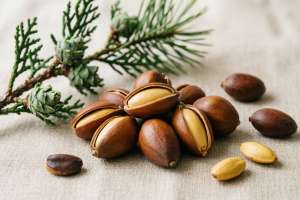
Efficacy and functions of Kochia bark
Overview of the efficacy and functions of Kochia barkKochia bark, also known as broom seedling, is a commonly used medicinal material in traditional Chinese medicine for clearing away heat and promoting dampness.Diuretic and relieve stranguria, dispel wind and relieve itching, clear away heat and detoxifyand other effects.It mainly acts on urinary system inflammation, skin itching and damp-heat jaundice, and is widely used clinically.Secondary functions include assisting in lowering blood sugar,
-
View
Efficacy and functions of Baiziren
Overview of the efficacy and functions of BaizirenBaiziren is the dried and mature seed kernel of Platycladus orientalis, a plant in the Cupressaceae family. Traditional Chinese medicine believes that it is flat in nature and sweet in taste, and can be used to regulate the heart, kidney, and large intestine meridians.Nourish the heart and calm the nerves, moisturize the intestines and relieve constipation, and nourish the liver and kidneysand other effects.Its main functions include improving sy
-
View
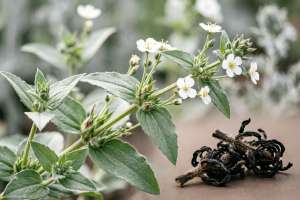
Eclipta Eclipta efficacy and functions
Overview of the efficacy and functions of EcliptaEclipta, also known as Eclipta or Eclipta, is a commonly used medicinal material in traditional Chinese medicine to nourish the liver and kidneys, cool blood and stop bleeding.Its core functions includeNourishes yin and nourishes kidney, blackens beard and hair, stops bleeding and reduces inflammation, the secondary effects involve improving hair loss, relieving gum bleeding and skin eczema.The primary and secondary structure is clear: liver and k
-

View
Function and role of hippocampus
Overview of the functions and functions of the hippocampusSeahorse is a precious marine creature recognized for its many benefits in both traditional medicine and modern research.Its main functions includeReplenishing kidneys and strengthening yang, anti-fatigue, regulating immunity, antioxidantetc., especially the effect of nourishing kidney and replenishing qi is the most prominent.In addition, the hippocampus also plays a certain role in improving blood circulation and relieving neurasthenia.
-
View
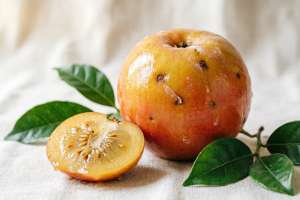
The effects and functions of fragrant fruit
Overview of the effects and functions of fragrant fruitXiangguo, also known as Ligusticum chuanxiong or Shannai, is a plant with both medicinal and edible value, and its rhizomes are often used in traditional Chinese medicine.Its main functions includePromotes blood circulation and removes blood stasis, dispels wind and relieves pain, improves blood circulation, the secondary effects involve relieving headaches, joint pain and women’s menstrual discomfort.The active ingredients of xiangguo, su
-
View
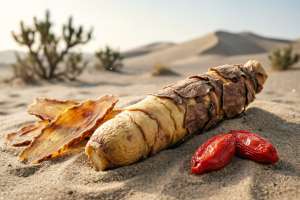
Efficacy and functions of Cistanche deserticola
Overview of the efficacy and functions of Cistanche deserticolaCistanche deserticola, also known as Cistanche deserticola, is a traditional Chinese medicinal material mainly produced in desert areas and is known as "desert ginseng".Its core functions includeReplenishing kidney yang, replenishing essence and blood, moistening intestines and laxative, the secondary effects involve anti-aging, regulating immunity, etc.This article will start from its medicinal value, suitable people, usage methods
-
View
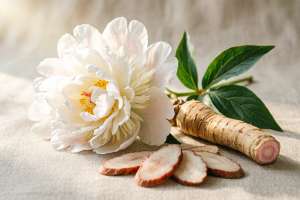
White peony effect and function
Overview of the efficacy and functions of white peony rootWhite peony root is a commonly used blood-nourishing and menstrual-regulating medicine in traditional Chinese medicine.Nourishes blood and softens liver, relieves pain, astringes yin and stops sweatingIt has core functions such as irregular menstruation, hypochondriac pain, spontaneous sweating and night sweats.Its functions can be divided into two categories: primary and secondary:Main functionsIncluding regulating female endocrine, reli
-

View
Efficacy and functions of Wu Hua Xue Teng
Overview of the efficacy and functions of SpatholobusFive-flowered bloodvine is a traditional Chinese medicinal material, which mainly hasPromotes blood circulation and removes blood stasis, unblocks collaterals to relieve pain, expels wind and removes dampnessIt has other effects and is often used to treat rheumatic arthralgia, bruises and irregular menstruation.Its core function is to promote blood circulation, relieve inflammation and pain, and its secondary functions include assisting in reg
-
View
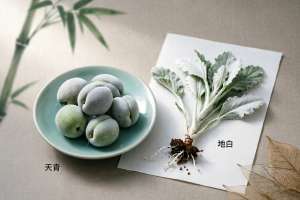
The efficacy and function of Tianqingdibai
Overview of the efficacy and functions of TianqingdibaiTianqing Dibai is a traditional Chinese medicinal material that has the effects of clearing heat and detoxifying, cooling blood and stopping bleeding, reducing swelling and dissipating stagnation. It is often used to treat sore throat, carbuncle sores, bruises and other diseases.Its main components include flavonoids, organic acids and other active substances. Modern research shows that it has certain anti-inflammatory and antibacterial effe