
- Current location:Home page >> health information
What is the difference between food intolerance and allergy?
2026-08-30 13:35:29
The Difference Between Food Intolerances and Allergies: Key Points and Structure
Food intolerances and food allergies are two common adverse food reactions, but their mechanisms, symptoms, and responses are very different.food allergyIt is an overreaction of the immune system to specific food proteins, which may cause hives, difficulty breathing or even anaphylactic shock. Allergens usually need to be strictly avoided; andfood intoleranceIt is often caused by a lack of digestive enzymes or metabolic problems (such as lactose intolerance), which manifests as bloating, diarrhea and other digestive system symptoms, which can be relieved by controlling intake.This article will be divided into four parts: 1) differences in definitions and mechanisms; 2) comparison of typical symptoms; 3) diagnosis and treatment methods; 4) daily management suggestions.The core is to help readers distinguish between the two and avoid confusion.
1. Definition and mechanism: immune response vs digestive problems
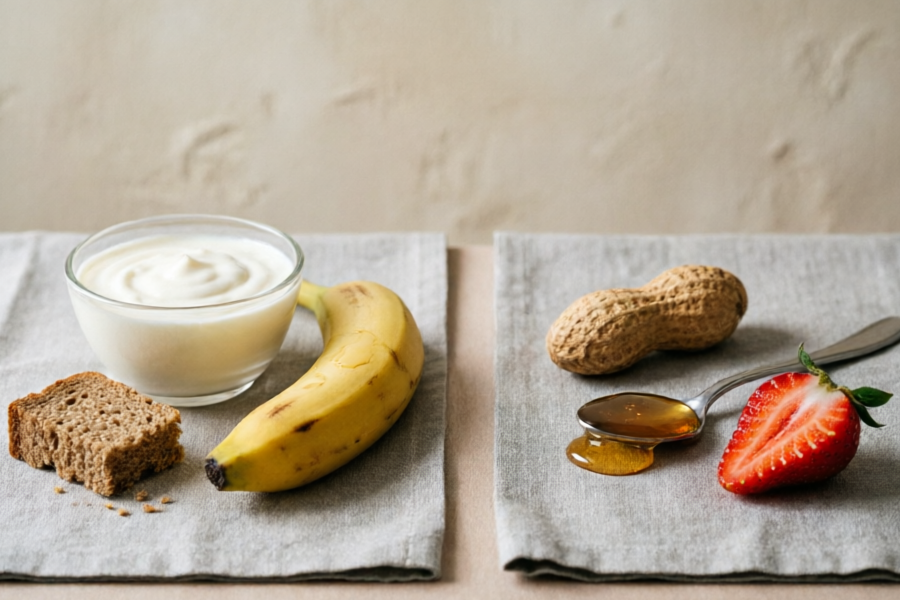
The essence of food allergies isImmune system errors attack.For example, in people allergic to peanuts, the immune system will view peanut proteins as a threat and release IgE antibodies and histamine, causing an acute reaction.Common allergens include milk, eggs, nuts, etc.Food intolerance has nothing to do with immunity, such aslactose intoleranceIt is due to the lack of lactase in the intestines and the inability to break down lactose, causing intestinal fermentation and gas production.Other intolerances may be triggered by food additives (such as sulfites) or natural ingredients (such as caffeine).The key difference is this: allergies can be life-threatening, while intolerances are mostly discomfort.
2. Comparison of symptoms: acute and chronic manifestations
Food allergy symptoms usually occur inWithin a few minutes to 2 hoursAppears, itchy skin, swollen lips, vomiting or laryngeal edema are typical manifestations, and in severe cases may causeanaphylactic shock(Epinephrine pen needs to be used immediately).Food intolerances, on the other hand, have slower symptoms. For example, lactose intolerance may present with bloating and diarrhea a few hours later, while gluten intolerance (non-celiac disease) may present with long-term fatigue or joint pain.The American Academy of Allergy, Asthma, and Immunology (AAAAI) points out that allergies require strict avoidance of allergens, and if you are intolerant, you can try small amounts or alternatives (such as lactose-free milk).
3. Diagnosis and management: professional testing and life adjustment
Diagnosis of allergy requiresskin prick testOr blood IgE test, if intolerant, passhydrogen breath test(such as lactose) or dietary elimination method.For treatment, those with allergies need to carry an epinephrine auto-injector (such as EpiPen) with them, and those with intolerance can supplement enzyme preparations (such as lactase tablets).Daily suggestions: 1) Read food labels and be wary of “may contain” allergens; 2) Choose hypoallergenic alternatives (such as almond milk instead of cow’s milk) if you are intolerant; 3) Consult a nutritionist to ensure balanced nutrition.Some companies such as Nestle have launched hypoallergenic formula milk powder, but use it under the guidance of a doctor.
Summary: Distinguish the mechanism and respond scientifically
The key difference between food allergies and intolerances isImmune involvement or notandSymptom severity.Allergies require urgent medical intervention, and intolerances can be improved with dietary modifications.In either case, it is recommended to keep a food diary and seek professional diagnosis.For parents, it is important to note that allergies in children may resolve with age (such as milk allergy), but nut allergies usually remain lifelong.For authoritative guidelines, refer to relevant literature from the World Allergy Organization (WAO) and the Allergy Branch of the Chinese Medical Association, and do not rely on informal testing (such as IgG antibody testing).
| Comparative item | food allergy | food intolerance |
|---|---|---|
| mechanism | Immune system IgE mediated | Digestive enzyme deficiency or metabolic abnormalities |
| Common triggers | Peanuts, seafood, eggs | Lactose, gluten, caffeine |
| Typical symptoms | Urticaria, difficulty breathing | bloating, diarrhea |
| diagnostic methods | skin prick test | hydrogen breath test |
Quote sources:
1. American Academy of Allergy, Asthma, and Immunology (AAAAI) Food Allergy Guidelines
2. World Allergy Organization (WAO) "Consensus on Classification of Adverse Food Reactions"
3. Chinese Medical Association's "Recommendations for the Diagnosis and Treatment of Food Allergy in Children"
4. Enterprise products: Nestle hypoallergenic formula milk powder, EpiPen epinephrine auto-injector (produced by Mylan Company)
Relevant knowledge
- 2026-10-01What is female beauty?
- 2026-09-30How can women supplement calcium scientifically?
- 2026-09-30What is calcium supplementation?
- 2026-09-30How often should bone density checks be done?
- 2026-09-29How to prevent osteoporosis?
- 2026-09-29Why are women prone to osteoporosis?
- 2026-09-29What is osteoporosis?
- 2026-09-28Is hormone replacement therapy safe?
- 2026-09-28What is hormone replacement therapy?
- 2026-09-28How to manage menopause?
- 2026-09-28What are the symptoms of menopause?
- 2026-09-28What is menopause?
- 2026-09-28What does a postpartum review include?
- 2026-09-27What is a postpartum review?
- 2026-09-27Is pelvic floor muscle repair necessary?
- 2026-09-27What is postpartum pelvic floor muscle repair?
- 2026-09-27How to lose weight scientifically after giving birth?
- 2026-09-26What is postpartum weight loss?
Chinese medicinal materials
More-
View
The efficacy and function of locust bean
Overview of the efficacy and functions of locust beanSophora bean, also known as Sophora japonica or Sophora japonica, is the mature fruit of Sophora japonica tree, a leguminous plant, and has various medicinal values in traditional medicine.Its main functions includeClears away heat and cools blood, moisturizes intestines and relieves constipation, lowers blood pressure, and resists oxidationetc., suitable for relieving symptoms such as hemorrhoids, bloody stools, and high blood pressure.Modern
-
View
The efficacy and function of Baiziren
Overview of the efficacy and functions of BaizirenBaiziren is the dried and mature seed kernel of Platycladus orientalis, a plant in the Cupressaceae family. Traditional Chinese medicine believes that it is flat in nature and sweet in taste, and can be used to regulate the heart, kidney, and large intestine meridians.Nourish the heart and calm the nerves, moisturize the intestines and relieve constipation, and nourish the liver and kidneysand other effects.Modern research shows that cypress seed
-
View
The efficacy and function of plum slices
Overview of the effects and functions of plum slicesPlum slices, also known as borneol or dipterocarp, is a traditional Chinese medicinal material that has the effects of rejuvenating the mind, clearing away heat and relieving pain, reducing swelling and promoting muscle growth.Its main component is dextroborneol, which is widely used in the fields of medicine, cosmetics and spices.The core functions of plum slices include relieving headaches, anti-inflammatory and sterilizing, promoting wound h
-
View
Efficacy and functions of Kochia bark
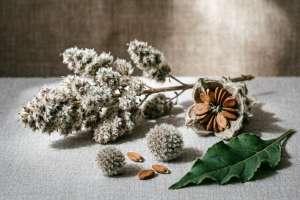
Overview of the efficacy and functions of Kochia barkKochia bark, also known as broom seedling, is a commonly used medicinal material in traditional Chinese medicine for clearing away heat and promoting dampness.Diuretic and relieve stranguria, dispel wind and relieve itching, clear away heat and detoxifyand other effects.It mainly acts on urinary system inflammation, skin itching and damp-heat jaundice, and is widely used clinically.Secondary functions include assisting in lowering blood sugar,
-
View
Efficacy and functions of Baiziren
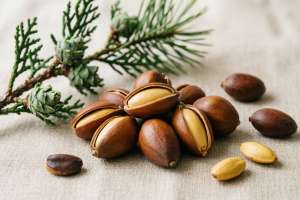
Overview of the efficacy and functions of BaizirenBaiziren is the dried and mature seed kernel of Platycladus orientalis, a plant in the Cupressaceae family. Traditional Chinese medicine believes that it is flat in nature and sweet in taste, and can be used to regulate the heart, kidney, and large intestine meridians.Nourish the heart and calm the nerves, moisturize the intestines and relieve constipation, and nourish the liver and kidneysand other effects.Its main functions include improving sy
-
View
Eclipta Eclipta efficacy and functions
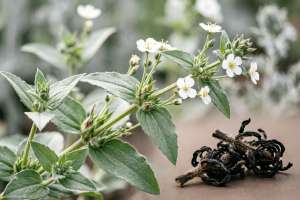
Overview of the efficacy and functions of EcliptaEclipta, also known as Eclipta or Eclipta, is a commonly used medicinal material in traditional Chinese medicine to nourish the liver and kidneys, cool blood and stop bleeding.Its core functions includeNourishes yin and nourishes kidney, blackens beard and hair, stops bleeding and reduces inflammation, the secondary effects involve improving hair loss, relieving gum bleeding and skin eczema.The primary and secondary structure is clear: liver and k
-

View
Function and role of hippocampus
Overview of the functions and functions of the hippocampusSeahorse is a precious marine creature recognized for its many benefits in both traditional medicine and modern research.Its main functions includeReplenishing kidneys and strengthening yang, anti-fatigue, regulating immunity, antioxidantetc., especially the effect of nourishing kidney and replenishing qi is the most prominent.In addition, the hippocampus also plays a certain role in improving blood circulation and relieving neurasthenia.
-
View
The effects and functions of fragrant fruit
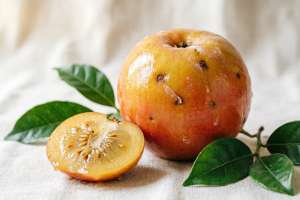
Overview of the effects and functions of fragrant fruitXiangguo, also known as Ligusticum chuanxiong or Shannai, is a plant with both medicinal and edible value, and its rhizomes are often used in traditional Chinese medicine.Its main functions includePromotes blood circulation and removes blood stasis, dispels wind and relieves pain, improves blood circulation, the secondary effects involve relieving headaches, joint pain and women’s menstrual discomfort.The active ingredients of xiangguo, su
-
View
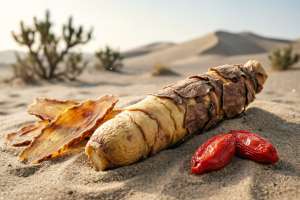
Efficacy and functions of Cistanche deserticola
Overview of the efficacy and functions of Cistanche deserticolaCistanche deserticola, also known as Cistanche deserticola, is a traditional Chinese medicinal material mainly produced in desert areas and is known as "desert ginseng".Its core functions includeReplenishing kidney yang, replenishing essence and blood, moistening intestines and laxative, the secondary effects involve anti-aging, regulating immunity, etc.This article will start from its medicinal value, suitable people, usage methods
-
View
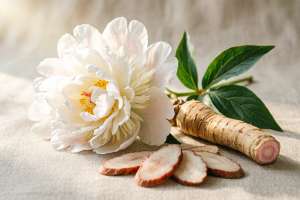
White peony effect and function
Overview of the efficacy and functions of white peony rootWhite peony root is a commonly used blood-nourishing and menstrual-regulating medicine in traditional Chinese medicine.Nourishes blood and softens liver, relieves pain, astringes yin and stops sweatingIt has core functions such as irregular menstruation, hypochondriac pain, spontaneous sweating and night sweats.Its functions can be divided into two categories: primary and secondary:Main functionsIncluding regulating female endocrine, reli
-
View
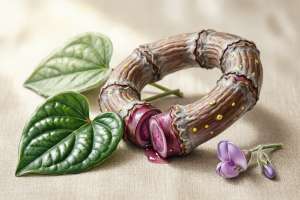
Efficacy and functions of Wu Hua Xue Teng
Overview of the efficacy and functions of SpatholobusFive-flowered bloodvine is a traditional Chinese medicinal material, which mainly hasPromotes blood circulation and removes blood stasis, unblocks collaterals to relieve pain, expels wind and removes dampnessIt has other effects and is often used to treat rheumatic arthralgia, bruises and irregular menstruation.Its core function is to promote blood circulation, relieve inflammation and pain, and its secondary functions include assisting in reg
-
View
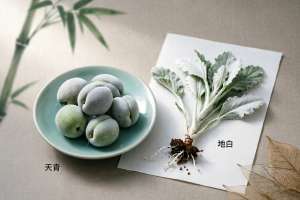
The efficacy and function of Tianqingdibai
Overview of the efficacy and functions of TianqingdibaiTianqing Dibai is a traditional Chinese medicinal material that has the effects of clearing heat and detoxifying, cooling blood and stopping bleeding, reducing swelling and dissipating stagnation. It is often used to treat sore throat, carbuncle sores, bruises and other diseases.Its main components include flavonoids, organic acids and other active substances. Modern research shows that it has certain anti-inflammatory and antibacterial effe