
- Current location:Home page >> health information
What are the health priorities for women at different ages?
2026-09-07 18:27:33
An overview of women’s health priorities at different ages
Women's health needs change with age, and they need to be focused on in stages.Adolescence (10-19 years old) andphysical development, mental healthAs the core; focus on childbearing age (20-40 years old)Reproductive health, nutritional balance; Middle-aged (41-60 years old) need to take precautionsChronic diseases, menopausal symptoms; Old age (60+ years old) focuses onBone, cardiovascular and cognitive health.Each stage needs to be combined with physical examination, exercise and psychological adjustment to form a systematic health management.
Adolescent health: laying the foundation for lifelong health

Puberty is a critical period for female physiological development and requires attentionmenarche regularityandNutritional supplements, such as insufficient iron and calcium intake can easily lead to anemia or affect bone development.At the psychological level, families and schools should pay attention toEmotional counseling, to avoid academic pressure causing anxiety.It is recommended to conduct a basic physical examination once a year, including height and weight monitoring and sex hormone level testing (such as FSH, LH).Research from Harvard Medical School points out that regular exercise during adolescence can reduce the risk of future osteoporosis by more than 30%.
Health during the childbearing years: Balancing childbearing and workplace stress
Women aged 20-40 facereproductive needswithcareer developmentdual challenge.It is recommended to supplement 3 months before pregnancyfolic acid(400μg/day) to prevent fetal neural tube defects.Non-pregnant women need to be vigilantpolycystic ovary syndrome(PCOS) and other endocrine diseases, manifested by irregular menstruation and acne.The American College of Obstetricians and Gynecologists (ACOG) recommends that women over the age of 30 undergo HPV screening every 3 years, combined with cervical smear (TCT) testing.Common health products such as Swisse Women's Multivitamin contain B vitamins and magnesium, which can relieve fatigue.
Midlife Health: Coping with Menopause and Chronic Disease
Ovarian function declines after the age of 40,estrogen fluctuationsCauses symptoms such as hot flashes and insomnia.The Chinese Menopause Association recommends additionalsoy isoflavones(50mg daily) or use hormone replacement therapy (HRT) as directed by your doctor.This stage requires focused screeningbreast cancer(Mammography once a year),diabetes(Fasting blood glucose <6.1mmol/L).Research from Peking University Third Hospital shows that 150 minutes of moderate-intensity exercise (such as brisk walking) per week can reduce the incidence of cardiovascular disease by 40%.
Health in old age: delaying aging and maintaining function
Women over 60 years oldbone densityDecreases by 1%-3% per year, daily intake requiredCalcium 1200mg + Vitamin D 800IU, common supplements such as Calcium D.Cardiovascular health can be achieved throughmediterranean diet(Rich in olive oil, deep-sea fish) improvement.Johns Hopkins University pointed out that cognitive training (such as reading and socializing) can delay the progression of Alzheimer's disease by 5-8 years.Regular physical examinations should includeBone metabolism markers(such as β-CTX), carotid artery ultrasound and other projects.
Full-cycle health management: personalization and continuity
Women's health needs to cover the entire life cycle. Health records should be established during adolescence, preventive vaccinations (such as HPV vaccines) should be strengthened during childbearing years, chronic disease management should be emphasized in middle age, and rehabilitation care should be strengthened in old age.It is recommended to choose a formal medical institution such asMeinian Health,Aikang GuobinConduct special screening.Authoritative data shows that women who adhere to health management have an average life expectancy of 7.2 years longer (WHO Global Report).Wellness is a habit, not a temporary task.
| age group | core projects | Frequency |
|---|---|---|
| 10-19 years old | Bone age testing, sex hormones | Once every 2 years |
| 20-40 years old | HPV+TCT, Breast Ultrasound | Once every 3 years |
| 41-60 years old | Mammography, glycosylated hemoglobin | 1 time per year |
| 60+ years old | Bone density, carotid artery ultrasound | 1 time per year |
Quote sources:
1. World Health Organization (WHO) "Guidelines for Women's Whole Life Cycle Health" 2022 Edition
2. American College of Obstetricians and Gynecologists (ACOG) Cervical Cancer Screening Guidelines
3. Chinese Nutrition Society’s “Reference Intake of Dietary Nutrients for Chinese Residents”
4. Product examples: Swisse Women’s Multivitamin (Health Group), Calcium D (Pfizer Pharmaceuticals)
Relevant knowledge
- 2026-10-01What is female beauty?
- 2026-09-30How can women supplement calcium scientifically?
- 2026-09-30What is calcium supplementation?
- 2026-09-30How often should bone density checks be done?
- 2026-09-29How to prevent osteoporosis?
- 2026-09-29Why are women prone to osteoporosis?
- 2026-09-29What is osteoporosis?
- 2026-09-28Is hormone replacement therapy safe?
- 2026-09-28What is hormone replacement therapy?
- 2026-09-28How to manage menopause?
- 2026-09-28What are the symptoms of menopause?
- 2026-09-28What is menopause?
- 2026-09-28What does a postpartum review include?
- 2026-09-27What is a postpartum review?
- 2026-09-27Is pelvic floor muscle repair necessary?
- 2026-09-27What is postpartum pelvic floor muscle repair?
- 2026-09-27How to lose weight scientifically after giving birth?
- 2026-09-26What is postpartum weight loss?
Chinese medicinal materials
More-
View
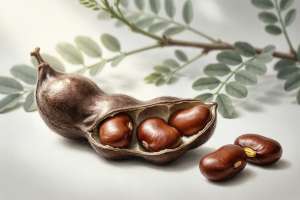
The efficacy and function of locust bean
Overview of the efficacy and functions of locust beanSophora bean, also known as Sophora japonica or Sophora japonica, is the mature fruit of Sophora japonica tree, a leguminous plant, and has various medicinal values in traditional medicine.Its main functions includeClears away heat and cools blood, moisturizes intestines and relieves constipation, lowers blood pressure, and resists oxidationetc., suitable for relieving symptoms such as hemorrhoids, bloody stools, and high blood pressure.Modern
-

View
The efficacy and function of Baiziren
Overview of the efficacy and functions of BaizirenBaiziren is the dried and mature seed kernel of Platycladus orientalis, a plant in the Cupressaceae family. Traditional Chinese medicine believes that it is flat in nature and sweet in taste, and can be used to regulate the heart, kidney, and large intestine meridians.Nourish the heart and calm the nerves, moisturize the intestines and relieve constipation, and nourish the liver and kidneysand other effects.Modern research shows that cypress seed
-

View
The efficacy and function of plum slices
Overview of the effects and functions of plum slicesPlum slices, also known as borneol or dipterocarp, is a traditional Chinese medicinal material that has the effects of rejuvenating the mind, clearing away heat and relieving pain, reducing swelling and promoting muscle growth.Its main component is dextroborneol, which is widely used in the fields of medicine, cosmetics and spices.The core functions of plum slices include relieving headaches, anti-inflammatory and sterilizing, promoting wound h
-

View
Efficacy and functions of Kochia bark
Overview of the efficacy and functions of Kochia barkKochia bark, also known as broom seedling, is a commonly used medicinal material in traditional Chinese medicine for clearing away heat and promoting dampness.Diuretic and relieve stranguria, dispel wind and relieve itching, clear away heat and detoxifyand other effects.It mainly acts on urinary system inflammation, skin itching and damp-heat jaundice, and is widely used clinically.Secondary functions include assisting in lowering blood sugar,
-

View
Efficacy and functions of Baiziren
Overview of the efficacy and functions of BaizirenBaiziren is the dried and mature seed kernel of Platycladus orientalis, a plant in the Cupressaceae family. Traditional Chinese medicine believes that it is flat in nature and sweet in taste, and can be used to regulate the heart, kidney, and large intestine meridians.Nourish the heart and calm the nerves, moisturize the intestines and relieve constipation, and nourish the liver and kidneysand other effects.Its main functions include improving sy
-

View
Eclipta Eclipta efficacy and functions
Overview of the efficacy and functions of EcliptaEclipta, also known as Eclipta or Eclipta, is a commonly used medicinal material in traditional Chinese medicine to nourish the liver and kidneys, cool blood and stop bleeding.Its core functions includeNourishes yin and nourishes kidney, blackens beard and hair, stops bleeding and reduces inflammation, the secondary effects involve improving hair loss, relieving gum bleeding and skin eczema.The primary and secondary structure is clear: liver and k
-

View
Function and role of hippocampus
Overview of the functions and functions of the hippocampusSeahorse is a precious marine creature recognized for its many benefits in both traditional medicine and modern research.Its main functions includeReplenishing kidneys and strengthening yang, anti-fatigue, regulating immunity, antioxidantetc., especially the effect of nourishing kidney and replenishing qi is the most prominent.In addition, the hippocampus also plays a certain role in improving blood circulation and relieving neurasthenia.
-

View
The effects and functions of fragrant fruit
Overview of the effects and functions of fragrant fruitXiangguo, also known as Ligusticum chuanxiong or Shannai, is a plant with both medicinal and edible value, and its rhizomes are often used in traditional Chinese medicine.Its main functions includePromotes blood circulation and removes blood stasis, dispels wind and relieves pain, improves blood circulation, the secondary effects involve relieving headaches, joint pain and women’s menstrual discomfort.The active ingredients of xiangguo, su
-

View
Efficacy and functions of Cistanche deserticola
Overview of the efficacy and functions of Cistanche deserticolaCistanche deserticola, also known as Cistanche deserticola, is a traditional Chinese medicinal material mainly produced in desert areas and is known as "desert ginseng".Its core functions includeReplenishing kidney yang, replenishing essence and blood, moistening intestines and laxative, the secondary effects involve anti-aging, regulating immunity, etc.This article will start from its medicinal value, suitable people, usage methods
-

View
White peony effect and function
Overview of the efficacy and functions of white peony rootWhite peony root is a commonly used blood-nourishing and menstrual-regulating medicine in traditional Chinese medicine.Nourishes blood and softens liver, relieves pain, astringes yin and stops sweatingIt has core functions such as irregular menstruation, hypochondriac pain, spontaneous sweating and night sweats.Its functions can be divided into two categories: primary and secondary:Main functionsIncluding regulating female endocrine, reli
-

View
Efficacy and functions of Wu Hua Xue Teng
Overview of the efficacy and functions of SpatholobusFive-flowered bloodvine is a traditional Chinese medicinal material, which mainly hasPromotes blood circulation and removes blood stasis, unblocks collaterals to relieve pain, expels wind and removes dampnessIt has other effects and is often used to treat rheumatic arthralgia, bruises and irregular menstruation.Its core function is to promote blood circulation, relieve inflammation and pain, and its secondary functions include assisting in reg
-
View
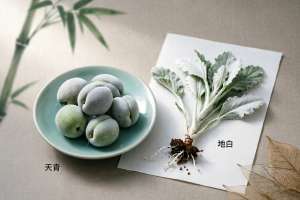
The efficacy and function of Tianqingdibai
Overview of the efficacy and functions of TianqingdibaiTianqing Dibai is a traditional Chinese medicinal material that has the effects of clearing heat and detoxifying, cooling blood and stopping bleeding, reducing swelling and dissipating stagnation. It is often used to treat sore throat, carbuncle sores, bruises and other diseases.Its main components include flavonoids, organic acids and other active substances. Modern research shows that it has certain anti-inflammatory and antibacterial effe