
- Current location:Home page >> health information
What is vaginitis?
2026-09-13 15:35:30
What is vaginitis?
Vaginitis is a common gynecological disease in women, mainly characterized by abnormal vaginal discharge, itching, burning sensation or odor, and is mainly caused by bacterial, fungal or parasitic infection.According to different causes, it can be divided into bacterial vaginitis, fungal vaginitis (such as Candida infection) and trichomonas vaginitis.Its onset is related to personal hygiene, immunity, hormone levels, sexual life and other factors.Treatment requires symptomatic medication, while prevention requires keeping clean, avoiding abuse of antibiotics and paying attention to sexual hygiene.
The first paragraph: content summary and structure
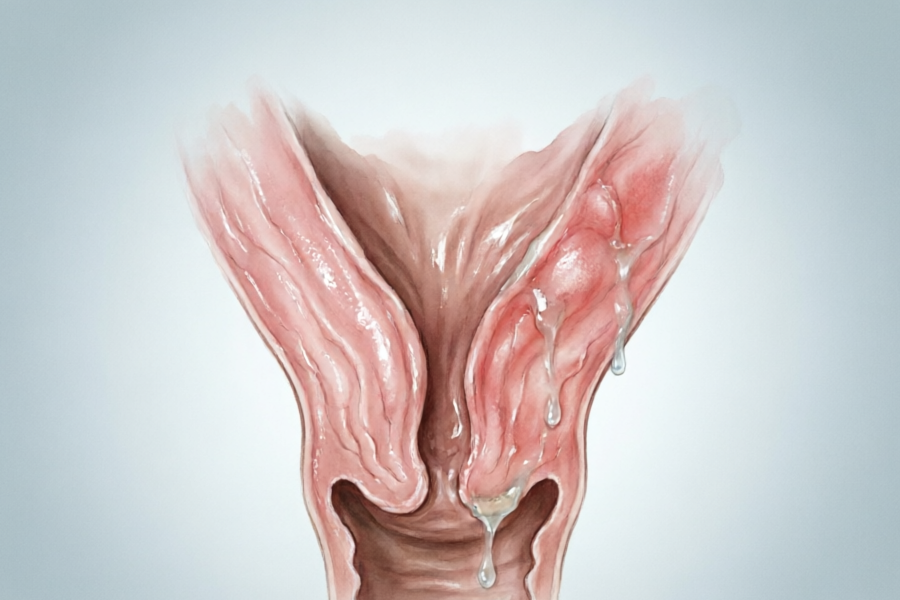
Vaginitis is a common inflammation of the female reproductive system. The core content focuses on causes, symptoms, classification, prevention and treatment.Highlights include:Cause(Microbial infection, decreased resistance, etc.),Typical symptoms(abnormal secretions, itching),Main types(bacterial, fungal, trichomonal) andPrevention and control measures(Medication, daily care).Secondary content involves susceptible groups, complications and medical advice.The logic of the full text is clear from definition to classification, to treatment and prevention.
Paragraph 2: Detailed explanation of causes and symptoms
vaginitisdirect causeMost are microbial infections, such as bacteria (Gardnerella), fungi (Candida albicans) or trichomonas.Bad hygiene habits, long-term use of antibiotics, pregnancy or diabetes can destroy the vaginal microecological balance and induce inflammation.Typical symptomsThese include gray-white or tofu-like discharge, vulvar itching or painful urination, and some patients are accompanied by fishy smell (bacterial) or yellow-green foamy discharge (trichomoniasis).The severity of symptoms varies depending on the type of infection and requires medical examination to confirm the diagnosis.
Paragraph 3: Classification and Diagnosis
According to different pathogens, vaginitis is mainly divided into three categories:bacterial vaginosis(40%-50%),fungal vaginitis(common in Candida) andTrichomonas vaginitis(Caused by sexually transmitted trichomonas).Diagnosis needs to be combined withRoutine examination of leucorrhea(observation of bacterial colonies under a microscope), pH value detection or nucleic acid amplification technology.For example, fungal vaginitis usually has a normal pH (4.0-4.5), while bacterial vaginitis may have an elevated pH (>4.5).Clear classification is crucial for precise medication use.
Paragraph 4: Treatment and preventive measures
treatment withantibacterial drugsMainly, such as metronidazole (bacterial, trichomonal) or clotrimazole suppository (fungal), it needs to be used according to the doctor's advice for a full course of treatment.Prevention should pay attention to:daily cleaning(Avoid frequent vaginal douching),Wear breathable cotton underwear,safe sexandEnhance immunity.Overuse of lotions or antibiotics may worsen symptoms.Patients with recurrence need to investigate potential causes such as diabetes, and if necessary, their partners should treat the disease together (such as trichomonas vaginitis).
Paragraph 5: Summary and medical advice
Although vaginitis is common, it should not be taken lightly. Timely and standardized treatment can avoid complications such as pelvic inflammatory disease.If persistent itching, abnormal discharge, or recurring episodes occur, seek medical attention as soon as possible.Daily prevention is better than cure, and maintaining a healthy lifestyle is the key.Note: Self-medication may mask the condition. Do not blindly use Internet celebrity products or folk remedies before diagnosis.
| Comparison of common types of vaginitis | Main pathogens | Typical symptoms | Commonly used drugs |
|---|---|---|---|
| bacterial vaginosis | Gardnerella et al. | Gray discharge, fishy smell | Metronidazole, clindamycin |
| fungal vaginitis | Candida albicans | Tofu-like discharge and severe itching | Clotrimazole, fluconazole |
| Trichomonas vaginitis | Trichomonas vaginalis | Yellow-green foamy discharge | Metronidazole, Tinidazole |
Quote sources:
1. "Obstetrics and Gynecology" (ninth edition), People's Medical Publishing House
2. World Health Organization (WHO) "Guidelines for the Diagnosis and Treatment of Vaginal Infections"
3. Common manufacturers and products:
- Bayer Pharma (clotrimazole suppository)
- Pfizer Pharmaceuticals (Fluconazole Capsules)
- North China Pharmaceutical (Metronidazole Tablets)
Relevant knowledge
- 2026-10-01What is female beauty?
- 2026-09-30How can women supplement calcium scientifically?
- 2026-09-30What is calcium supplementation?
- 2026-09-30How often should bone density checks be done?
- 2026-09-29How to prevent osteoporosis?
- 2026-09-29Why are women prone to osteoporosis?
- 2026-09-29What is osteoporosis?
- 2026-09-28Is hormone replacement therapy safe?
- 2026-09-28What is hormone replacement therapy?
- 2026-09-28How to manage menopause?
- 2026-09-28What are the symptoms of menopause?
- 2026-09-28What is menopause?
- 2026-09-28What does a postpartum review include?
- 2026-09-27What is a postpartum review?
- 2026-09-27Is pelvic floor muscle repair necessary?
- 2026-09-27What is postpartum pelvic floor muscle repair?
- 2026-09-27How to lose weight scientifically after giving birth?
- 2026-09-26What is postpartum weight loss?
Chinese medicinal materials
More-
View
The efficacy and function of Baiziren
Overview of the efficacy and functions of BaizirenBaiziren is the dried and mature seed kernel of Platycladus orientalis, a plant in the Cupressaceae family. Traditional Chinese medicine believes that it is flat in nature and sweet in taste, and can be used to regulate the heart, kidney, and large intestine meridians.Nourish the heart and calm the nerves, moisturize the intestines and relieve constipation, and nourish the liver and kidneysand other effects.Modern research shows that cypress seed
-
View
The efficacy and function of plum slices
Overview of the effects and functions of plum slicesPlum slices, also known as borneol or dipterocarp, is a traditional Chinese medicinal material that has the effects of rejuvenating the mind, clearing away heat and relieving pain, reducing swelling and promoting muscle growth.Its main component is dextroborneol, which is widely used in the fields of medicine, cosmetics and spices.The core functions of plum slices include relieving headaches, anti-inflammatory and sterilizing, promoting wound h
-
View
Efficacy and functions of Kochia bark
Overview of the efficacy and functions of Kochia barkKochia bark, also known as broom seedling, is a commonly used medicinal material in traditional Chinese medicine for clearing away heat and promoting dampness.Diuretic and relieve stranguria, dispel wind and relieve itching, clear away heat and detoxifyand other effects.It mainly acts on urinary system inflammation, skin itching and damp-heat jaundice, and is widely used clinically.Secondary functions include assisting in lowering blood sugar,
-
View
Efficacy and functions of Baiziren
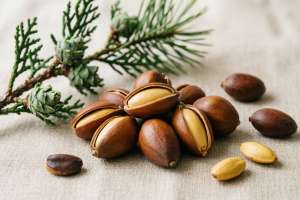
Overview of the efficacy and functions of BaizirenBaiziren is the dried and mature seed kernel of Platycladus orientalis, a plant in the Cupressaceae family. Traditional Chinese medicine believes that it is flat in nature and sweet in taste, and can be used to regulate the heart, kidney, and large intestine meridians.Nourish the heart and calm the nerves, moisturize the intestines and relieve constipation, and nourish the liver and kidneysand other effects.Its main functions include improving sy
-
View
Eclipta Eclipta efficacy and functions
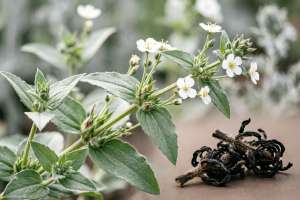
Overview of the efficacy and functions of EcliptaEclipta, also known as Eclipta or Eclipta, is a commonly used medicinal material in traditional Chinese medicine to nourish the liver and kidneys, cool blood and stop bleeding.Its core functions includeNourishes yin and nourishes kidney, blackens beard and hair, stops bleeding and reduces inflammation, the secondary effects involve improving hair loss, relieving gum bleeding and skin eczema.The primary and secondary structure is clear: liver and k
-

View
Function and role of hippocampus
Overview of the functions and functions of the hippocampusSeahorse is a precious marine creature recognized for its many benefits in both traditional medicine and modern research.Its main functions includeReplenishing kidneys and strengthening yang, anti-fatigue, regulating immunity, antioxidantetc., especially the effect of nourishing kidney and replenishing qi is the most prominent.In addition, the hippocampus also plays a certain role in improving blood circulation and relieving neurasthenia.
-
View
The effects and functions of fragrant fruit
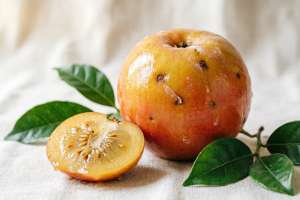
Overview of the effects and functions of fragrant fruitXiangguo, also known as Ligusticum chuanxiong or Shannai, is a plant with both medicinal and edible value, and its rhizomes are often used in traditional Chinese medicine.Its main functions includePromotes blood circulation and removes blood stasis, dispels wind and relieves pain, improves blood circulation, the secondary effects involve relieving headaches, joint pain and women’s menstrual discomfort.The active ingredients of xiangguo, su
-

View
Efficacy and functions of Cistanche deserticola
Overview of the efficacy and functions of Cistanche deserticolaCistanche deserticola, also known as Cistanche deserticola, is a traditional Chinese medicinal material mainly produced in desert areas and is known as "desert ginseng".Its core functions includeReplenishing kidney yang, replenishing essence and blood, moistening intestines and laxative, the secondary effects involve anti-aging, regulating immunity, etc.This article will start from its medicinal value, suitable people, usage methods
-
View
White peony effect and function
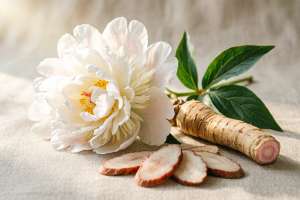
Overview of the efficacy and functions of white peony rootWhite peony root is a commonly used blood-nourishing and menstrual-regulating medicine in traditional Chinese medicine.Nourishes blood and softens liver, relieves pain, astringes yin and stops sweatingIt has core functions such as irregular menstruation, hypochondriac pain, spontaneous sweating and night sweats.Its functions can be divided into two categories: primary and secondary:Main functionsIncluding regulating female endocrine, reli
-
View
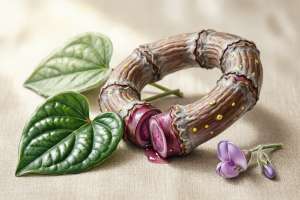
Efficacy and functions of Wu Hua Xue Teng
Overview of the efficacy and functions of SpatholobusFive-flowered bloodvine is a traditional Chinese medicinal material, which mainly hasPromotes blood circulation and removes blood stasis, unblocks collaterals to relieve pain, expels wind and removes dampnessIt has other effects and is often used to treat rheumatic arthralgia, bruises and irregular menstruation.Its core function is to promote blood circulation, relieve inflammation and pain, and its secondary functions include assisting in reg
-
View
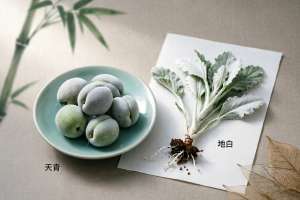
The efficacy and function of Tianqingdibai
Overview of the efficacy and functions of TianqingdibaiTianqing Dibai is a traditional Chinese medicinal material that has the effects of clearing heat and detoxifying, cooling blood and stopping bleeding, reducing swelling and dissipating stagnation. It is often used to treat sore throat, carbuncle sores, bruises and other diseases.Its main components include flavonoids, organic acids and other active substances. Modern research shows that it has certain anti-inflammatory and antibacterial effe
-
View
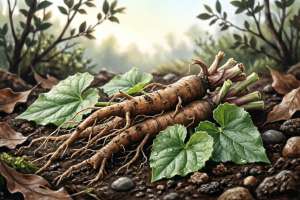
The efficacy and functions of wild buckwheat root
Overview of the efficacy and functions of wild buckwheat rootWild buckwheat root, also known as golden buckwheat, is a traditional Chinese medicinal material that has the functions of clearing heat and detoxifying, activating blood circulation and removing blood stasis, strengthening the spleen and digesting food.Modern research shows that it is rich in active ingredients such as flavonoids and phenolic acids, which has a certain auxiliary effect on respiratory infections, inflammation and diges