
- Current location:Home page >> health information
What is artificial insemination?
2026-09-19 03:46:22
Overview of artificial insemination
Artificial Insemination (AI) is an assisted reproductive technology that delivers processed sperm into the female reproductive tract through non-sexual intercourse to help conception.Its core steps include sperm collection, laboratory optimization and precise implantation, and is suitable for scenarios such as male infertility, female reproductive tract abnormalities or same-sex couples.Technology is divided intoArtificial insemination with husband's sperm (AIH)andArtificial insemination (AID), the success rate is affected by factors such as age, sperm quality, etc.The primary and secondary content structure is as follows: first introduce the definition and classification, then analyze the operation process, then discuss the applicable groups and precautions, and finally summarize the technical advantages and limitations.
Definition and classification of artificial insemination
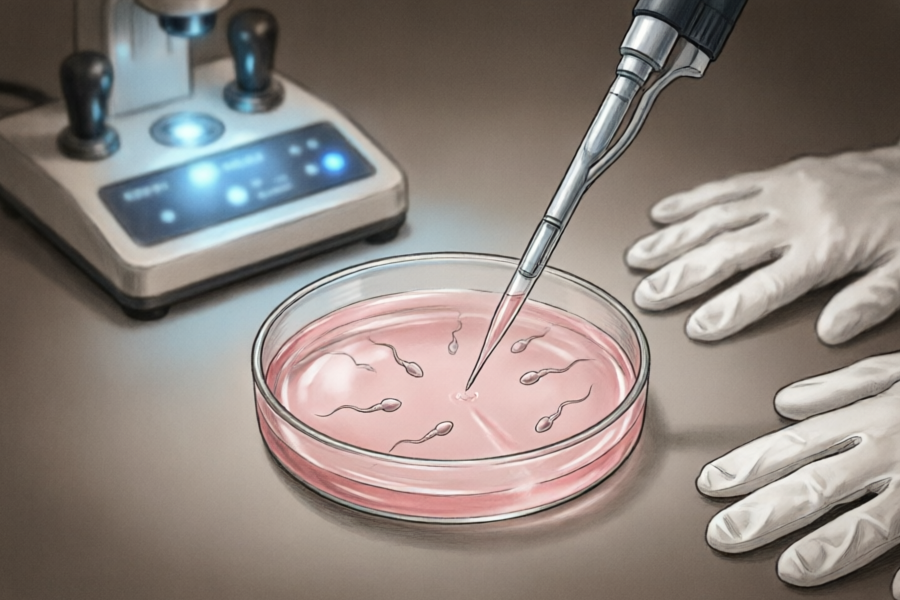
Artificial insemination uses medical means to bypass natural sexual intercourse and directly inject sperm into the uterus or fallopian tube.Sperm is divided into two categories according to its source:AIHUsing partner's sperm is suitable for mild oligoasthenozoospermia or sexual dysfunction;AIDSperm donated by sperm banks is often used in families at high risk of azoospermia or genetic diseases.This technology needs to be operated by professional doctors in medical institutions and needs to be combined with ovulation monitoring to improve the success rate.Compared with in vitro fertilization, artificial insemination is simpler and less expensive, but its indications are narrower.
Operational procedures and key technologies
Artificial insemination requires three steps:sperm preparation(Liquefaction, washing, concentration),Ovulation synchronization(drug or natural cycle monitoring) andsperm implantation(catheter is injected into the uterine cavity).The laboratory will screen sperm with high motility and remove inhibitory factors from the seminal plasma.Implantation is usually within 24 hours after ovulation, and the process is painless and takes about 10 minutes.Some cases require multiple attempts, but the success rate in a single cycle is about 10%-20%, and can reach 30% for young women.The technical difficulty lies in accurately grasping the ovulation window and optimizing sperm quality.
Applicable groups and risk warnings
This technology is suitable formale factor(such as erectile dysfunction, semen abnormalities),female factor(abnormal cervical mucus) andspecial needs groups(e.g. single women, same-sex couples).Contraindications include fallopian tube blockage and severe endometriosis.Possible risks include multiple pregnancy, ovarian hyperstimulation syndrome (OHSS), or minor infections.You need to strictly follow medical advice and choose a regular institution.Well-known domestic execution institutions include Peking University Third Hospital, Shanghai Ninth Hospital, etc., using equipment such as Cook Medical’s insemination catheters.
Technical value and prospects
Artificial insemination provides a low-cost, low-invasive reproductive option for infertile families, and is especially effective for mild infertility.However, its success rate is limited by the woman's age (declines significantly after the age of 35) and sperm quality.In the future, genetic screening technology may be combined to improve safety.It is worth noting that this technology must comply with ethical standards, and gender selection for non-medical purposes is prohibited in my country.Patients should rationally evaluate their own conditions and formulate a plan under the guidance of a doctor.
| Related data | Reference value |
|---|---|
| Single cycle success rate | 10%-20% |
| Best age range | 20-35 years old |
| Common fees (domestic) | 3000-8000 yuan/cycle |
Quote sources:
1. "Regulations on Human Assisted Reproductive Technology" (Ministry of Health of China, revised edition 2003)
2. World Health Organization (WHO) "Guidelines for the Diagnosis and Treatment of Infertility"
3. American Society for Reproductive Medicine (ASRM) Artificial Insemination Technology White Paper
4. Equipment manufacturers: Cook Medical (insemination catheter), SpermProcessor (sperm processing system)
Relevant knowledge
- 2026-10-01What is female beauty?
- 2026-09-30How can women supplement calcium scientifically?
- 2026-09-30What is calcium supplementation?
- 2026-09-30How often should bone density checks be done?
- 2026-09-29How to prevent osteoporosis?
- 2026-09-29Why are women prone to osteoporosis?
- 2026-09-29What is osteoporosis?
- 2026-09-28Is hormone replacement therapy safe?
- 2026-09-28What is hormone replacement therapy?
- 2026-09-28How to manage menopause?
- 2026-09-28What are the symptoms of menopause?
- 2026-09-28What is menopause?
- 2026-09-28What does a postpartum review include?
- 2026-09-27What is a postpartum review?
- 2026-09-27Is pelvic floor muscle repair necessary?
- 2026-09-27What is postpartum pelvic floor muscle repair?
- 2026-09-27How to lose weight scientifically after giving birth?
- 2026-09-26What is postpartum weight loss?
Chinese medicinal materials
More-

View
The efficacy and function of locust bean
Overview of the efficacy and functions of locust beanSophora bean, also known as Sophora japonica or Sophora japonica, is the mature fruit of Sophora japonica tree, a leguminous plant, and has various medicinal values in traditional medicine.Its main functions includeClears away heat and cools blood, moisturizes intestines and relieves constipation, lowers blood pressure, and resists oxidationetc., suitable for relieving symptoms such as hemorrhoids, bloody stools, and high blood pressure.Modern
-
View
The efficacy and function of Baiziren
Overview of the efficacy and functions of BaizirenBaiziren is the dried and mature seed kernel of Platycladus orientalis, a plant in the Cupressaceae family. Traditional Chinese medicine believes that it is flat in nature and sweet in taste, and can be used to regulate the heart, kidney, and large intestine meridians.Nourish the heart and calm the nerves, moisturize the intestines and relieve constipation, and nourish the liver and kidneysand other effects.Modern research shows that cypress seed
-
View
The efficacy and function of plum slices
Overview of the effects and functions of plum slicesPlum slices, also known as borneol or dipterocarp, is a traditional Chinese medicinal material that has the effects of rejuvenating the mind, clearing away heat and relieving pain, reducing swelling and promoting muscle growth.Its main component is dextroborneol, which is widely used in the fields of medicine, cosmetics and spices.The core functions of plum slices include relieving headaches, anti-inflammatory and sterilizing, promoting wound h
-
View
Efficacy and functions of Kochia bark
Overview of the efficacy and functions of Kochia barkKochia bark, also known as broom seedling, is a commonly used medicinal material in traditional Chinese medicine for clearing away heat and promoting dampness.Diuretic and relieve stranguria, dispel wind and relieve itching, clear away heat and detoxifyand other effects.It mainly acts on urinary system inflammation, skin itching and damp-heat jaundice, and is widely used clinically.Secondary functions include assisting in lowering blood sugar,
-
View
Efficacy and functions of Baiziren
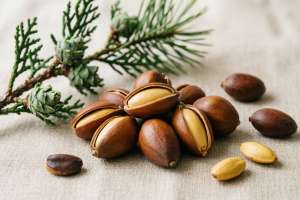
Overview of the efficacy and functions of BaizirenBaiziren is the dried and mature seed kernel of Platycladus orientalis, a plant in the Cupressaceae family. Traditional Chinese medicine believes that it is flat in nature and sweet in taste, and can be used to regulate the heart, kidney, and large intestine meridians.Nourish the heart and calm the nerves, moisturize the intestines and relieve constipation, and nourish the liver and kidneysand other effects.Its main functions include improving sy
-
View
Eclipta Eclipta efficacy and functions
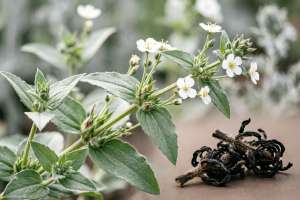
Overview of the efficacy and functions of EcliptaEclipta, also known as Eclipta or Eclipta, is a commonly used medicinal material in traditional Chinese medicine to nourish the liver and kidneys, cool blood and stop bleeding.Its core functions includeNourishes yin and nourishes kidney, blackens beard and hair, stops bleeding and reduces inflammation, the secondary effects involve improving hair loss, relieving gum bleeding and skin eczema.The primary and secondary structure is clear: liver and k
-

View
Function and role of hippocampus
Overview of the functions and functions of the hippocampusSeahorse is a precious marine creature recognized for its many benefits in both traditional medicine and modern research.Its main functions includeReplenishing kidneys and strengthening yang, anti-fatigue, regulating immunity, antioxidantetc., especially the effect of nourishing kidney and replenishing qi is the most prominent.In addition, the hippocampus also plays a certain role in improving blood circulation and relieving neurasthenia.
-
View
The effects and functions of fragrant fruit
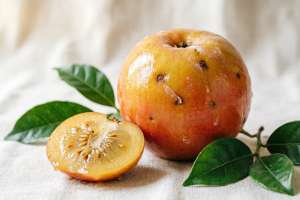
Overview of the effects and functions of fragrant fruitXiangguo, also known as Ligusticum chuanxiong or Shannai, is a plant with both medicinal and edible value, and its rhizomes are often used in traditional Chinese medicine.Its main functions includePromotes blood circulation and removes blood stasis, dispels wind and relieves pain, improves blood circulation, the secondary effects involve relieving headaches, joint pain and women’s menstrual discomfort.The active ingredients of xiangguo, su
-

View
Efficacy and functions of Cistanche deserticola
Overview of the efficacy and functions of Cistanche deserticolaCistanche deserticola, also known as Cistanche deserticola, is a traditional Chinese medicinal material mainly produced in desert areas and is known as "desert ginseng".Its core functions includeReplenishing kidney yang, replenishing essence and blood, moistening intestines and laxative, the secondary effects involve anti-aging, regulating immunity, etc.This article will start from its medicinal value, suitable people, usage methods
-
View
White peony effect and function
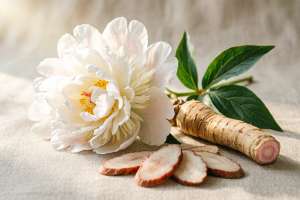
Overview of the efficacy and functions of white peony rootWhite peony root is a commonly used blood-nourishing and menstrual-regulating medicine in traditional Chinese medicine.Nourishes blood and softens liver, relieves pain, astringes yin and stops sweatingIt has core functions such as irregular menstruation, hypochondriac pain, spontaneous sweating and night sweats.Its functions can be divided into two categories: primary and secondary:Main functionsIncluding regulating female endocrine, reli
-
View
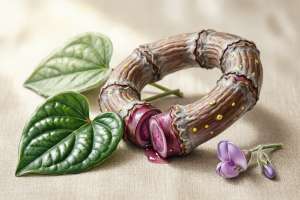
Efficacy and functions of Wu Hua Xue Teng
Overview of the efficacy and functions of SpatholobusFive-flowered bloodvine is a traditional Chinese medicinal material, which mainly hasPromotes blood circulation and removes blood stasis, unblocks collaterals to relieve pain, expels wind and removes dampnessIt has other effects and is often used to treat rheumatic arthralgia, bruises and irregular menstruation.Its core function is to promote blood circulation, relieve inflammation and pain, and its secondary functions include assisting in reg
-
View
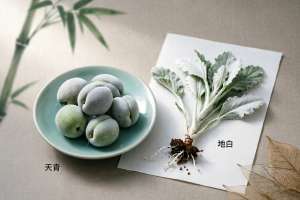
The efficacy and function of Tianqingdibai
Overview of the efficacy and functions of TianqingdibaiTianqing Dibai is a traditional Chinese medicinal material that has the effects of clearing heat and detoxifying, cooling blood and stopping bleeding, reducing swelling and dissipating stagnation. It is often used to treat sore throat, carbuncle sores, bruises and other diseases.Its main components include flavonoids, organic acids and other active substances. Modern research shows that it has certain anti-inflammatory and antibacterial effe