
- Current location:Home page >> health information
What are the benefits of breastfeeding?
2026-09-25 18:09:27
The full benefits of breastfeeding: Nutritional, health and emotional benefits
Breastfeeding is the most ideal natural food for babies, and its benefits cover many aspects such as nutritional supply, health protection, psychological development, economic and environmental protection.From a nutritional perspective, breast milk contains the perfect ratio of proteins, fats and carbohydrates needed for baby growth, as well as active ingredients such as immunoglobulins and probiotics.In terms of health, breast milk can reduce the risk of infections, allergies and chronic diseases in babies, while promoting postpartum recovery for mothers.Emotionally, the breastfeeding process strengthens the mother-infant bond and promotes the development of the baby's nervous system.Compared with formula milk, breastfeeding is more economical and convenient. These comprehensive advantages make it the preferred feeding method recommended by the World Health Organization (WHO).
Irreplaceable nutritional value and immune protection

The uniqueness of breast milk lies in its dynamically changing nutritional composition: colostrum is rich in immunoglobulin SIgA, which is equivalent to the baby's "first dose of vaccine"; lactoferrin and lysozyme in mature milk can inhibit the growth of pathogens.Research shows that the incidence of diarrhea in breastfed infants is reduced by 50% and the risk of respiratory infections is reduced by 30% (The Lancet 2016 research data).The American Academy of Pediatrics points out that DHA and AA fatty acids in breast milk are essential for brain development, and their absorption rate is 2-3 times that of formula milk.These active ingredients cannot be fully realized through industrial replication, making breast milk a true "living nutrition".
Two-way protection mechanism for maternal and infant health
For mothers, breastfeeding can stimulate the secretion of oxytocin, promote uterine contraction and reduce postpartum bleeding. Breastfeeding for more than 6 months can reduce the risk of breast cancer by 10% (WHO data).In terms of infants, long-term follow-up studies have shown that breastfeeding groups have a 22% lower probability of obesity and a 30% lower risk of type II diabetes in adulthood.The Harvard School of Public Health found that epidermal growth factor in breast milk can optimize intestinal flora and significantly reduce the incidence of necrotizing enterocolitis (NEC), which is particularly important for premature infants.This protective health effect lasts into childhood and even into adulthood.
Emotional connection and development promotion
Skin-to-skin contact during breastfeeding can stimulate the release of serotonin in the baby's brain, establishing a sense of security and improving cognitive abilities.Research from the University of Cambridge in the UK shows that babies who are breastfed for more than 6 months have an average language development score that is 15% higher.For mothers, prolactin secreted during breastfeeding has a natural calming effect and may reduce the risk of postpartum depression.UNICEF emphasizes that this kind of intimate interaction can cultivate children's emotional regulation ability, and its effects can last until school age.From a sociological perspective, breastfeeding is still the most environmentally friendly way of feeding, reducing tens of thousands of tons of milk powder can waste every year.
Scientific consensus and social support
Based on the recommendations of global authoritative organizations, WHO recommends exclusive breastfeeding until 6 months and continuing until 2 years old and above.Achieving this goal requires support from many aspects of society: medical institutions should promote the "mother and infant rooming-in" system, companies should protect the rights and interests of lactating female employees, and public places should improve breastfeeding facilities.It is worth noting that for situations where breastfeeding is indeed impossible, modern formula milk (such as Mead Johnson Enfamil, Wyeth S-26, etc.) can also provide basic nutrition, but parents should choose under the guidance of a doctor.The promotion of breastfeeding is not a moral kidnapping, but a public health strategy based on scientific evidence, which requires the whole society to create a friendly environment.
| Ingredients | Breast milk content | Formula milk content |
|---|---|---|
| Protein(g) | 1.0-1.2 | 1.2-1.5 |
| Fat(g) | 3.5-4.2 | 3.5-4.0 |
| Lactose(g) | 6.7-7.3 | 7.0-7.5 |
| SIgA(mg) | 100-300 | 0 |
| Probiotics (CFU) | 10^6-10^7 | Manually add 10^5-10^6 |
Data source:World Health Organization "Breastfeeding Training Manual" (2021 Edition), Chinese Nutrition Society "Dietary Guidelines for Chinese Residents" (2022), American Academy of Pediatrics "Breastfeeding Guidelines" (2018)
Relevant knowledge
- 2026-10-01What is female beauty?
- 2026-09-30How can women supplement calcium scientifically?
- 2026-09-30What is calcium supplementation?
- 2026-09-30How often should bone density checks be done?
- 2026-09-29How to prevent osteoporosis?
- 2026-09-29Why are women prone to osteoporosis?
- 2026-09-29What is osteoporosis?
- 2026-09-28Is hormone replacement therapy safe?
- 2026-09-28What is hormone replacement therapy?
- 2026-09-28How to manage menopause?
- 2026-09-28What are the symptoms of menopause?
- 2026-09-28What is menopause?
- 2026-09-28What does a postpartum review include?
- 2026-09-27What is a postpartum review?
- 2026-09-27Is pelvic floor muscle repair necessary?
- 2026-09-27What is postpartum pelvic floor muscle repair?
- 2026-09-27How to lose weight scientifically after giving birth?
- 2026-09-26What is postpartum weight loss?
Chinese medicinal materials
More-
View
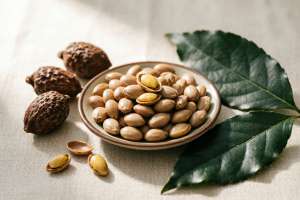
The efficacy and function of Baiziren
Overview of the efficacy and functions of BaizirenBaiziren is the dried and mature seed kernel of Platycladus orientalis, a plant in the Cupressaceae family. Traditional Chinese medicine believes that it is flat in nature and sweet in taste, and can be used to regulate the heart, kidney, and large intestine meridians.Nourish the heart and calm the nerves, moisturize the intestines and relieve constipation, and nourish the liver and kidneysand other effects.Modern research shows that cypress seed
-
View
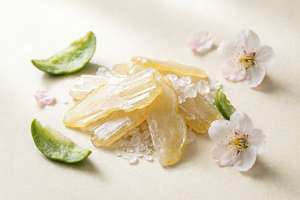
The efficacy and function of plum slices
Overview of the effects and functions of plum slicesPlum slices, also known as borneol or dipterocarp, is a traditional Chinese medicinal material that has the effects of rejuvenating the mind, clearing away heat and relieving pain, reducing swelling and promoting muscle growth.Its main component is dextroborneol, which is widely used in the fields of medicine, cosmetics and spices.The core functions of plum slices include relieving headaches, anti-inflammatory and sterilizing, promoting wound h
-
View
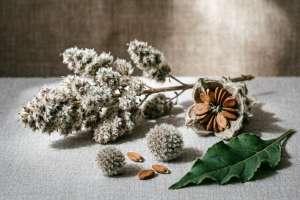
Efficacy and functions of Kochia bark
Overview of the efficacy and functions of Kochia barkKochia bark, also known as broom seedling, is a commonly used medicinal material in traditional Chinese medicine for clearing away heat and promoting dampness.Diuretic and relieve stranguria, dispel wind and relieve itching, clear away heat and detoxifyand other effects.It mainly acts on urinary system inflammation, skin itching and damp-heat jaundice, and is widely used clinically.Secondary functions include assisting in lowering blood sugar,
-
View
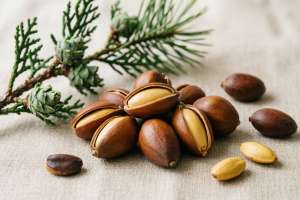
Efficacy and functions of Baiziren
Overview of the efficacy and functions of BaizirenBaiziren is the dried and mature seed kernel of Platycladus orientalis, a plant in the Cupressaceae family. Traditional Chinese medicine believes that it is flat in nature and sweet in taste, and can be used to regulate the heart, kidney, and large intestine meridians.Nourish the heart and calm the nerves, moisturize the intestines and relieve constipation, and nourish the liver and kidneysand other effects.Its main functions include improving sy
-
View
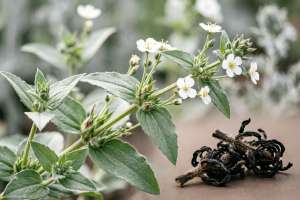
Eclipta Eclipta efficacy and functions
Overview of the efficacy and functions of EcliptaEclipta, also known as Eclipta or Eclipta, is a commonly used medicinal material in traditional Chinese medicine to nourish the liver and kidneys, cool blood and stop bleeding.Its core functions includeNourishes yin and nourishes kidney, blackens beard and hair, stops bleeding and reduces inflammation, the secondary effects involve improving hair loss, relieving gum bleeding and skin eczema.The primary and secondary structure is clear: liver and k
-

View
Function and role of hippocampus
Overview of the functions and functions of the hippocampusSeahorse is a precious marine creature recognized for its many benefits in both traditional medicine and modern research.Its main functions includeReplenishing kidneys and strengthening yang, anti-fatigue, regulating immunity, antioxidantetc., especially the effect of nourishing kidney and replenishing qi is the most prominent.In addition, the hippocampus also plays a certain role in improving blood circulation and relieving neurasthenia.
-
View
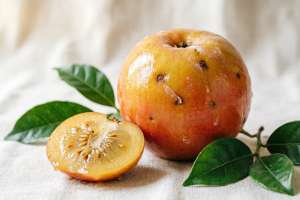
The effects and functions of fragrant fruit
Overview of the effects and functions of fragrant fruitXiangguo, also known as Ligusticum chuanxiong or Shannai, is a plant with both medicinal and edible value, and its rhizomes are often used in traditional Chinese medicine.Its main functions includePromotes blood circulation and removes blood stasis, dispels wind and relieves pain, improves blood circulation, the secondary effects involve relieving headaches, joint pain and women’s menstrual discomfort.The active ingredients of xiangguo, su
-

View
Efficacy and functions of Cistanche deserticola
Overview of the efficacy and functions of Cistanche deserticolaCistanche deserticola, also known as Cistanche deserticola, is a traditional Chinese medicinal material mainly produced in desert areas and is known as "desert ginseng".Its core functions includeReplenishing kidney yang, replenishing essence and blood, moistening intestines and laxative, the secondary effects involve anti-aging, regulating immunity, etc.This article will start from its medicinal value, suitable people, usage methods
-

View
White peony effect and function
Overview of the efficacy and functions of white peony rootWhite peony root is a commonly used blood-nourishing and menstrual-regulating medicine in traditional Chinese medicine.Nourishes blood and softens liver, relieves pain, astringes yin and stops sweatingIt has core functions such as irregular menstruation, hypochondriac pain, spontaneous sweating and night sweats.Its functions can be divided into two categories: primary and secondary:Main functionsIncluding regulating female endocrine, reli
-

View
Efficacy and functions of Wu Hua Xue Teng
Overview of the efficacy and functions of SpatholobusFive-flowered bloodvine is a traditional Chinese medicinal material, which mainly hasPromotes blood circulation and removes blood stasis, unblocks collaterals to relieve pain, expels wind and removes dampnessIt has other effects and is often used to treat rheumatic arthralgia, bruises and irregular menstruation.Its core function is to promote blood circulation, relieve inflammation and pain, and its secondary functions include assisting in reg
-
View
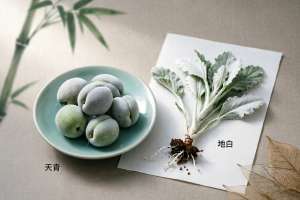
The efficacy and function of Tianqingdibai
Overview of the efficacy and functions of TianqingdibaiTianqing Dibai is a traditional Chinese medicinal material that has the effects of clearing heat and detoxifying, cooling blood and stopping bleeding, reducing swelling and dissipating stagnation. It is often used to treat sore throat, carbuncle sores, bruises and other diseases.Its main components include flavonoids, organic acids and other active substances. Modern research shows that it has certain anti-inflammatory and antibacterial effe
-

View
The efficacy and functions of wild buckwheat root
Overview of the efficacy and functions of wild buckwheat rootWild buckwheat root, also known as golden buckwheat, is a traditional Chinese medicinal material that has the functions of clearing heat and detoxifying, activating blood circulation and removing blood stasis, strengthening the spleen and digesting food.Modern research shows that it is rich in active ingredients such as flavonoids and phenolic acids, which has a certain auxiliary effect on respiratory infections, inflammation and diges