
- Current location:Home page >> health information
What is weaning?
2026-09-26 13:20:22
Overview of Weaning: Natural Transition vs. Scientific Method
Weaning is the gradual transition of infants from breast milk or formula to solid food, marking a change in nutritional sources and the development of the ability to eat independently.The main contents includeThe definition of weaning, the best time, gradual methods and common misunderstandings.Scientific weaning needs to be based on the baby's developmental stage to avoid too early or too late, and pay attention to the psychological adaptation of the mother and baby.The secondary content involves the selection of complementary foods during the weaning period, nutritional supplements and solutions to possible problems.
The timing and physiological basis of weaning

The World Health Organization recommends breastfeeding to2 years or older, but most families in6 months to 1 year oldStart introducing complementary foods and gradually weaning.At this time, the baby's digestive system gradually matures and can handle mushy or soft foods.Weaning too early may increase the risk of allergies, while weaning too late may affect the development of chewing ability.Observing the baby's interest in complementary foods, ability to sit firmly and loss of tongue push reflex are key signals to judge the timing.
The scientific method of gradual weaning
adopt"Alternative Method"Gradually reduce the frequency of breastfeeding, for example, first replace midday breastfeeding with complementary food and formula milk.You need to be patient during the process to avoid sudden weaning, which may cause anxiety to the baby or breast discomfort to the mother.Daytime breastfeeding should be reduced first, and nighttime breastfeeding should be adjusted last.introduceDiverse complementary foodsSuch as fortified iron rice noodles, vegetable puree, etc. to ensure balanced nutrition.The American Academy of Pediatrics emphasizes that you should only try one new food at a time and wait for 3-5 days to see if you are allergic before adding other foods.
Common Misunderstandings and Countermeasures
Misunderstanding 1: Weaning means completely stopping breastfeeding. In fact,You can still breastfeed 1-2 times after 1 year oldAs an emotional bond; Misunderstanding 2: Ignoring the mother's feelings. Sudden weaning may lead to mastitis. Cold compresses or breast pumps should be used to relieve swelling and pain.If the baby resists the bottle, try a different material of pacifier or cup feeding.If you experience persistent food refusal or weight loss, you need to consult a pediatrician to rule out health problems.
Summary: Balancing Nutrition and Mental Growth Milestones
Weaning is an important step toward independence for babies and requires a balance between physical needs and emotional transitions.PassIntroduce complementary foods in stages, observe the baby’s reaction, and adjust the rhythm flexibly, which can reduce the pressure on both parties.Remember, there is no universal standard and the method that suits your family’s actual situation is the best choice.If you encounter difficulties, you can refer to authoritative guides or seek professional guidance.
| Reference sources | Content citation |
|---|---|
| World Health Organization (WHO) | Breastfeeding duration recommendations |
| American Academy of Pediatrics (AAP) | Principles of introduction of complementary foods and allergy prevention |
| "Dietary Guidelines for Chinese Residents" | Nutritional plan for the weaning period |
Product examples (non-advertising):Heinz fortified iron rice flour and Gerber vegetable puree.The specific choice needs to be based on the baby's constitution. It is recommended to consult a doctor.
Relevant knowledge
- 2026-10-01What is female beauty?
- 2026-09-30How can women supplement calcium scientifically?
- 2026-09-30What is calcium supplementation?
- 2026-09-30How often should bone density checks be done?
- 2026-09-29How to prevent osteoporosis?
- 2026-09-29Why are women prone to osteoporosis?
- 2026-09-29What is osteoporosis?
- 2026-09-28Is hormone replacement therapy safe?
- 2026-09-28What is hormone replacement therapy?
- 2026-09-28How to manage menopause?
- 2026-09-28What are the symptoms of menopause?
- 2026-09-28What is menopause?
- 2026-09-28What does a postpartum review include?
- 2026-09-27What is a postpartum review?
- 2026-09-27Is pelvic floor muscle repair necessary?
- 2026-09-27What is postpartum pelvic floor muscle repair?
- 2026-09-27How to lose weight scientifically after giving birth?
- 2026-09-26What is postpartum weight loss?
Chinese medicinal materials
More-
View
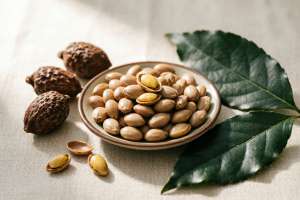
The efficacy and function of Baiziren
Overview of the efficacy and functions of BaizirenBaiziren is the dried and mature seed kernel of Platycladus orientalis, a plant in the Cupressaceae family. Traditional Chinese medicine believes that it is flat in nature and sweet in taste, and can be used to regulate the heart, kidney, and large intestine meridians.Nourish the heart and calm the nerves, moisturize the intestines and relieve constipation, and nourish the liver and kidneysand other effects.Modern research shows that cypress seed
-
View
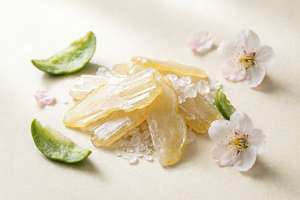
The efficacy and function of plum slices
Overview of the effects and functions of plum slicesPlum slices, also known as borneol or dipterocarp, is a traditional Chinese medicinal material that has the effects of rejuvenating the mind, clearing away heat and relieving pain, reducing swelling and promoting muscle growth.Its main component is dextroborneol, which is widely used in the fields of medicine, cosmetics and spices.The core functions of plum slices include relieving headaches, anti-inflammatory and sterilizing, promoting wound h
-
View
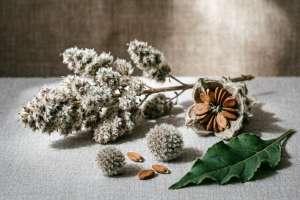
Efficacy and functions of Kochia bark
Overview of the efficacy and functions of Kochia barkKochia bark, also known as broom seedling, is a commonly used medicinal material in traditional Chinese medicine for clearing away heat and promoting dampness.Diuretic and relieve stranguria, dispel wind and relieve itching, clear away heat and detoxifyand other effects.It mainly acts on urinary system inflammation, skin itching and damp-heat jaundice, and is widely used clinically.Secondary functions include assisting in lowering blood sugar,
-
View
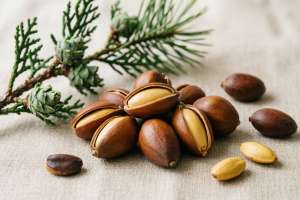
Efficacy and functions of Baiziren
Overview of the efficacy and functions of BaizirenBaiziren is the dried and mature seed kernel of Platycladus orientalis, a plant in the Cupressaceae family. Traditional Chinese medicine believes that it is flat in nature and sweet in taste, and can be used to regulate the heart, kidney, and large intestine meridians.Nourish the heart and calm the nerves, moisturize the intestines and relieve constipation, and nourish the liver and kidneysand other effects.Its main functions include improving sy
-
View
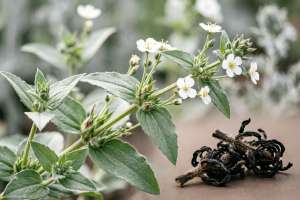
Eclipta Eclipta efficacy and functions
Overview of the efficacy and functions of EcliptaEclipta, also known as Eclipta or Eclipta, is a commonly used medicinal material in traditional Chinese medicine to nourish the liver and kidneys, cool blood and stop bleeding.Its core functions includeNourishes yin and nourishes kidney, blackens beard and hair, stops bleeding and reduces inflammation, the secondary effects involve improving hair loss, relieving gum bleeding and skin eczema.The primary and secondary structure is clear: liver and k
-

View
Function and role of hippocampus
Overview of the functions and functions of the hippocampusSeahorse is a precious marine creature recognized for its many benefits in both traditional medicine and modern research.Its main functions includeReplenishing kidneys and strengthening yang, anti-fatigue, regulating immunity, antioxidantetc., especially the effect of nourishing kidney and replenishing qi is the most prominent.In addition, the hippocampus also plays a certain role in improving blood circulation and relieving neurasthenia.
-
View
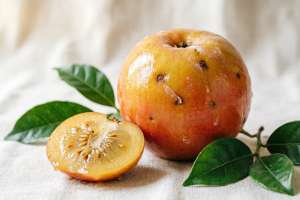
The effects and functions of fragrant fruit
Overview of the effects and functions of fragrant fruitXiangguo, also known as Ligusticum chuanxiong or Shannai, is a plant with both medicinal and edible value, and its rhizomes are often used in traditional Chinese medicine.Its main functions includePromotes blood circulation and removes blood stasis, dispels wind and relieves pain, improves blood circulation, the secondary effects involve relieving headaches, joint pain and women’s menstrual discomfort.The active ingredients of xiangguo, su
-
View
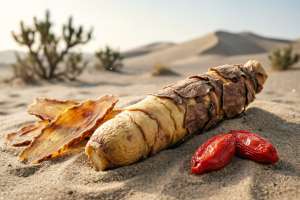
Efficacy and functions of Cistanche deserticola
Overview of the efficacy and functions of Cistanche deserticolaCistanche deserticola, also known as Cistanche deserticola, is a traditional Chinese medicinal material mainly produced in desert areas and is known as "desert ginseng".Its core functions includeReplenishing kidney yang, replenishing essence and blood, moistening intestines and laxative, the secondary effects involve anti-aging, regulating immunity, etc.This article will start from its medicinal value, suitable people, usage methods
-
View
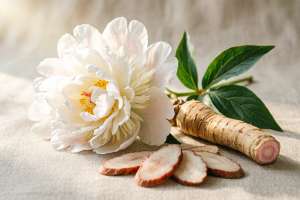
White peony effect and function
Overview of the efficacy and functions of white peony rootWhite peony root is a commonly used blood-nourishing and menstrual-regulating medicine in traditional Chinese medicine.Nourishes blood and softens liver, relieves pain, astringes yin and stops sweatingIt has core functions such as irregular menstruation, hypochondriac pain, spontaneous sweating and night sweats.Its functions can be divided into two categories: primary and secondary:Main functionsIncluding regulating female endocrine, reli
-
View
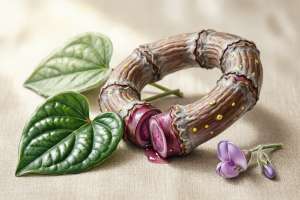
Efficacy and functions of Wu Hua Xue Teng
Overview of the efficacy and functions of SpatholobusFive-flowered bloodvine is a traditional Chinese medicinal material, which mainly hasPromotes blood circulation and removes blood stasis, unblocks collaterals to relieve pain, expels wind and removes dampnessIt has other effects and is often used to treat rheumatic arthralgia, bruises and irregular menstruation.Its core function is to promote blood circulation, relieve inflammation and pain, and its secondary functions include assisting in reg
-
View
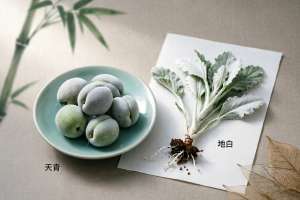
The efficacy and function of Tianqingdibai
Overview of the efficacy and functions of TianqingdibaiTianqing Dibai is a traditional Chinese medicinal material that has the effects of clearing heat and detoxifying, cooling blood and stopping bleeding, reducing swelling and dissipating stagnation. It is often used to treat sore throat, carbuncle sores, bruises and other diseases.Its main components include flavonoids, organic acids and other active substances. Modern research shows that it has certain anti-inflammatory and antibacterial effe
-
View
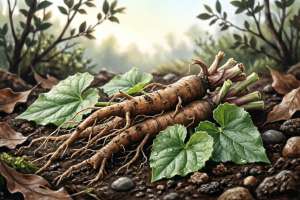
The efficacy and functions of wild buckwheat root
Overview of the efficacy and functions of wild buckwheat rootWild buckwheat root, also known as golden buckwheat, is a traditional Chinese medicinal material that has the functions of clearing heat and detoxifying, activating blood circulation and removing blood stasis, strengthening the spleen and digesting food.Modern research shows that it is rich in active ingredients such as flavonoids and phenolic acids, which has a certain auxiliary effect on respiratory infections, inflammation and diges