
- Current location:Home page >> Western medicine
Phenytoin
2026-03-16 17:59:32
Phenytoin: Analysis of core anti-epileptic and arrhythmia drugs
Phenytoin is a classic drug widely used in the treatment of epilepsy and cardiac arrhythmias. Its core function is to suppress abnormal electrical activity. This article will start from four parts: pharmacological mechanism, clinical application, precautions and production information, focusing on analyzing its therapeutic value and limitations. First, we outline the core status of its dual indications, then discuss in detail the application differences between the nervous system and cardiovascular system, and finally summarize the medication risks and common dosage forms on the market to provide readers with a comprehensive reference.
Pharmacological properties and therapeutic targets
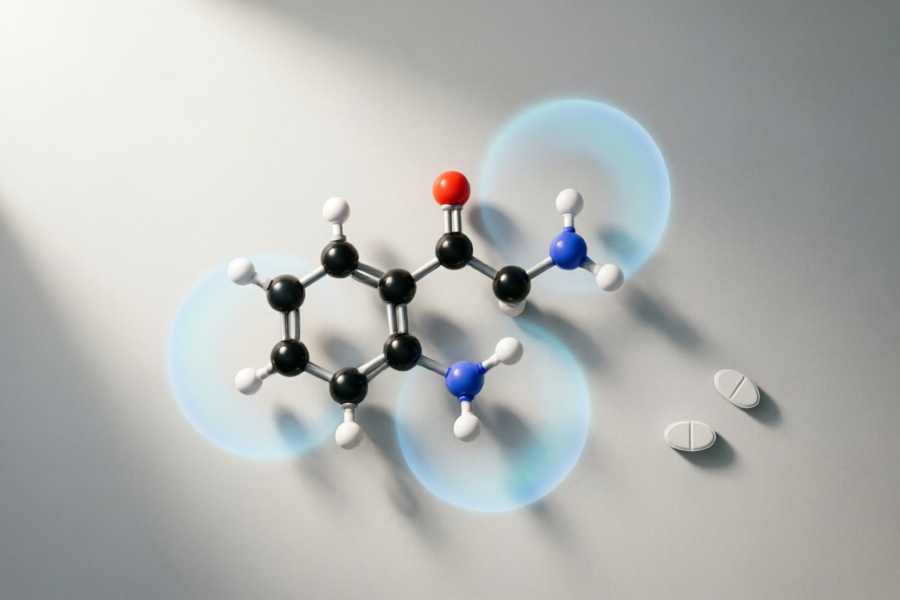
Phenytoin exerts its medicinal effect by blocking voltage-dependent sodium channels, significantly reducing the abnormal excitability of neurons and cardiomyocytes. In the treatment of epilepsy, it can effectively suppress high-frequency discharges in brain focus areas, especially forGrand mal and focal seizuresThe effect is significant; in the field of arrhythmia, ventricular tachycardia is controlled by prolonging the refractory period of the atrioventricular node. It is worth noting that the therapeutic window of this drug is narrow, and the blood concentration needs to be maintained in the range of 10-20 μg/ml. Excessive dosage can easily cause neurotoxic reactions such as nystagmus.
Differentiated performance in clinical applications
For patients with epilepsy, phenytoin is often used as a second-line drug when drugs such as carbamazepine are ineffective. The American Academy of Neurology guidelines state that its effectiveness in controlling seizures is about 60%-70%. In cardiovascular terms, in 2020 the European Society of Cardiology classified phenytoin asArrhythmia caused by digitalis poisoningalternatives. Clinical data show that intravenous injection of 300 mg can restore normal heart rhythm in 80% of patients with premature ventricular contractions (see table below).
| Indications | efficient | Recommended dosage |
|---|---|---|
| grand mal epilepsy | 65% | 200-400mg daily |
| ventricular tachycardia | 78% | Intravenous injection 5mg/kg |
Risks of use and contraindications for special groups
Long-term use may lead to gum hyperplasia (incidence 15%-20%) and osteoporosis. It is contraindicated for pregnant women (FDA Pregnancy Class D) as it may cause fetal malformations. The INR value needs to be closely monitored when used in combination with warfarin, as the hepatic enzyme induction effect of phenytoin will accelerate the metabolism of anticoagulant drugs. Elderly patients should reduce the dose by 30%, and those with liver dysfunction need to monitor blood drug concentrations.
Market overview and medication guidance
Major domestic manufacturers include Shanghai Xinyi Pharmaceutical Factory (trade nameDalunding), Shandong Xinhua Pharmaceutical, etc., the dosage forms include 50mg tablets and 250mg injections. The principle of "starting with a small dose" should be followed when using it. It takes 3-4 weeks for oral administration to reach a steady-state concentration. The 2019 version of the "Chinese Guidelines for the Diagnosis and Treatment of Epilepsy" emphasizes that blood routine and liver function should be tested regularly during treatment. Although new anti-epileptic drugs continue to emerge, phenytoin still maintains an important position in primary hospitals due to its precise efficacy and price advantages.
Quote sources:
1. "Clinical Pharmacology" (8th edition) edited by Li Jun
2. U.S. FDA drug package insert (NDA 008762)
3. European Society of Cardiology 2020 Arrhythmia Guidelines
4. Manufacturers: Shanghai Xinyi Pharmaceutical Factory (Dalentin®), Shandong Xinhua Pharmaceutical (Phenytoin Tablets)
Relevant knowledge
- 2026-04-08valacyclovir
- 2026-04-08Acyclovir
- 2026-04-08Terbinafine
- 2026-04-08Ketoconazole
- 2026-04-07pimecrolimus
- 2026-04-07Tacrolimus ointment
- 2026-04-07adapalene
- 2026-04-07Isotretinoin
- 2026-04-06Avitretin A
- 2026-04-06Torasemi
- 2026-04-06hydrochlorothiazide
- 2026-04-06Furosemide
- 2026-04-05Spironolactone
- 2026-04-05Dutasteride
- 2026-04-05finasteride
- 2026-04-05Tamsulosin
- 2026-04-05Solinacin
- 2026-04-04tolterodine
Chinese medicinal materials
More-

View
The efficacy and function of Kudidin
Overview of the efficacy and functions of KudidinKudidin is a traditional Chinese medicinal material that has the functions of clearing away heat and detoxifying, reducing swelling and relieving pain, activating blood circulation and removing blood stasis. It is often used to treat sore throat, sores, bruises and injuries. Its main active ingredients include alkaloids and flavonoids, and modern research has also found that it has antibacterial, anti-inflammatory and immunomodulatory effects. Thi
-
View
The efficacy and functions of mallow seeds
Overview of the efficacy and functions of mallow seedsMallow seeds are a traditional Chinese medicinal material whose main functions includeDiuretic and relieve stranguria, moisturize intestines and relieve constipation, clear away heat and detoxify, is commonly used in clinical Chinese medicine to treat symptoms such as difficulty urinating, edema, constipation and heat sores. Its core function comes from its rich mucus, polysaccharide and mineral components, which can gently regulate human met
-
View
The efficacy and function of mountain turtle
### Efficacy and functions of mountain turtle #### 1. Overview Mountain turtle (scientific name: *Stephania tetrandra*), also known as "Golden Threaded Turtle" or "Fangji", is a traditional Chinese medicinal material mainly distributed in southern my country. Its roots are used as medicine and have the effects of clearing away heat and detoxifying, dispelling wind and relieving pain, diuresis and reducing swelling. It is often used to treat rheumatic arthralgia, edema, sores, swelling and poison
-
View
The efficacy and function of scalding dog spine
Overview of the efficacy and functions of hot dog spineHot dog spine is a processed product of the traditional Chinese medicine dog spine. It hasNourish liver and kidney, strengthen muscles and bones, remove rheumatismWith core functions such as this, it is often used to treat related symptoms caused by soreness and weakness in the waist and knees, rheumatic arthralgia and kidney deficiency. Its mechanism of action is mainly due to the active ingredients such as flavonoids and volatile oils, whi
-
View
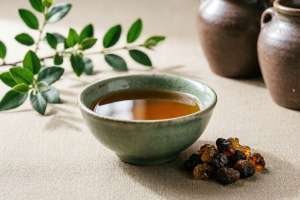
Effects and functions of vinegar and myrrh
Below is structured content about the benefits and effects of vinegar and myrrh, generated as per your request:First paragraph: content overviewVinegar myrrh is a commonly used processed product in traditional Chinese medicine. It is processed from myrrh through vinegar. Its main functions are to promote blood circulation and relieve pain, reduce swelling and promote muscle growth. Its core functions are reflected in three aspects: first, it relieves blood stasis pain by promoting blood circulat
-
View
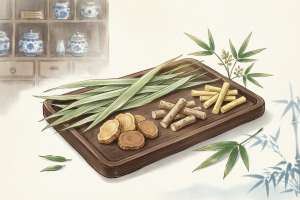
The efficacy and function of Daochi Powder
Overview of the efficacy and functions of Daochi PowderDaochi Powder is one of the classic prescriptions of traditional Chinese medicine. It is mainly used to clear away heat and dampness, relieve stranguria and relieve pain. It is especially good at treating symptoms such as short red urine, sores on the mouth and tongue caused by excessive heart fire or damp heat. Its core functions includeClear the heart, reduce fire, diuretic and relieve stranguria, its secondary function is to relieve urina
-
View
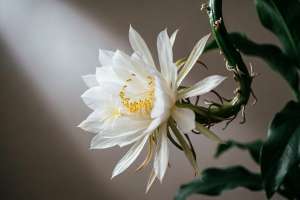
The efficacy and function of dream flower
The efficacy and function of dream flower: the multiple values of traditional herbal medicineDream flower, also known as knotweed or yellow daphne, is a plant with both ornamental and medicinal value. Its core functions includeRelaxing muscles and activating collaterals, reducing swelling and relieving pain, calming nerves and promoting sleep, secondary effects involve antibacterial, anti-inflammatory and improved skin health. The primary and secondary structure is clear: medicinal value is the
-
View
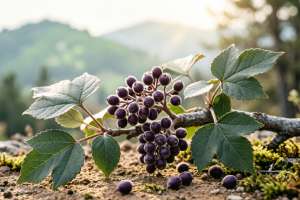
The efficacy and functions of Huangjingzi
Overview of the efficacy and functions of HuangjingziHuang Jing Zi, also known as Bu Jing Zi, is the dried and mature fruit of Vitex japonicus, a plant of the Verbenaceae family, and is widely used in traditional Chinese medicine. Its nature and flavor are pungent, bitter, and warm, and returns to the lung, stomach, and liver meridians.Expelling wind and relieving surface, resolving phlegm and relieving cough, promoting qi and relieving pain, resolving dampness and neutralizingIt has other effec
-
View
The efficacy and function of amethyst
Overview of the efficacy and functions of amethystAmethyst is a traditional Chinese medicine with a long history of medicinal use. Its main functions includeCalming the mind and calming the nerves, warming the lungs and relieving asthma, warming the palace and dispersing cold, suitable for palpitations, insomnia, cough and asthma due to deficiency and cold, and uterine cold in women. Its core role stems from the containedcalcium fluorideAnd other mineral components, modern research has also foun
-

View
The efficacy and role of artemisinin
The efficacy and role of artemisinin: from anti-malaria to the exploration of modern medicineArtemisinin is an active ingredient extracted from the traditional Chinese medicine Artemisia annua. Its most significant effect isAnti malaria, especially has a significant effect on drug-resistant malaria parasites. In addition, research has also found that it has certain value in the fields of anti-inflammation, immune regulation and potential anti-tumor. This article will start with its core function
-
View
Effects and functions of sarsaparilla
Overview of the efficacy and functions of sarsaparillaSarsaparilla is a traditional Chinese medicinal material that has the effects of dispelling wind, removing dampness, reducing swelling and relieving pain, and benefiting joints. It is often used as an auxiliary treatment for rheumatism, bruises, and urinary system diseases. Its main active ingredients include flavonoids, saponins, etc. Modern research has also found its antioxidant and anti-inflammatory effects. In terms of content structure,
-
View
The efficacy and function of fried Citrus aurantium husk
Overview of the efficacy and functions of fried Fructus AurantiiStir-fried Citrus aurantium is a qi-regulating medicine commonly used in traditional Chinese medicine. It is made from Citrus aurantium and has the functions ofExpands the circulation of qi, relieves swelling and fullness, resolves phlegm and relieves stagnationand other core functions. It is mainly used for symptoms such as stagnation of spleen and stomach qi, fullness of the chest and hypochondrium, and indigestion. It is especial