
- Current location:Home page >> Western medicine
Aletinib
2026-03-22 19:19:28
Alectinib: a targeted treatment option for ALK-positive non-small cell lung cancer
Alectinib is a second-generation targeted drug for ALK-positive non-small cell lung cancer (NSCLC). It blocks tumor growth signals by inhibiting ALK protein kinase activity. This article will start with its mechanism of action, clinical advantages, applicable groups and production information to help patients fully understand this treatment option. The main content includes: 1) The core working principle of drugs; 2) Comparing the efficacy and safety advantages of first-generation drugs; 3) Applicable patient screening criteria; 4) Domestic and foreign manufacturers and drug names.
Precisely block the molecular mechanism of tumor growth
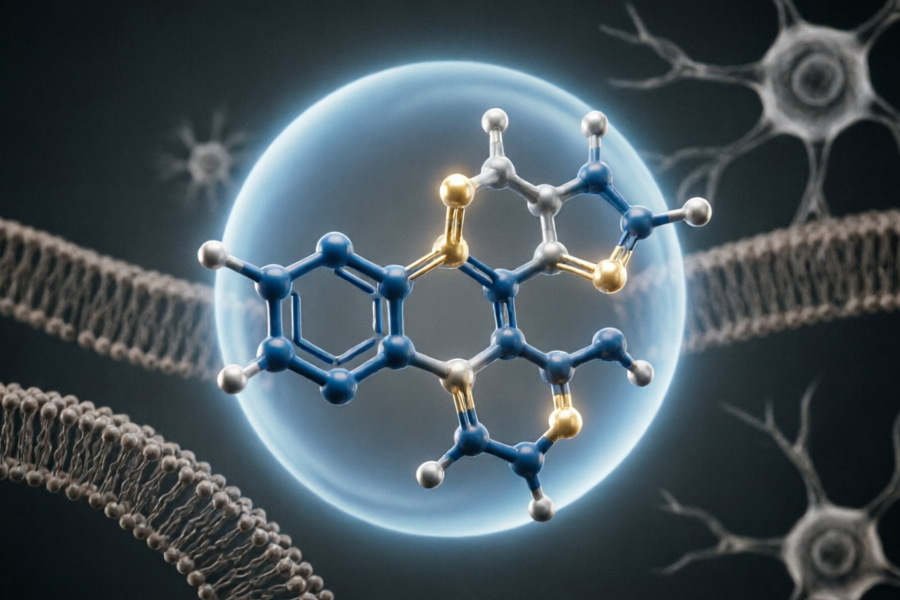
As a tyrosine kinase inhibitor, aletinib is unique in that it can highly selectively bind to ALK fusion proteins and inhibit the downstream STAT3 and PI3K/AKT pathways. Compared with the first-generation drug crizotinib, its affinity for the ALK target is increased by 5 times, and it can effectively penetrate the blood-brain barrier and show significant control effects on brain metastases. Clinical studies show that alectinib can increase the median progression-free survival (PFS) of patients with ALK-positive NSCLC to 34.8 months, which is significantly longer than that of the control group.
Double breakthrough in efficacy and safety
In the ALEX phase III clinical trial, the 3-year survival rate of patients in the alectinib group reached 62.5%, and the risk of brain metastasis was reduced by 84%. The incidence of adverse reactions is lower than that of first-generation drugs, and common side effects such as fatigue (28%) and constipation (20%) are mostly grade 1-2. Different from traditional chemotherapy, this drug does not cause significant bone marrow suppression, and the patient's quality of life score improves by 37% (based on the EORTC QLQ-C30 scale). These data make it a priority recommendation in the NCCN guidelines.
Patients benefiting from precision medicine
Applicable patients need to be confirmed positive for ALK rearrangement by FISH or NGS testing, and are especially suitable for: 1) patients with newly treated advanced NSCLC; 2) patients who have progressed after resistance to crizotinib; 3) patients with asymptomatic brain metastases. It should be noted that the efficacy of patients with coexisting EGFR mutations may be limited. Liver function should be assessed before medication (ALT needs to be <2.5 times ULN). The standard daily dose is 600mg bid. Taking it with meals can increase bioavailability by 20%.
Global production and drug information summary
| Manufacturer | Trade name | Specifications | Listed area |
|---|---|---|---|
| Roche Pharmaceuticals | Alecensa | 150mg/tablet | 50+ countries around the world |
| Hansoh Pharmaceuticals | Alectinib | 150mg/tablet | China |
An important choice in the era of personalized treatment
Alectinib represents a major advance in targeted therapy for ALK-positive NSCLC, with long-lasting disease control and good tolerability balancing efficacy and quality of life. Patients must strictly follow genetic testing instructions when taking medications, and regularly monitor CPK levels and vision changes. As more real-world data accumulates, the value of this drug in sequential treatment will be further clarified, providing a new paradigm for the chronic disease management of lung cancer.
Data source:
1. NCCN Clinical Practice Guidelines (2023 v1)
2. ALEX clinical trial (NCT02075840)
3. National Medical Products Administration drug database
4. Roche Pharmaceutical Product Instructions (2022 Edition)
Relevant knowledge
- 2026-04-08valacyclovir
- 2026-04-08Acyclovir
- 2026-04-08Terbinafine
- 2026-04-08Ketoconazole
- 2026-04-07pimecrolimus
- 2026-04-07Tacrolimus ointment
- 2026-04-07adapalene
- 2026-04-07Isotretinoin
- 2026-04-06Avitretin A
- 2026-04-06Torasemi
- 2026-04-06hydrochlorothiazide
- 2026-04-06Furosemide
- 2026-04-05Spironolactone
- 2026-04-05Dutasteride
- 2026-04-05finasteride
- 2026-04-05Tamsulosin
- 2026-04-05Solinacin
- 2026-04-04tolterodine
Chinese medicinal materials
More-

View
The efficacy and function of Kudidin
Overview of the efficacy and functions of KudidinKudidin is a traditional Chinese medicinal material that has the functions of clearing away heat and detoxifying, reducing swelling and relieving pain, activating blood circulation and removing blood stasis. It is often used to treat sore throat, sores, bruises and injuries. Its main active ingredients include alkaloids and flavonoids, and modern research has also found that it has antibacterial, anti-inflammatory and immunomodulatory effects. Thi
-

View
The efficacy and functions of mallow seeds
Overview of the efficacy and functions of mallow seedsMallow seeds are a traditional Chinese medicinal material whose main functions includeDiuretic and relieve stranguria, moisturize intestines and relieve constipation, clear away heat and detoxify, is commonly used in clinical Chinese medicine to treat symptoms such as difficulty urinating, edema, constipation and heat sores. Its core function comes from its rich mucus, polysaccharide and mineral components, which can gently regulate human met
-

View
The efficacy and function of mountain turtle
### Efficacy and functions of mountain turtle #### 1. Overview Mountain turtle (scientific name: *Stephania tetrandra*), also known as "Golden Threaded Turtle" or "Fangji", is a traditional Chinese medicinal material mainly distributed in southern my country. Its roots are used as medicine and have the effects of clearing away heat and detoxifying, dispelling wind and relieving pain, diuresis and reducing swelling. It is often used to treat rheumatic arthralgia, edema, sores, swelling and poison
-
View
The efficacy and function of scalding dog spine
Overview of the efficacy and functions of hot dog spineHot dog spine is a processed product of the traditional Chinese medicine dog spine. It hasNourish liver and kidney, strengthen muscles and bones, remove rheumatismWith core functions such as this, it is often used to treat related symptoms caused by soreness and weakness in the waist and knees, rheumatic arthralgia and kidney deficiency. Its mechanism of action is mainly due to the active ingredients such as flavonoids and volatile oils, whi
-

View
Effects and functions of vinegar and myrrh
Below is structured content about the benefits and effects of vinegar and myrrh, generated as per your request:First paragraph: content overviewVinegar myrrh is a commonly used processed product in traditional Chinese medicine. It is processed from myrrh through vinegar. Its main functions are to promote blood circulation and relieve pain, reduce swelling and promote muscle growth. Its core functions are reflected in three aspects: first, it relieves blood stasis pain by promoting blood circulat
-

View
The efficacy and function of Daochi Powder
Overview of the efficacy and functions of Daochi PowderDaochi Powder is one of the classic prescriptions of traditional Chinese medicine. It is mainly used to clear away heat and dampness, relieve stranguria and relieve pain. It is especially good at treating symptoms such as short red urine, sores on the mouth and tongue caused by excessive heart fire or damp heat. Its core functions includeClear the heart, reduce fire, diuretic and relieve stranguria, its secondary function is to relieve urina
-

View
The efficacy and function of dream flower
The efficacy and function of dream flower: the multiple values of traditional herbal medicineDream flower, also known as knotweed or yellow daphne, is a plant with both ornamental and medicinal value. Its core functions includeRelaxing muscles and activating collaterals, reducing swelling and relieving pain, calming nerves and promoting sleep, secondary effects involve antibacterial, anti-inflammatory and improved skin health. The primary and secondary structure is clear: medicinal value is the
-

View
The efficacy and functions of Huangjingzi
Overview of the efficacy and functions of HuangjingziHuang Jing Zi, also known as Bu Jing Zi, is the dried and mature fruit of Vitex japonicus, a plant of the Verbenaceae family, and is widely used in traditional Chinese medicine. Its nature and flavor are pungent, bitter, and warm, and returns to the lung, stomach, and liver meridians.Expelling wind and relieving surface, resolving phlegm and relieving cough, promoting qi and relieving pain, resolving dampness and neutralizingIt has other effec
-

View
The efficacy and function of amethyst
Overview of the efficacy and functions of amethystAmethyst is a traditional Chinese medicine with a long history of medicinal use. Its main functions includeCalming the mind and calming the nerves, warming the lungs and relieving asthma, warming the palace and dispersing cold, suitable for palpitations, insomnia, cough and asthma due to deficiency and cold, and uterine cold in women. Its core role stems from the containedcalcium fluorideAnd other mineral components, modern research has also foun
-

View
The efficacy and role of artemisinin
The efficacy and role of artemisinin: from anti-malaria to the exploration of modern medicineArtemisinin is an active ingredient extracted from the traditional Chinese medicine Artemisia annua. Its most significant effect isAnti malaria, especially has a significant effect on drug-resistant malaria parasites. In addition, research has also found that it has certain value in the fields of anti-inflammation, immune regulation and potential anti-tumor. This article will start with its core function
-

View
Effects and functions of sarsaparilla
Overview of the efficacy and functions of sarsaparillaSarsaparilla is a traditional Chinese medicinal material that has the effects of dispelling wind, removing dampness, reducing swelling and relieving pain, and benefiting joints. It is often used as an auxiliary treatment for rheumatism, bruises, and urinary system diseases. Its main active ingredients include flavonoids, saponins, etc. Modern research has also found its antioxidant and anti-inflammatory effects. In terms of content structure,
-
View
The efficacy and function of fried Citrus aurantium husk
Overview of the efficacy and functions of fried Fructus AurantiiStir-fried Citrus aurantium is a qi-regulating medicine commonly used in traditional Chinese medicine. It is made from Citrus aurantium and has the functions ofExpands the circulation of qi, relieves swelling and fullness, resolves phlegm and relieves stagnationand other core functions. It is mainly used for symptoms such as stagnation of spleen and stomach qi, fullness of the chest and hypochondrium, and indigestion. It is especial