
- Current location:Home page >> Western medicine
carboplatin
2026-03-25 15:49:34
Overview and application of carboplatin
Carboplatin is a widely used anti-cancer drug that belongs to the platinum compound and is mainly used to treat malignant tumors such as ovarian cancer, lung cancer, and head and neck tumors. Its mechanism of action is to inhibit tumor growth by binding to DNA and interfering with the replication of cancer cells. Compared with cisplatin, carboplatin has lower nephrotoxicity and gastrointestinal side effects, but myelosuppression (such as thrombocytopenia) is more obvious. This article will focus on pharmacological properties, clinical applications, adverse reactions and manufacturers to help readers fully understand this important anti-tumor drug.
Pharmacological properties and mechanism of action
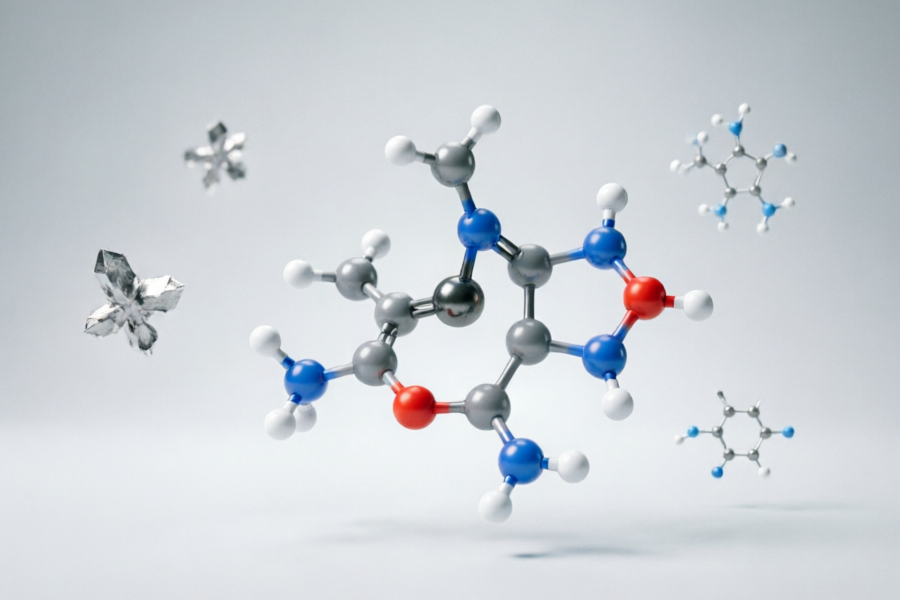
Carboplatin blocks the division of cancer cells by forming cross-links within the DNA chain. Its chemical stability is higher than that of cisplatin, and it needs to be converted into an active form in the body to function. Pharmacokinetics show that carboplatin is mainly excreted through the kidneys, and patients with renal insufficiency need to adjust the dose. Research shows (quoted fromNew England Journal of Medicine), carboplatin combined with paclitaxel is the first-line treatment for ovarian cancer, with an effective rate of 60%-70%. Its myelosuppressive properties require regular monitoring of blood routine, with particular attention to platelet and neutrophil levels.
Clinical applications and treatment options
The indications for carboplatin cover a variety of solid tumors, including:
| Indications | combination medication regimen | efficient |
|---|---|---|
| ovarian cancer | Paclitaxel + carboplatin | 60%-80% |
| small cell lung cancer | Etoposide + carboplatin | 50%-65% |
| Head and neck squamous cell carcinoma | 5-FU+carboplatin | 30%-40% |
The American Society of Clinical Oncology (ASCO) guidelines emphasize that carboplatin dosage should be based onAUC (area under the curve)Calculated, individualized medication can reduce the risk of toxicity.
Adverse reactions and medication management
Common side effects include bone marrow suppression (the incidence is about 75%), nausea and vomiting (20%-30%), and neurotoxicity and nephrotoxicity are significantly lower than cisplatin. Clinical recommendations:
- Use granulocyte colony-stimulating factor (G-CSF) within 24 hours after chemotherapy to prevent infection
- Consider platelet transfusion when platelets are <50×10⁹/L
ChinaNational Cancer CenterData show that the incidence of serious adverse reactions can be reduced to less than 5% after standardized treatment.
Manufacturer and drug information
Major domestic manufacturers include:
| Manufacturer | Trade name | Specifications |
|---|---|---|
| Qilu Pharmaceutical | Poipet | 100mg/stick |
| Hengrui Medicine | Ai Heng | 150mg/stick |
Origin of original research drugBristol-Myers SquibbDeveloped, the patent has expired. It should be noted that differences in excipients from different manufacturers may affect the incidence of allergic reactions.
Summary and Outlook
As a representative of the second generation platinum drugs, carboplatin has achieved a good balance between efficacy and safety. With the development of nanocarrier technology (such as liposomal carboplatin), it is expected that toxicity will be further reduced in the future. Patients must strictly follow the medicationNCCN Guidelines, combined with genetic testing (such as BRCA mutation) to achieve precise treatment. Clinicians should weigh the risk of myelosuppression, especially in elderly patients and patients with poor physical status who require individualized assessment.
Quote sources:
1. "New England Journal of Medicine": Phase III clinical trial data of carboplatin combination regimen for the treatment of ovarian cancer
2. National Cancer Center: 2022 White Paper on the Management of Adverse Reactions of Cancer Chemotherapy in China
3. American Society of Clinical Oncology (ASCO) 2023 Guidelines for the Diagnosis and Treatment of Ovarian Cancer
Relevant knowledge
- 2026-04-08valacyclovir
- 2026-04-08Acyclovir
- 2026-04-08Terbinafine
- 2026-04-08Ketoconazole
- 2026-04-07pimecrolimus
- 2026-04-07Tacrolimus ointment
- 2026-04-07adapalene
- 2026-04-07Isotretinoin
- 2026-04-06Avitretin A
- 2026-04-06Torasemi
- 2026-04-06hydrochlorothiazide
- 2026-04-06Furosemide
- 2026-04-05Spironolactone
- 2026-04-05Dutasteride
- 2026-04-05finasteride
- 2026-04-05Tamsulosin
- 2026-04-05Solinacin
- 2026-04-04tolterodine
Chinese medicinal materials
More-

View
The efficacy and function of Kudidin
Overview of the efficacy and functions of KudidinKudidin is a traditional Chinese medicinal material that has the functions of clearing away heat and detoxifying, reducing swelling and relieving pain, activating blood circulation and removing blood stasis. It is often used to treat sore throat, sores, bruises and injuries. Its main active ingredients include alkaloids and flavonoids, and modern research has also found that it has antibacterial, anti-inflammatory and immunomodulatory effects. Thi
-
View
The efficacy and functions of mallow seeds
Overview of the efficacy and functions of mallow seedsMallow seeds are a traditional Chinese medicinal material whose main functions includeDiuretic and relieve stranguria, moisturize intestines and relieve constipation, clear away heat and detoxify, is commonly used in clinical Chinese medicine to treat symptoms such as difficulty urinating, edema, constipation and heat sores. Its core function comes from its rich mucus, polysaccharide and mineral components, which can gently regulate human met
-
View
The efficacy and function of mountain turtle
### Efficacy and functions of mountain turtle #### 1. Overview Mountain turtle (scientific name: *Stephania tetrandra*), also known as "Golden Threaded Turtle" or "Fangji", is a traditional Chinese medicinal material mainly distributed in southern my country. Its roots are used as medicine and have the effects of clearing away heat and detoxifying, dispelling wind and relieving pain, diuresis and reducing swelling. It is often used to treat rheumatic arthralgia, edema, sores, swelling and poison
-
View
The efficacy and function of scalding dog spine
Overview of the efficacy and functions of hot dog spineHot dog spine is a processed product of the traditional Chinese medicine dog spine. It hasNourish liver and kidney, strengthen muscles and bones, remove rheumatismWith core functions such as this, it is often used to treat related symptoms caused by soreness and weakness in the waist and knees, rheumatic arthralgia and kidney deficiency. Its mechanism of action is mainly due to the active ingredients such as flavonoids and volatile oils, whi
-
View
Effects and functions of vinegar and myrrh
Below is structured content about the benefits and effects of vinegar and myrrh, generated as per your request:First paragraph: content overviewVinegar myrrh is a commonly used processed product in traditional Chinese medicine. It is processed from myrrh through vinegar. Its main functions are to promote blood circulation and relieve pain, reduce swelling and promote muscle growth. Its core functions are reflected in three aspects: first, it relieves blood stasis pain by promoting blood circulat
-
View
The efficacy and function of Daochi Powder
Overview of the efficacy and functions of Daochi PowderDaochi Powder is one of the classic prescriptions of traditional Chinese medicine. It is mainly used to clear away heat and dampness, relieve stranguria and relieve pain. It is especially good at treating symptoms such as short red urine, sores on the mouth and tongue caused by excessive heart fire or damp heat. Its core functions includeClear the heart, reduce fire, diuretic and relieve stranguria, its secondary function is to relieve urina
-
View
The efficacy and function of dream flower
The efficacy and function of dream flower: the multiple values of traditional herbal medicineDream flower, also known as knotweed or yellow daphne, is a plant with both ornamental and medicinal value. Its core functions includeRelaxing muscles and activating collaterals, reducing swelling and relieving pain, calming nerves and promoting sleep, secondary effects involve antibacterial, anti-inflammatory and improved skin health. The primary and secondary structure is clear: medicinal value is the
-
View
The efficacy and functions of Huangjingzi
Overview of the efficacy and functions of HuangjingziHuang Jing Zi, also known as Bu Jing Zi, is the dried and mature fruit of Vitex japonicus, a plant of the Verbenaceae family, and is widely used in traditional Chinese medicine. Its nature and flavor are pungent, bitter, and warm, and returns to the lung, stomach, and liver meridians.Expelling wind and relieving surface, resolving phlegm and relieving cough, promoting qi and relieving pain, resolving dampness and neutralizingIt has other effec
-
View
The efficacy and function of amethyst
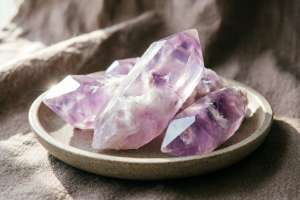
Overview of the efficacy and functions of amethystAmethyst is a traditional Chinese medicine with a long history of medicinal use. Its main functions includeCalming the mind and calming the nerves, warming the lungs and relieving asthma, warming the palace and dispersing cold, suitable for palpitations, insomnia, cough and asthma due to deficiency and cold, and uterine cold in women. Its core role stems from the containedcalcium fluorideAnd other mineral components, modern research has also foun
-

View
The efficacy and role of artemisinin
The efficacy and role of artemisinin: from anti-malaria to the exploration of modern medicineArtemisinin is an active ingredient extracted from the traditional Chinese medicine Artemisia annua. Its most significant effect isAnti malaria, especially has a significant effect on drug-resistant malaria parasites. In addition, research has also found that it has certain value in the fields of anti-inflammation, immune regulation and potential anti-tumor. This article will start with its core function
-
View
Effects and functions of sarsaparilla
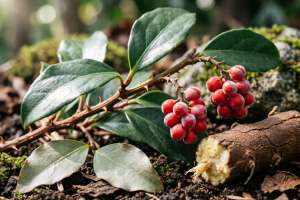
Overview of the efficacy and functions of sarsaparillaSarsaparilla is a traditional Chinese medicinal material that has the effects of dispelling wind, removing dampness, reducing swelling and relieving pain, and benefiting joints. It is often used as an auxiliary treatment for rheumatism, bruises, and urinary system diseases. Its main active ingredients include flavonoids, saponins, etc. Modern research has also found its antioxidant and anti-inflammatory effects. In terms of content structure,
-
View
The efficacy and function of fried Citrus aurantium husk
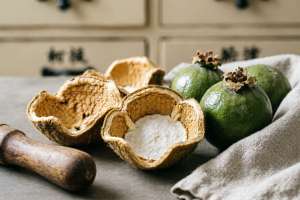
Overview of the efficacy and functions of fried Fructus AurantiiStir-fried Citrus aurantium is a qi-regulating medicine commonly used in traditional Chinese medicine. It is made from Citrus aurantium and has the functions ofExpands the circulation of qi, relieves swelling and fullness, resolves phlegm and relieves stagnationand other core functions. It is mainly used for symptoms such as stagnation of spleen and stomach qi, fullness of the chest and hypochondrium, and indigestion. It is especial