
- Current location:Home page >> Western medicine
linezolid
2026-03-04 19:41:32
Overview and clinical application of linezolid
Linezolid is a syntheticOxazolidinone antibiotics, mainly used to treat serious infections caused by Gram-positive bacteria, such as methicillin-resistant Staphylococcus aureus (MRSA), vancomycin-resistant enterococci (VRE), etc. Its mechanism of action is by inhibiting bacterial protein synthesis, with a unique antibacterial spectrum and good tissue penetration. This article will start fromPharmacological effects, indications, usage and dosage, adverse reactions and manufacturerIt will be expanded from other angles, focusing on analyzing its clinical value in anti-infectious treatment. The secondary content involves comparison with other antibiotics and medication precautions for special groups.
Pharmacological effects and antibacterial spectrum
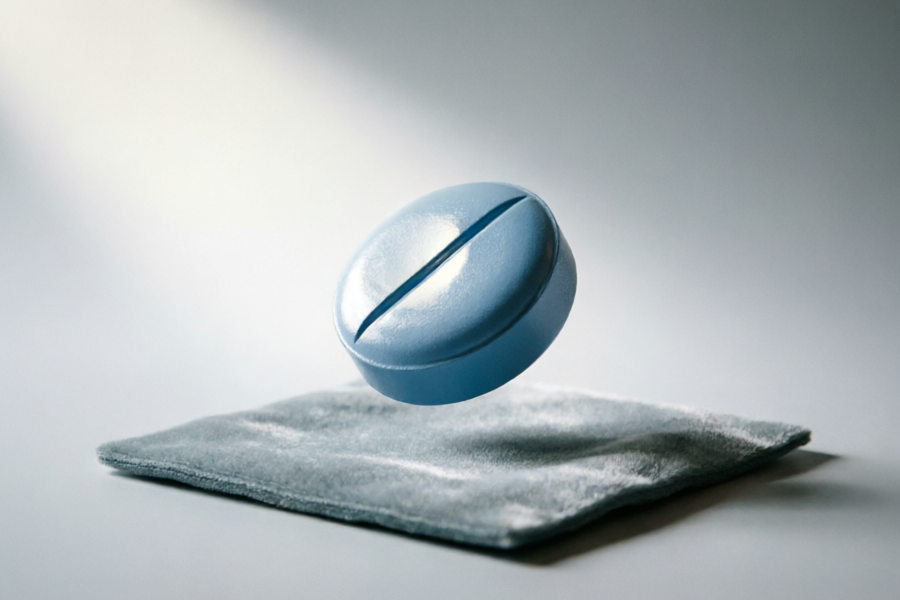
Linezolid binds to the 50S site of the bacterial 23S ribosomal subunit, preventing the formation of the 70S initiation complex, therebyblock protein synthesis. It has significant antibacterial activity against Gram-positive bacteria (such as Staphylococcus aureus, Streptococcus aureus, and Enterococcus aureus), and is especially effective against MRSA and VRE. Compared with vancomycin or teicoplanin, linezolid has the advantages of high oral bioavailability (nearly 100%) and good tissue distribution (such as lungs, skin and soft tissues). However, it should be noted that it has no significant effect on Gram-negative bacteria, and clinical use must strictly follow the pathogenic test results.
Indications, usage and dosage
of linezolidMain indicationsIncluding hospital-acquired pneumonia, community-acquired pneumonia, complicated skin infections and bacteremia. The recommended dose for adults is 600 mg every 12 hours (orally or intravenously), and the course of treatment is usually 10-14 days. In children, dosage needs to be adjusted based on body weight. No dose adjustment is required in patients with renal impairment, but caution is required in patients with severely impaired liver function. Special attention should be paid to the fact that long-term use (more than 28 days) may increase the risk of bone marrow suppression, and regular blood routine monitoring is required.
Adverse reactions and drug interactions
Common adverse reactions includeGastrointestinal reactions (nausea, diarrhea), headache and thrombocytopenia. Rare but serious adverse reactions include lactic acidosis, peripheral neuropathy, and optic neuritis. Concomitant use of linezolid with serotonergic drugs (such as SSRI antidepressants) may increaseSerotonin syndromerisk. In addition, it is a reversible monoamine oxidase inhibitor (MAOI) and should be avoided in combination with tyramine-rich foods or sympathomimetic drugs.
Manufacturer and product information
Linezolid is produced byPfizerOriginal research, trade nameZyvox. There are many domestic generic drug companies producing them, such as Jiangsu Hansoh Pharmaceutical, Zhengda Tianqing, etc. The following table lists some manufacturers and product names:
| Manufacturer | Product name |
|---|---|
| Pfizer | Zyvox (Svo) |
| Jiangsu Hansoh Pharmaceutical | Linezolid Glucose Injection |
| It's sunny | Tianli (linezolid tablets) |
As an important anti-MRSA/VRE drug, linezolid needs to be used rationally under the guidance of a doctor to avoid abuse leading to drug resistance. Its efficacy and safety have been verified by multiple clinical studies, but the individual risk-benefit ratio needs to be weighed.
Citing sources: 1. Pfizer Zyvox drug instructions; 2. "Chinese Expert Consensus on the Diagnosis and Treatment of Methicillin-Resistant Staphylococcus aureus Infections" (2020); 3. FDA drug database.
Relevant knowledge
- 2026-04-08valacyclovir
- 2026-04-08Acyclovir
- 2026-04-08Terbinafine
- 2026-04-08Ketoconazole
- 2026-04-07pimecrolimus
- 2026-04-07Tacrolimus ointment
- 2026-04-07adapalene
- 2026-04-07Isotretinoin
- 2026-04-06Avitretin A
- 2026-04-06Torasemi
- 2026-04-06hydrochlorothiazide
- 2026-04-06Furosemide
- 2026-04-05Spironolactone
- 2026-04-05Dutasteride
- 2026-04-05finasteride
- 2026-04-05Tamsulosin
- 2026-04-05Solinacin
- 2026-04-04tolterodine
Chinese medicinal materials
More-

View
The efficacy and function of Kudidin
Overview of the efficacy and functions of KudidinKudidin is a traditional Chinese medicinal material that has the functions of clearing away heat and detoxifying, reducing swelling and relieving pain, activating blood circulation and removing blood stasis. It is often used to treat sore throat, sores, bruises and injuries. Its main active ingredients include alkaloids and flavonoids, and modern research has also found that it has antibacterial, anti-inflammatory and immunomodulatory effects. Thi
-

View
The efficacy and functions of mallow seeds
Overview of the efficacy and functions of mallow seedsMallow seeds are a traditional Chinese medicinal material whose main functions includeDiuretic and relieve stranguria, moisturize intestines and relieve constipation, clear away heat and detoxify, is commonly used in clinical Chinese medicine to treat symptoms such as difficulty urinating, edema, constipation and heat sores. Its core function comes from its rich mucus, polysaccharide and mineral components, which can gently regulate human met
-

View
The efficacy and function of mountain turtle
### Efficacy and functions of mountain turtle #### 1. Overview Mountain turtle (scientific name: *Stephania tetrandra*), also known as "Golden Threaded Turtle" or "Fangji", is a traditional Chinese medicinal material mainly distributed in southern my country. Its roots are used as medicine and have the effects of clearing away heat and detoxifying, dispelling wind and relieving pain, diuresis and reducing swelling. It is often used to treat rheumatic arthralgia, edema, sores, swelling and poison
-

View
The efficacy and function of scalding dog spine
Overview of the efficacy and functions of hot dog spineHot dog spine is a processed product of the traditional Chinese medicine dog spine. It hasNourish liver and kidney, strengthen muscles and bones, remove rheumatismWith core functions such as this, it is often used to treat related symptoms caused by soreness and weakness in the waist and knees, rheumatic arthralgia and kidney deficiency. Its mechanism of action is mainly due to the active ingredients such as flavonoids and volatile oils, whi
-
View
Effects and functions of vinegar and myrrh
Below is structured content about the benefits and effects of vinegar and myrrh, generated as per your request:First paragraph: content overviewVinegar myrrh is a commonly used processed product in traditional Chinese medicine. It is processed from myrrh through vinegar. Its main functions are to promote blood circulation and relieve pain, reduce swelling and promote muscle growth. Its core functions are reflected in three aspects: first, it relieves blood stasis pain by promoting blood circulat
-

View
The efficacy and function of Daochi Powder
Overview of the efficacy and functions of Daochi PowderDaochi Powder is one of the classic prescriptions of traditional Chinese medicine. It is mainly used to clear away heat and dampness, relieve stranguria and relieve pain. It is especially good at treating symptoms such as short red urine, sores on the mouth and tongue caused by excessive heart fire or damp heat. Its core functions includeClear the heart, reduce fire, diuretic and relieve stranguria, its secondary function is to relieve urina
-

View
The efficacy and function of dream flower
The efficacy and function of dream flower: the multiple values of traditional herbal medicineDream flower, also known as knotweed or yellow daphne, is a plant with both ornamental and medicinal value. Its core functions includeRelaxing muscles and activating collaterals, reducing swelling and relieving pain, calming nerves and promoting sleep, secondary effects involve antibacterial, anti-inflammatory and improved skin health. The primary and secondary structure is clear: medicinal value is the
-

View
The efficacy and functions of Huangjingzi
Overview of the efficacy and functions of HuangjingziHuang Jing Zi, also known as Bu Jing Zi, is the dried and mature fruit of Vitex japonicus, a plant of the Verbenaceae family, and is widely used in traditional Chinese medicine. Its nature and flavor are pungent, bitter, and warm, and returns to the lung, stomach, and liver meridians.Expelling wind and relieving surface, resolving phlegm and relieving cough, promoting qi and relieving pain, resolving dampness and neutralizingIt has other effec
-
View
The efficacy and function of amethyst
Overview of the efficacy and functions of amethystAmethyst is a traditional Chinese medicine with a long history of medicinal use. Its main functions includeCalming the mind and calming the nerves, warming the lungs and relieving asthma, warming the palace and dispersing cold, suitable for palpitations, insomnia, cough and asthma due to deficiency and cold, and uterine cold in women. Its core role stems from the containedcalcium fluorideAnd other mineral components, modern research has also foun
-

View
The efficacy and role of artemisinin
The efficacy and role of artemisinin: from anti-malaria to the exploration of modern medicineArtemisinin is an active ingredient extracted from the traditional Chinese medicine Artemisia annua. Its most significant effect isAnti malaria, especially has a significant effect on drug-resistant malaria parasites. In addition, research has also found that it has certain value in the fields of anti-inflammation, immune regulation and potential anti-tumor. This article will start with its core function
-

View
Effects and functions of sarsaparilla
Overview of the efficacy and functions of sarsaparillaSarsaparilla is a traditional Chinese medicinal material that has the effects of dispelling wind, removing dampness, reducing swelling and relieving pain, and benefiting joints. It is often used as an auxiliary treatment for rheumatism, bruises, and urinary system diseases. Its main active ingredients include flavonoids, saponins, etc. Modern research has also found its antioxidant and anti-inflammatory effects. In terms of content structure,
-
View
The efficacy and function of fried Citrus aurantium husk
Overview of the efficacy and functions of fried Fructus AurantiiStir-fried Citrus aurantium is a qi-regulating medicine commonly used in traditional Chinese medicine. It is made from Citrus aurantium and has the functions ofExpands the circulation of qi, relieves swelling and fullness, resolves phlegm and relieves stagnationand other core functions. It is mainly used for symptoms such as stagnation of spleen and stomach qi, fullness of the chest and hypochondrium, and indigestion. It is especial