
- Current location:Home page >> Traditional Chinese Medicine Health Care
How to take deer antler correctly?
2026-05-01 23:22:28
Here is structured content on how to take deer antler correctly, to your exact specifications: ---
First paragraph: content overview
Deer antler is a traditional tonic. When taking it correctly, you need to pay attention to the dosage, compatibility and physical fitness. The core points include: ① Choose high-quality velvet antler (such as sika velvet antler or red deer antler); ② Common ways of taking it (soaking in wine, stewing soup, powdering); ③ Contraindicated groups (yin deficiency and fire hyperactivity, patients with high blood pressure, etc.). The secondary content involves storage methods, seasonal adaptability and purchasing skills. The following will be detailed step by step.
| Antler Type | Applicable people | Common origin |
|---|---|---|
| Sika deer antler | Those who are weak and afraid of cold | Jilin, Liaoning |
| Red deer antler | People with insufficient Qi and blood | Xinjiang, Qinghai |
Paragraph 2: How to take and dosage
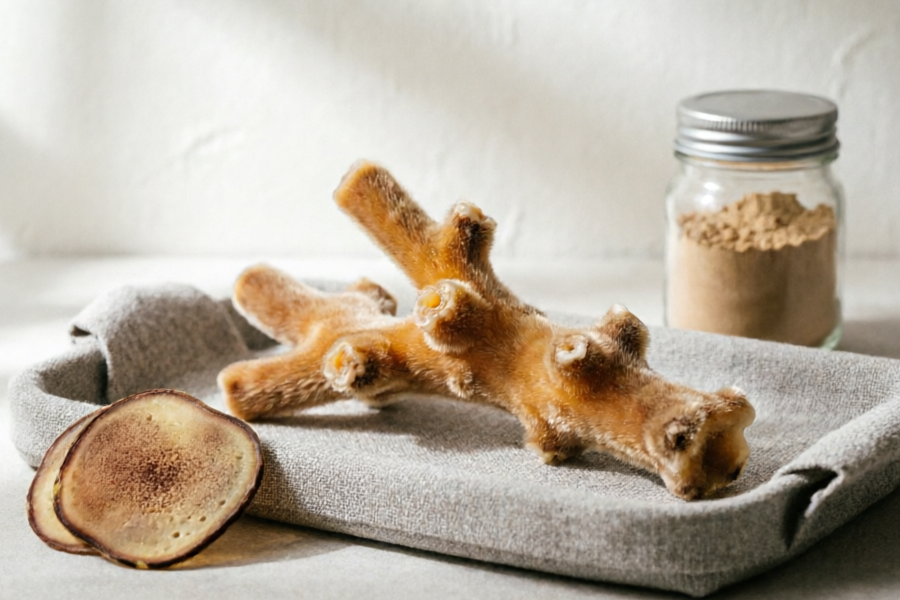
Deer antler needs to be taken step by step: ① It is recommended to mix 50 grams of velvet antler with 1 liter of white wine for soaking in wine, and drink 10-20ml daily after soaking for 2 weeks; ② When stewing soup, use 3-5 grams each time, and stew it with chicken or lean meat for 2 hours; ③ Take 0.5-1 gram per day on an empty stomach after powdering. Professor Zhang from Beijing University of Chinese Medicine pointed out: "Deer antler contains growth factors. Excessive consumption can easily cause internal heat. The dosage should be halved in summer."
Well-known manufacturers includeJilin Aodong(Product: Deer Antler Capsules),Tongrentang(Sliced deer antler), you need to look for the "National Drug Approval" or "Blue Hat" logo when purchasing.
---Paragraph 3: Compatibility and efficiency enhancement plan
Deer antler combined with different medicinal materials has different effects: ① Adding wolfberry can relieve eye fatigue; ② Adding angelica to enhance the blood-tonifying effect; ③ Eating it with yam can reduce gastrointestinal irritation. The Ming Dynasty's "Compendium of Materia Medica" records: "Deer antler contains actinolite, which is more effective in aphrodisiac." Modern research recommends avoiding taking it with radish and tea to avoid affecting absorption.
| Compatibility plan | Efficacy | Taboo |
|---|---|---|
| Deer Antler + Ginseng | Enhance immunity | Use with caution for high blood pressure |
| Deer antler + donkey hide gelatin | Improve anemia | Diabetic patients should not |
Paragraph 4: Precautions and Storage
Avoid spicy, cold and spicy food during the period of taking it. After taking it for 2 weeks, you should stop taking it for 3-5 days. Unsliced antler needs to be kept refrigerated, but can be sealed and frozen after slicing. The National Health Commission reminds: "It is contraindicated in children, pregnant women and during postoperative bleeding." If reactions such as epistaxis or headache occur, you should stop using it immediately and seek medical treatment.
Common misunderstandings: ① believe that the more expensive the better (actually Erzhi antler is the most cost-effective); ② superstitiously believe in the "immediate" effect (it needs to be taken continuously for 1 month to take effect).
---Paragraph 5: Summary and scientific understanding
The tonic effect of deer antler is closely related to the correct usage and needs to be adjusted according to individual constitution. It is recommended to consult a traditional Chinese medicine practitioner before taking it for the first time, and give priority to products from regular channels. The 2020 edition of the Chinese Pharmacopoeia clarifies its effect of "tonifying kidney yang and replenishing essence and blood", but it is not a universal tonic. Only by taking it rationally can the advantages of "a product of flesh and blood" be brought into play.
Data sources: ① "Pharmacopoeia of the People's Republic of China" 2020 edition; ② Deer Antler Research Research Group of Beijing University of Chinese Medicine; ③ Jilin Aodong Pharmaceutical Annual Report.
---Note: The effects described in this article are all from public literature and do not constitute medication recommendations. For specific product information, please refer to the manufacturer's instructions.
Relevant knowledge
- 2026-10-01How to maintain health at the beginning of autumn?
- 2026-09-30How to maintain health during the hot summer?
- 2026-09-30How to maintain health during Xiaoshu?
- 2026-09-30How to maintain health during the summer solstice?
- 2026-09-29How to maintain the health of Eargrass?
- 2026-09-29How does Xiaoman maintain his health?
- 2026-09-29How to maintain health in Beginning of Summer?
- 2026-09-29How to maintain health during Guyu?
- 2026-09-28How to maintain health during Qingming Festival?
- 2026-09-28How to maintain health during the Spring Equinox?
- 2026-09-28How to maintain health in Jingzhe?
- 2026-09-28How to maintain health through rainwater?
- 2026-09-28How to maintain health at the beginning of spring?
- 2026-09-28What is the relationship between the twenty-four solar terms and health preservation?
- 2026-09-27How to prevent cold evil in winter?
- 2026-09-27How to take care of your emotions in winter?
- 2026-09-27What should you pay attention to when dressing in winter?
- 2026-09-26What should you pay attention to when sleeping in winter?
Chinese medicinal materials
More-
View
The efficacy and function of purple beads
Overview of the efficacy and functions of purple beadsPurpurea is a plant with medicinal value. Its leaves, roots and fruits can be used as medicine. Its main functions includeStop bleeding, reduce inflammation, clear away heat and detoxify, dissipate blood stasis and reduce swellingWait.In traditional medicine, purple pearls are often used to treat symptoms such as traumatic bleeding, bruises, and sore throat. Modern research has also found that it contains active ingredients such as flavonoids
-
View
The efficacy and function of locust bean
Overview of the efficacy and functions of locust beanSophora bean, also known as Sophora japonica or Sophora japonica, is the mature fruit of Sophora japonica tree, a leguminous plant, and has various medicinal values in traditional medicine.Its main functions includeClears away heat and cools blood, moisturizes intestines and relieves constipation, lowers blood pressure, and resists oxidationetc., suitable for relieving symptoms such as hemorrhoids, bloody stools, and high blood pressure.Modern
-
View
The efficacy and function of Baiziren
Overview of the efficacy and functions of BaizirenBaiziren is the dried and mature seed kernel of Platycladus orientalis, a plant in the Cupressaceae family. Traditional Chinese medicine believes that it is flat in nature and sweet in taste, and can be used to regulate the heart, kidney, and large intestine meridians.Nourish the heart and calm the nerves, moisturize the intestines and relieve constipation, and nourish the liver and kidneysand other effects.Modern research shows that cypress seed
-
View
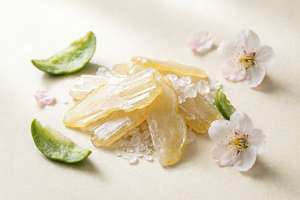
The efficacy and function of plum slices
Overview of the effects and functions of plum slicesPlum slices, also known as borneol or dipterocarp, is a traditional Chinese medicinal material that has the effects of rejuvenating the mind, clearing away heat and relieving pain, reducing swelling and promoting muscle growth.Its main component is dextroborneol, which is widely used in the fields of medicine, cosmetics and spices.The core functions of plum slices include relieving headaches, anti-inflammatory and sterilizing, promoting wound h
-
View
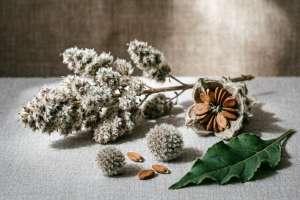
Efficacy and functions of Kochia bark
Overview of the efficacy and functions of Kochia barkKochia bark, also known as broom seedling, is a commonly used medicinal material in traditional Chinese medicine for clearing away heat and promoting dampness.Diuretic and relieve stranguria, dispel wind and relieve itching, clear away heat and detoxifyand other effects.It mainly acts on urinary system inflammation, skin itching and damp-heat jaundice, and is widely used clinically.Secondary functions include assisting in lowering blood sugar,
-
View
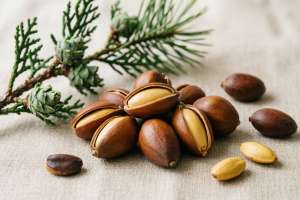
Efficacy and functions of Baiziren
Overview of the efficacy and functions of BaizirenBaiziren is the dried and mature seed kernel of Platycladus orientalis, a plant in the Cupressaceae family. Traditional Chinese medicine believes that it is flat in nature and sweet in taste, and can be used to regulate the heart, kidney, and large intestine meridians.Nourish the heart and calm the nerves, moisturize the intestines and relieve constipation, and nourish the liver and kidneysand other effects.Its main functions include improving sy
-
View
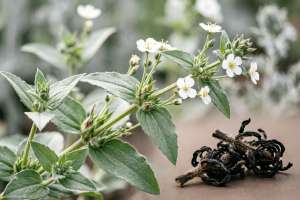
Eclipta Eclipta efficacy and functions
Overview of the efficacy and functions of EcliptaEclipta, also known as Eclipta or Eclipta, is a commonly used medicinal material in traditional Chinese medicine to nourish the liver and kidneys, cool blood and stop bleeding.Its core functions includeNourishes yin and nourishes kidney, blackens beard and hair, stops bleeding and reduces inflammation, the secondary effects involve improving hair loss, relieving gum bleeding and skin eczema.The primary and secondary structure is clear: liver and k
-

View
Function and role of hippocampus
Overview of the functions and functions of the hippocampusSeahorse is a precious marine creature recognized for its many benefits in both traditional medicine and modern research.Its main functions includeReplenishing kidneys and strengthening yang, anti-fatigue, regulating immunity, antioxidantetc., especially the effect of nourishing kidney and replenishing qi is the most prominent.In addition, the hippocampus also plays a certain role in improving blood circulation and relieving neurasthenia.
-
View
The effects and functions of fragrant fruit
Overview of the effects and functions of fragrant fruitXiangguo, also known as Ligusticum chuanxiong or Shannai, is a plant with both medicinal and edible value, and its rhizomes are often used in traditional Chinese medicine.Its main functions includePromotes blood circulation and removes blood stasis, dispels wind and relieves pain, improves blood circulation, the secondary effects involve relieving headaches, joint pain and women’s menstrual discomfort.The active ingredients of xiangguo, su
-
View
Efficacy and functions of Cistanche deserticola
Overview of the efficacy and functions of Cistanche deserticolaCistanche deserticola, also known as Cistanche deserticola, is a traditional Chinese medicinal material mainly produced in desert areas and is known as "desert ginseng".Its core functions includeReplenishing kidney yang, replenishing essence and blood, moistening intestines and laxative, the secondary effects involve anti-aging, regulating immunity, etc.This article will start from its medicinal value, suitable people, usage methods
-
View
White peony effect and function
Overview of the efficacy and functions of white peony rootWhite peony root is a commonly used blood-nourishing and menstrual-regulating medicine in traditional Chinese medicine.Nourishes blood and softens liver, relieves pain, astringes yin and stops sweatingIt has core functions such as irregular menstruation, hypochondriac pain, spontaneous sweating and night sweats.Its functions can be divided into two categories: primary and secondary:Main functionsIncluding regulating female endocrine, reli
-
View
Efficacy and functions of Wu Hua Xue Teng
Overview of the efficacy and functions of SpatholobusFive-flowered bloodvine is a traditional Chinese medicinal material, which mainly hasPromotes blood circulation and removes blood stasis, unblocks collaterals to relieve pain, expels wind and removes dampnessIt has other effects and is often used to treat rheumatic arthralgia, bruises and irregular menstruation.Its core function is to promote blood circulation, relieve inflammation and pain, and its secondary functions include assisting in reg