
- Current location:Home page >> Traditional Chinese Medicine Health Care
What are the health benefits of tangerine peel?
2026-07-10 23:01:30
Overview of the health benefits of tangerine peel
Tangerine peel, that is, dried citrus peel, is a commonly used medicinal and edible material in traditional Chinese medicine. It has core functions such as regulating qi and strengthening the spleen, drying dampness and reducing phlegm, appetizing and digesting. Its health value is mainly reflected in the aspects of digestive system conditioning, respiratory tract health and antioxidant. The primary and secondary functions are: strengthening the spleen and digestion (core), relieving cough and reducing phlegm (auxiliary), and antioxidant (derivative). Modern research has also found that it contains flavonoids, which may contribute to cardiovascular health. The following analysis is carried out from the perspectives of traditional applications and modern science.
Strengthening the spleen and digestion: the “gastrointestinal protective” effect of tangerine peel
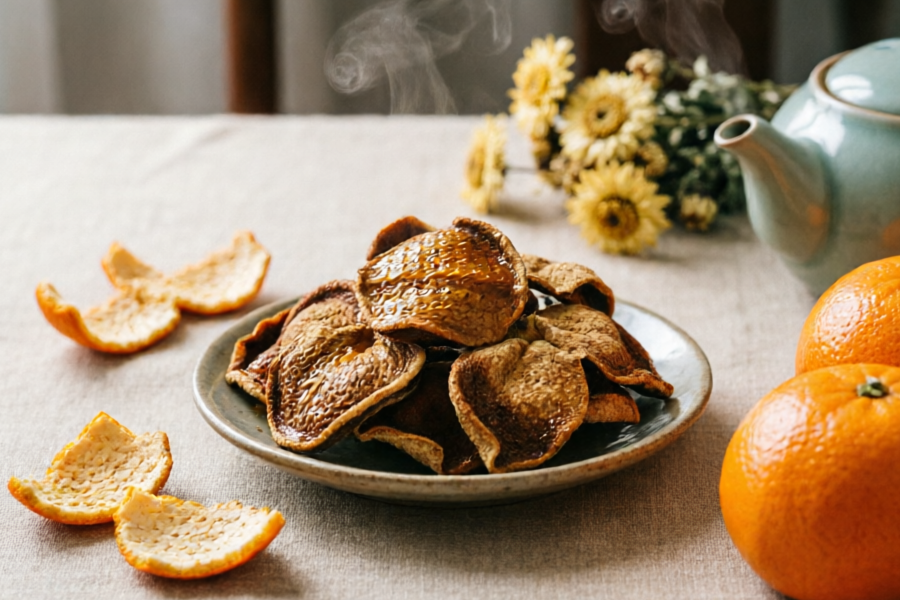
The most well-known effect of tangerine peel is to promote digestion. "Compendium of Materia Medica" records that it is "bitter, capable of purging and drying out, pungent, dispersing, and warm, soothing" and has a significant effect on relieving abdominal distension and loss of appetite. Its volatile oils (such as limonene) can stimulate gastrointestinal motility, while ingredients such as hesperidin can relieve hyperacidity. In Guangdong, tangerine peel is often soaked in water or added to dishes (such as tangerine peel duck) to help resolve greasiness. Well-known pharmaceutical companiesTongrentangThe "Tangerine Peel and Hawthorn Pills" is a digestive product developed based on this principle.
Cough and Phlegm Relief: A natural soothing agent for the respiratory tract
The drying and phlegm-reducing properties of tangerine peel make it a frequent use in traditional cough remedies. Traditional Chinese medicine believes that it can "disperse lung qi and remove cold phlegm" and is suitable for coughs with a lot of white phlegm. Modern research has confirmed that the nobiletin contained in it has anti-inflammatory effects and can reduce airway irritation. Classic prescriptions such as "Erchen Decoction" (containing tangerine peel and pinellia) are still used to treat chronic bronchitis. The "Tangerine Peel, Chuanbei and Loquat Cream" from Guangzhou Chenliji Pharmaceutical Factory combines this effect.
| Main active ingredient | function | Related research |
|---|---|---|
| Hesperidin | Antioxidant, protect gastric mucosa | "Chinese Journal of Traditional Chinese Medicine" 2018 |
| Nobiletin | Anti-inflammatory, cough-relieving | "Chinese Herbal Medicine" 2020 |
Antioxidant and cardiovascular support
In addition to traditional functions, the flavonoids in tangerine peel can scavenge free radicals and delay cell aging. Epidemiological surveys show that residents in Chaoshan area who drink tangerine peel tea for a long time have a lower incidence of cardiovascular disease. Japanese scholarYamada TaroIn the journal Phytochemistry, it was noted that tangerine peel extract can reduce LDL cholesterol. However, currently related products (such as "Xinhui Chenpi Lozenges") are only used as dietary supplements and cannot replace drug treatment.
Summary and scientific usage suggestions
Tangerine peel health care requires syndrome differentiation and treatment: those with weak spleen and stomach should be combined with Atractylodes macrocephala (such as "Liu Junzi Decoction"), while those with yin deficiency, dryness and cough should use it with caution. High-quality tangerine peel is preferably produced in Xinhui, Guangdong for more than three years. Representative products on the market includeBaozhilin tangerine peel tea,Yunnan Baiyao Chenpi LozengesWait. It should be noted that it is warm and dry in nature, and the daily dosage is recommended not to exceed 10 grams. Pregnant women and patients with gastric ulcers must follow medical advice.
Quote sources:
1. "Compendium of Materia Medica" Li Shizhen (Ming Dynasty), Traditional Chinese Medicine Ancient Books Publishing House
2. "Chinese Pharmacopoeia" 2020 edition, National Pharmacopoeia Commission
3. Chenliji Pharmaceutical official website product description (updated in 2023)
4. Taro Yamada, "Research on Active Ingredients of Citrus Plants", "Phytochemistry" 2019
Relevant knowledge
- 2026-10-01How to maintain health at the beginning of autumn?
- 2026-09-30How to maintain health during the hot summer?
- 2026-09-30How to maintain health during Xiaoshu?
- 2026-09-30How to maintain health during the summer solstice?
- 2026-09-29How to maintain the health of Eargrass?
- 2026-09-29How does Xiaoman maintain his health?
- 2026-09-29How to maintain health in Beginning of Summer?
- 2026-09-29How to maintain health during Guyu?
- 2026-09-28How to maintain health during Qingming Festival?
- 2026-09-28How to maintain health during the Spring Equinox?
- 2026-09-28How to maintain health in Jingzhe?
- 2026-09-28How to maintain health through rainwater?
- 2026-09-28How to maintain health at the beginning of spring?
- 2026-09-28What is the relationship between the twenty-four solar terms and health preservation?
- 2026-09-27How to prevent cold evil in winter?
- 2026-09-27How to take care of your emotions in winter?
- 2026-09-27What should you pay attention to when dressing in winter?
- 2026-09-26What should you pay attention to when sleeping in winter?
Chinese medicinal materials
More-
View
The efficacy and function of purple beads
Overview of the efficacy and functions of purple beadsPurpurea is a plant with medicinal value. Its leaves, roots and fruits can be used as medicine. Its main functions includeStop bleeding, reduce inflammation, clear away heat and detoxify, dissipate blood stasis and reduce swellingWait.In traditional medicine, purple pearls are often used to treat symptoms such as traumatic bleeding, bruises, and sore throat. Modern research has also found that it contains active ingredients such as flavonoids
-
View
The efficacy and function of locust bean
Overview of the efficacy and functions of locust beanSophora bean, also known as Sophora japonica or Sophora japonica, is the mature fruit of Sophora japonica tree, a leguminous plant, and has various medicinal values in traditional medicine.Its main functions includeClears away heat and cools blood, moisturizes intestines and relieves constipation, lowers blood pressure, and resists oxidationetc., suitable for relieving symptoms such as hemorrhoids, bloody stools, and high blood pressure.Modern
-
View
The efficacy and function of Baiziren
Overview of the efficacy and functions of BaizirenBaiziren is the dried and mature seed kernel of Platycladus orientalis, a plant in the Cupressaceae family. Traditional Chinese medicine believes that it is flat in nature and sweet in taste, and can be used to regulate the heart, kidney, and large intestine meridians.Nourish the heart and calm the nerves, moisturize the intestines and relieve constipation, and nourish the liver and kidneysand other effects.Modern research shows that cypress seed
-
View
The efficacy and function of plum slices
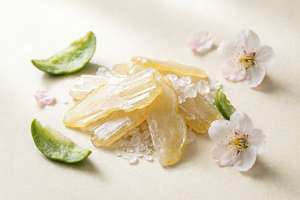
Overview of the effects and functions of plum slicesPlum slices, also known as borneol or dipterocarp, is a traditional Chinese medicinal material that has the effects of rejuvenating the mind, clearing away heat and relieving pain, reducing swelling and promoting muscle growth.Its main component is dextroborneol, which is widely used in the fields of medicine, cosmetics and spices.The core functions of plum slices include relieving headaches, anti-inflammatory and sterilizing, promoting wound h
-
View
Efficacy and functions of Kochia bark
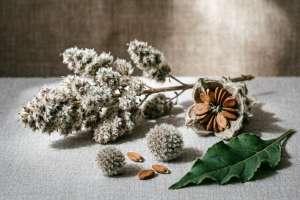
Overview of the efficacy and functions of Kochia barkKochia bark, also known as broom seedling, is a commonly used medicinal material in traditional Chinese medicine for clearing away heat and promoting dampness.Diuretic and relieve stranguria, dispel wind and relieve itching, clear away heat and detoxifyand other effects.It mainly acts on urinary system inflammation, skin itching and damp-heat jaundice, and is widely used clinically.Secondary functions include assisting in lowering blood sugar,
-
View
Efficacy and functions of Baiziren
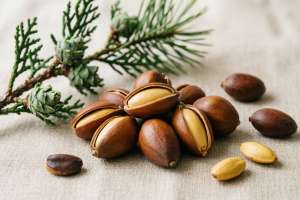
Overview of the efficacy and functions of BaizirenBaiziren is the dried and mature seed kernel of Platycladus orientalis, a plant in the Cupressaceae family. Traditional Chinese medicine believes that it is flat in nature and sweet in taste, and can be used to regulate the heart, kidney, and large intestine meridians.Nourish the heart and calm the nerves, moisturize the intestines and relieve constipation, and nourish the liver and kidneysand other effects.Its main functions include improving sy
-
View
Eclipta Eclipta efficacy and functions
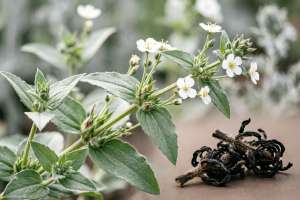
Overview of the efficacy and functions of EcliptaEclipta, also known as Eclipta or Eclipta, is a commonly used medicinal material in traditional Chinese medicine to nourish the liver and kidneys, cool blood and stop bleeding.Its core functions includeNourishes yin and nourishes kidney, blackens beard and hair, stops bleeding and reduces inflammation, the secondary effects involve improving hair loss, relieving gum bleeding and skin eczema.The primary and secondary structure is clear: liver and k
-

View
Function and role of hippocampus
Overview of the functions and functions of the hippocampusSeahorse is a precious marine creature recognized for its many benefits in both traditional medicine and modern research.Its main functions includeReplenishing kidneys and strengthening yang, anti-fatigue, regulating immunity, antioxidantetc., especially the effect of nourishing kidney and replenishing qi is the most prominent.In addition, the hippocampus also plays a certain role in improving blood circulation and relieving neurasthenia.
-
View
The effects and functions of fragrant fruit
Overview of the effects and functions of fragrant fruitXiangguo, also known as Ligusticum chuanxiong or Shannai, is a plant with both medicinal and edible value, and its rhizomes are often used in traditional Chinese medicine.Its main functions includePromotes blood circulation and removes blood stasis, dispels wind and relieves pain, improves blood circulation, the secondary effects involve relieving headaches, joint pain and women’s menstrual discomfort.The active ingredients of xiangguo, su
-
View
Efficacy and functions of Cistanche deserticola
Overview of the efficacy and functions of Cistanche deserticolaCistanche deserticola, also known as Cistanche deserticola, is a traditional Chinese medicinal material mainly produced in desert areas and is known as "desert ginseng".Its core functions includeReplenishing kidney yang, replenishing essence and blood, moistening intestines and laxative, the secondary effects involve anti-aging, regulating immunity, etc.This article will start from its medicinal value, suitable people, usage methods
-
View
White peony effect and function
Overview of the efficacy and functions of white peony rootWhite peony root is a commonly used blood-nourishing and menstrual-regulating medicine in traditional Chinese medicine.Nourishes blood and softens liver, relieves pain, astringes yin and stops sweatingIt has core functions such as irregular menstruation, hypochondriac pain, spontaneous sweating and night sweats.Its functions can be divided into two categories: primary and secondary:Main functionsIncluding regulating female endocrine, reli
-
View
Efficacy and functions of Wu Hua Xue Teng
Overview of the efficacy and functions of SpatholobusFive-flowered bloodvine is a traditional Chinese medicinal material, which mainly hasPromotes blood circulation and removes blood stasis, unblocks collaterals to relieve pain, expels wind and removes dampnessIt has other effects and is often used to treat rheumatic arthralgia, bruises and irregular menstruation.Its core function is to promote blood circulation, relieve inflammation and pain, and its secondary functions include assisting in reg