
- Current location:Home page >> Traditional Chinese Medicine Health Care
Is it true that food conflicts with each other?
2026-07-25 09:07:28
Is it true that food conflicts with each other? Scientific analysis and common misunderstandings
The first paragraph: summary of content
The saying that "foods are incompatible" has been circulating among the people for a long time. For example, eating crabs and persimmons together will cause poisoning, and soy milk and eggs will reduce nutrition. In fact, modern nutrition research shows that most of the so-called "food conflicts" lack scientific basis and are more due to misunderstandings or individual differences. This article will analyze the truth about food incompatibility from a scientific perspective, list common misunderstandings, and explain the importance of reasonable combinations. The main content includes: the origins and rumors of food incompatibility, scientific experimental verification results, individual combination cases that need attention (such as specific groups of people or excessive consumption), and how to view dietary combinations correctly.
Paragraph 2: The Origin and Scientific Verification of Food Combinations
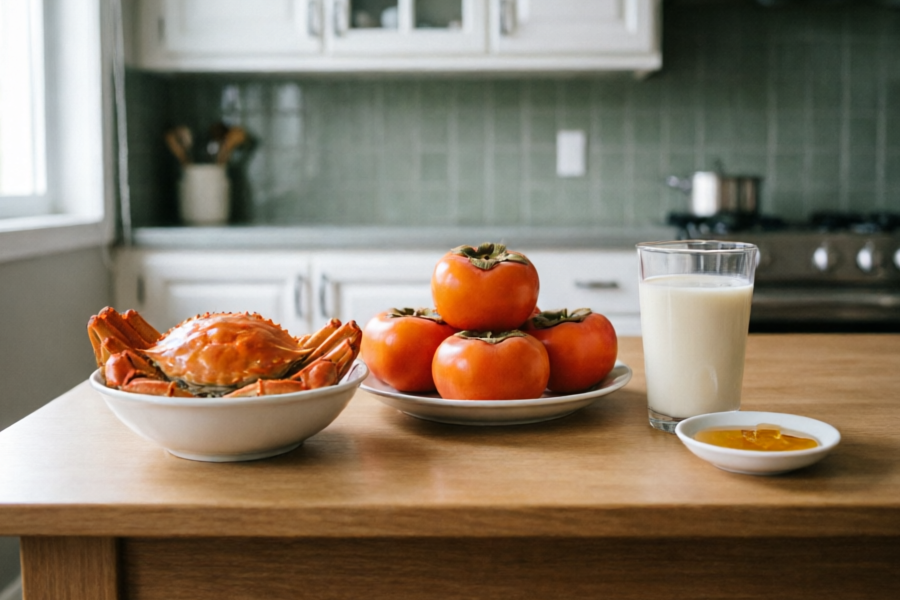
The statement that food is incompatible with each other mostly originates from ancient medical experience or accidental events. For example, the "Eighteen Antis" drug taboos mentioned in the "Compendium of Materia Medica" were mistakenly extended to the food field. In 1935, Zheng Ji, a professor at Nanjing University, verified 14 groups of "compatible foods" through experiments and found that there were no abnormalities after healthy people ate them at the same time. The Chinese Nutrition Society also pointed out that the theory that food poisoning caused by food in a normal diet is not valid. For example, the diarrhea case of "crab + persimmon" is actually caused by the combination of tannic acid in persimmon with protein, which affects digestion, rather than a toxic reaction, and it can only occur if a large amount of food is consumed.
Paragraph 3: Common Misunderstandings and Individual Differences
Some "combining combinations" are exaggerated. For example, "soy milk + eggs" is considered to affect protein absorption. In fact, heated soy milk will not inhibit the nutrition of eggs. What really needs attention are specific groups of people or special conditions:
1.High oxalate foods (spinach, tofu): Kidney stone patients need to control their intake, but the general population does not need to worry;
2.Vitamin C and seafood: Only trace amounts of arsenic may be produced in a laboratory environment, and actual consumption is far from harmful levels;
3.Dairy products and antibiotics: The drug instructions will clearly indicate contraindications, which have nothing to do with food.
Paragraph 4: Suggestions on reasonable diet
Instead of focusing on "mutual conflict", it is better to focus on nutritional complementation. For example:
-Vitamin C+Iron(such as fried pork liver with green pepper) can promote iron absorption;
-Fat + fat-soluble vitamins(such as carrots fried in oil) to help release nutrients;
-Coarse grains + refined grainsBalance dietary fiber and blood sugar response. Special groups (such as those with allergies and chronic diseases) should adjust their diet under the guidance of a doctor instead of blindly trusting the list.
Paragraph 5: Summary and scientific attitude
Food conflicts are mostly over-interpretations or false concepts. A balanced and diverse diet is the key. Rather than focusing on a single combination, we should pay more attention to food hygiene (such as separating raw and cooked foods), the principle of moderation and individual tolerance. If discomfort occurs, priority should be given to investigating factors such as food spoilage, allergies, or overdose. Authoritative organizations such as the Chinese Center for Disease Control and Prevention recommend referring to the "Dietary Guidelines for Chinese Residents" rather than folk rumors.
| Common “compatible foods” | scientific explanation | Things to note |
|---|---|---|
| Crab+Persimmon | Tannic acid causes protein precipitation, and excessive amounts may lead to indigestion. | Control the amount of food consumed, and those with weak gastrointestinal conditions should avoid eating the same food |
| Soy milk + eggs | Trypsin inhibitors are inactivated after heating and do not affect absorption. | Make sure the soy milk is boiling |
Quote sources:
1. Chinese Nutrition Society’s “Dietary Guidelines for Chinese Residents (2022)”
2. Zheng Ji's "Experimental Research on the Problem of Food Competence" (1935)
3. World Health Organization "Five Key Points to Food Safety"
4. Product examples:BY-HEALTH(vitamin supplements),Arowana(edible oil) and other brands emphasize a balanced diet and do not promote the theory of mutual restraint
Relevant knowledge
- 2026-10-01How to maintain health at the beginning of autumn?
- 2026-09-30How to maintain health during the hot summer?
- 2026-09-30How to maintain health during Xiaoshu?
- 2026-09-30How to maintain health during the summer solstice?
- 2026-09-29How to maintain the health of Eargrass?
- 2026-09-29How does Xiaoman maintain his health?
- 2026-09-29How to maintain health in Beginning of Summer?
- 2026-09-29How to maintain health during Guyu?
- 2026-09-28How to maintain health during Qingming Festival?
- 2026-09-28How to maintain health during the Spring Equinox?
- 2026-09-28How to maintain health in Jingzhe?
- 2026-09-28How to maintain health through rainwater?
- 2026-09-28How to maintain health at the beginning of spring?
- 2026-09-28What is the relationship between the twenty-four solar terms and health preservation?
- 2026-09-27How to prevent cold evil in winter?
- 2026-09-27How to take care of your emotions in winter?
- 2026-09-27What should you pay attention to when dressing in winter?
- 2026-09-26What should you pay attention to when sleeping in winter?
Chinese medicinal materials
More-
View
The efficacy and function of purple beads
Overview of the efficacy and functions of purple beadsPurpurea is a plant with medicinal value. Its leaves, roots and fruits can be used as medicine. Its main functions includeStop bleeding, reduce inflammation, clear away heat and detoxify, dissipate blood stasis and reduce swellingWait.In traditional medicine, purple pearls are often used to treat symptoms such as traumatic bleeding, bruises, and sore throat. Modern research has also found that it contains active ingredients such as flavonoids
-
View
The efficacy and function of locust bean
Overview of the efficacy and functions of locust beanSophora bean, also known as Sophora japonica or Sophora japonica, is the mature fruit of Sophora japonica tree, a leguminous plant, and has various medicinal values in traditional medicine.Its main functions includeClears away heat and cools blood, moisturizes intestines and relieves constipation, lowers blood pressure, and resists oxidationetc., suitable for relieving symptoms such as hemorrhoids, bloody stools, and high blood pressure.Modern
-
View
The efficacy and function of Baiziren
Overview of the efficacy and functions of BaizirenBaiziren is the dried and mature seed kernel of Platycladus orientalis, a plant in the Cupressaceae family. Traditional Chinese medicine believes that it is flat in nature and sweet in taste, and can be used to regulate the heart, kidney, and large intestine meridians.Nourish the heart and calm the nerves, moisturize the intestines and relieve constipation, and nourish the liver and kidneysand other effects.Modern research shows that cypress seed
-
View
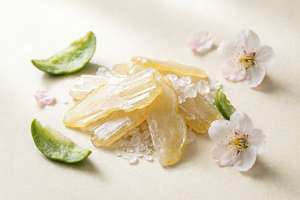
The efficacy and function of plum slices
Overview of the effects and functions of plum slicesPlum slices, also known as borneol or dipterocarp, is a traditional Chinese medicinal material that has the effects of rejuvenating the mind, clearing away heat and relieving pain, reducing swelling and promoting muscle growth.Its main component is dextroborneol, which is widely used in the fields of medicine, cosmetics and spices.The core functions of plum slices include relieving headaches, anti-inflammatory and sterilizing, promoting wound h
-
View
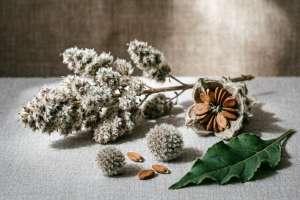
Efficacy and functions of Kochia bark
Overview of the efficacy and functions of Kochia barkKochia bark, also known as broom seedling, is a commonly used medicinal material in traditional Chinese medicine for clearing away heat and promoting dampness.Diuretic and relieve stranguria, dispel wind and relieve itching, clear away heat and detoxifyand other effects.It mainly acts on urinary system inflammation, skin itching and damp-heat jaundice, and is widely used clinically.Secondary functions include assisting in lowering blood sugar,
-
View
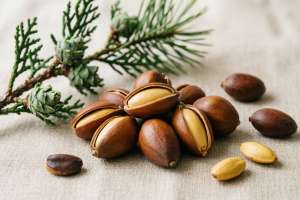
Efficacy and functions of Baiziren
Overview of the efficacy and functions of BaizirenBaiziren is the dried and mature seed kernel of Platycladus orientalis, a plant in the Cupressaceae family. Traditional Chinese medicine believes that it is flat in nature and sweet in taste, and can be used to regulate the heart, kidney, and large intestine meridians.Nourish the heart and calm the nerves, moisturize the intestines and relieve constipation, and nourish the liver and kidneysand other effects.Its main functions include improving sy
-
View
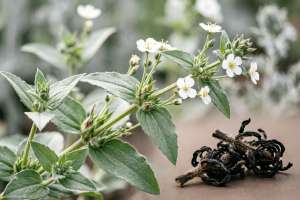
Eclipta Eclipta efficacy and functions
Overview of the efficacy and functions of EcliptaEclipta, also known as Eclipta or Eclipta, is a commonly used medicinal material in traditional Chinese medicine to nourish the liver and kidneys, cool blood and stop bleeding.Its core functions includeNourishes yin and nourishes kidney, blackens beard and hair, stops bleeding and reduces inflammation, the secondary effects involve improving hair loss, relieving gum bleeding and skin eczema.The primary and secondary structure is clear: liver and k
-

View
Function and role of hippocampus
Overview of the functions and functions of the hippocampusSeahorse is a precious marine creature recognized for its many benefits in both traditional medicine and modern research.Its main functions includeReplenishing kidneys and strengthening yang, anti-fatigue, regulating immunity, antioxidantetc., especially the effect of nourishing kidney and replenishing qi is the most prominent.In addition, the hippocampus also plays a certain role in improving blood circulation and relieving neurasthenia.
-
View
The effects and functions of fragrant fruit
Overview of the effects and functions of fragrant fruitXiangguo, also known as Ligusticum chuanxiong or Shannai, is a plant with both medicinal and edible value, and its rhizomes are often used in traditional Chinese medicine.Its main functions includePromotes blood circulation and removes blood stasis, dispels wind and relieves pain, improves blood circulation, the secondary effects involve relieving headaches, joint pain and women’s menstrual discomfort.The active ingredients of xiangguo, su
-
View
Efficacy and functions of Cistanche deserticola
Overview of the efficacy and functions of Cistanche deserticolaCistanche deserticola, also known as Cistanche deserticola, is a traditional Chinese medicinal material mainly produced in desert areas and is known as "desert ginseng".Its core functions includeReplenishing kidney yang, replenishing essence and blood, moistening intestines and laxative, the secondary effects involve anti-aging, regulating immunity, etc.This article will start from its medicinal value, suitable people, usage methods
-
View
White peony effect and function
Overview of the efficacy and functions of white peony rootWhite peony root is a commonly used blood-nourishing and menstrual-regulating medicine in traditional Chinese medicine.Nourishes blood and softens liver, relieves pain, astringes yin and stops sweatingIt has core functions such as irregular menstruation, hypochondriac pain, spontaneous sweating and night sweats.Its functions can be divided into two categories: primary and secondary:Main functionsIncluding regulating female endocrine, reli
-
View
Efficacy and functions of Wu Hua Xue Teng
Overview of the efficacy and functions of SpatholobusFive-flowered bloodvine is a traditional Chinese medicinal material, which mainly hasPromotes blood circulation and removes blood stasis, unblocks collaterals to relieve pain, expels wind and removes dampnessIt has other effects and is often used to treat rheumatic arthralgia, bruises and irregular menstruation.Its core function is to promote blood circulation, relieve inflammation and pain, and its secondary functions include assisting in reg