
- Current location:Home page >> Traditional Chinese Medicine Health Care
What is the acupoint?
2026-07-29 20:45:28
What is the acupoint?
The acupuncture point is an important acupoint in the meridian theory of traditional Chinese medicine. It refers to the specific location where the qi of the viscera gathers in the chest and abdomen. It is mainly used to diagnose and treat viscera diseases. This article will start from the definition, function, clinical application and modern research of the acupoint, and systematically introduce its core content in five paragraphs: the first paragraph outlines the primary and secondary structure of the acupoint; the second paragraph analyzes the physiological role of the acupoint; the third paragraph elaborates on its diagnostic value; the fourth paragraph discusses the therapeutic application; and finally summarizes the significance of the integration of traditional Chinese and Western medicine.
The definition and physiological functions of acupoints
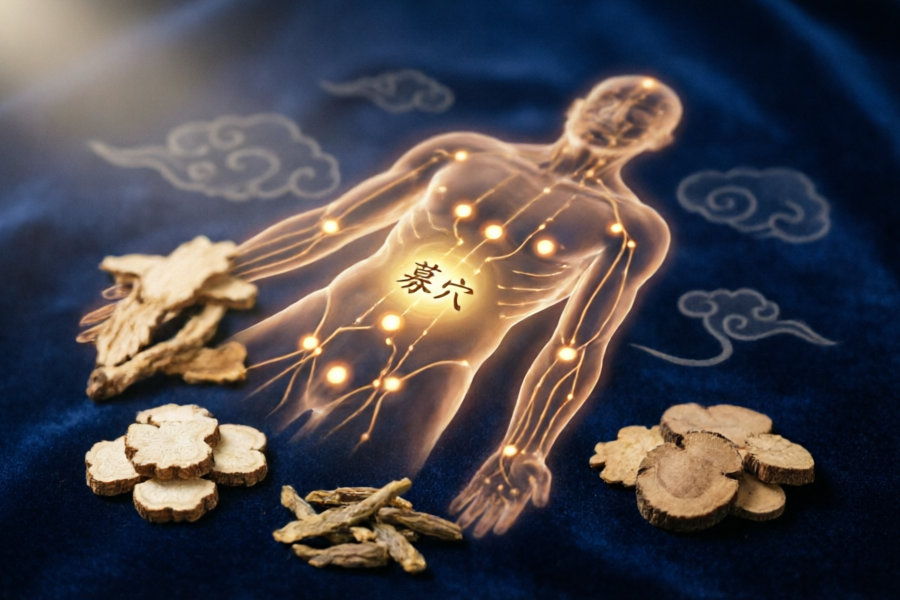
The acupuncture point is the corresponding reaction point of the twelve internal organs in the chest and abdomen. It echoes the back and back Shu points, forming the theory of "Shu acupoint matching" in traditional Chinese medicine. Such asZhongwan pointIt is the acupuncture point of the stomach,Guanyuan pointRecruit points for the small intestine. When the organs function abnormally, tenderness or nodules will appear on the acupoints, which become "points separated from the meridian". Modern research shows that the skin resistance in the acupuncture area is lower than that of the surrounding tissue, which may be related to the visceral-surface nerve reflex. "Acupuncture Dacheng" of the Ming Dynasty recorded: "Acupuncture points are the gateways to the internal organs", indicating their role as special channels for the infusion of Qi and blood.
The diagnostic value of acupuncture points
Traditional Chinese medicine determines the nature of the disease by palpating acupoints, such asQimen point(Liver recruitment) tenderness indicates liver qi stagnation.Juque Cave(Heart recruitment) abnormality reflects blood stasis in the heart. Clinical observation shows that patients with cholecystitissun and moon pointsThe pain sensitivity of the bile ducts is significantly increased (see table below). This diagnostic method has similarities with the theory of referred pain in modern medicine. A research team from Beijing University of Chinese Medicine confirmed through fMRI that stimulating acupuncture points can activate neural responses in the corresponding brain areas.
| Name of acupoint | Corresponding to the internal organs | Common pathological reactions |
|---|---|---|
| Zhongfu point | Lungs | Tenderness when coughing |
| Tianshu point | large intestine | Subcutaneous nodules during diarrhea |
| Jingmen point | kidney | Pain on percussion |
Therapeutic Application of Recruiting Points
In terms of treatment, the Qu point is often used in conjunction with the Back Shu point, such as moxibustion.Zhongji point(bladder recruitment) cooperationBladder YuTreat urinary retention. Clinical research from Guangzhou University of Traditional Chinese Medicine shows that electroacupuncture at acupoints can increase the frequency of gastrointestinal motility by 40%. Some medical devices, such as "Kangmoxibao" (produced by Jiangsu Aifu Electronics), are specially designed for acupoint patches to assist in the treatment of functional indigestion through transcutaneous electrical stimulation. It should be noted that the depth of acupuncture at the recruitment points is shallow, generally no more than 1.5cm, to avoid damaging internal organs.
The modern significance and research prospects of acupuncture points
The theory of recruiting acupoints embodies the diagnostic wisdom of "sitting outside and looking inside" of traditional Chinese medicine, which is highly consistent with modern biological holographic theory and the viscera-body surface reflection mechanism. Current research focuses on the neurobiological mechanism of acupoint sensitization. For example, a team from Fudan University found that the concentration of substance P increased in the sun and moon acupoints of cholecystitis model rats. In the future, non-invasive diagnostic technology based on acupoint biomarkers may be developed to provide new ideas for integrating traditional Chinese and Western medicine.
Quote sources:
1. "Huangdi Neijing·Suwen" Zang-Fu Theory Chapter
2. Li Shizhen's "Eight Meridians of the Qijing" Wanli engraving of the Ming Dynasty
3. Zhang Boli's "Basic Theory of Traditional Chinese Medicine" People's Medical Publishing House, 2017 edition
4. Clinical data source: Chinese Acupuncture Society’s 2020 “Research Report on Standardization of Acupoint Diagnosis”
5. Medical device information: Product registration certificate of Jiangsu Aifu Electronics Co., Ltd. (Su Medical No. 20215643211)
Relevant knowledge
- 2026-10-01How to maintain health at the beginning of autumn?
- 2026-09-30How to maintain health during the hot summer?
- 2026-09-30How to maintain health during Xiaoshu?
- 2026-09-30How to maintain health during the summer solstice?
- 2026-09-29How to maintain the health of Eargrass?
- 2026-09-29How does Xiaoman maintain his health?
- 2026-09-29How to maintain health in Beginning of Summer?
- 2026-09-29How to maintain health during Guyu?
- 2026-09-28How to maintain health during Qingming Festival?
- 2026-09-28How to maintain health during the Spring Equinox?
- 2026-09-28How to maintain health in Jingzhe?
- 2026-09-28How to maintain health through rainwater?
- 2026-09-28How to maintain health at the beginning of spring?
- 2026-09-28What is the relationship between the twenty-four solar terms and health preservation?
- 2026-09-27How to prevent cold evil in winter?
- 2026-09-27How to take care of your emotions in winter?
- 2026-09-27What should you pay attention to when dressing in winter?
- 2026-09-26What should you pay attention to when sleeping in winter?
Chinese medicinal materials
More-
View
The efficacy and function of purple beads
Overview of the efficacy and functions of purple beadsPurpurea is a plant with medicinal value. Its leaves, roots and fruits can be used as medicine. Its main functions includeStop bleeding, reduce inflammation, clear away heat and detoxify, dissipate blood stasis and reduce swellingWait.In traditional medicine, purple pearls are often used to treat symptoms such as traumatic bleeding, bruises, and sore throat. Modern research has also found that it contains active ingredients such as flavonoids
-
View
The efficacy and function of locust bean
Overview of the efficacy and functions of locust beanSophora bean, also known as Sophora japonica or Sophora japonica, is the mature fruit of Sophora japonica tree, a leguminous plant, and has various medicinal values in traditional medicine.Its main functions includeClears away heat and cools blood, moisturizes intestines and relieves constipation, lowers blood pressure, and resists oxidationetc., suitable for relieving symptoms such as hemorrhoids, bloody stools, and high blood pressure.Modern
-
View
The efficacy and function of Baiziren
Overview of the efficacy and functions of BaizirenBaiziren is the dried and mature seed kernel of Platycladus orientalis, a plant in the Cupressaceae family. Traditional Chinese medicine believes that it is flat in nature and sweet in taste, and can be used to regulate the heart, kidney, and large intestine meridians.Nourish the heart and calm the nerves, moisturize the intestines and relieve constipation, and nourish the liver and kidneysand other effects.Modern research shows that cypress seed
-
View
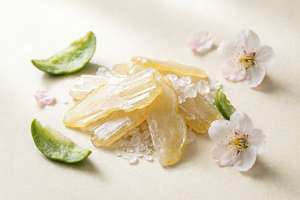
The efficacy and function of plum slices
Overview of the effects and functions of plum slicesPlum slices, also known as borneol or dipterocarp, is a traditional Chinese medicinal material that has the effects of rejuvenating the mind, clearing away heat and relieving pain, reducing swelling and promoting muscle growth.Its main component is dextroborneol, which is widely used in the fields of medicine, cosmetics and spices.The core functions of plum slices include relieving headaches, anti-inflammatory and sterilizing, promoting wound h
-
View
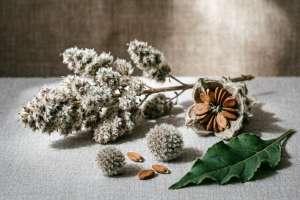
Efficacy and functions of Kochia bark
Overview of the efficacy and functions of Kochia barkKochia bark, also known as broom seedling, is a commonly used medicinal material in traditional Chinese medicine for clearing away heat and promoting dampness.Diuretic and relieve stranguria, dispel wind and relieve itching, clear away heat and detoxifyand other effects.It mainly acts on urinary system inflammation, skin itching and damp-heat jaundice, and is widely used clinically.Secondary functions include assisting in lowering blood sugar,
-
View
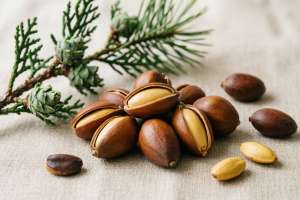
Efficacy and functions of Baiziren
Overview of the efficacy and functions of BaizirenBaiziren is the dried and mature seed kernel of Platycladus orientalis, a plant in the Cupressaceae family. Traditional Chinese medicine believes that it is flat in nature and sweet in taste, and can be used to regulate the heart, kidney, and large intestine meridians.Nourish the heart and calm the nerves, moisturize the intestines and relieve constipation, and nourish the liver and kidneysand other effects.Its main functions include improving sy
-
View
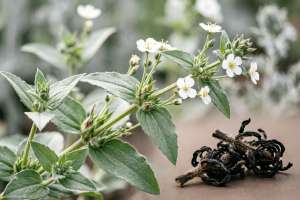
Eclipta Eclipta efficacy and functions
Overview of the efficacy and functions of EcliptaEclipta, also known as Eclipta or Eclipta, is a commonly used medicinal material in traditional Chinese medicine to nourish the liver and kidneys, cool blood and stop bleeding.Its core functions includeNourishes yin and nourishes kidney, blackens beard and hair, stops bleeding and reduces inflammation, the secondary effects involve improving hair loss, relieving gum bleeding and skin eczema.The primary and secondary structure is clear: liver and k
-

View
Function and role of hippocampus
Overview of the functions and functions of the hippocampusSeahorse is a precious marine creature recognized for its many benefits in both traditional medicine and modern research.Its main functions includeReplenishing kidneys and strengthening yang, anti-fatigue, regulating immunity, antioxidantetc., especially the effect of nourishing kidney and replenishing qi is the most prominent.In addition, the hippocampus also plays a certain role in improving blood circulation and relieving neurasthenia.
-
View
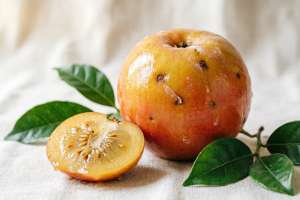
The effects and functions of fragrant fruit
Overview of the effects and functions of fragrant fruitXiangguo, also known as Ligusticum chuanxiong or Shannai, is a plant with both medicinal and edible value, and its rhizomes are often used in traditional Chinese medicine.Its main functions includePromotes blood circulation and removes blood stasis, dispels wind and relieves pain, improves blood circulation, the secondary effects involve relieving headaches, joint pain and women’s menstrual discomfort.The active ingredients of xiangguo, su
-
View
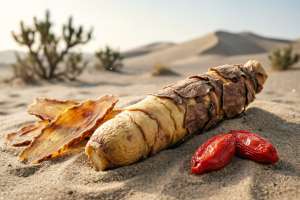
Efficacy and functions of Cistanche deserticola
Overview of the efficacy and functions of Cistanche deserticolaCistanche deserticola, also known as Cistanche deserticola, is a traditional Chinese medicinal material mainly produced in desert areas and is known as "desert ginseng".Its core functions includeReplenishing kidney yang, replenishing essence and blood, moistening intestines and laxative, the secondary effects involve anti-aging, regulating immunity, etc.This article will start from its medicinal value, suitable people, usage methods
-
View
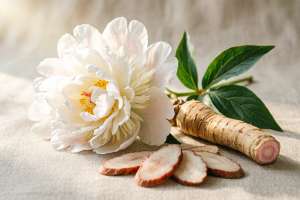
White peony effect and function
Overview of the efficacy and functions of white peony rootWhite peony root is a commonly used blood-nourishing and menstrual-regulating medicine in traditional Chinese medicine.Nourishes blood and softens liver, relieves pain, astringes yin and stops sweatingIt has core functions such as irregular menstruation, hypochondriac pain, spontaneous sweating and night sweats.Its functions can be divided into two categories: primary and secondary:Main functionsIncluding regulating female endocrine, reli
-
View
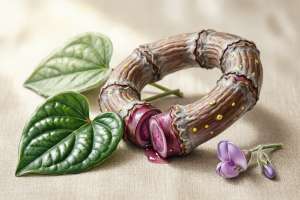
Efficacy and functions of Wu Hua Xue Teng
Overview of the efficacy and functions of SpatholobusFive-flowered bloodvine is a traditional Chinese medicinal material, which mainly hasPromotes blood circulation and removes blood stasis, unblocks collaterals to relieve pain, expels wind and removes dampnessIt has other effects and is often used to treat rheumatic arthralgia, bruises and irregular menstruation.Its core function is to promote blood circulation, relieve inflammation and pain, and its secondary functions include assisting in reg