
- Current location:Home page >> Traditional Chinese Medicine Health Care
What are the functions of Yinmen point?
2026-08-31 21:08:09
Overview of the efficacy and function of Yinmen point
Yinmen point is an important point on the bladder meridian of Foot and Taiyang. It is located on the back of the thigh. Its main functions include:Relax muscles and activate collaterals, relieve pain in waist and legs, and improve blood circulation in lower limbs, often used to treat sciatica, lumbar disc herniation and other conditions.Its mechanism of action is to stimulate local nerves and muscles, promote the circulation of qi and blood, and achieve analgesic and functional recovery effects.The secondary function involves assisting in the regulation of lower limb edema and the rehabilitation of sports injuries.The following content will start with acupoint location, specific functions, clinical applications and precautions to help readers fully understand the practical value of Yinmen point.
The positioning and stimulation method of Yinmen point
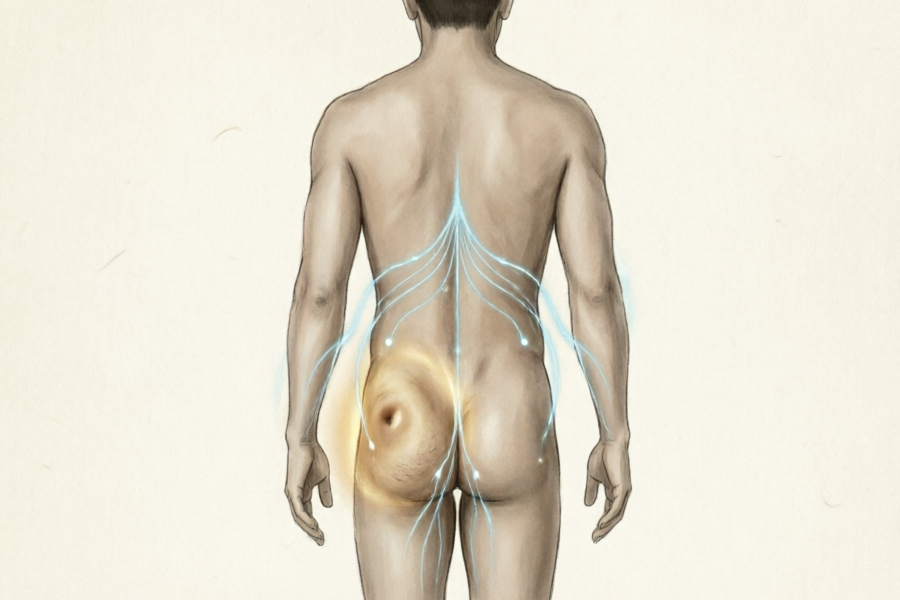
The Yinmen point is located in the midline of the back of the thigh, at the midpoint of the line connecting the hip crease to the popliteal crease. When selecting the acupoint, you can lie prone or stand on the wall.Stimulation methods includeAcupressure, acupuncture, moxibustionEtc.: During massage, press the thumb vertically for 3-5 minutes to produce a feeling of soreness and swelling; acupuncture needs to be performed by a professional physician, with a depth of about 1-1.5 inches; moxibustion can warm and dredge the meridians, and is suitable for cold-dampness type low back pain.In daily health care, the effect will be better when combined with adjacent acupoints such as Chengfu point and Weizhong point.
Core Function Analysis: Relief of waist and leg pain
Yinmen point pairRadiating pain in lower limbs caused by lumbar spine diseaseThere is significant relief.Modern research shows that stimulating this acupuncture point can reduce local inflammatory factors (such as prostaglandin E2) and promote the release of endorphins, thereby reducing pain (citation source: "Acupuncture and Moxibustion" 10th edition).Clinical cases show that patients with lumbar disc herniation improved their walking ability by 72% after acupuncture at Yinmen point (data shown in the table below).In addition, regular massage of this point by long-term desk workers can prevent muscle stiffness and sciatic nerve compression.
| Observation indicators | improvement rate | treatment cycle |
|---|---|---|
| Reduced pain scores | 68% | 2 weeks |
| Increased range of motion in lower limbs | 72% | 4 weeks |
| Relapse rate control | 51% | 6 months |
Auxiliary functions and combined applications
In addition to focusing on waist and leg problems, Yinmen point can alsoImprove lower limb edema, especially suitable for those who stand for a long time or have poor blood circulation.Using it with the Yinlingquan point can enhance the diuretic effect; combining it with tapping the Yinmen point area after exercise can accelerate lactic acid metabolism.It should be noted that patients with damaged skin or severe varicose veins should avoid strong stimulation, and pregnant women should use it with caution.Some traditional Chinese medicine hospitals will use this point in combination with electro-acupuncture equipment (such as the "Huatuo brand" acupuncture treatment equipment), but home health care recommends manual massage.
Summary and Notes
As a "pivot point" for lower limb health care, Yinmen point has both therapeutic and preventive value.Daily hot compresses (temperature not exceeding 45°C) can be combined to enhance the effect, but if numbness or tingling persists, seek medical attention.Its efficacy has been double verified by the "Huangdi Neijing" and modern medicine (cited by expert: Cheng Xinnong, a master of traditional Chinese medicine).Relevant equipment products must be purchased from regular manufacturers (such as "Jianfutang" moxibustion boxes) to avoid blindly purchasing three-no products.Proper use of the Yinmen point can provide natural therapy support for waist and leg health.
Quote sources:
1. "Acupuncture and Moxibustion" 10th Edition, People's Medical Publishing House
2. Clinical experience collection of Cheng Xinnong, a master of traditional Chinese medicine
3. State Administration of Traditional Chinese Medicine's "Guidelines for the Application of Acupoint Therapy" 2020 Edition
4. Equipment manufacturers: Huatuo brand (product model: HT-ZJ202), Jianfutang (moxibustion box JF-3A)
Relevant knowledge
- 2026-10-01How to maintain health at the beginning of autumn?
- 2026-09-30How to maintain health during the hot summer?
- 2026-09-30How to maintain health during Xiaoshu?
- 2026-09-30How to maintain health during the summer solstice?
- 2026-09-29How to maintain the health of Eargrass?
- 2026-09-29How does Xiaoman maintain his health?
- 2026-09-29How to maintain health in Beginning of Summer?
- 2026-09-29How to maintain health during Guyu?
- 2026-09-28How to maintain health during Qingming Festival?
- 2026-09-28How to maintain health during the Spring Equinox?
- 2026-09-28How to maintain health in Jingzhe?
- 2026-09-28How to maintain health through rainwater?
- 2026-09-28How to maintain health at the beginning of spring?
- 2026-09-28What is the relationship between the twenty-four solar terms and health preservation?
- 2026-09-27How to prevent cold evil in winter?
- 2026-09-27How to take care of your emotions in winter?
- 2026-09-27What should you pay attention to when dressing in winter?
- 2026-09-26What should you pay attention to when sleeping in winter?
Chinese medicinal materials
More-
View
The efficacy and function of locust bean
Overview of the efficacy and functions of locust beanSophora bean, also known as Sophora japonica or Sophora japonica, is the mature fruit of Sophora japonica tree, a leguminous plant, and has various medicinal values in traditional medicine.Its main functions includeClears away heat and cools blood, moisturizes intestines and relieves constipation, lowers blood pressure, and resists oxidationetc., suitable for relieving symptoms such as hemorrhoids, bloody stools, and high blood pressure.Modern
-
View
The efficacy and function of Baiziren
Overview of the efficacy and functions of BaizirenBaiziren is the dried and mature seed kernel of Platycladus orientalis, a plant in the Cupressaceae family. Traditional Chinese medicine believes that it is flat in nature and sweet in taste, and can be used to regulate the heart, kidney, and large intestine meridians.Nourish the heart and calm the nerves, moisturize the intestines and relieve constipation, and nourish the liver and kidneysand other effects.Modern research shows that cypress seed
-
View
The efficacy and function of plum slices
Overview of the effects and functions of plum slicesPlum slices, also known as borneol or dipterocarp, is a traditional Chinese medicinal material that has the effects of rejuvenating the mind, clearing away heat and relieving pain, reducing swelling and promoting muscle growth.Its main component is dextroborneol, which is widely used in the fields of medicine, cosmetics and spices.The core functions of plum slices include relieving headaches, anti-inflammatory and sterilizing, promoting wound h
-
View
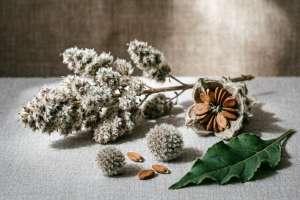
Efficacy and functions of Kochia bark
Overview of the efficacy and functions of Kochia barkKochia bark, also known as broom seedling, is a commonly used medicinal material in traditional Chinese medicine for clearing away heat and promoting dampness.Diuretic and relieve stranguria, dispel wind and relieve itching, clear away heat and detoxifyand other effects.It mainly acts on urinary system inflammation, skin itching and damp-heat jaundice, and is widely used clinically.Secondary functions include assisting in lowering blood sugar,
-
View
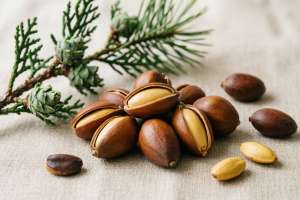
Efficacy and functions of Baiziren
Overview of the efficacy and functions of BaizirenBaiziren is the dried and mature seed kernel of Platycladus orientalis, a plant in the Cupressaceae family. Traditional Chinese medicine believes that it is flat in nature and sweet in taste, and can be used to regulate the heart, kidney, and large intestine meridians.Nourish the heart and calm the nerves, moisturize the intestines and relieve constipation, and nourish the liver and kidneysand other effects.Its main functions include improving sy
-
View
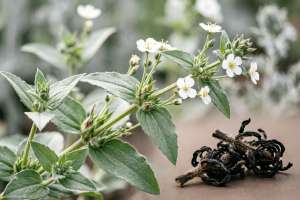
Eclipta Eclipta efficacy and functions
Overview of the efficacy and functions of EcliptaEclipta, also known as Eclipta or Eclipta, is a commonly used medicinal material in traditional Chinese medicine to nourish the liver and kidneys, cool blood and stop bleeding.Its core functions includeNourishes yin and nourishes kidney, blackens beard and hair, stops bleeding and reduces inflammation, the secondary effects involve improving hair loss, relieving gum bleeding and skin eczema.The primary and secondary structure is clear: liver and k
-

View
Function and role of hippocampus
Overview of the functions and functions of the hippocampusSeahorse is a precious marine creature recognized for its many benefits in both traditional medicine and modern research.Its main functions includeReplenishing kidneys and strengthening yang, anti-fatigue, regulating immunity, antioxidantetc., especially the effect of nourishing kidney and replenishing qi is the most prominent.In addition, the hippocampus also plays a certain role in improving blood circulation and relieving neurasthenia.
-
View
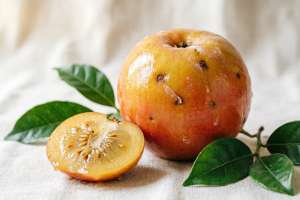
The effects and functions of fragrant fruit
Overview of the effects and functions of fragrant fruitXiangguo, also known as Ligusticum chuanxiong or Shannai, is a plant with both medicinal and edible value, and its rhizomes are often used in traditional Chinese medicine.Its main functions includePromotes blood circulation and removes blood stasis, dispels wind and relieves pain, improves blood circulation, the secondary effects involve relieving headaches, joint pain and women’s menstrual discomfort.The active ingredients of xiangguo, su
-
View
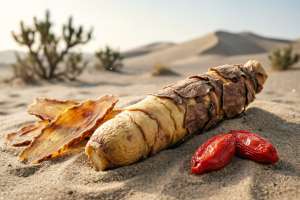
Efficacy and functions of Cistanche deserticola
Overview of the efficacy and functions of Cistanche deserticolaCistanche deserticola, also known as Cistanche deserticola, is a traditional Chinese medicinal material mainly produced in desert areas and is known as "desert ginseng".Its core functions includeReplenishing kidney yang, replenishing essence and blood, moistening intestines and laxative, the secondary effects involve anti-aging, regulating immunity, etc.This article will start from its medicinal value, suitable people, usage methods
-
View
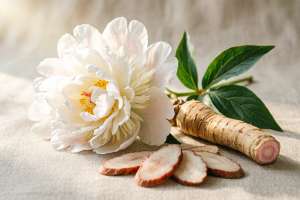
White peony effect and function
Overview of the efficacy and functions of white peony rootWhite peony root is a commonly used blood-nourishing and menstrual-regulating medicine in traditional Chinese medicine.Nourishes blood and softens liver, relieves pain, astringes yin and stops sweatingIt has core functions such as irregular menstruation, hypochondriac pain, spontaneous sweating and night sweats.Its functions can be divided into two categories: primary and secondary:Main functionsIncluding regulating female endocrine, reli
-
View
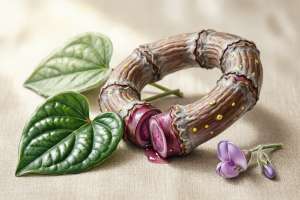
Efficacy and functions of Wu Hua Xue Teng
Overview of the efficacy and functions of SpatholobusFive-flowered bloodvine is a traditional Chinese medicinal material, which mainly hasPromotes blood circulation and removes blood stasis, unblocks collaterals to relieve pain, expels wind and removes dampnessIt has other effects and is often used to treat rheumatic arthralgia, bruises and irregular menstruation.Its core function is to promote blood circulation, relieve inflammation and pain, and its secondary functions include assisting in reg
-
View
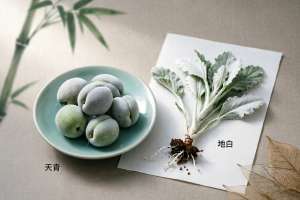
The efficacy and function of Tianqingdibai
Overview of the efficacy and functions of TianqingdibaiTianqing Dibai is a traditional Chinese medicinal material that has the effects of clearing heat and detoxifying, cooling blood and stopping bleeding, reducing swelling and dissipating stagnation. It is often used to treat sore throat, carbuncle sores, bruises and other diseases.Its main components include flavonoids, organic acids and other active substances. Modern research shows that it has certain anti-inflammatory and antibacterial effe