
- Current location:Home page >> Traditional Chinese Medicine Health Care
What vegetables are suitable to eat in winter?
2026-09-25 14:57:23
What vegetables are suitable to eat in winter?The perfect combination of nutrition and seasonality
The climate is cold and dry in winter. Choosing suitable vegetables can not only supplement nutrition, but also enhance immunity.This article starts fromRoots, green leaves, crucifersLet’s start with three major winter seasonal vegetables and introduce their nutritional value and consumption suggestions.It focuses on recommending common vegetables such as radish, cabbage, and spinach, supplemented by specialty varieties such as lotus root and chrysanthemum, to help readers scientifically match their winter diet.
Root vegetables: a winter energy store
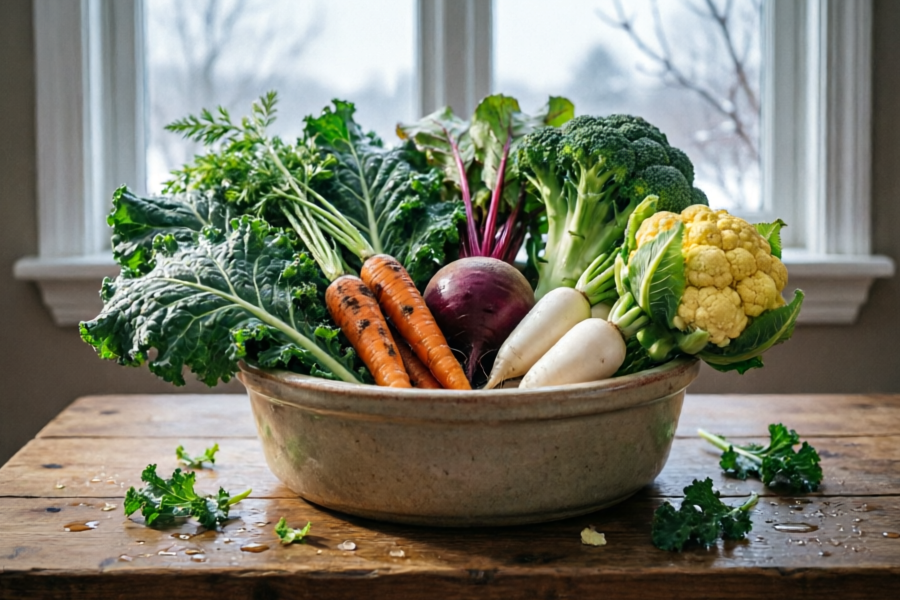
Radish, carrot, lotus root and other root vegetables are the protagonists of the winter table.Radish is rich inVitamin C and dietary fiber, can promote digestion; in carrotsbeta-caroteneHelps protect eyesight; lotus root contains high iron content and is suitable for replenishing blood.These vegetables are durable and can be stewed or stir-fried. For example, radish and pork ribs soup can dispel cold and warm the stomach.It should be noted that people with weak stomachs should avoid eating raw radishes.
Green leafy vegetables: natural defenders against dryness
Spinach, chrysanthemum, rape and other green leafy vegetables are rich inFolic acid, potassium and antioxidants.Spinach contains high iron content, so it is recommended to blanch it before serving as a cold dish or making porridge; chrysanthemum chrysanthemum has a delicate fragrance and is suitable for hotpot or stir-frying.Green leafy vegetables in winter are susceptible to freezing damage and should be eaten as soon as possible after purchase.Research by the Beijing Academy of Agriculture and Forestry shows that spinach grown in a low-temperature environment has higher nutritional value (Source: "Chinese Vegetable Cultivation").
Cruciferous vegetables: your immune system’s golden partner
Cruciferous vegetables such as cabbage, broccoli, and mustard greens containGlucosinolates, has antioxidant effects.Chinese cabbage has strong cold tolerance and can be pickled into sauerkraut or stewed; broccoli is recommended to be steamed to retain nutrients.Shouguang, Shandong Province is the main cabbage producing area in China, with well-known brands such as"Shouguang Vegetables"(Source: China Agricultural Products Geographical Indication Database).These vegetables should not be overcooked to avoid loss of nutrients.
Scientific matching, warm winter
Winter vegetable selection should take bothNutrition, storage and cooking methods.Roots provide calories, green leafy vegetables supplement trace elements, and cruciferous vegetables enhance immunity.It is recommended to consume 300-500 grams of vegetables daily, with dark vegetables accounting for more than half.Referring to the "Dietary Guidelines" of the Chinese Nutrition Society, you can drink more warm-up dishes such as radish and crucian carp soup, cabbage and tofu stew in winter.Special groups such as diabetics need to control their intake of roots and tubers.
| vegetable type | Representative varieties | Main functions | Recommended ways to eat |
|---|---|---|---|
| Rhizome | White radish, carrot | Promote digestion and protect eyesight | Stew, steam |
| Green leaves | spinach, chrysanthemum | Iron supplement, antioxidant | Cold and stir-fried |
| Brassicaceae | Cabbage, broccoli | Enhance immunity | stew, steam |
Quote sources:
1. "Chinese Vegetable Cultivation" (China Agricultural Press, 2018)
2. Chinese Nutrition Society’s “Dietary Guidelines for Chinese Residents” (2022 Edition)
3. China’s geographical indication database of agricultural products (recorded by the Ministry of Agriculture and Rural Affairs)
4. Shandong Shouguang Vegetable Industry Group (main product: Shouguang cabbage)
Relevant knowledge
- 2026-09-30How to maintain health during the hot summer?
- 2026-09-30How to maintain health during Xiaoshu?
- 2026-09-30How to maintain health during the summer solstice?
- 2026-09-29How to maintain the health of Eargrass?
- 2026-09-29How does Xiaoman maintain his health?
- 2026-09-29How to maintain health in Beginning of Summer?
- 2026-09-29How to maintain health during Guyu?
- 2026-09-28How to maintain health during Qingming Festival?
- 2026-09-28How to maintain health during the Spring Equinox?
- 2026-09-28How to maintain health in Jingzhe?
- 2026-09-28How to maintain health through rainwater?
- 2026-09-28How to maintain health at the beginning of spring?
- 2026-09-28What is the relationship between the twenty-four solar terms and health preservation?
- 2026-09-27How to prevent cold evil in winter?
- 2026-09-27How to take care of your emotions in winter?
- 2026-09-27What should you pay attention to when dressing in winter?
- 2026-09-26What should you pay attention to when sleeping in winter?
- 2026-09-26How to prevent cardiovascular and cerebrovascular diseases in winter?
Chinese medicinal materials
More-
View
The efficacy and function of Baiziren
Overview of the efficacy and functions of BaizirenBaiziren is the dried and mature seed kernel of Platycladus orientalis, a plant in the Cupressaceae family. Traditional Chinese medicine believes that it is flat in nature and sweet in taste, and can be used to regulate the heart, kidney, and large intestine meridians.Nourish the heart and calm the nerves, moisturize the intestines and relieve constipation, and nourish the liver and kidneysand other effects.Modern research shows that cypress seed
-
View
The efficacy and function of plum slices
Overview of the effects and functions of plum slicesPlum slices, also known as borneol or dipterocarp, is a traditional Chinese medicinal material that has the effects of rejuvenating the mind, clearing away heat and relieving pain, reducing swelling and promoting muscle growth.Its main component is dextroborneol, which is widely used in the fields of medicine, cosmetics and spices.The core functions of plum slices include relieving headaches, anti-inflammatory and sterilizing, promoting wound h
-
View
Efficacy and functions of Kochia bark
Overview of the efficacy and functions of Kochia barkKochia bark, also known as broom seedling, is a commonly used medicinal material in traditional Chinese medicine for clearing away heat and promoting dampness.Diuretic and relieve stranguria, dispel wind and relieve itching, clear away heat and detoxifyand other effects.It mainly acts on urinary system inflammation, skin itching and damp-heat jaundice, and is widely used clinically.Secondary functions include assisting in lowering blood sugar,
-
View
Efficacy and functions of Baiziren
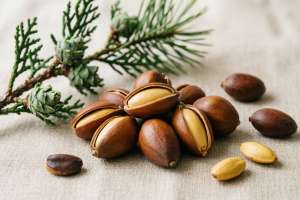
Overview of the efficacy and functions of BaizirenBaiziren is the dried and mature seed kernel of Platycladus orientalis, a plant in the Cupressaceae family. Traditional Chinese medicine believes that it is flat in nature and sweet in taste, and can be used to regulate the heart, kidney, and large intestine meridians.Nourish the heart and calm the nerves, moisturize the intestines and relieve constipation, and nourish the liver and kidneysand other effects.Its main functions include improving sy
-
View
Eclipta Eclipta efficacy and functions
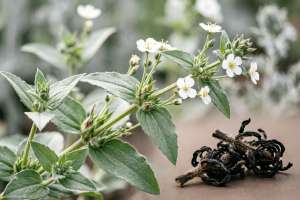
Overview of the efficacy and functions of EcliptaEclipta, also known as Eclipta or Eclipta, is a commonly used medicinal material in traditional Chinese medicine to nourish the liver and kidneys, cool blood and stop bleeding.Its core functions includeNourishes yin and nourishes kidney, blackens beard and hair, stops bleeding and reduces inflammation, the secondary effects involve improving hair loss, relieving gum bleeding and skin eczema.The primary and secondary structure is clear: liver and k
-

View
Function and role of hippocampus
Overview of the functions and functions of the hippocampusSeahorse is a precious marine creature recognized for its many benefits in both traditional medicine and modern research.Its main functions includeReplenishing kidneys and strengthening yang, anti-fatigue, regulating immunity, antioxidantetc., especially the effect of nourishing kidney and replenishing qi is the most prominent.In addition, the hippocampus also plays a certain role in improving blood circulation and relieving neurasthenia.
-
View
The effects and functions of fragrant fruit
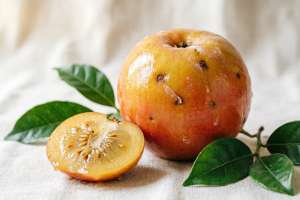
Overview of the effects and functions of fragrant fruitXiangguo, also known as Ligusticum chuanxiong or Shannai, is a plant with both medicinal and edible value, and its rhizomes are often used in traditional Chinese medicine.Its main functions includePromotes blood circulation and removes blood stasis, dispels wind and relieves pain, improves blood circulation, the secondary effects involve relieving headaches, joint pain and women’s menstrual discomfort.The active ingredients of xiangguo, su
-
View
Efficacy and functions of Cistanche deserticola
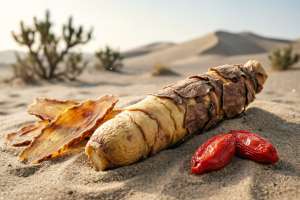
Overview of the efficacy and functions of Cistanche deserticolaCistanche deserticola, also known as Cistanche deserticola, is a traditional Chinese medicinal material mainly produced in desert areas and is known as "desert ginseng".Its core functions includeReplenishing kidney yang, replenishing essence and blood, moistening intestines and laxative, the secondary effects involve anti-aging, regulating immunity, etc.This article will start from its medicinal value, suitable people, usage methods
-
View
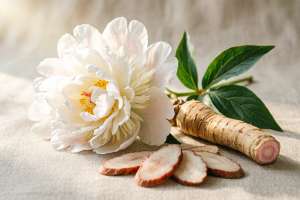
White peony effect and function
Overview of the efficacy and functions of white peony rootWhite peony root is a commonly used blood-nourishing and menstrual-regulating medicine in traditional Chinese medicine.Nourishes blood and softens liver, relieves pain, astringes yin and stops sweatingIt has core functions such as irregular menstruation, hypochondriac pain, spontaneous sweating and night sweats.Its functions can be divided into two categories: primary and secondary:Main functionsIncluding regulating female endocrine, reli
-
View
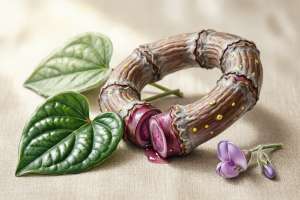
Efficacy and functions of Wu Hua Xue Teng
Overview of the efficacy and functions of SpatholobusFive-flowered bloodvine is a traditional Chinese medicinal material, which mainly hasPromotes blood circulation and removes blood stasis, unblocks collaterals to relieve pain, expels wind and removes dampnessIt has other effects and is often used to treat rheumatic arthralgia, bruises and irregular menstruation.Its core function is to promote blood circulation, relieve inflammation and pain, and its secondary functions include assisting in reg
-
View
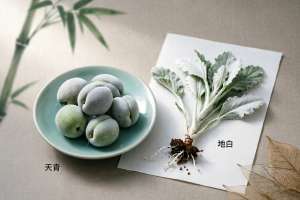
The efficacy and function of Tianqingdibai
Overview of the efficacy and functions of TianqingdibaiTianqing Dibai is a traditional Chinese medicinal material that has the effects of clearing heat and detoxifying, cooling blood and stopping bleeding, reducing swelling and dissipating stagnation. It is often used to treat sore throat, carbuncle sores, bruises and other diseases.Its main components include flavonoids, organic acids and other active substances. Modern research shows that it has certain anti-inflammatory and antibacterial effe
-
View
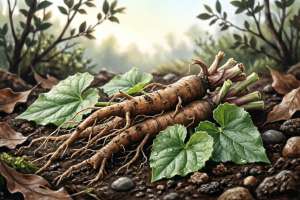
The efficacy and functions of wild buckwheat root
Overview of the efficacy and functions of wild buckwheat rootWild buckwheat root, also known as golden buckwheat, is a traditional Chinese medicinal material that has the functions of clearing heat and detoxifying, activating blood circulation and removing blood stasis, strengthening the spleen and digesting food.Modern research shows that it is rich in active ingredients such as flavonoids and phenolic acids, which has a certain auxiliary effect on respiratory infections, inflammation and diges