
- Current location:Home page >> Traditional Chinese Medicine Health Care
What fruits are suitable to eat in winter?
2026-09-25 17:42:25
What fruits are suitable to eat in winter?The perfect combination of nutrition and seasonality
The climate is dry and cold in winter, so seasonal fruits can not only replenish water and vitamins, but also enhance immunity.This article will start fromCitrus, apple, pear, jujube, persimmonFive major categories of winter fruits are expanded to analyze their nutritional value, consumption suggestions and precautions.The primary and secondary structure is clear: first introduce citrus fruits high in vitamin C, then recommend moisturizing pears and apples, and finally add winter dates and persimmons rich in trace elements to help readers scientifically match their winter diet.
Citrus: a “natural supply station” of vitamin C in winter

Citrus fruits such as oranges, grapefruits, and sugar oranges are the first choice in winter. Each 100 grams of pulp contains about 30-50 mg of vitamin C (Chinese food composition table), which can meet 50% of the daily requirements of adults.Among them,Guanxi Honey Pomelo(Specialty of Pinghe County, Fujian) The fruit has fine pulp and high potassium content, which is suitable for people with high blood pressure;Gannan navel orange(Ganzhou, Jiangxi) It is highly sweet and rich in flavonoids, which helps to resist oxidation.It should be noted that the daily intake should be controlled at 200-300 grams. Excessive consumption may cause gastrointestinal discomfort.
Apples and pears: the "golden partner" for moistening the lungs and relieving coughs
The pectin in apples and the dietary fiber in pears (about 3 grams per 100 grams) can promote intestinal peristalsis and relieve constipation caused by dryness in winter.Xinjiang Aksu Rock Candy Heart AppleDue to the large temperature difference between day and night, a unique candy center is formed, which is sweet, crisp and juicy;Hebei Zhao County Snow PearIt has been recorded in the "Compendium of Materia Medica" since ancient times that it has the effect of "moistening the lungs and cooling the heart" and is suitable for stewing pear soup.It is recommended that those with spleen and stomach deficiency should heat pears and eat apples with the skin on to retain more antioxidant substances.
Winter dates and persimmons: the "hidden champions" of energy and iron elements
Although winter dates are small, they have high nutritional density. The vitamin C content is 10 times that of lemons (about 243 mg per 100 grams).Shaanxi Dali winter jujubeThe skin is thin and the meat is crispy, suitable for immediate eating; persimmons are rich in iron (about 2.5 mg per 100 grams).Guangxi Gongcheng PersimmonThe prepared persimmon is a traditional tonic.But please note: Eating persimmons on an empty stomach can easily cause stomach stones. People with diabetes should be careful when eating winter jujubes (which contain about 20% sugar).
Scientific combination, healthy winter
When choosing fruits in winter, you need to take into account both nutrition and physical fitness: you can eat apples in the morning to promote digestion, citrus in the afternoon to refresh yourself, and a small amount of winter dates after dinner to replenish energy.Special groups of people should pay attention - diabetic patients prefer grapefruit with low GI, and those with anemia can eat persimmons and lean meat.Recommended brands:Chu Cheng(Ailao Mountain, Yunnan),DoleImported apples.The data refers to the "Dietary Guidelines for Chinese Residents 2022" and the Agricultural Products Nutrition Database of the Chinese Academy of Agricultural Sciences.
| fruit | core nutrients | recommended daily amount | Representative products |
|---|---|---|---|
| citrus | Vitamin C, potassium | 200-300g | Gannan navel orange, Guanxi pomelo |
| Apple/Pear | Pectin, dietary fiber | 1-2 pieces | Aksu apple, Zhaoxian snow pear |
| Dongzao | Vitamin C, sugar | 5-8 pieces | Dali winter jujube |
| persimmon | Iron, carotene | 1 piece (fresh) | Gongcheng Moon Persimmon Cake |
Cited sources: 1. "Chinese Food Composition Table" (6th edition) - Peking University Medical Press 2. Li Shizhen's "Compendium of Materia Medica" - a classic of traditional Chinese medicine in the Ming Dynasty 3. "Evaluation Report on the Nutritional Function of Special Agricultural Products" by the Chinese Academy of Agricultural Sciences 4. Brand information: Chu Cheng (Yunnan Chu's Agriculture), Dole (American Dole Food Company)
Relevant knowledge
- 2026-09-30How to maintain health during the hot summer?
- 2026-09-30How to maintain health during Xiaoshu?
- 2026-09-30How to maintain health during the summer solstice?
- 2026-09-29How to maintain the health of Eargrass?
- 2026-09-29How does Xiaoman maintain his health?
- 2026-09-29How to maintain health in Beginning of Summer?
- 2026-09-29How to maintain health during Guyu?
- 2026-09-28How to maintain health during Qingming Festival?
- 2026-09-28How to maintain health during the Spring Equinox?
- 2026-09-28How to maintain health in Jingzhe?
- 2026-09-28How to maintain health through rainwater?
- 2026-09-28How to maintain health at the beginning of spring?
- 2026-09-28What is the relationship between the twenty-four solar terms and health preservation?
- 2026-09-27How to prevent cold evil in winter?
- 2026-09-27How to take care of your emotions in winter?
- 2026-09-27What should you pay attention to when dressing in winter?
- 2026-09-26What should you pay attention to when sleeping in winter?
- 2026-09-26How to prevent cardiovascular and cerebrovascular diseases in winter?
Chinese medicinal materials
More-
View
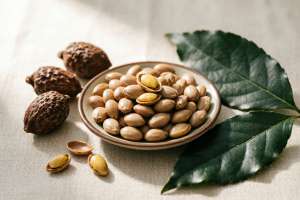
The efficacy and function of Baiziren
Overview of the efficacy and functions of BaizirenBaiziren is the dried and mature seed kernel of Platycladus orientalis, a plant in the Cupressaceae family. Traditional Chinese medicine believes that it is flat in nature and sweet in taste, and can be used to regulate the heart, kidney, and large intestine meridians.Nourish the heart and calm the nerves, moisturize the intestines and relieve constipation, and nourish the liver and kidneysand other effects.Modern research shows that cypress seed
-
View
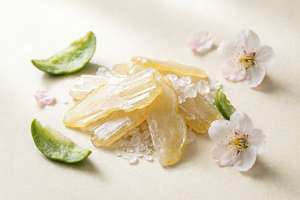
The efficacy and function of plum slices
Overview of the effects and functions of plum slicesPlum slices, also known as borneol or dipterocarp, is a traditional Chinese medicinal material that has the effects of rejuvenating the mind, clearing away heat and relieving pain, reducing swelling and promoting muscle growth.Its main component is dextroborneol, which is widely used in the fields of medicine, cosmetics and spices.The core functions of plum slices include relieving headaches, anti-inflammatory and sterilizing, promoting wound h
-
View
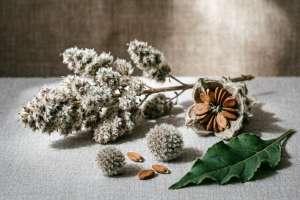
Efficacy and functions of Kochia bark
Overview of the efficacy and functions of Kochia barkKochia bark, also known as broom seedling, is a commonly used medicinal material in traditional Chinese medicine for clearing away heat and promoting dampness.Diuretic and relieve stranguria, dispel wind and relieve itching, clear away heat and detoxifyand other effects.It mainly acts on urinary system inflammation, skin itching and damp-heat jaundice, and is widely used clinically.Secondary functions include assisting in lowering blood sugar,
-
View
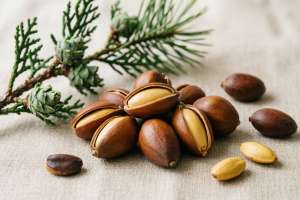
Efficacy and functions of Baiziren
Overview of the efficacy and functions of BaizirenBaiziren is the dried and mature seed kernel of Platycladus orientalis, a plant in the Cupressaceae family. Traditional Chinese medicine believes that it is flat in nature and sweet in taste, and can be used to regulate the heart, kidney, and large intestine meridians.Nourish the heart and calm the nerves, moisturize the intestines and relieve constipation, and nourish the liver and kidneysand other effects.Its main functions include improving sy
-
View
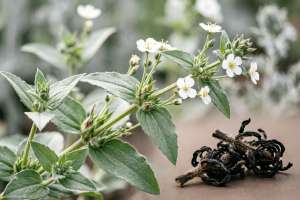
Eclipta Eclipta efficacy and functions
Overview of the efficacy and functions of EcliptaEclipta, also known as Eclipta or Eclipta, is a commonly used medicinal material in traditional Chinese medicine to nourish the liver and kidneys, cool blood and stop bleeding.Its core functions includeNourishes yin and nourishes kidney, blackens beard and hair, stops bleeding and reduces inflammation, the secondary effects involve improving hair loss, relieving gum bleeding and skin eczema.The primary and secondary structure is clear: liver and k
-

View
Function and role of hippocampus
Overview of the functions and functions of the hippocampusSeahorse is a precious marine creature recognized for its many benefits in both traditional medicine and modern research.Its main functions includeReplenishing kidneys and strengthening yang, anti-fatigue, regulating immunity, antioxidantetc., especially the effect of nourishing kidney and replenishing qi is the most prominent.In addition, the hippocampus also plays a certain role in improving blood circulation and relieving neurasthenia.
-
View
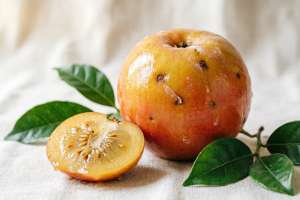
The effects and functions of fragrant fruit
Overview of the effects and functions of fragrant fruitXiangguo, also known as Ligusticum chuanxiong or Shannai, is a plant with both medicinal and edible value, and its rhizomes are often used in traditional Chinese medicine.Its main functions includePromotes blood circulation and removes blood stasis, dispels wind and relieves pain, improves blood circulation, the secondary effects involve relieving headaches, joint pain and women’s menstrual discomfort.The active ingredients of xiangguo, su
-
View
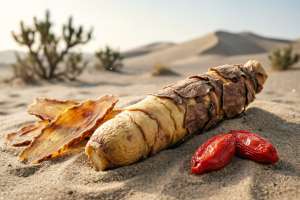
Efficacy and functions of Cistanche deserticola
Overview of the efficacy and functions of Cistanche deserticolaCistanche deserticola, also known as Cistanche deserticola, is a traditional Chinese medicinal material mainly produced in desert areas and is known as "desert ginseng".Its core functions includeReplenishing kidney yang, replenishing essence and blood, moistening intestines and laxative, the secondary effects involve anti-aging, regulating immunity, etc.This article will start from its medicinal value, suitable people, usage methods
-
View
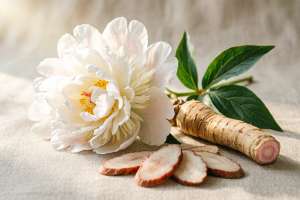
White peony effect and function
Overview of the efficacy and functions of white peony rootWhite peony root is a commonly used blood-nourishing and menstrual-regulating medicine in traditional Chinese medicine.Nourishes blood and softens liver, relieves pain, astringes yin and stops sweatingIt has core functions such as irregular menstruation, hypochondriac pain, spontaneous sweating and night sweats.Its functions can be divided into two categories: primary and secondary:Main functionsIncluding regulating female endocrine, reli
-
View
Efficacy and functions of Wu Hua Xue Teng
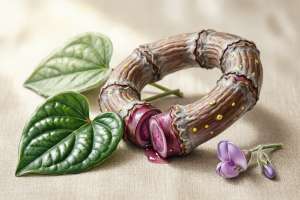
Overview of the efficacy and functions of SpatholobusFive-flowered bloodvine is a traditional Chinese medicinal material, which mainly hasPromotes blood circulation and removes blood stasis, unblocks collaterals to relieve pain, expels wind and removes dampnessIt has other effects and is often used to treat rheumatic arthralgia, bruises and irregular menstruation.Its core function is to promote blood circulation, relieve inflammation and pain, and its secondary functions include assisting in reg
-
View
The efficacy and function of Tianqingdibai
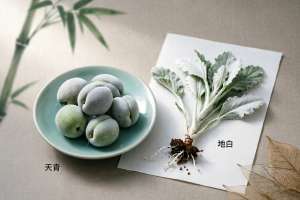
Overview of the efficacy and functions of TianqingdibaiTianqing Dibai is a traditional Chinese medicinal material that has the effects of clearing heat and detoxifying, cooling blood and stopping bleeding, reducing swelling and dissipating stagnation. It is often used to treat sore throat, carbuncle sores, bruises and other diseases.Its main components include flavonoids, organic acids and other active substances. Modern research shows that it has certain anti-inflammatory and antibacterial effe
-
View
The efficacy and functions of wild buckwheat root
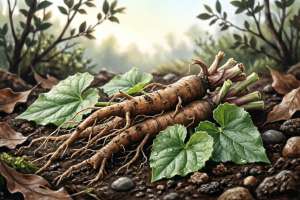
Overview of the efficacy and functions of wild buckwheat rootWild buckwheat root, also known as golden buckwheat, is a traditional Chinese medicinal material that has the functions of clearing heat and detoxifying, activating blood circulation and removing blood stasis, strengthening the spleen and digesting food.Modern research shows that it is rich in active ingredients such as flavonoids and phenolic acids, which has a certain auxiliary effect on respiratory infections, inflammation and diges