
- Current location:Home page >> Traditional Chinese Medicine Prescriptions
Newly added Xiangzhi drink
2026-03-15 17:41:27
Xinjia Xiangzhi Yin: a classic prescription for relieving summer heat and reducing dampness.
Xinjia Xiangzhi Yin is a classic prescription of traditional Chinese medicine for treating summer-heat colds. It is composed of Xiangzhi, Magnolia officinalis, lentils and other medicines. It has the effects of relieving the exterior and dispersing cold, resolving dampness and neutralizing the central nervous system. This article will focus on the four aspects of prescription composition, indications, usage and dosage, and modern applications, focusing on analyzing its mechanism of action for relieving heat and reducing dampness, and interspersed with clinical cases to assist explanations. The secondary content involves comparison with other similar prescriptions and precautions for use.
Prescription composition and efficacy analysis
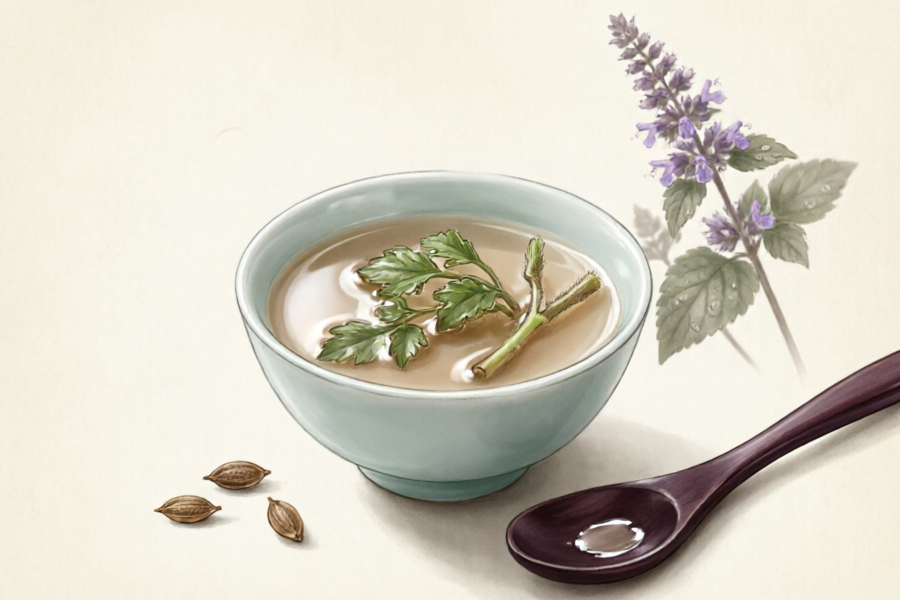
The newly added Xiangzhi Yin is derived from the Treatise on Febrile Diseases and consists of three main herbs: 6g of Xiangzhi, 6g of Magnolia officinalis, and 9g of lentil. Xiangzhi induces sweating, relieves surface heat, dispels heat and reduces dampness, and is known as "Summer Moon Ephedra"; Magnolia officinalis promotes qi and widens the qi, resolves dampness and guides stagnation; lentils strengthens the spleen, resolves dampness, harmonizes the qi and relieves heat. The compatibility of the three medicines forms a unique compatibility feature of relieving symptoms without damaging the body, reducing dampness without adding heat. Modern research shows that this prescription can significantly improve symptoms such as headache, fever, chest tightness and abdominal pain that are common in summer.
Clinical indications and typical manifestations
This prescription is mainly suitable for the superficial syndrome of summer-dampness attack. Typical symptoms include: fever without sweating (most body temperature is between 37.5-38.5°C), headache and body weight (especially characterized by a heavy head as if wrapped around the head), chest tightness and abdominal pain (accompanied by loss of appetite), white and greasy tongue coating, etc. Clinical observation shows that for diseases such as summer air-conditioning disease and summer cold, the symptom relief rate after taking 3 doses can reach more than 75%. Special attention should be paid to distinguishing it from wind-chill cold, which is more common with symptoms such as severe aversion to cold and runny nose.
Modern applications and considerations
In modern clinical practice, Xinjia Xiangzhi Yin is often used for: ① gastrointestinal cold in summer, ② air-conditioning syndrome, ③ summer-dampness diarrhea and other diseases. Recommendations for use: ① The decoction time should not be too long (15 minutes after boiling is enough) ② Stay away from wind for 2 hours after taking the medicine ③ Use with caution for those with spleen and stomach deficiency. Studies have shown that combining this prescription with western medicine to treat summer colds can shorten the course of the disease by 1-2 days (see the table below for details). Pregnant women and those with yin deficiency should use it under the guidance of a physician.
| combined treatment group | Simple western medicine group |
|---|---|
| Average fever defervescence time is 32 hours | 48 hours |
| Symptom relief rate 89% | 72% |
Modern value of classic prescriptions
Xinjia Xiangzhi Yin, as a representative agent for dispelling heat and relieving external symptoms, embodies the therapeutic idea of "adapting measures to the current conditions" of traditional Chinese medicine. Its refined formula and precise curative effect make it still have important application value in contemporary times. When using it, you need to grasp the core pathogenesis of "heat-dampness on the surface" and pay attention to the difference with prescriptions such as Huoxiang Zhengqi Powder. With the deepening of modern research, the mechanism of this prescription in regulating body temperature and improving microcirculation is gradually being revealed, providing scientific basis for the modern application of traditional prescriptions.
Quote sources:
1. "Discrimination of Febrile Diseases" written by Wu Tang in the Qing Dynasty
2. "Traditional Chinese Medicine Prescriptions" People's Medical Publishing House
3. Special topic on prevention and treatment of common diseases in summer 2021 of China Traditional Chinese Medicine Journal
Relevant knowledge
- 2026-04-17Simiao Yong'an Soup
- 2026-04-17Reed Stem Soup
- 2026-04-17Rhubarb and peony soup
- 2026-04-17Xiaojindan
- 2026-04-16Yanghe Tang
- 2026-04-16Toupu Powder
- 2026-04-16Xianfang life-saving drink
- 2026-04-16Guatisan
- 2026-04-15Butaiwan
- 2026-04-15Huachong Pill
- 2026-04-15Umemaru
- 2026-04-15Zhi Shu Wan
- 2026-04-15Jianpiwan
- 2026-04-15Wooden Champagne Balls
- 2026-04-14Zhishi Daozhi Pills
- 2026-04-14Bohe pill
- 2026-04-13Dingxian Pill
- 2026-04-13Pinellia Atractylodes and Tianma Decoction
Chinese medicinal materials
More-

View
The efficacy and function of locust bean
Overview of the efficacy and functions of locust beanSophora bean, also known as Sophora japonica or Sophora japonica, is the mature fruit of Sophora japonica tree, a leguminous plant, and has various medicinal values in traditional medicine.Its main functions includeClears away heat and cools blood, moisturizes intestines and relieves constipation, lowers blood pressure, and resists oxidationetc., suitable for relieving symptoms such as hemorrhoids, bloody stools, and high blood pressure.Modern
-

View
The efficacy and function of Baiziren
Overview of the efficacy and functions of BaizirenBaiziren is the dried and mature seed kernel of Platycladus orientalis, a plant in the Cupressaceae family. Traditional Chinese medicine believes that it is flat in nature and sweet in taste, and can be used to regulate the heart, kidney, and large intestine meridians.Nourish the heart and calm the nerves, moisturize the intestines and relieve constipation, and nourish the liver and kidneysand other effects.Modern research shows that cypress seed
-

View
The efficacy and function of plum slices
Overview of the effects and functions of plum slicesPlum slices, also known as borneol or dipterocarp, is a traditional Chinese medicinal material that has the effects of rejuvenating the mind, clearing away heat and relieving pain, reducing swelling and promoting muscle growth.Its main component is dextroborneol, which is widely used in the fields of medicine, cosmetics and spices.The core functions of plum slices include relieving headaches, anti-inflammatory and sterilizing, promoting wound h
-

View
Efficacy and functions of Kochia bark
Overview of the efficacy and functions of Kochia barkKochia bark, also known as broom seedling, is a commonly used medicinal material in traditional Chinese medicine for clearing away heat and promoting dampness.Diuretic and relieve stranguria, dispel wind and relieve itching, clear away heat and detoxifyand other effects.It mainly acts on urinary system inflammation, skin itching and damp-heat jaundice, and is widely used clinically.Secondary functions include assisting in lowering blood sugar,
-

View
Efficacy and functions of Baiziren
Overview of the efficacy and functions of BaizirenBaiziren is the dried and mature seed kernel of Platycladus orientalis, a plant in the Cupressaceae family. Traditional Chinese medicine believes that it is flat in nature and sweet in taste, and can be used to regulate the heart, kidney, and large intestine meridians.Nourish the heart and calm the nerves, moisturize the intestines and relieve constipation, and nourish the liver and kidneysand other effects.Its main functions include improving sy
-

View
Eclipta Eclipta efficacy and functions
Overview of the efficacy and functions of EcliptaEclipta, also known as Eclipta or Eclipta, is a commonly used medicinal material in traditional Chinese medicine to nourish the liver and kidneys, cool blood and stop bleeding.Its core functions includeNourishes yin and nourishes kidney, blackens beard and hair, stops bleeding and reduces inflammation, the secondary effects involve improving hair loss, relieving gum bleeding and skin eczema.The primary and secondary structure is clear: liver and k
-

View
Function and role of hippocampus
Overview of the functions and functions of the hippocampusSeahorse is a precious marine creature recognized for its many benefits in both traditional medicine and modern research.Its main functions includeReplenishing kidneys and strengthening yang, anti-fatigue, regulating immunity, antioxidantetc., especially the effect of nourishing kidney and replenishing qi is the most prominent.In addition, the hippocampus also plays a certain role in improving blood circulation and relieving neurasthenia.
-

View
The effects and functions of fragrant fruit
Overview of the effects and functions of fragrant fruitXiangguo, also known as Ligusticum chuanxiong or Shannai, is a plant with both medicinal and edible value, and its rhizomes are often used in traditional Chinese medicine.Its main functions includePromotes blood circulation and removes blood stasis, dispels wind and relieves pain, improves blood circulation, the secondary effects involve relieving headaches, joint pain and women’s menstrual discomfort.The active ingredients of xiangguo, su
-

View
Efficacy and functions of Cistanche deserticola
Overview of the efficacy and functions of Cistanche deserticolaCistanche deserticola, also known as Cistanche deserticola, is a traditional Chinese medicinal material mainly produced in desert areas and is known as "desert ginseng".Its core functions includeReplenishing kidney yang, replenishing essence and blood, moistening intestines and laxative, the secondary effects involve anti-aging, regulating immunity, etc.This article will start from its medicinal value, suitable people, usage methods
-

View
White peony effect and function
Overview of the efficacy and functions of white peony rootWhite peony root is a commonly used blood-nourishing and menstrual-regulating medicine in traditional Chinese medicine.Nourishes blood and softens liver, relieves pain, astringes yin and stops sweatingIt has core functions such as irregular menstruation, hypochondriac pain, spontaneous sweating and night sweats.Its functions can be divided into two categories: primary and secondary:Main functionsIncluding regulating female endocrine, reli
-

View
Efficacy and functions of Wu Hua Xue Teng
Overview of the efficacy and functions of SpatholobusFive-flowered bloodvine is a traditional Chinese medicinal material, which mainly hasPromotes blood circulation and removes blood stasis, unblocks collaterals to relieve pain, expels wind and removes dampnessIt has other effects and is often used to treat rheumatic arthralgia, bruises and irregular menstruation.Its core function is to promote blood circulation, relieve inflammation and pain, and its secondary functions include assisting in reg
-
View
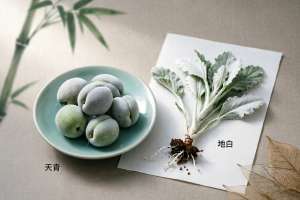
The efficacy and function of Tianqingdibai
Overview of the efficacy and functions of TianqingdibaiTianqing Dibai is a traditional Chinese medicinal material that has the effects of clearing heat and detoxifying, cooling blood and stopping bleeding, reducing swelling and dissipating stagnation. It is often used to treat sore throat, carbuncle sores, bruises and other diseases.Its main components include flavonoids, organic acids and other active substances. Modern research shows that it has certain anti-inflammatory and antibacterial effe