
- Current location:Home page >> Traditional Chinese Medicine Prescriptions
Umemaru
2026-04-15 09:10:29
The following is structured content about Ume Maru generated according to your requirements:
First paragraph: content overview
Wumei Pill is a classic prescription of traditional Chinese medicine, derived from "Treatise on Febrile and Miscellaneous Diseases" and is mainly used for ascariasis syndrome and chronic dysentery. Its core ingredient, black plum, is combined with coptis, dried ginger and other medicinal materials to form a unique combination of cold and heat. Modern research shows that this prescription has the effects of regulating intestinal flora and relieving smooth muscle spasm. This article will focus on its historical origin, prescription principle, clinical application and modern research, focusing on the wisdom of combining its four flavors of "sour, bitter, pungent and sweet".
| Main ingredients | Efficacy | Dosage ratio |
|---|---|---|
| ebony plum | Ascaris analgesic | 30g |
| Coptis chinensis | Clear heat and dry dampness | 6g |
| dried ginger | Warming and dispersing cold | 9g |
Second paragraph: historical origins
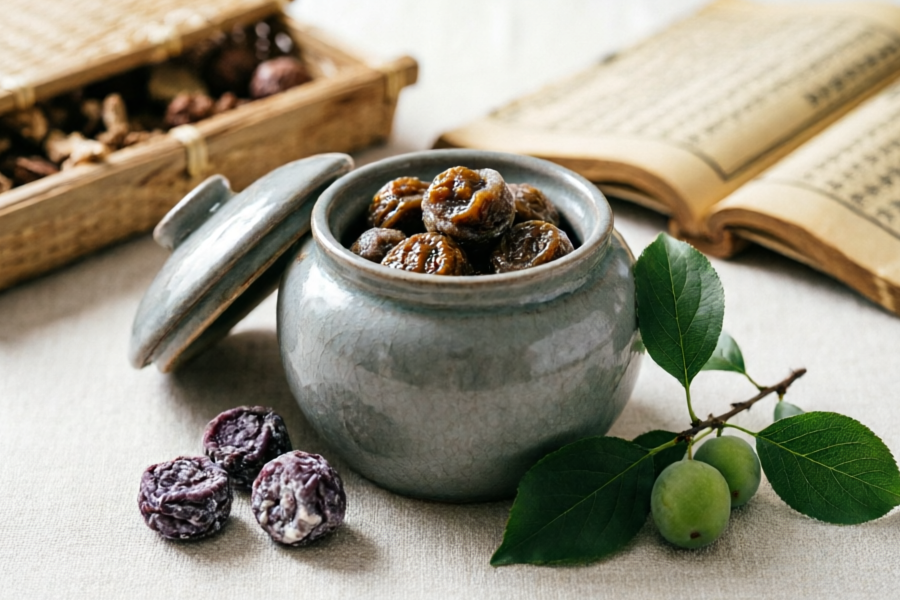
Zhang Zhongjing of the Eastern Han Dynasty first recorded Wumei Wan in "Treatise on Febrile Diseases: Jueyin Disease Chapter", which was originally used to treat "ascariasis, the person should vomit ascariasis". Ke Qin, a famous doctor in the Qing Dynasty, commented: "It uses the combination of cold and heat, and treats both attack and tonic. It is the main prescription for Jueyin syndrome." Modern research found that the black plum used in the Han Dynasty required special processing such as vinegar soaking and steaming. It is worth noting that this recipe uses the key process of soaking ebony plums with bitter wine (vinegar) to enhance the dissolution of acidic components. This ancient pharmaceutical wisdom is still used today.
Paragraph 3: Essentials of compatibility
In the prescription, ebony acid astringes and promotes body fluids. It is combined with Coptis chinensis and Cortex Phellodendron, which are bitter and cold to clear away heat. Dried ginger and aconite are pungent and heat-warming, forming a three-dimensional compatibility of "bitter and sour to relieve heat, pungent and sweet to transform yang". As the "Collection of Medical Prescriptions" says: "Ascaris will be calm if it is sour, subdued if it is pungent, and will be depressed if it is bitter." Modern pharmacology has confirmed that the citric acid in ebony can change the pH value of the intestines and cause the roundworms to exit the bile duct; while the volatile oil contained in Zanthoxylum bungeanum has an obvious anthelmintic effect. This traditional theory is mutually confirmed with modern science.
Paragraph 4: Modern Applications
A study by the China Academy of Chinese Medical Sciences found that the effective rate of modified Wumei Pills in treating chronic colitis can reach 82.3% (data from "Journal of Traditional Chinese Medicine" 2019). In the treatment of biliary ascariasis, combined with acupuncture, the pain relief time can be shortened to 15-30 minutes. It should be noted that pregnant women and patients with gastric ulcers should use it with caution and avoid eating cold, greasy food while taking the medicine. Lu Zhizheng, a master of traditional Chinese medicine, specifically pointed out: "To use this prescription, you need to grasp the complex pathogenesis of cold and heat, and it is not a simple anthelmintic."
Paragraph 5: Summary and extension
Wumei Pill has been proven for thousands of years, and its formulation concept embodies the core theory of "reconciling yin and yang" of traditional Chinese medicine. In modern times, it is not only used for parasitic diseases, but also shows new value in diseases such as functional dyspepsia and diabetic gastroparesis. As mentioned in the textbook "Prescription Science": "This prescription pioneered the method of treating ascariasis, and its compatibility model of using both cold and heat has a profound impact on future generations." It is recommended that users adjust the compatibility ratio according to specific syndromes under the guidance of a physician.
Quote sources:
1. "Treatise on Febrile Diseases" by Zhang Zhongjing of the Eastern Han Dynasty
2. "Collection of Medical Prescriptions" by Wang Ang, Qing Dynasty
3. "Lu Zhizheng Medical Case Collection" Modern·Lu Zhizheng
4. China Academy of Chinese Medical Sciences 2019 Clinical Research Report
Relevant knowledge
- 2026-04-17Simiao Yong'an Soup
- 2026-04-17Reed Stem Soup
- 2026-04-17Rhubarb and peony soup
- 2026-04-17Xiaojindan
- 2026-04-16Yanghe Tang
- 2026-04-16Toupu Powder
- 2026-04-16Xianfang life-saving drink
- 2026-04-16Guatisan
- 2026-04-15Butaiwan
- 2026-04-15Huachong Pill
- 2026-04-15Umemaru
- 2026-04-15Zhi Shu Wan
- 2026-04-15Jianpiwan
- 2026-04-15Wooden Champagne Balls
- 2026-04-14Zhishi Daozhi Pills
- 2026-04-14Bohe pill
- 2026-04-13Dingxian Pill
- 2026-04-13Pinellia Atractylodes and Tianma Decoction
Chinese medicinal materials
More-
View
The efficacy and function of Baiziren
Overview of the efficacy and functions of BaizirenBaiziren is the dried and mature seed kernel of Platycladus orientalis, a plant in the Cupressaceae family. Traditional Chinese medicine believes that it is flat in nature and sweet in taste, and can be used to regulate the heart, kidney, and large intestine meridians.Nourish the heart and calm the nerves, moisturize the intestines and relieve constipation, and nourish the liver and kidneysand other effects.Modern research shows that cypress seed
-
View
The efficacy and function of plum slices
Overview of the effects and functions of plum slicesPlum slices, also known as borneol or dipterocarp, is a traditional Chinese medicinal material that has the effects of rejuvenating the mind, clearing away heat and relieving pain, reducing swelling and promoting muscle growth.Its main component is dextroborneol, which is widely used in the fields of medicine, cosmetics and spices.The core functions of plum slices include relieving headaches, anti-inflammatory and sterilizing, promoting wound h
-
View
Efficacy and functions of Kochia bark
Overview of the efficacy and functions of Kochia barkKochia bark, also known as broom seedling, is a commonly used medicinal material in traditional Chinese medicine for clearing away heat and promoting dampness.Diuretic and relieve stranguria, dispel wind and relieve itching, clear away heat and detoxifyand other effects.It mainly acts on urinary system inflammation, skin itching and damp-heat jaundice, and is widely used clinically.Secondary functions include assisting in lowering blood sugar,
-
View
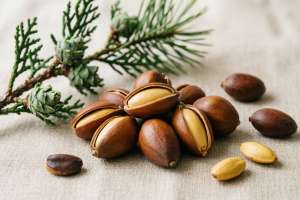
Efficacy and functions of Baiziren
Overview of the efficacy and functions of BaizirenBaiziren is the dried and mature seed kernel of Platycladus orientalis, a plant in the Cupressaceae family. Traditional Chinese medicine believes that it is flat in nature and sweet in taste, and can be used to regulate the heart, kidney, and large intestine meridians.Nourish the heart and calm the nerves, moisturize the intestines and relieve constipation, and nourish the liver and kidneysand other effects.Its main functions include improving sy
-
View
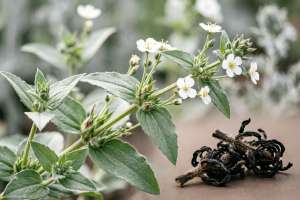
Eclipta Eclipta efficacy and functions
Overview of the efficacy and functions of EcliptaEclipta, also known as Eclipta or Eclipta, is a commonly used medicinal material in traditional Chinese medicine to nourish the liver and kidneys, cool blood and stop bleeding.Its core functions includeNourishes yin and nourishes kidney, blackens beard and hair, stops bleeding and reduces inflammation, the secondary effects involve improving hair loss, relieving gum bleeding and skin eczema.The primary and secondary structure is clear: liver and k
-

View
Function and role of hippocampus
Overview of the functions and functions of the hippocampusSeahorse is a precious marine creature recognized for its many benefits in both traditional medicine and modern research.Its main functions includeReplenishing kidneys and strengthening yang, anti-fatigue, regulating immunity, antioxidantetc., especially the effect of nourishing kidney and replenishing qi is the most prominent.In addition, the hippocampus also plays a certain role in improving blood circulation and relieving neurasthenia.
-
View
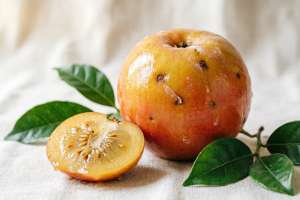
The effects and functions of fragrant fruit
Overview of the effects and functions of fragrant fruitXiangguo, also known as Ligusticum chuanxiong or Shannai, is a plant with both medicinal and edible value, and its rhizomes are often used in traditional Chinese medicine.Its main functions includePromotes blood circulation and removes blood stasis, dispels wind and relieves pain, improves blood circulation, the secondary effects involve relieving headaches, joint pain and women’s menstrual discomfort.The active ingredients of xiangguo, su
-
View
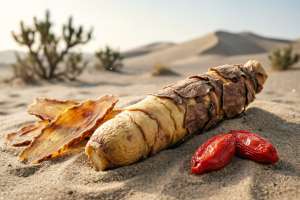
Efficacy and functions of Cistanche deserticola
Overview of the efficacy and functions of Cistanche deserticolaCistanche deserticola, also known as Cistanche deserticola, is a traditional Chinese medicinal material mainly produced in desert areas and is known as "desert ginseng".Its core functions includeReplenishing kidney yang, replenishing essence and blood, moistening intestines and laxative, the secondary effects involve anti-aging, regulating immunity, etc.This article will start from its medicinal value, suitable people, usage methods
-
View
White peony effect and function
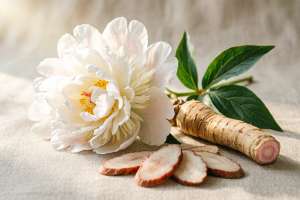
Overview of the efficacy and functions of white peony rootWhite peony root is a commonly used blood-nourishing and menstrual-regulating medicine in traditional Chinese medicine.Nourishes blood and softens liver, relieves pain, astringes yin and stops sweatingIt has core functions such as irregular menstruation, hypochondriac pain, spontaneous sweating and night sweats.Its functions can be divided into two categories: primary and secondary:Main functionsIncluding regulating female endocrine, reli
-
View
Efficacy and functions of Wu Hua Xue Teng
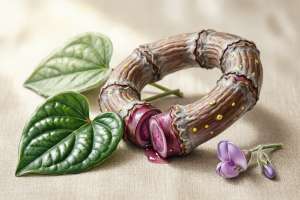
Overview of the efficacy and functions of SpatholobusFive-flowered bloodvine is a traditional Chinese medicinal material, which mainly hasPromotes blood circulation and removes blood stasis, unblocks collaterals to relieve pain, expels wind and removes dampnessIt has other effects and is often used to treat rheumatic arthralgia, bruises and irregular menstruation.Its core function is to promote blood circulation, relieve inflammation and pain, and its secondary functions include assisting in reg
-
View
The efficacy and function of Tianqingdibai
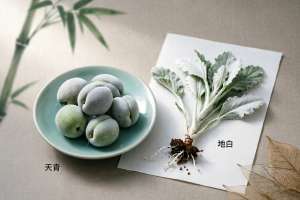
Overview of the efficacy and functions of TianqingdibaiTianqing Dibai is a traditional Chinese medicinal material that has the effects of clearing heat and detoxifying, cooling blood and stopping bleeding, reducing swelling and dissipating stagnation. It is often used to treat sore throat, carbuncle sores, bruises and other diseases.Its main components include flavonoids, organic acids and other active substances. Modern research shows that it has certain anti-inflammatory and antibacterial effe
-

View
The efficacy and functions of wild buckwheat root
Overview of the efficacy and functions of wild buckwheat rootWild buckwheat root, also known as golden buckwheat, is a traditional Chinese medicinal material that has the functions of clearing heat and detoxifying, activating blood circulation and removing blood stasis, strengthening the spleen and digesting food.Modern research shows that it is rich in active ingredients such as flavonoids and phenolic acids, which has a certain auxiliary effect on respiratory infections, inflammation and diges