
- Current location:Home page >> Traditional Chinese Medicine Prescriptions
Xiaojiyinzi
2026-04-03 19:53:27
Overview of Xiaojiyinzi
Xiaojiyinzi is one of the classic prescriptions of traditional Chinese medicine. It is mainly used to cool blood and stop bleeding, clear away heat and diuresis. It is suitable for symptoms such as hematuria and hematochezia caused by excessive blood heat. The prescription uses thistle as the main ingredient, combined with raw rehmannia glutinosa, talc and other medicinal materials, and has the dual functions of hemostasis and heat-clearing. The content structure is divided into: source and composition of prescriptions (main), efficacy and indications (secondary), modern applications and precautions (auxiliary). The full text focuses on its pharmacological effects and clinical value to avoid deviating from the topic.
Analysis of the origin and composition of the prescription
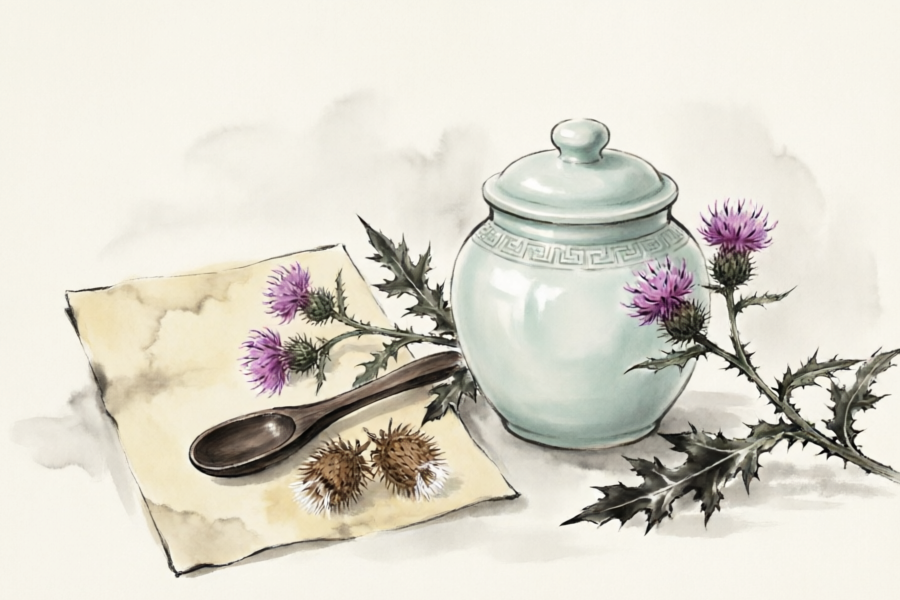
Xiaojiyinzi comes from "Medicine Zhongshenxilu", written byThistle, Rehmannia glutinosa, talc, Akebia, Puhuang, lotus root knot, light bamboo leaves, angelica, gardenia, licoriceComposed of ten herbs. Thistle is a royal medicine, cooling blood and stopping bleeding; Rehmannia glutinosa nourishes yin and clears heat, and talc is a diuretic and relieves stranguria. The combination reflects the characteristics of "stopping bleeding without leaving blood stasis". This prescription should be boiled in water and taken. The traditional usage emphasizes "take it decoction for acute cases and take it as pills for mild cases". Modern research has confirmed that its ingredients have anti-inflammatory and regulating capillary permeability effects.
Detailed explanation of efficacy and indications
The core functions of Xiaojiyinzi are:Cool blood to stop bleeding, clear away heat and relieve stranguria, it is mainly used to treat hematuria and bloody stranguria (astringent, painful and bloody urine) caused by lower Jiao-heat knot, and also treats hematochezia and metrorrhagia. Its indications overlap with some of the symptoms of "acute cystitis" and "urinary tract stones" in Western medicine, but it needs to be used based on syndrome differentiation. For example, it is suitable for those with hematuria, red tongue, yellow coating and rapid pulse, but it is contraindicated for bleeding due to deficiency and cold. Clinical cases show that combined antibiotics can shorten the course of the disease (physician guidance is required).
Modern applications and considerations
Modern use of Xiaojiyinzi has been expanded toDiabetic nephropathy early stage,allergic purpuraetc., but dosage or compatibility needs to be adjusted. Please note when using: Pregnant women should use with caution, and those with spleen deficiency and loose stools should not take it; long-term use may damage stomach qi, so it is recommended to take it after meals. Pharmacological studies have shown that gardenia and licorice in the prescription have hepatoprotective effects, but excessive amounts of Akebia may cause kidney damage, so the standards of the Chinese Pharmacopoeia must be strictly followed.
Summary and practical suggestions
Xiaojiyinzi is a commonly used prescription for blood syndrome, which embodies the treatment principle of "heat is treated with cold" of traditional Chinese medicine. Its advantage is that it can stop bleeding and clear away heat, but it requires accurate syndrome differentiation. It is recommended that patients use it under the guidance of a physician and avoid mixing it on their own. It can be used daily with light meals (such as winter melon and pears) to assist in the curative effect. Future research may focus on its anti-inflammatory mechanism and dosage form improvement to improve clinical convenience.
| data item | content |
| Source of prescription | "Records of Chinese Medicine and Western References" (Zhang Xichun) |
| Main drug dosage | Thistle 15g (original recipe reference) |
| modern applied research | "Chinese Patent Medicine" (2018) records that its effective rate is 83.7% |
Citing sources: 1. "Medical Zhongshen Xilu" Zhang Xichun; 2. "Chinese Patent Medicine" 2018 Issue 4; 3. "Chinese Pharmacopoeia" 2020 edition.
Relevant knowledge
- 2026-04-17Simiao Yong'an Soup
- 2026-04-17Reed Stem Soup
- 2026-04-17Rhubarb and peony soup
- 2026-04-17Xiaojindan
- 2026-04-16Yanghe Tang
- 2026-04-16Toupu Powder
- 2026-04-16Xianfang life-saving drink
- 2026-04-16Guatisan
- 2026-04-15Butaiwan
- 2026-04-15Huachong Pill
- 2026-04-15Umemaru
- 2026-04-15Zhi Shu Wan
- 2026-04-15Jianpiwan
- 2026-04-15Wooden Champagne Balls
- 2026-04-14Zhishi Daozhi Pills
- 2026-04-14Bohe pill
- 2026-04-13Dingxian Pill
- 2026-04-13Pinellia Atractylodes and Tianma Decoction
Chinese medicinal materials
More-
View
The efficacy and function of Baiziren
Overview of the efficacy and functions of BaizirenBaiziren is the dried and mature seed kernel of Platycladus orientalis, a plant in the Cupressaceae family. Traditional Chinese medicine believes that it is flat in nature and sweet in taste, and can be used to regulate the heart, kidney, and large intestine meridians.Nourish the heart and calm the nerves, moisturize the intestines and relieve constipation, and nourish the liver and kidneysand other effects.Modern research shows that cypress seed
-
View
The efficacy and function of plum slices
Overview of the effects and functions of plum slicesPlum slices, also known as borneol or dipterocarp, is a traditional Chinese medicinal material that has the effects of rejuvenating the mind, clearing away heat and relieving pain, reducing swelling and promoting muscle growth.Its main component is dextroborneol, which is widely used in the fields of medicine, cosmetics and spices.The core functions of plum slices include relieving headaches, anti-inflammatory and sterilizing, promoting wound h
-
View
Efficacy and functions of Kochia bark
Overview of the efficacy and functions of Kochia barkKochia bark, also known as broom seedling, is a commonly used medicinal material in traditional Chinese medicine for clearing away heat and promoting dampness.Diuretic and relieve stranguria, dispel wind and relieve itching, clear away heat and detoxifyand other effects.It mainly acts on urinary system inflammation, skin itching and damp-heat jaundice, and is widely used clinically.Secondary functions include assisting in lowering blood sugar,
-
View
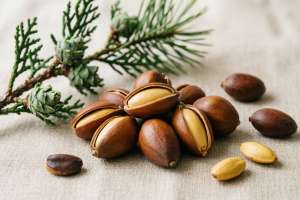
Efficacy and functions of Baiziren
Overview of the efficacy and functions of BaizirenBaiziren is the dried and mature seed kernel of Platycladus orientalis, a plant in the Cupressaceae family. Traditional Chinese medicine believes that it is flat in nature and sweet in taste, and can be used to regulate the heart, kidney, and large intestine meridians.Nourish the heart and calm the nerves, moisturize the intestines and relieve constipation, and nourish the liver and kidneysand other effects.Its main functions include improving sy
-
View
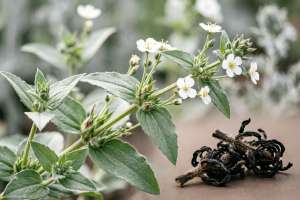
Eclipta Eclipta efficacy and functions
Overview of the efficacy and functions of EcliptaEclipta, also known as Eclipta or Eclipta, is a commonly used medicinal material in traditional Chinese medicine to nourish the liver and kidneys, cool blood and stop bleeding.Its core functions includeNourishes yin and nourishes kidney, blackens beard and hair, stops bleeding and reduces inflammation, the secondary effects involve improving hair loss, relieving gum bleeding and skin eczema.The primary and secondary structure is clear: liver and k
-

View
Function and role of hippocampus
Overview of the functions and functions of the hippocampusSeahorse is a precious marine creature recognized for its many benefits in both traditional medicine and modern research.Its main functions includeReplenishing kidneys and strengthening yang, anti-fatigue, regulating immunity, antioxidantetc., especially the effect of nourishing kidney and replenishing qi is the most prominent.In addition, the hippocampus also plays a certain role in improving blood circulation and relieving neurasthenia.
-
View
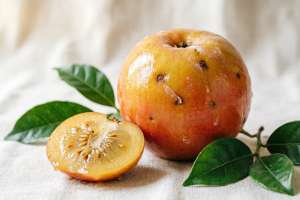
The effects and functions of fragrant fruit
Overview of the effects and functions of fragrant fruitXiangguo, also known as Ligusticum chuanxiong or Shannai, is a plant with both medicinal and edible value, and its rhizomes are often used in traditional Chinese medicine.Its main functions includePromotes blood circulation and removes blood stasis, dispels wind and relieves pain, improves blood circulation, the secondary effects involve relieving headaches, joint pain and women’s menstrual discomfort.The active ingredients of xiangguo, su
-
View
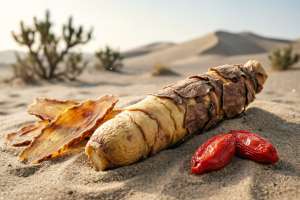
Efficacy and functions of Cistanche deserticola
Overview of the efficacy and functions of Cistanche deserticolaCistanche deserticola, also known as Cistanche deserticola, is a traditional Chinese medicinal material mainly produced in desert areas and is known as "desert ginseng".Its core functions includeReplenishing kidney yang, replenishing essence and blood, moistening intestines and laxative, the secondary effects involve anti-aging, regulating immunity, etc.This article will start from its medicinal value, suitable people, usage methods
-
View
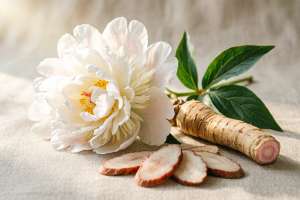
White peony effect and function
Overview of the efficacy and functions of white peony rootWhite peony root is a commonly used blood-nourishing and menstrual-regulating medicine in traditional Chinese medicine.Nourishes blood and softens liver, relieves pain, astringes yin and stops sweatingIt has core functions such as irregular menstruation, hypochondriac pain, spontaneous sweating and night sweats.Its functions can be divided into two categories: primary and secondary:Main functionsIncluding regulating female endocrine, reli
-
View
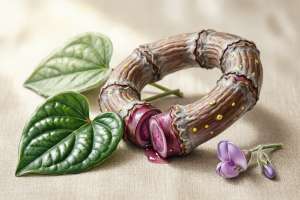
Efficacy and functions of Wu Hua Xue Teng
Overview of the efficacy and functions of SpatholobusFive-flowered bloodvine is a traditional Chinese medicinal material, which mainly hasPromotes blood circulation and removes blood stasis, unblocks collaterals to relieve pain, expels wind and removes dampnessIt has other effects and is often used to treat rheumatic arthralgia, bruises and irregular menstruation.Its core function is to promote blood circulation, relieve inflammation and pain, and its secondary functions include assisting in reg
-
View
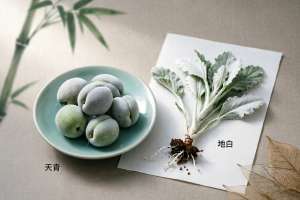
The efficacy and function of Tianqingdibai
Overview of the efficacy and functions of TianqingdibaiTianqing Dibai is a traditional Chinese medicinal material that has the effects of clearing heat and detoxifying, cooling blood and stopping bleeding, reducing swelling and dissipating stagnation. It is often used to treat sore throat, carbuncle sores, bruises and other diseases.Its main components include flavonoids, organic acids and other active substances. Modern research shows that it has certain anti-inflammatory and antibacterial effe
-
View
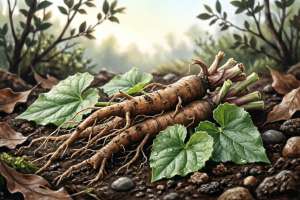
The efficacy and functions of wild buckwheat root
Overview of the efficacy and functions of wild buckwheat rootWild buckwheat root, also known as golden buckwheat, is a traditional Chinese medicinal material that has the functions of clearing heat and detoxifying, activating blood circulation and removing blood stasis, strengthening the spleen and digesting food.Modern research shows that it is rich in active ingredients such as flavonoids and phenolic acids, which has a certain auxiliary effect on respiratory infections, inflammation and diges