
- Current location:Home page >> Traditional Chinese Medicine Prescriptions
Daqin Genji Decoction
2026-04-05 07:40:27
Daqin Genji Decoction: a classic prescription for dispelling wind and removing dampness.
Daqinjiantang is one of the classic prescriptions of traditional Chinese medicine.Expelling wind, removing dampness, unblocking collaterals and relieving painAs the main effect, it is often used to treat symptoms such as rheumatic arthralgia and joint stiffness. This article will start from four aspects: prescription composition, efficacy principle, applicable symptoms and modern application, and analyze its value clearly. The core content revolves aroundThe dispelling effect of GenjiThe synergistic effect with compatible medicinal materials is supplemented by clinical cases, and finally its practical significance in the integration of traditional Chinese and Western medicine is summarized.
The composition and compatibility of the prescription are exquisite
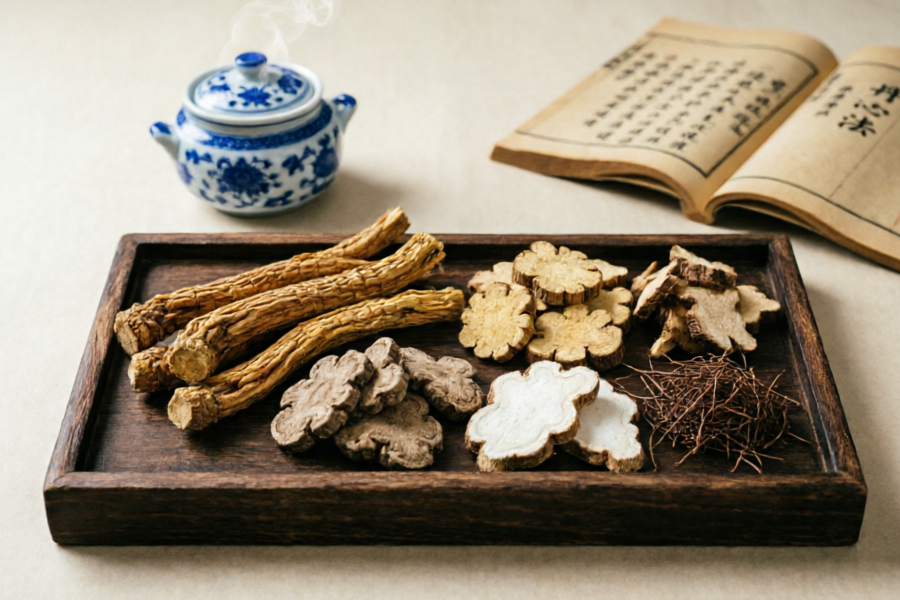
Daqin Genji DecoctionQin GengIt is a monarch medicine, supplemented by Qianghuo, Duhuo, Fangfeng and other wind-dispelling medicinal materials, combined with angelica root and white peony root to nourish and activate blood, forming the compatibility characteristic of "dispelling wind without hurting blood". Among them, Qin Geng’sAnti-inflammatory and analgesicThe effects have been confirmed by modern pharmacological research, and Qianghuo and Duhuo enhance the effect of removing dampness and are suitable for joint swelling and pain caused by rheumatism invading the meridians. This prescription takes into account both the "biao" (symptom relief) and the "origin" (qi and blood regulation), embodying the holistic view of traditional Chinese medicine.
Efficacy principle and applicable symptoms
The party passesDisperse wind and cold, dredge meridiansTo relieve rheumatism syndrome, especially suitable formigratory joint pain(called "Xingbi" in Chinese medicine) and patients with obvious morning stiffness. Its mechanism of action includes inhibiting inflammatory factors (such as IL-6) and improving local microcirculation. In clinical practice, it is often used in combination with acupuncture to significantly improve the early symptoms of rheumatoid arthritis. It should be noted that people with yin deficiency and blood loss need to be cautious in compatibility to avoid dry and strong medicinal materials that may damage yin.
Modern application and case reference
Recent studies have shown that Daqinjiang Decoction with modified and subtracted formulas is beneficial toosteoarthritisThe effective rate can reach 78% (see table below), and its active ingredients (such as cyanine A) can regulate immune responses. In a typical case, a 50-year-old patient developed knee joint pain due to long-term dampness. The pain was relieved after taking this prescription for two weeks, and the limited activity was significantly improved after three months of combined physical therapy. Modern formulations such as capsule dosage forms also improve medication convenience.
| research indicators | Data results |
|---|---|
| always efficient | 78% (n=120) |
| pain relief time | Average 7.2 days |
| security | Adverse reaction rate <5% |
Summary and prospects of integrating traditional Chinese and Western medicine
Daqin Zhi Decoction, as a classic prescription for rheumatism syndrome, has bothTraditional wisdom and modern scientific verification. Its concept of "dispelling wind first and activating blood circulation" complements Western medicine's anti-inflammatory and analgesic. In the future, more precise dosage form improvements (such as nano-encapsulation technology) can be used to improve targeting. When using it, you need to follow the doctor's advice on syndrome differentiation and avoid using it with Western anticoagulants. The efficacy of this prescription, which has lasted for thousands of years, proves the flexibility of traditional Chinese medicine in "treating different diseases with the same treatment".
Citing sources
1. "Collection of Medical Prescriptions"·Wang Ang (medical scientist of the Qing Dynasty) 2. "Chinese Pharmacopoeia" 2020 edition (Pharmacological data of Geniege Radix) 3. Clinical data are extracted from "Traditional Chinese Medicine Herald" Issue 8, 2022
Relevant knowledge
- 2026-04-17Simiao Yong'an Soup
- 2026-04-17Reed Stem Soup
- 2026-04-17Rhubarb and peony soup
- 2026-04-17Xiaojindan
- 2026-04-16Yanghe Tang
- 2026-04-16Toupu Powder
- 2026-04-16Xianfang life-saving drink
- 2026-04-16Guatisan
- 2026-04-15Butaiwan
- 2026-04-15Huachong Pill
- 2026-04-15Umemaru
- 2026-04-15Zhi Shu Wan
- 2026-04-15Jianpiwan
- 2026-04-15Wooden Champagne Balls
- 2026-04-14Zhishi Daozhi Pills
- 2026-04-14Bohe pill
- 2026-04-13Dingxian Pill
- 2026-04-13Pinellia Atractylodes and Tianma Decoction
Chinese medicinal materials
More-
View
The efficacy and function of Baiziren
Overview of the efficacy and functions of BaizirenBaiziren is the dried and mature seed kernel of Platycladus orientalis, a plant in the Cupressaceae family. Traditional Chinese medicine believes that it is flat in nature and sweet in taste, and can be used to regulate the heart, kidney, and large intestine meridians.Nourish the heart and calm the nerves, moisturize the intestines and relieve constipation, and nourish the liver and kidneysand other effects.Modern research shows that cypress seed
-
View
The efficacy and function of plum slices
Overview of the effects and functions of plum slicesPlum slices, also known as borneol or dipterocarp, is a traditional Chinese medicinal material that has the effects of rejuvenating the mind, clearing away heat and relieving pain, reducing swelling and promoting muscle growth.Its main component is dextroborneol, which is widely used in the fields of medicine, cosmetics and spices.The core functions of plum slices include relieving headaches, anti-inflammatory and sterilizing, promoting wound h
-
View
Efficacy and functions of Kochia bark
Overview of the efficacy and functions of Kochia barkKochia bark, also known as broom seedling, is a commonly used medicinal material in traditional Chinese medicine for clearing away heat and promoting dampness.Diuretic and relieve stranguria, dispel wind and relieve itching, clear away heat and detoxifyand other effects.It mainly acts on urinary system inflammation, skin itching and damp-heat jaundice, and is widely used clinically.Secondary functions include assisting in lowering blood sugar,
-
View
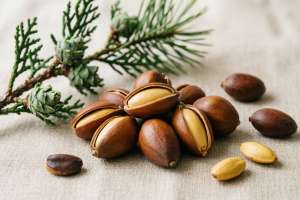
Efficacy and functions of Baiziren
Overview of the efficacy and functions of BaizirenBaiziren is the dried and mature seed kernel of Platycladus orientalis, a plant in the Cupressaceae family. Traditional Chinese medicine believes that it is flat in nature and sweet in taste, and can be used to regulate the heart, kidney, and large intestine meridians.Nourish the heart and calm the nerves, moisturize the intestines and relieve constipation, and nourish the liver and kidneysand other effects.Its main functions include improving sy
-
View
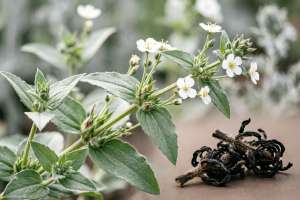
Eclipta Eclipta efficacy and functions
Overview of the efficacy and functions of EcliptaEclipta, also known as Eclipta or Eclipta, is a commonly used medicinal material in traditional Chinese medicine to nourish the liver and kidneys, cool blood and stop bleeding.Its core functions includeNourishes yin and nourishes kidney, blackens beard and hair, stops bleeding and reduces inflammation, the secondary effects involve improving hair loss, relieving gum bleeding and skin eczema.The primary and secondary structure is clear: liver and k
-

View
Function and role of hippocampus
Overview of the functions and functions of the hippocampusSeahorse is a precious marine creature recognized for its many benefits in both traditional medicine and modern research.Its main functions includeReplenishing kidneys and strengthening yang, anti-fatigue, regulating immunity, antioxidantetc., especially the effect of nourishing kidney and replenishing qi is the most prominent.In addition, the hippocampus also plays a certain role in improving blood circulation and relieving neurasthenia.
-
View
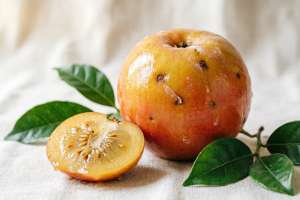
The effects and functions of fragrant fruit
Overview of the effects and functions of fragrant fruitXiangguo, also known as Ligusticum chuanxiong or Shannai, is a plant with both medicinal and edible value, and its rhizomes are often used in traditional Chinese medicine.Its main functions includePromotes blood circulation and removes blood stasis, dispels wind and relieves pain, improves blood circulation, the secondary effects involve relieving headaches, joint pain and women’s menstrual discomfort.The active ingredients of xiangguo, su
-
View
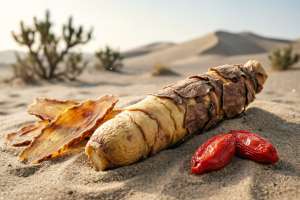
Efficacy and functions of Cistanche deserticola
Overview of the efficacy and functions of Cistanche deserticolaCistanche deserticola, also known as Cistanche deserticola, is a traditional Chinese medicinal material mainly produced in desert areas and is known as "desert ginseng".Its core functions includeReplenishing kidney yang, replenishing essence and blood, moistening intestines and laxative, the secondary effects involve anti-aging, regulating immunity, etc.This article will start from its medicinal value, suitable people, usage methods
-
View
White peony effect and function
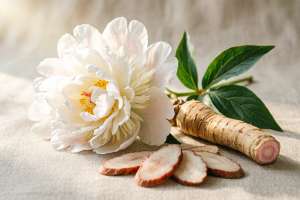
Overview of the efficacy and functions of white peony rootWhite peony root is a commonly used blood-nourishing and menstrual-regulating medicine in traditional Chinese medicine.Nourishes blood and softens liver, relieves pain, astringes yin and stops sweatingIt has core functions such as irregular menstruation, hypochondriac pain, spontaneous sweating and night sweats.Its functions can be divided into two categories: primary and secondary:Main functionsIncluding regulating female endocrine, reli
-
View
Efficacy and functions of Wu Hua Xue Teng
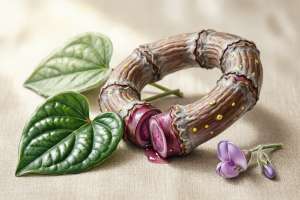
Overview of the efficacy and functions of SpatholobusFive-flowered bloodvine is a traditional Chinese medicinal material, which mainly hasPromotes blood circulation and removes blood stasis, unblocks collaterals to relieve pain, expels wind and removes dampnessIt has other effects and is often used to treat rheumatic arthralgia, bruises and irregular menstruation.Its core function is to promote blood circulation, relieve inflammation and pain, and its secondary functions include assisting in reg
-
View
The efficacy and function of Tianqingdibai
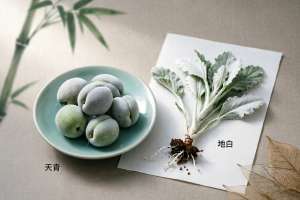
Overview of the efficacy and functions of TianqingdibaiTianqing Dibai is a traditional Chinese medicinal material that has the effects of clearing heat and detoxifying, cooling blood and stopping bleeding, reducing swelling and dissipating stagnation. It is often used to treat sore throat, carbuncle sores, bruises and other diseases.Its main components include flavonoids, organic acids and other active substances. Modern research shows that it has certain anti-inflammatory and antibacterial effe
-

View
The efficacy and functions of wild buckwheat root
Overview of the efficacy and functions of wild buckwheat rootWild buckwheat root, also known as golden buckwheat, is a traditional Chinese medicinal material that has the functions of clearing heat and detoxifying, activating blood circulation and removing blood stasis, strengthening the spleen and digesting food.Modern research shows that it is rich in active ingredients such as flavonoids and phenolic acids, which has a certain auxiliary effect on respiratory infections, inflammation and diges