
- Current location:Home page >> health information
What is a mental health scale?
2026-04-29 01:11:32
mental health scaleIt is a scientific tool used to assess an individual's mental health. It is usually designed by psychology experts and contains a series of standardized questions or statements to quantify the psychological state of the subject through his/her answers. Common scales includeSelf-rating depression scale (SDS),Self-rating anxiety scale (SAS)andSymptom Self-Rating Scale (SCL-90)Wait. These scales are widely used in clinical diagnosis, psychological counseling and scientific research to help professionals quickly understand individual emotional, stress or behavioral problems. Its core function isScreening for potential psychological problems, rather than a direct diagnosis, it needs to be further confirmed through professional interviews.
mental health scaleDesign principlesBased on psychological theory and statistical validation. For example, the SDS assesses the degree of depression through 20 questions. Each question is scored on a scale of 1-4. The total score is multiplied by 1.25 to obtain a standard score. A score of 50 or above indicates the possibility of depressive tendencies (Zung, 1965). The advantage of this type of scale is thatEasy to operateandlow cost, but please note its limitations: subjects may affect the results due to subjective bias. At present, most commonly used mental health scales at home and abroad are developed by universities or medical institutions, such as Peking University’s"Chinese Mental Health Scale", some companies will also produce supporting electronic assessment systems.
In practical applications, mental health scales are often used in conjunction with other assessment tools. For example, in the early stages of psychological counseling, SCL-90 can quickly screen the client’sSomatization, obsessive-compulsive symptoms9 types of questions (Derogatis, 1975), followed by in-depth assessment through professional tools such as the Hamilton Depression Rating Scale (HAMD). Some scales have also been derived from versions targeted at specific groups, such asChild Behavior Checklist (CBCL)orElderly Mental Health Scale. It is worth noting that scales in different cultural backgrounds need to be localized and revised. For example, the English version of PHQ-9 needs to be adjusted in the Chinese context.

With the development of digitalization, mental health scales are gradually shifting from paper versions toOnline assessment platform. Some domestic companies such as "Heinfang" provide digital versions of SCL-90, while medical institutions mostly use customized evaluation systems. But no matter how the form changes, the scale'sReliability and validityAlways the key metric. Taking the widely used GAD-7 anxiety scale as an example, its Cronbach's α coefficient needs to be above 0.8 to be considered reliable (Spitzer et al., 2006). When selecting a scale, users should give priority to versions certified by authoritative organizations and avoid using unverified network tests.
As a "thermometer" of mental health, the mental health scale provides an important reference for early detection of problems. But it needs to be clear:Scale results do not equal diagnosis, an SDS score of 50 may indicate the need for professional help rather than a diagnosis of depression. In the future, with the intervention of artificial intelligence technology, the scale may be combined with speech recognition, facial expression analysis and other technologies to achieve a more three-dimensional mental state assessment. Currently, organizations such as the American Psychological Association (APA) are promoting the development of digital assessment standards to ensure the standardized use of such tools.
| Common mental health scales | Applicable fields | Developer/Institution |
|---|---|---|
| SDS self-rating depression scale | Screening for depressive symptoms | Zung(1965) |
| SCL-90 Symptom Self-Rating Scale | Multidimensional mental health assessment | Derogatis(1975) |
| GAD-7 Generalized Anxiety Scale | Anxiety symptom screening | Spitzer et al. (2006) |
Data source:
1. Zung WWK. A Self-Rating Depression Scale. Arch Gen Psychiatry. 1965.
2. Derogatis LR. SCL-90-R: Administration, scoring and procedures manual. Johns Hopkins University. 1975.
3. Wang Jianping. China Mental Health Scale Compilation Report. Peking University Press. 2012.
Relevant knowledge
- 2026-10-01How do women take care of their skin scientifically?
- 2026-10-01What is female beauty?
- 2026-09-30How can women supplement calcium scientifically?
- 2026-09-30What is calcium supplementation?
- 2026-09-30How often should bone density checks be done?
- 2026-09-29How to prevent osteoporosis?
- 2026-09-29Why are women prone to osteoporosis?
- 2026-09-29What is osteoporosis?
- 2026-09-28Is hormone replacement therapy safe?
- 2026-09-28What is hormone replacement therapy?
- 2026-09-28How to manage menopause?
- 2026-09-28What are the symptoms of menopause?
- 2026-09-28What is menopause?
- 2026-09-28What does a postpartum review include?
- 2026-09-27What is a postpartum review?
- 2026-09-27Is pelvic floor muscle repair necessary?
- 2026-09-27What is postpartum pelvic floor muscle repair?
- 2026-09-27How to lose weight scientifically after giving birth?
Chinese medicinal materials
More-

View
The efficacy and function of purple beads
Overview of the efficacy and functions of purple beadsPurpurea is a plant with medicinal value. Its leaves, roots and fruits can be used as medicine. Its main functions includeStop bleeding, reduce inflammation, clear away heat and detoxify, dissipate blood stasis and reduce swellingWait.In traditional medicine, purple pearls are often used to treat symptoms such as traumatic bleeding, bruises, and sore throat. Modern research has also found that it contains active ingredients such as flavonoids
-
View
The efficacy and function of locust bean
Overview of the efficacy and functions of locust beanSophora bean, also known as Sophora japonica or Sophora japonica, is the mature fruit of Sophora japonica tree, a leguminous plant, and has various medicinal values in traditional medicine.Its main functions includeClears away heat and cools blood, moisturizes intestines and relieves constipation, lowers blood pressure, and resists oxidationetc., suitable for relieving symptoms such as hemorrhoids, bloody stools, and high blood pressure.Modern
-
View
The efficacy and function of Baiziren
Overview of the efficacy and functions of BaizirenBaiziren is the dried and mature seed kernel of Platycladus orientalis, a plant in the Cupressaceae family. Traditional Chinese medicine believes that it is flat in nature and sweet in taste, and can be used to regulate the heart, kidney, and large intestine meridians.Nourish the heart and calm the nerves, moisturize the intestines and relieve constipation, and nourish the liver and kidneysand other effects.Modern research shows that cypress seed
-
View
The efficacy and function of plum slices
Overview of the effects and functions of plum slicesPlum slices, also known as borneol or dipterocarp, is a traditional Chinese medicinal material that has the effects of rejuvenating the mind, clearing away heat and relieving pain, reducing swelling and promoting muscle growth.Its main component is dextroborneol, which is widely used in the fields of medicine, cosmetics and spices.The core functions of plum slices include relieving headaches, anti-inflammatory and sterilizing, promoting wound h
-
View
Efficacy and functions of Kochia bark
Overview of the efficacy and functions of Kochia barkKochia bark, also known as broom seedling, is a commonly used medicinal material in traditional Chinese medicine for clearing away heat and promoting dampness.Diuretic and relieve stranguria, dispel wind and relieve itching, clear away heat and detoxifyand other effects.It mainly acts on urinary system inflammation, skin itching and damp-heat jaundice, and is widely used clinically.Secondary functions include assisting in lowering blood sugar,
-
View
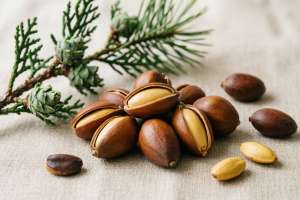
Efficacy and functions of Baiziren
Overview of the efficacy and functions of BaizirenBaiziren is the dried and mature seed kernel of Platycladus orientalis, a plant in the Cupressaceae family. Traditional Chinese medicine believes that it is flat in nature and sweet in taste, and can be used to regulate the heart, kidney, and large intestine meridians.Nourish the heart and calm the nerves, moisturize the intestines and relieve constipation, and nourish the liver and kidneysand other effects.Its main functions include improving sy
-
View
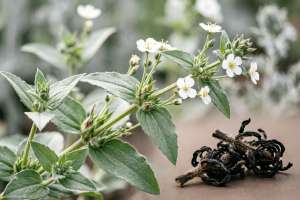
Eclipta Eclipta efficacy and functions
Overview of the efficacy and functions of EcliptaEclipta, also known as Eclipta or Eclipta, is a commonly used medicinal material in traditional Chinese medicine to nourish the liver and kidneys, cool blood and stop bleeding.Its core functions includeNourishes yin and nourishes kidney, blackens beard and hair, stops bleeding and reduces inflammation, the secondary effects involve improving hair loss, relieving gum bleeding and skin eczema.The primary and secondary structure is clear: liver and k
-

View
Function and role of hippocampus
Overview of the functions and functions of the hippocampusSeahorse is a precious marine creature recognized for its many benefits in both traditional medicine and modern research.Its main functions includeReplenishing kidneys and strengthening yang, anti-fatigue, regulating immunity, antioxidantetc., especially the effect of nourishing kidney and replenishing qi is the most prominent.In addition, the hippocampus also plays a certain role in improving blood circulation and relieving neurasthenia.
-
View
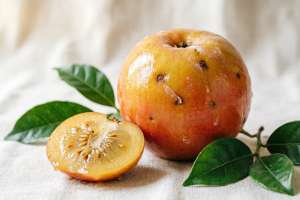
The effects and functions of fragrant fruit
Overview of the effects and functions of fragrant fruitXiangguo, also known as Ligusticum chuanxiong or Shannai, is a plant with both medicinal and edible value, and its rhizomes are often used in traditional Chinese medicine.Its main functions includePromotes blood circulation and removes blood stasis, dispels wind and relieves pain, improves blood circulation, the secondary effects involve relieving headaches, joint pain and women’s menstrual discomfort.The active ingredients of xiangguo, su
-
View
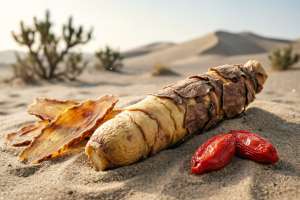
Efficacy and functions of Cistanche deserticola
Overview of the efficacy and functions of Cistanche deserticolaCistanche deserticola, also known as Cistanche deserticola, is a traditional Chinese medicinal material mainly produced in desert areas and is known as "desert ginseng".Its core functions includeReplenishing kidney yang, replenishing essence and blood, moistening intestines and laxative, the secondary effects involve anti-aging, regulating immunity, etc.This article will start from its medicinal value, suitable people, usage methods
-
View
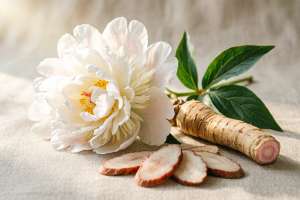
White peony effect and function
Overview of the efficacy and functions of white peony rootWhite peony root is a commonly used blood-nourishing and menstrual-regulating medicine in traditional Chinese medicine.Nourishes blood and softens liver, relieves pain, astringes yin and stops sweatingIt has core functions such as irregular menstruation, hypochondriac pain, spontaneous sweating and night sweats.Its functions can be divided into two categories: primary and secondary:Main functionsIncluding regulating female endocrine, reli
-
View
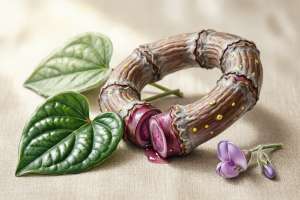
Efficacy and functions of Wu Hua Xue Teng
Overview of the efficacy and functions of SpatholobusFive-flowered bloodvine is a traditional Chinese medicinal material, which mainly hasPromotes blood circulation and removes blood stasis, unblocks collaterals to relieve pain, expels wind and removes dampnessIt has other effects and is often used to treat rheumatic arthralgia, bruises and irregular menstruation.Its core function is to promote blood circulation, relieve inflammation and pain, and its secondary functions include assisting in reg