
- Current location:Home page >> health information
What does a cervical smear do?
2026-06-02 08:16:35
The role and importance of cervical smear
Cervical smear (also known as Pap smear) is a routine medical examination used to screen for cervical cancer and precancerous lesions. Its main function is to detect cervical cell abnormalities early, thereby reducing the incidence and mortality of cervical cancer. The examination process is simple and painless. It collects exfoliated cervical cells and observes changes in cell morphology under a microscope. Cervical smear can not only detect human papillomavirus (HPV) infection, but also identify inflammation or other benign lesions, making it an important tool for women's health management. According to World Health Organization (WHO) recommendations, women over 21 or sexually active should undergo regular screening.
Cervical smear examination process and principle
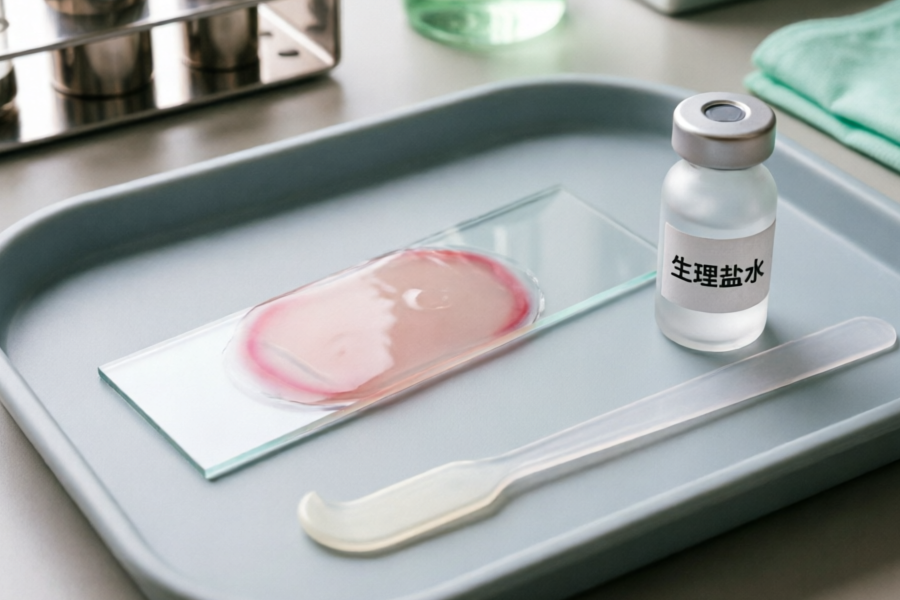
Cervical smear examination is usually completed in a gynecological clinic. The doctor uses a special brush or scraper to gently scrape the cells on the surface of the cervix and the cervical canal, and fix them on a glass slide for examination. The laboratory uses staining techniques (such as Pap staining or liquid-based cytology) to observe cell morphology and determine whether there are abnormalities. Liquid-based cytology (such as ThinPrep or SurePath) can reduce interference from impurities and improve accuracy compared with traditional smears. If the results are abnormal, further HPV testing, colposcopy, or biopsy may be needed. The whole process takes about 5-10 minutes and there is no obvious discomfort.
Clinical significance and limitations of cervical smear
The core value of cervical smear isearly screening. Research shows that regular screening can reduce the incidence of cervical cancer by more than 70% (American Cancer Society data). However, smear results may be affected by sampling quality, laboratory level and other factors, and there is a risk of false negatives. Therefore, some countries recommend combined HPV testing to increase sensitivity. In addition, although vaccination with HPV vaccines (such as Gardasil and Cervarix) can prevent high-risk HPV infections, smear screening is still required because the vaccine does not cover all cancer-causing subtypes.
Applicable groups and screening frequency recommendations
Recommendations for screening frequency vary slightly between agencies:
| age/population | Screening frequency | Recommendation basis |
|---|---|---|
| 21-29 years old | Cervical smear every 3 years | American College of Obstetricians and Gynecologists (ACOG) |
| 30-65 years old | Smear every 3 years or smear + HPV combined test every 5 years | United States Preventive Services Task Force (USPSTF) |
| Over 65 years old | Screening can be stopped if past results are normal | World Health Organization (WHO) |
High-risk groups (such as people with HIV infection and immunosuppressed patients) need more frequent testing. Sexual intercourse, vaginal medication, or douching should be avoided for 48 hours before screening to avoid interfering with the results.
Summary and Health Tips
Cervical smear prevents cervical cancerfirst line of defense, whose popularization has significantly reduced global cervical cancer mortality. Despite advances in technology (such as artificial intelligence-assisted diagnosis), regular screening remains irreplaceable. Women should pay attention to screening, especially if they have a history of HPV infection or family cancer. At the same time, maintaining a healthy lifestyle (such as quitting smoking and using condoms) can further reduce the risk. Major manufacturers in the medical field include Hologic (ThinPrep), BD (SurePath), etc. Specific product selection must be based on medical advice.
Quote sources:
1. World Health Organization (WHO) Cervical Cancer Screening Guidelines
2. American Cancer Society (ACS) Cervical Cancer Screening Recommendations for 2023
3. National Health Commission's "Cervical Cancer Diagnosis and Treatment Standards (2022 Edition)"
4. Liquid-based cytology products: Hologic (ThinPrep), BD (SurePath)
Relevant knowledge
- 2026-10-01How do women take care of their skin scientifically?
- 2026-10-01What is female beauty?
- 2026-09-30How can women supplement calcium scientifically?
- 2026-09-30What is calcium supplementation?
- 2026-09-30How often should bone density checks be done?
- 2026-09-29How to prevent osteoporosis?
- 2026-09-29Why are women prone to osteoporosis?
- 2026-09-29What is osteoporosis?
- 2026-09-28Is hormone replacement therapy safe?
- 2026-09-28What is hormone replacement therapy?
- 2026-09-28How to manage menopause?
- 2026-09-28What are the symptoms of menopause?
- 2026-09-28What is menopause?
- 2026-09-28What does a postpartum review include?
- 2026-09-27What is a postpartum review?
- 2026-09-27Is pelvic floor muscle repair necessary?
- 2026-09-27What is postpartum pelvic floor muscle repair?
- 2026-09-27How to lose weight scientifically after giving birth?
Chinese medicinal materials
More-

View
The efficacy and function of purple beads
Overview of the efficacy and functions of purple beadsPurpurea is a plant with medicinal value. Its leaves, roots and fruits can be used as medicine. Its main functions includeStop bleeding, reduce inflammation, clear away heat and detoxify, dissipate blood stasis and reduce swellingWait.In traditional medicine, purple pearls are often used to treat symptoms such as traumatic bleeding, bruises, and sore throat. Modern research has also found that it contains active ingredients such as flavonoids
-
View
The efficacy and function of locust bean
Overview of the efficacy and functions of locust beanSophora bean, also known as Sophora japonica or Sophora japonica, is the mature fruit of Sophora japonica tree, a leguminous plant, and has various medicinal values in traditional medicine.Its main functions includeClears away heat and cools blood, moisturizes intestines and relieves constipation, lowers blood pressure, and resists oxidationetc., suitable for relieving symptoms such as hemorrhoids, bloody stools, and high blood pressure.Modern
-
View
The efficacy and function of Baiziren
Overview of the efficacy and functions of BaizirenBaiziren is the dried and mature seed kernel of Platycladus orientalis, a plant in the Cupressaceae family. Traditional Chinese medicine believes that it is flat in nature and sweet in taste, and can be used to regulate the heart, kidney, and large intestine meridians.Nourish the heart and calm the nerves, moisturize the intestines and relieve constipation, and nourish the liver and kidneysand other effects.Modern research shows that cypress seed
-
View
The efficacy and function of plum slices
Overview of the effects and functions of plum slicesPlum slices, also known as borneol or dipterocarp, is a traditional Chinese medicinal material that has the effects of rejuvenating the mind, clearing away heat and relieving pain, reducing swelling and promoting muscle growth.Its main component is dextroborneol, which is widely used in the fields of medicine, cosmetics and spices.The core functions of plum slices include relieving headaches, anti-inflammatory and sterilizing, promoting wound h
-
View
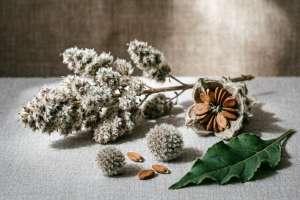
Efficacy and functions of Kochia bark
Overview of the efficacy and functions of Kochia barkKochia bark, also known as broom seedling, is a commonly used medicinal material in traditional Chinese medicine for clearing away heat and promoting dampness.Diuretic and relieve stranguria, dispel wind and relieve itching, clear away heat and detoxifyand other effects.It mainly acts on urinary system inflammation, skin itching and damp-heat jaundice, and is widely used clinically.Secondary functions include assisting in lowering blood sugar,
-
View
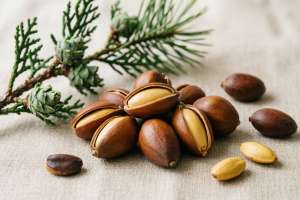
Efficacy and functions of Baiziren
Overview of the efficacy and functions of BaizirenBaiziren is the dried and mature seed kernel of Platycladus orientalis, a plant in the Cupressaceae family. Traditional Chinese medicine believes that it is flat in nature and sweet in taste, and can be used to regulate the heart, kidney, and large intestine meridians.Nourish the heart and calm the nerves, moisturize the intestines and relieve constipation, and nourish the liver and kidneysand other effects.Its main functions include improving sy
-
View
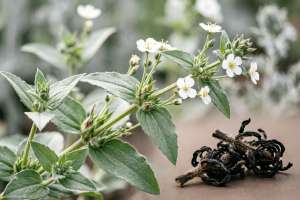
Eclipta Eclipta efficacy and functions
Overview of the efficacy and functions of EcliptaEclipta, also known as Eclipta or Eclipta, is a commonly used medicinal material in traditional Chinese medicine to nourish the liver and kidneys, cool blood and stop bleeding.Its core functions includeNourishes yin and nourishes kidney, blackens beard and hair, stops bleeding and reduces inflammation, the secondary effects involve improving hair loss, relieving gum bleeding and skin eczema.The primary and secondary structure is clear: liver and k
-

View
Function and role of hippocampus
Overview of the functions and functions of the hippocampusSeahorse is a precious marine creature recognized for its many benefits in both traditional medicine and modern research.Its main functions includeReplenishing kidneys and strengthening yang, anti-fatigue, regulating immunity, antioxidantetc., especially the effect of nourishing kidney and replenishing qi is the most prominent.In addition, the hippocampus also plays a certain role in improving blood circulation and relieving neurasthenia.
-
View
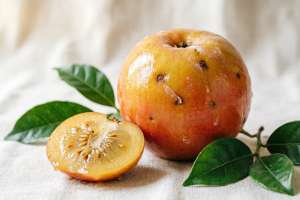
The effects and functions of fragrant fruit
Overview of the effects and functions of fragrant fruitXiangguo, also known as Ligusticum chuanxiong or Shannai, is a plant with both medicinal and edible value, and its rhizomes are often used in traditional Chinese medicine.Its main functions includePromotes blood circulation and removes blood stasis, dispels wind and relieves pain, improves blood circulation, the secondary effects involve relieving headaches, joint pain and women’s menstrual discomfort.The active ingredients of xiangguo, su
-

View
Efficacy and functions of Cistanche deserticola
Overview of the efficacy and functions of Cistanche deserticolaCistanche deserticola, also known as Cistanche deserticola, is a traditional Chinese medicinal material mainly produced in desert areas and is known as "desert ginseng".Its core functions includeReplenishing kidney yang, replenishing essence and blood, moistening intestines and laxative, the secondary effects involve anti-aging, regulating immunity, etc.This article will start from its medicinal value, suitable people, usage methods
-
View
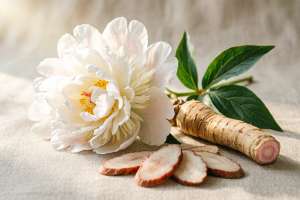
White peony effect and function
Overview of the efficacy and functions of white peony rootWhite peony root is a commonly used blood-nourishing and menstrual-regulating medicine in traditional Chinese medicine.Nourishes blood and softens liver, relieves pain, astringes yin and stops sweatingIt has core functions such as irregular menstruation, hypochondriac pain, spontaneous sweating and night sweats.Its functions can be divided into two categories: primary and secondary:Main functionsIncluding regulating female endocrine, reli
-
View
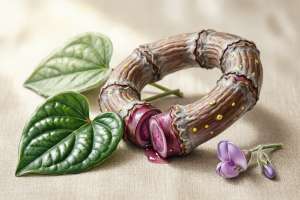
Efficacy and functions of Wu Hua Xue Teng
Overview of the efficacy and functions of SpatholobusFive-flowered bloodvine is a traditional Chinese medicinal material, which mainly hasPromotes blood circulation and removes blood stasis, unblocks collaterals to relieve pain, expels wind and removes dampnessIt has other effects and is often used to treat rheumatic arthralgia, bruises and irregular menstruation.Its core function is to promote blood circulation, relieve inflammation and pain, and its secondary functions include assisting in reg