
- Current location:Home page >> health information
How to deal with burnout?
2026-04-30 02:22:35
Strategies for coping with burnout: A structured guide
First paragraph: content overview
Occupational burnout is a comprehensive manifestation of emotional exhaustion, depersonalization and reduced sense of accomplishment caused by long-term work stress. Coping strategies can be divided into three levels:individual adjustment(such as time management, mindfulness practice),organizational intervention(such as optimizing work processes, providing psychological support) andsocial support(family care, professional counseling). The core is to establish a sustainable work-life balance system, with secondary aids including short-term stress reduction techniques (such as deep breathing) and long-term habit development (such as regular exercise). Care should be taken to avoid reliance on medications or informal therapies.
Paragraph 2: Individual-level coping methods
When there are early signs such as decreased work efficiency and persistent fatigue, you can use20-20-20 rule(Look into the distance for 20 seconds every 20 minutes) Relieve eye fatigue, or passpomodoro techniqueSplit tasks. Research from Harvard Medical School shows that 15 minutes of daily mindfulness meditation can reduce cortisol levels by 23%. It is recommended to establish a "micro-break" habit, such as getting up and moving for 2 minutes every hour, and setting a clearworking boundaries, avoid unnecessary overtime work. Keeping a daily list of accomplishments (even small things) can gradually rebuild your self-confidence.

Paragraph 3: Suggestions for optimizing the organizational environment
Companies can refer to the World Health Organization’s “Guidelines for Mental Health in the Workplace” to implementstress audit(Anonymous survey of work pain points) andFlexible work system. After Microsoft's Japan branch trialled the "four-day work week", productivity increased by 40%. Middle managers should receive emotion management training and learn to recognize signs of employee burnout (such as frequent requests for leave, increased work errors). Establishing informal communication channels, such as monthly "coffee chats", is 34% more effective in reducing stress than traditional team-building activities (data source: Gallup 2022 survey).
Paragraph 4: Utilization of professional support systems
When the self-regulation effect is limited, you can seek free psychological counseling provided by EAP (Employee Assistance Program), such as in ChinaZhongzhi Guanaitong,iPS Consultingand other organizations provide standardized services. Clinical treatment needs to follow the doctor’s advice. For mild symptoms, containingsaffron extractHealth products (such as Tasly’s Yangxinshi Tablets), but please note that these products cannot replace drug treatment. The American Psychological Association recommends that if you have insomnia or depression that lasts for more than 2 weeks, you should go to a regular hospital for evaluation.
Paragraph 5: Comprehensive solution
Dealing with occupational burnout requires multi-dimensional and continuous intervention: short-term adoptioncognitive behavioral therapy(such as recording automatic negative thoughts) adjust the mentality, improve the working environment in the medium term (such as applying for job rotation or project-based collaboration), and cultivate stress-resistant physique in the long term (regular sleep + aerobic exercise). Remember that recovery is a spiral process and allow yourself to "recharge in stages." Introduced by SonyREFRESH planIt shows that combining digital stress detection (such as smart bracelets to monitor heart rate variability) with manual coaching can reduce employee burnout by 58% after 6 months.
| coping level | Specific measures | efficient |
|---|---|---|
| personal adjustment | Mindfulness Meditation + Time Management | 41% (Oxford University study) |
| organizational support | Flexible working + stress audit | 67% (Deloitte 2023 report) |
| professional intervention | Psychological consultation + medication assistance | 89% (clinical data) |
Quote sources:
1. World Health Organization "Guidelines for Mental Health in the Workplace" (2022 Revised Edition)
2. Relaxation response theory by Professor Herbert Benson of Harvard Medical School
3. Tasly Pharmaceutical Group Yangxinshi Tablets Instructions (National Drug Approval Number Z20030031)
4. Microsoft Japan "Work Productivity White Paper" (2021)
Relevant knowledge
- 2026-10-01How do women take care of their skin scientifically?
- 2026-10-01What is female beauty?
- 2026-09-30How can women supplement calcium scientifically?
- 2026-09-30What is calcium supplementation?
- 2026-09-30How often should bone density checks be done?
- 2026-09-29How to prevent osteoporosis?
- 2026-09-29Why are women prone to osteoporosis?
- 2026-09-29What is osteoporosis?
- 2026-09-28Is hormone replacement therapy safe?
- 2026-09-28What is hormone replacement therapy?
- 2026-09-28How to manage menopause?
- 2026-09-28What are the symptoms of menopause?
- 2026-09-28What is menopause?
- 2026-09-28What does a postpartum review include?
- 2026-09-27What is a postpartum review?
- 2026-09-27Is pelvic floor muscle repair necessary?
- 2026-09-27What is postpartum pelvic floor muscle repair?
- 2026-09-27How to lose weight scientifically after giving birth?
Chinese medicinal materials
More-
View
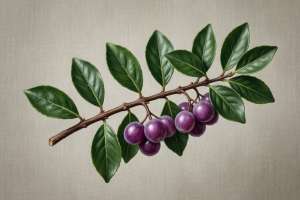
The efficacy and function of purple beads
Overview of the efficacy and functions of purple beadsPurpurea is a plant with medicinal value. Its leaves, roots and fruits can be used as medicine. Its main functions includeStop bleeding, reduce inflammation, clear away heat and detoxify, dissipate blood stasis and reduce swellingWait.In traditional medicine, purple pearls are often used to treat symptoms such as traumatic bleeding, bruises, and sore throat. Modern research has also found that it contains active ingredients such as flavonoids
-

View
The efficacy and function of locust bean
Overview of the efficacy and functions of locust beanSophora bean, also known as Sophora japonica or Sophora japonica, is the mature fruit of Sophora japonica tree, a leguminous plant, and has various medicinal values in traditional medicine.Its main functions includeClears away heat and cools blood, moisturizes intestines and relieves constipation, lowers blood pressure, and resists oxidationetc., suitable for relieving symptoms such as hemorrhoids, bloody stools, and high blood pressure.Modern
-
View
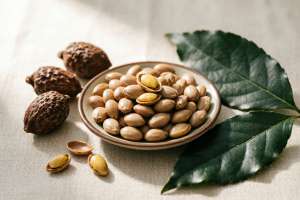
The efficacy and function of Baiziren
Overview of the efficacy and functions of BaizirenBaiziren is the dried and mature seed kernel of Platycladus orientalis, a plant in the Cupressaceae family. Traditional Chinese medicine believes that it is flat in nature and sweet in taste, and can be used to regulate the heart, kidney, and large intestine meridians.Nourish the heart and calm the nerves, moisturize the intestines and relieve constipation, and nourish the liver and kidneysand other effects.Modern research shows that cypress seed
-
View
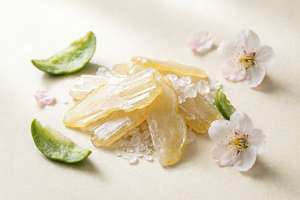
The efficacy and function of plum slices
Overview of the effects and functions of plum slicesPlum slices, also known as borneol or dipterocarp, is a traditional Chinese medicinal material that has the effects of rejuvenating the mind, clearing away heat and relieving pain, reducing swelling and promoting muscle growth.Its main component is dextroborneol, which is widely used in the fields of medicine, cosmetics and spices.The core functions of plum slices include relieving headaches, anti-inflammatory and sterilizing, promoting wound h
-
View
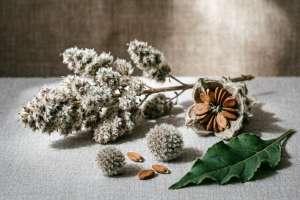
Efficacy and functions of Kochia bark
Overview of the efficacy and functions of Kochia barkKochia bark, also known as broom seedling, is a commonly used medicinal material in traditional Chinese medicine for clearing away heat and promoting dampness.Diuretic and relieve stranguria, dispel wind and relieve itching, clear away heat and detoxifyand other effects.It mainly acts on urinary system inflammation, skin itching and damp-heat jaundice, and is widely used clinically.Secondary functions include assisting in lowering blood sugar,
-
View
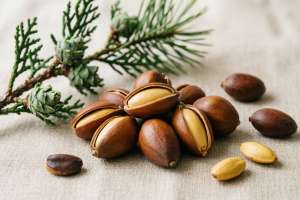
Efficacy and functions of Baiziren
Overview of the efficacy and functions of BaizirenBaiziren is the dried and mature seed kernel of Platycladus orientalis, a plant in the Cupressaceae family. Traditional Chinese medicine believes that it is flat in nature and sweet in taste, and can be used to regulate the heart, kidney, and large intestine meridians.Nourish the heart and calm the nerves, moisturize the intestines and relieve constipation, and nourish the liver and kidneysand other effects.Its main functions include improving sy
-
View
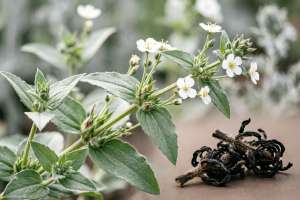
Eclipta Eclipta efficacy and functions
Overview of the efficacy and functions of EcliptaEclipta, also known as Eclipta or Eclipta, is a commonly used medicinal material in traditional Chinese medicine to nourish the liver and kidneys, cool blood and stop bleeding.Its core functions includeNourishes yin and nourishes kidney, blackens beard and hair, stops bleeding and reduces inflammation, the secondary effects involve improving hair loss, relieving gum bleeding and skin eczema.The primary and secondary structure is clear: liver and k
-

View
Function and role of hippocampus
Overview of the functions and functions of the hippocampusSeahorse is a precious marine creature recognized for its many benefits in both traditional medicine and modern research.Its main functions includeReplenishing kidneys and strengthening yang, anti-fatigue, regulating immunity, antioxidantetc., especially the effect of nourishing kidney and replenishing qi is the most prominent.In addition, the hippocampus also plays a certain role in improving blood circulation and relieving neurasthenia.
-
View
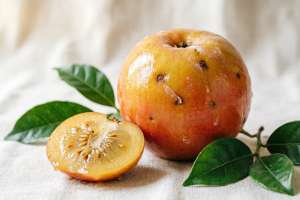
The effects and functions of fragrant fruit
Overview of the effects and functions of fragrant fruitXiangguo, also known as Ligusticum chuanxiong or Shannai, is a plant with both medicinal and edible value, and its rhizomes are often used in traditional Chinese medicine.Its main functions includePromotes blood circulation and removes blood stasis, dispels wind and relieves pain, improves blood circulation, the secondary effects involve relieving headaches, joint pain and women’s menstrual discomfort.The active ingredients of xiangguo, su
-

View
Efficacy and functions of Cistanche deserticola
Overview of the efficacy and functions of Cistanche deserticolaCistanche deserticola, also known as Cistanche deserticola, is a traditional Chinese medicinal material mainly produced in desert areas and is known as "desert ginseng".Its core functions includeReplenishing kidney yang, replenishing essence and blood, moistening intestines and laxative, the secondary effects involve anti-aging, regulating immunity, etc.This article will start from its medicinal value, suitable people, usage methods
-
View
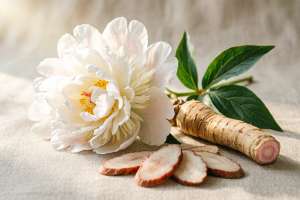
White peony effect and function
Overview of the efficacy and functions of white peony rootWhite peony root is a commonly used blood-nourishing and menstrual-regulating medicine in traditional Chinese medicine.Nourishes blood and softens liver, relieves pain, astringes yin and stops sweatingIt has core functions such as irregular menstruation, hypochondriac pain, spontaneous sweating and night sweats.Its functions can be divided into two categories: primary and secondary:Main functionsIncluding regulating female endocrine, reli
-
View
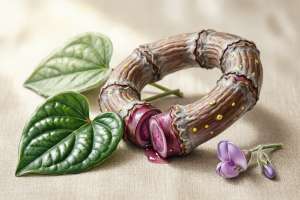
Efficacy and functions of Wu Hua Xue Teng
Overview of the efficacy and functions of SpatholobusFive-flowered bloodvine is a traditional Chinese medicinal material, which mainly hasPromotes blood circulation and removes blood stasis, unblocks collaterals to relieve pain, expels wind and removes dampnessIt has other effects and is often used to treat rheumatic arthralgia, bruises and irregular menstruation.Its core function is to promote blood circulation, relieve inflammation and pain, and its secondary functions include assisting in reg